Condominium Bylaws Condo Association Fort Myers In Kings
Description

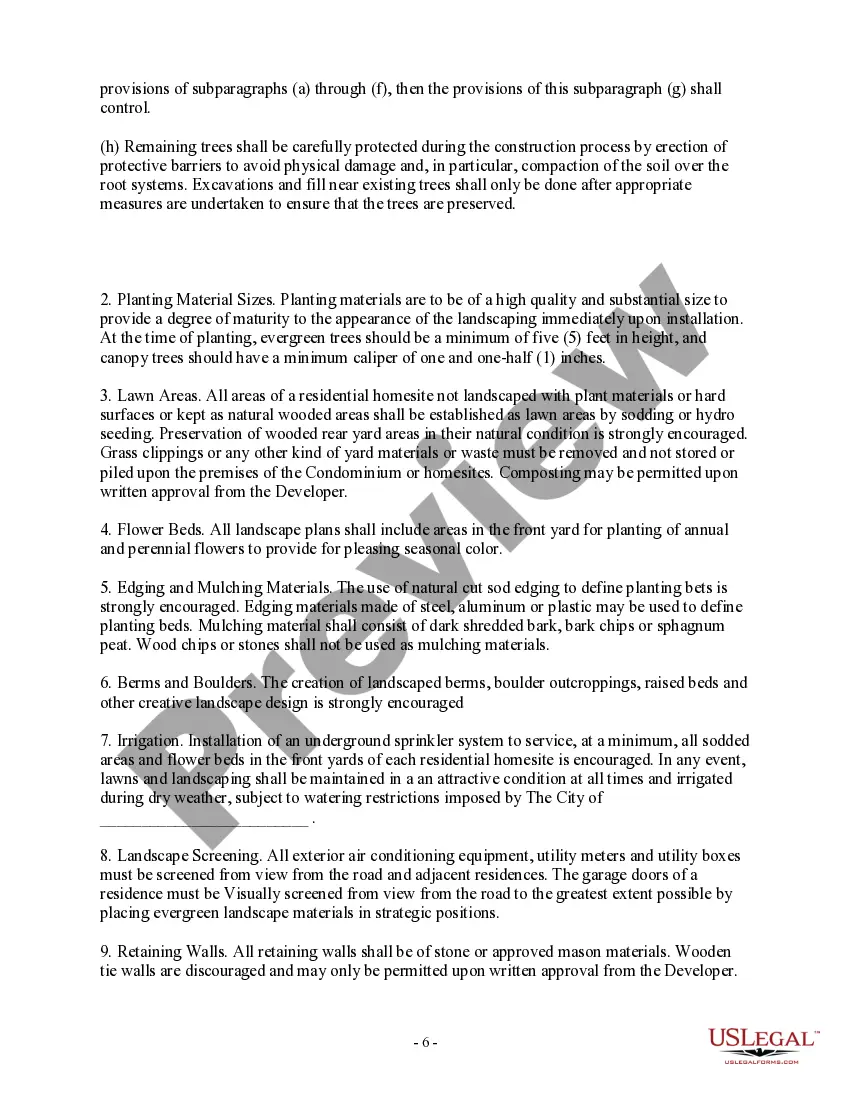
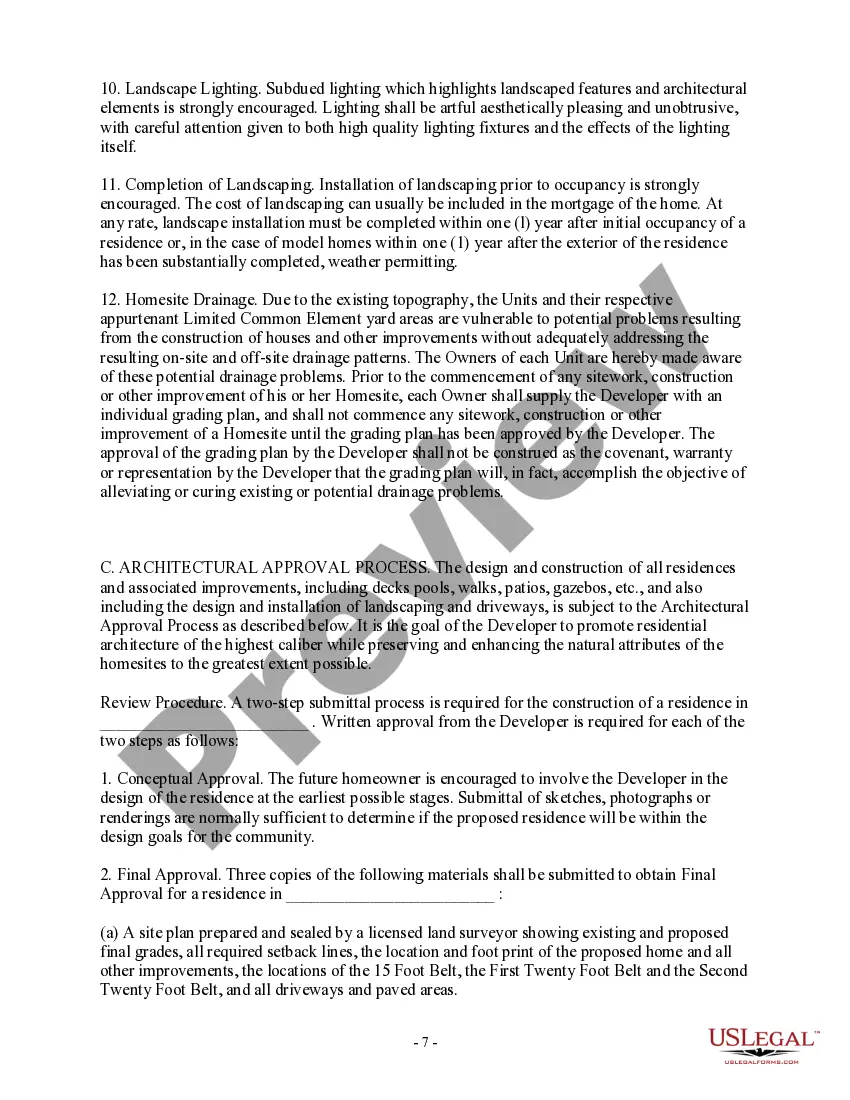
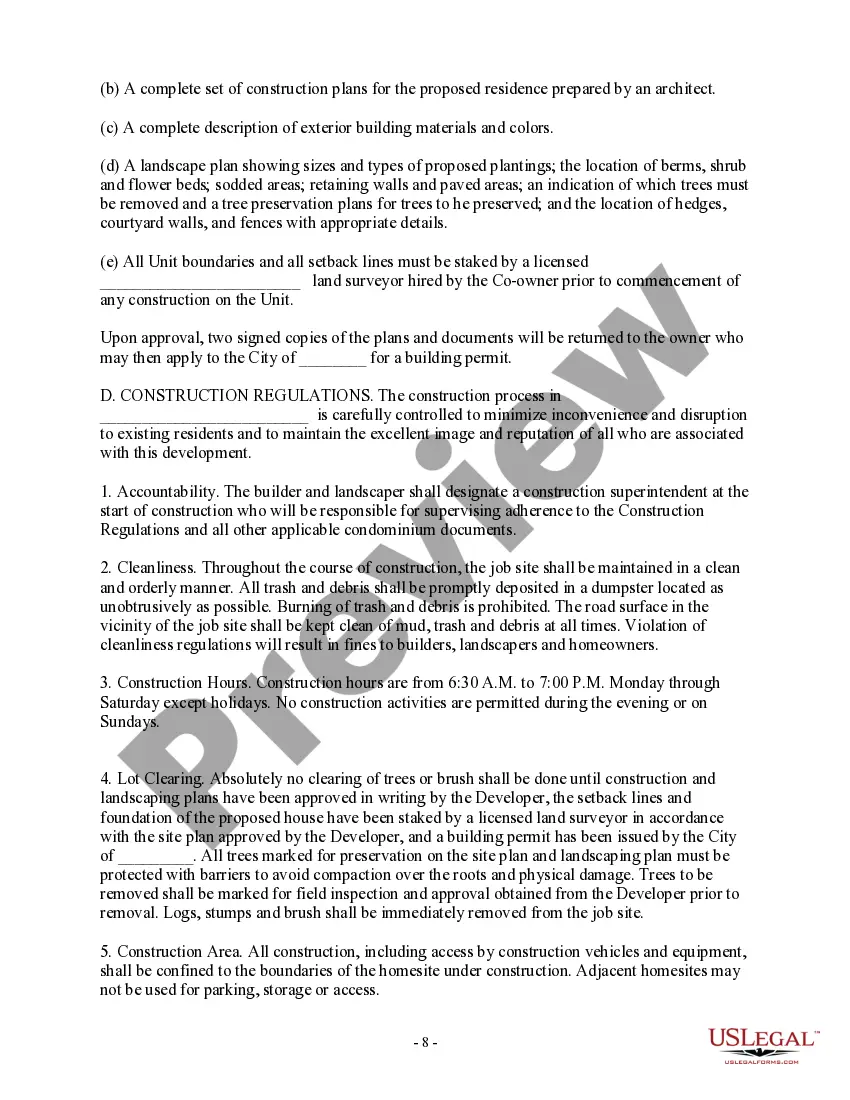
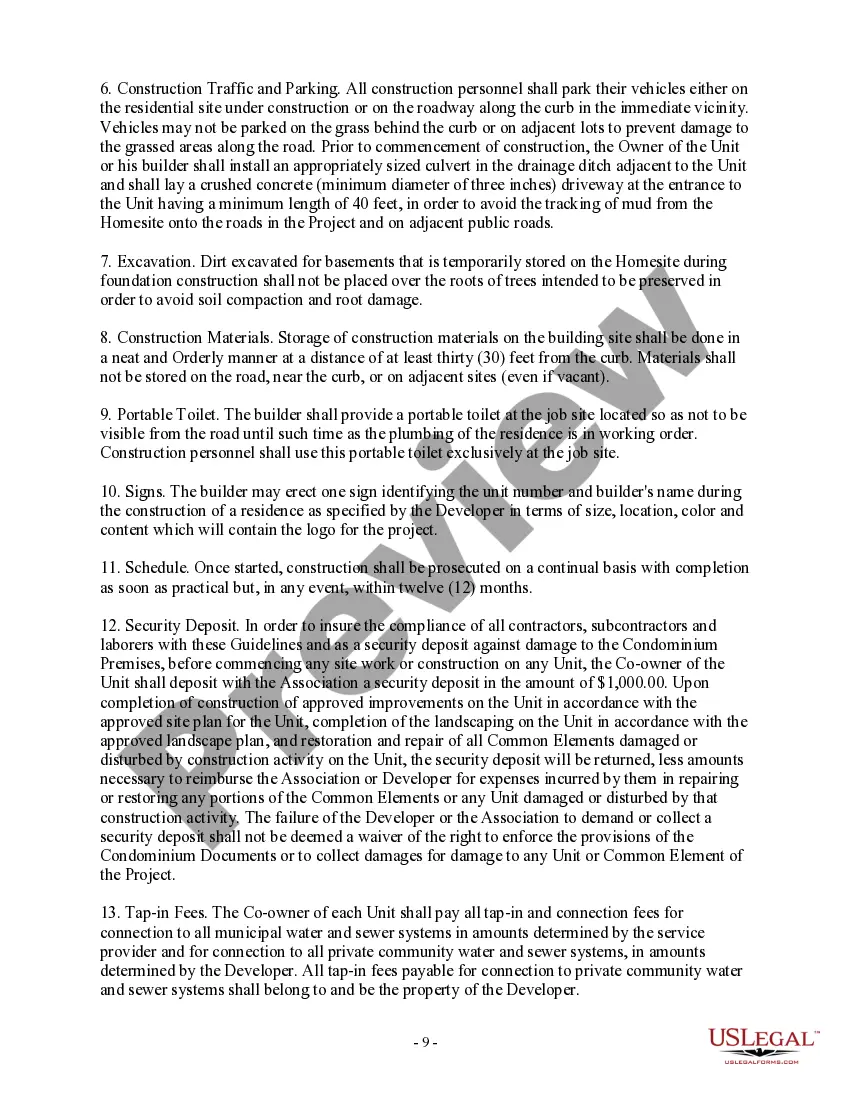



Get your form ready online
Our built-in tools help you complete, sign, share, and store your documents in one place.
Make edits, fill in missing information, and update formatting in US Legal Forms—just like you would in MS Word.
Download a copy, print it, send it by email, or mail it via USPS—whatever works best for your next step.
Sign and collect signatures with our SignNow integration. Send to multiple recipients, set reminders, and more. Go Premium to unlock E-Sign.
If this form requires notarization, complete it online through a secure video call—no need to meet a notary in person or wait for an appointment.
We protect your documents and personal data by following strict security and privacy standards.

Make edits, fill in missing information, and update formatting in US Legal Forms—just like you would in MS Word.

Download a copy, print it, send it by email, or mail it via USPS—whatever works best for your next step.

Sign and collect signatures with our SignNow integration. Send to multiple recipients, set reminders, and more. Go Premium to unlock E-Sign.

If this form requires notarization, complete it online through a secure video call—no need to meet a notary in person or wait for an appointment.

We protect your documents and personal data by following strict security and privacy standards.
Looking for another form?






Form popularity
FAQ
Homeowners often ask whether local laws supersede the rules and regulations set forth by their homeowner association (HOA). The short answer is yes, local laws do supersede HOA rules.
In some states, such as California, HOA bylaws are considered public record and must be made available upon request. In other states, such as Virginia, HOA bylaws are not considered public record and therefore are not required to be made publicly available.
Once you buy a home that's part of an HOA, you automatically become a member of the HOA. HOA rules are legally binding, and you must adhere to all rules and regulations in the governing document. Yes, there are bylaws that you may not like, but there are no HOA loopholes.
Florida Recorded Document Search - Visit the county recorder's office where the property is located to find an association's Declaration of Covenants, Conditions, and Restrictions (CC&Rs), Amendments to CC&Rs, Bylaws, Lien Notices, HOA Notices, Plats, Maps, and other community documents.
The Florida Homeowners' Association Act, Chapter 720 of the Florida Statutes, states that amendments to “governing documents” for homeowners' associations are not effective until they are recorded in the public records of the county in which the community is located.
Changing Your Condo Manager: A Step By Step Guide EVALUATE YOUR CURRENT SITUATION. CONSULT WITH YOUR BOARD. RESEARCH POTENTIAL OPTIONS. SCHEDULE MEETINGS AND GATHER INFORMATION. CONSIDER COSTS. MAKE A DECISION. NOTIFY YOUR CURRENT CONDO MANAGEMENT COMPANY. NEGOTIATE THE TERMS OF THE NEW CONTRACT.
Copies of the Articles of Incorporation and bylaws of the homeowners association can be obtained from the Florida Department of State, Division of Corporations. Copies of the governing documents may also be obtained directly from the homeowners association.
Gain board approval – Present the proposed amendments to the HOA board. Discuss the changes, address any concerns or questions the board members may have, and open the floor to also allow homeowners to ask questions. Then, hold a formal vote to approve the new rule or amendment.
Although a board may propose a rule that changes or modifies the declaration the board will still need to have the owners vote to approve the change and follow the procedures for amending the declaration. The board may not act alone in this regard.
