Slander And Libel Laws For Attorneys In San Jose
Description

Get your form ready online
Our built-in tools help you complete, sign, share, and store your documents in one place.
Make edits, fill in missing information, and update formatting in US Legal Forms—just like you would in MS Word.
Download a copy, print it, send it by email, or mail it via USPS—whatever works best for your next step.
Sign and collect signatures with our SignNow integration. Send to multiple recipients, set reminders, and more. Go Premium to unlock E-Sign.
If this form requires notarization, complete it online through a secure video call—no need to meet a notary in person or wait for an appointment.
We protect your documents and personal data by following strict security and privacy standards.

Make edits, fill in missing information, and update formatting in US Legal Forms—just like you would in MS Word.

Download a copy, print it, send it by email, or mail it via USPS—whatever works best for your next step.

Sign and collect signatures with our SignNow integration. Send to multiple recipients, set reminders, and more. Go Premium to unlock E-Sign.

If this form requires notarization, complete it online through a secure video call—no need to meet a notary in person or wait for an appointment.

We protect your documents and personal data by following strict security and privacy standards.
Looking for another form?

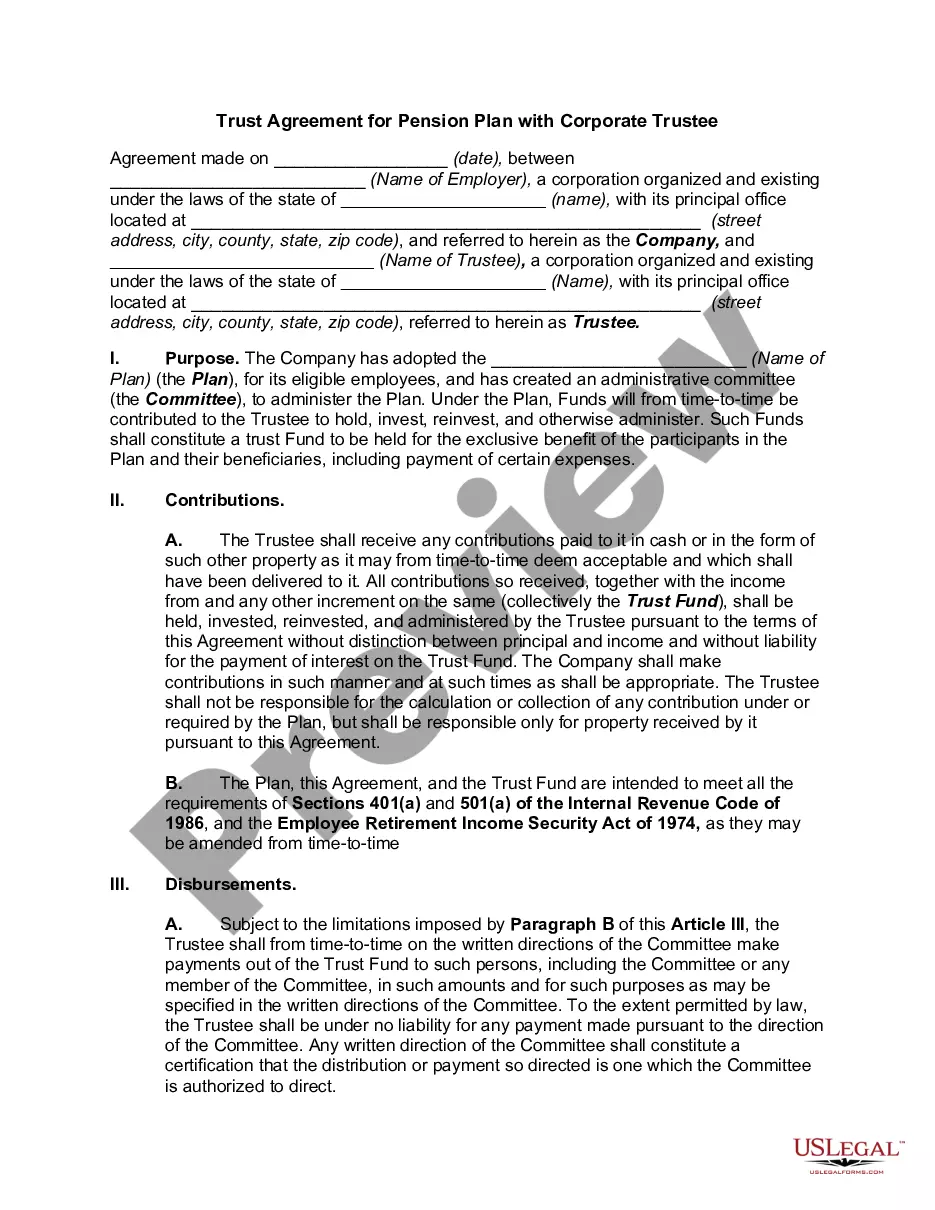
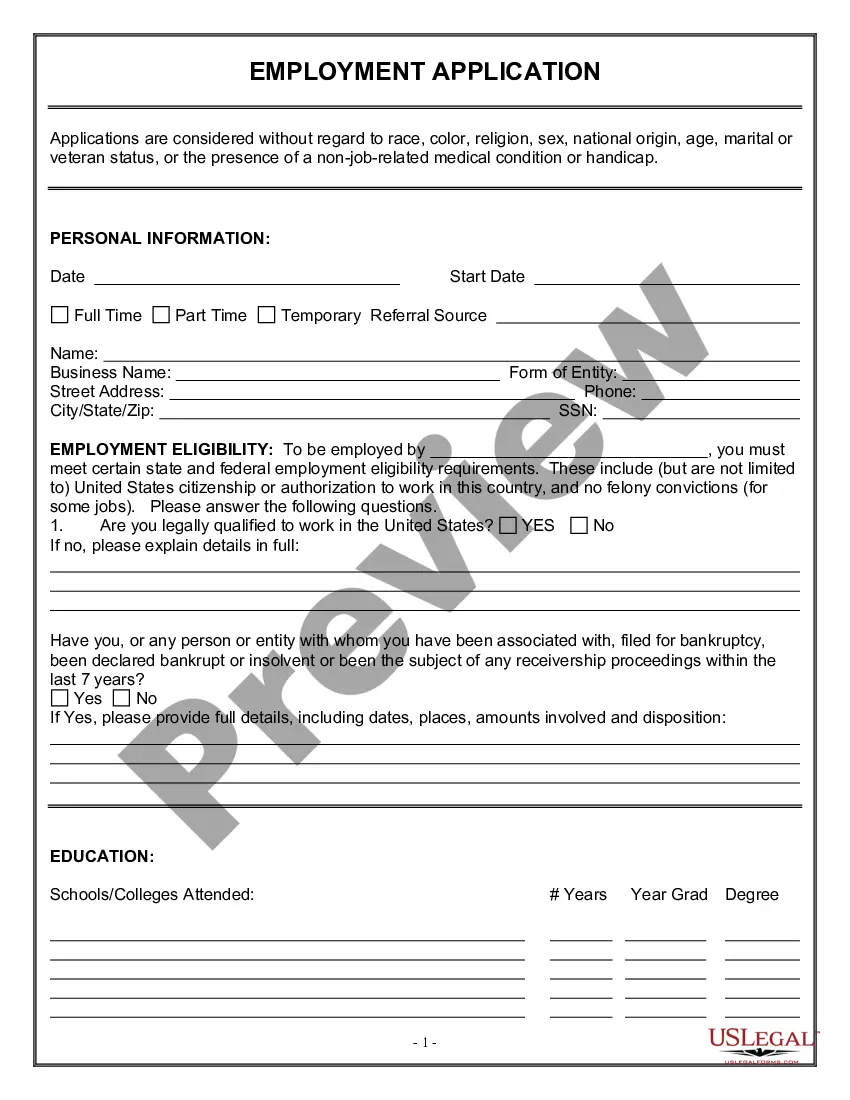


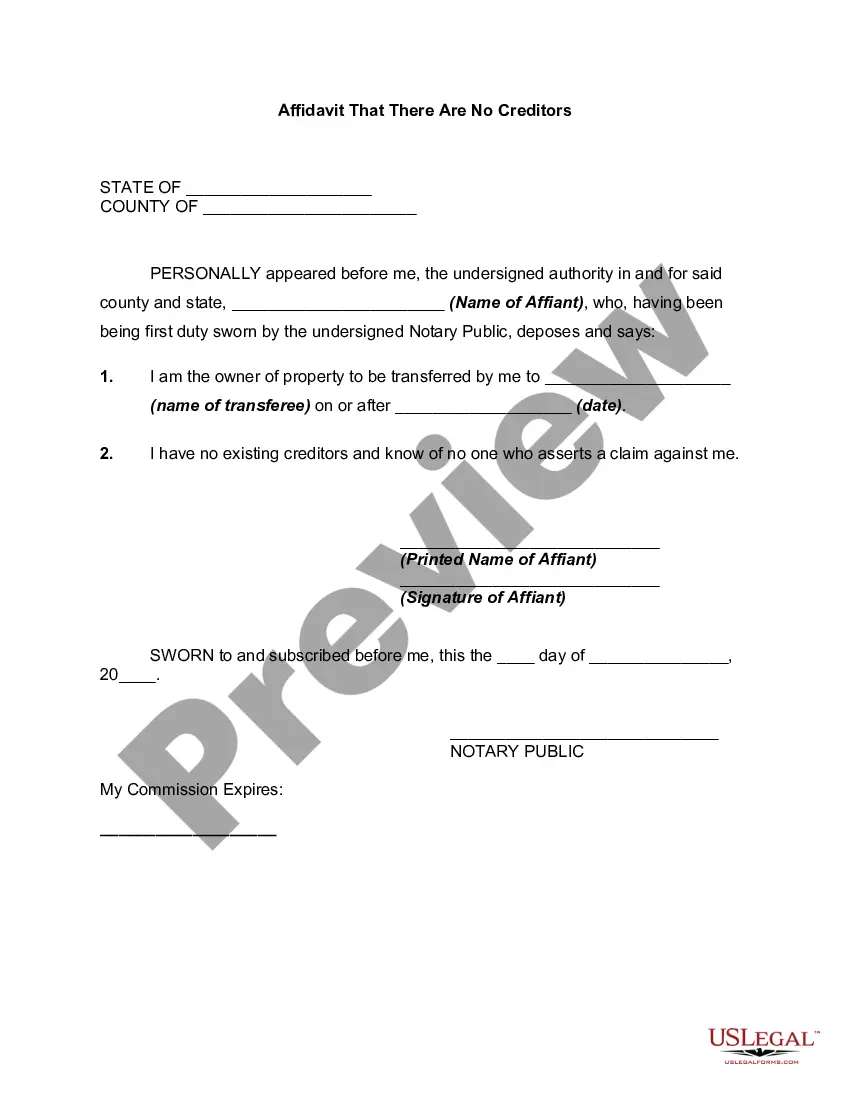
Form popularity
FAQ
Key Elements of a Slander Lawsuit in California: To win a slander lawsuit, you need to establish several critical points: The Statement Was Defamatory and Targeted You: The false statement must directly harm your personal or business reputation.
The most common defenses to defamation are: 1) truth; 2) consent; 3) privilege; and 4) the statute of limitations. Perhaps the most distinct aspect of the defamation cause of action is that falsity is required. In other words, the statement publicized about the plaintiff must be false in order to prove defamation.
California, though, is not one of the U.S. states with criminal defamation laws. While California defamation defendants do not face potential imprisonment, they could be subject to civil lawsuits and hefty damages (including punitive damages), depending on the nature and harm caused by their false statements.
It may be libel or slander. (California Civil section 44; herein, “Civ. Code § __.”) The tort involves (a) a publication that is (b) false, (c) defamatory, and (d) unprivileged, and that (e) has a natural tendency to injure or that causes special damage. Civ.
In California, you must prove five elements to establish a defamation claim: An intentional publication of a statement of fact; That is false; That is unprivileged; That has a natural tendency to injure or causes “special damage;” and, The defendant's fault in publishing the statement amounted to at least negligence.
Key Elements of a Slander Lawsuit in California: To win a slander lawsuit, you need to establish several critical points: The Statement Was Defamatory and Targeted You: The false statement must directly harm your personal or business reputation.
Attorneys licensed by the State Bar of California take an oath to abide by laws aimed at protecting consumers from unethical lawyers. But sometimes attorneys don't act in the best interests of their clients. Call the State Bar's multilingual Contact Center (800-843-9053) for help.
How to File a Slander Lawsuit in California The Statement Was Defamatory and Targeted You: The false statement must directly harm your personal or business reputation. The Statement Was Made Publicly: The defamatory statement needs to have been made in public or overheard by a third party to be considered "published."

