False Statement For In Maryland
Description

Get your form ready online
Our built-in tools help you complete, sign, share, and store your documents in one place.
Make edits, fill in missing information, and update formatting in US Legal Forms—just like you would in MS Word.
Download a copy, print it, send it by email, or mail it via USPS—whatever works best for your next step.
Sign and collect signatures with our SignNow integration. Send to multiple recipients, set reminders, and more. Go Premium to unlock E-Sign.
If this form requires notarization, complete it online through a secure video call—no need to meet a notary in person or wait for an appointment.
We protect your documents and personal data by following strict security and privacy standards.

Make edits, fill in missing information, and update formatting in US Legal Forms—just like you would in MS Word.

Download a copy, print it, send it by email, or mail it via USPS—whatever works best for your next step.

Sign and collect signatures with our SignNow integration. Send to multiple recipients, set reminders, and more. Go Premium to unlock E-Sign.

If this form requires notarization, complete it online through a secure video call—no need to meet a notary in person or wait for an appointment.

We protect your documents and personal data by following strict security and privacy standards.
Looking for another form?

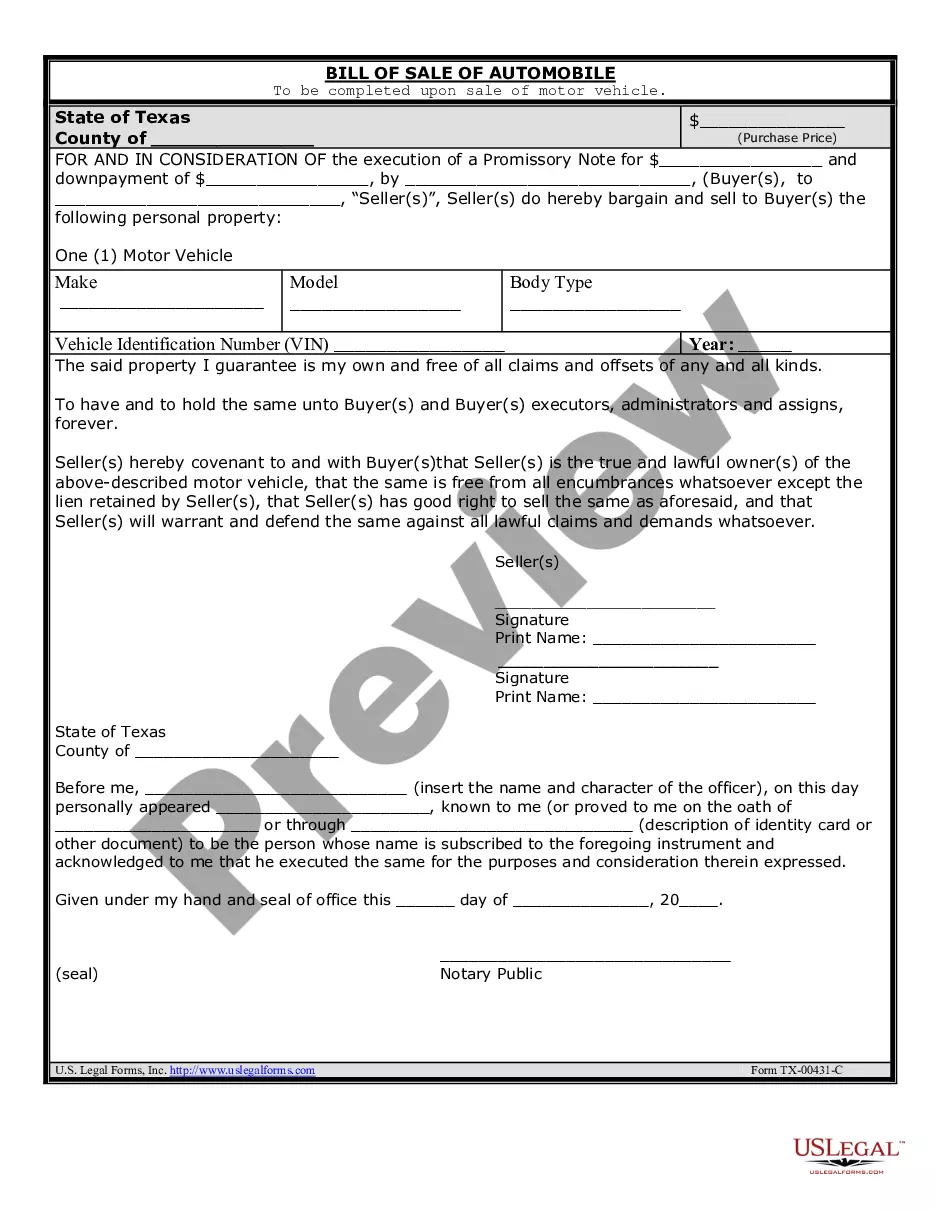
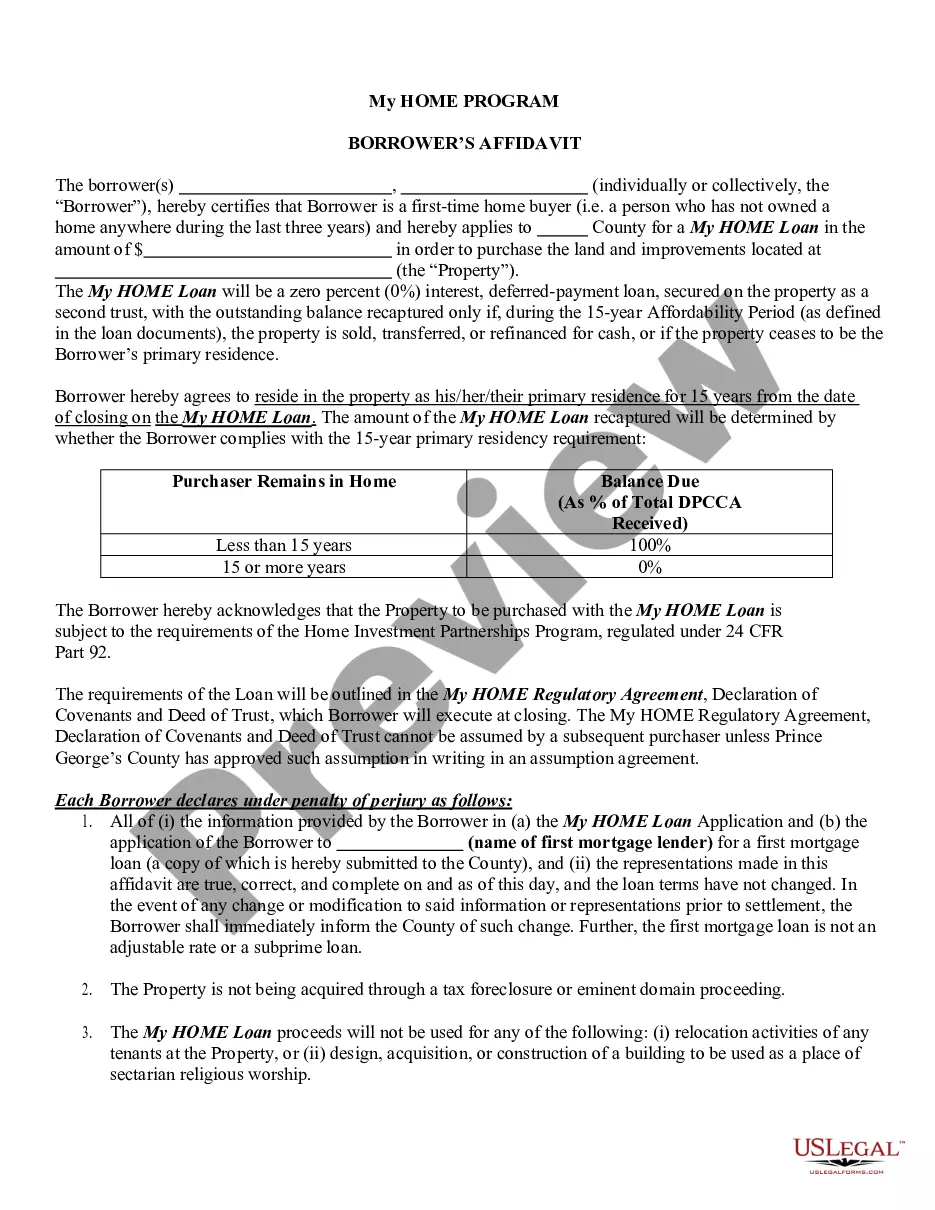
Form popularity
FAQ
(b) A person who violates this section is guilty of a misdemeanor and on conviction is subject to imprisonment not exceeding 10 years or a fine not exceeding $10,000 or both.
Step 2 – Starting point and category range Harm Culpability A B Category 1 Starting point 11 years' custody Starting point 7 years' custody Category range 8 – 16 years' custody Category range 5 – 10 years' custody Category 2 Starting point 7 years' custody Starting point 5 years' custody3 more rows
The Maryland False Claims Act and the False Health Claims Act protect whistleblowers who suffer employment retaliation because of their whistleblowing. Protection under the Maryland False Claims Acts includes: Reinstatement with the same seniority status that the whistleblower had before the retaliation.
Under Maryland law, false imprisonment occurs when a person unlawfully restrains another person's ability to move freely without consent or legal justification. This offense can occur in various contexts, including during domestic disputes, conflicts between acquaintances, or even interactions between strangers.
What is another word for false imprisonment? illegal custodyunlawful confinement unlawful restraint wrongful detention illegal detention unlawful imprisonment
The Four Elements of False Imprisonment in Maryland Confinement: The victim must be confined to a specific area. Against the Victim's Will: The confinement must occur without the victim's consent. Force or Threat of Force: The use of physical force or the threat of harm is required to compel compliance.
In general, to make out a false imprisonment claim, you'll need to show these four common elements: the intentional restraint of another person in a confined area. the restrained person doesn't consent to the restraint. the restrained person is aware of the restraint, and. the restraint is without legal justification.
If an individual acquires property or services worth $500 or more with one bad check, then the individual is guilty of a felony punishable by up to 15 years in prison and/or a fine of up to $1,000. Section 8-106(a).
False Imprisonment (CA Penal Code § 236) This can include restraining, detaining, or confining someone without their consent. Common scenarios include holding someone in a room against their will or using threats to prevent them from leaving a specific area.

