Slander Fort Worth In Dallas
Description

Get your form ready online
Our built-in tools help you complete, sign, share, and store your documents in one place.
Make edits, fill in missing information, and update formatting in US Legal Forms—just like you would in MS Word.
Download a copy, print it, send it by email, or mail it via USPS—whatever works best for your next step.
Sign and collect signatures with our SignNow integration. Send to multiple recipients, set reminders, and more. Go Premium to unlock E-Sign.
If this form requires notarization, complete it online through a secure video call—no need to meet a notary in person or wait for an appointment.
We protect your documents and personal data by following strict security and privacy standards.

Make edits, fill in missing information, and update formatting in US Legal Forms—just like you would in MS Word.

Download a copy, print it, send it by email, or mail it via USPS—whatever works best for your next step.

Sign and collect signatures with our SignNow integration. Send to multiple recipients, set reminders, and more. Go Premium to unlock E-Sign.

If this form requires notarization, complete it online through a secure video call—no need to meet a notary in person or wait for an appointment.

We protect your documents and personal data by following strict security and privacy standards.
Looking for another form?




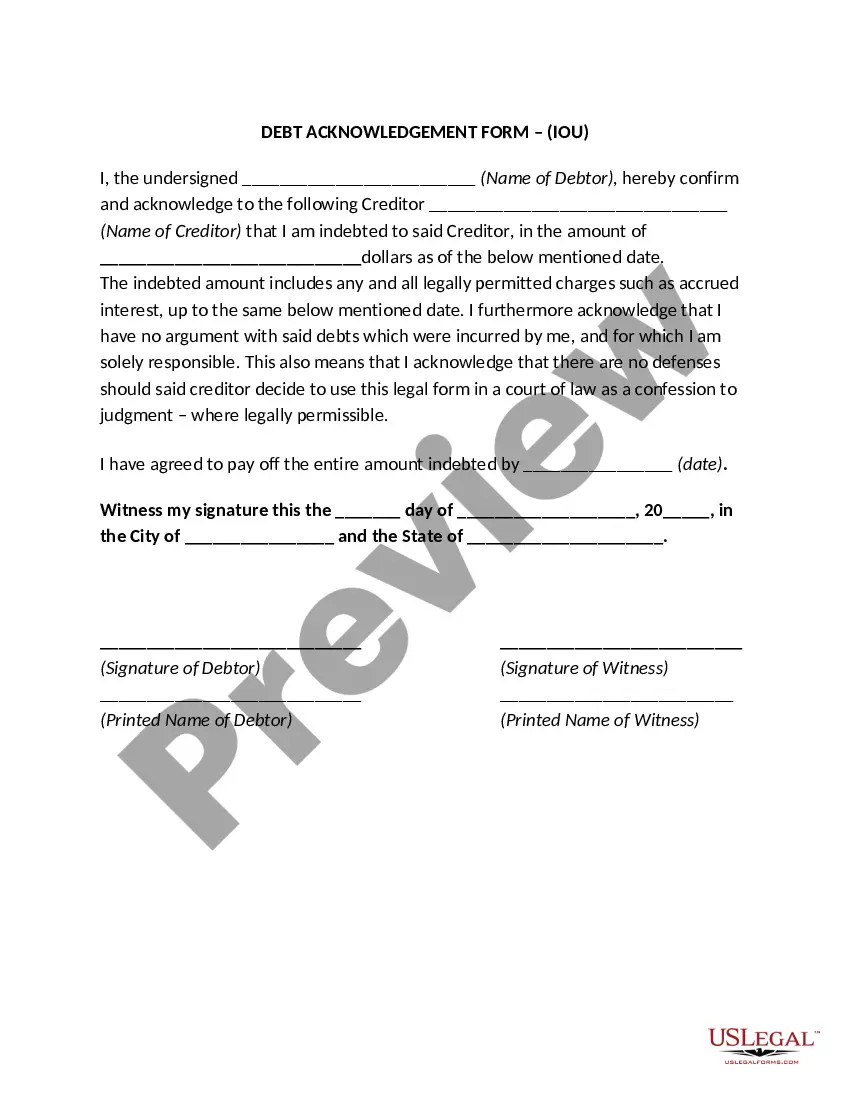
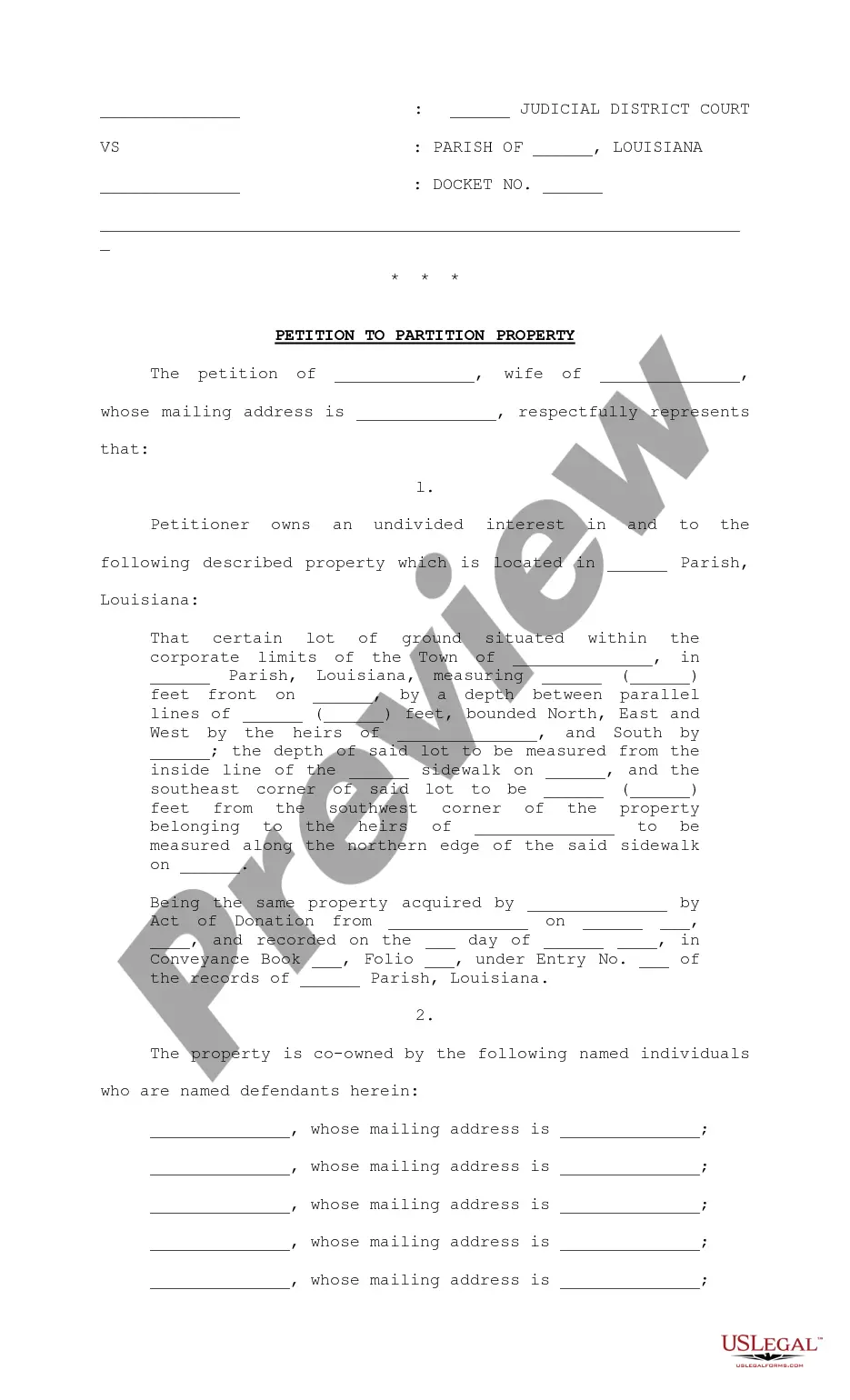

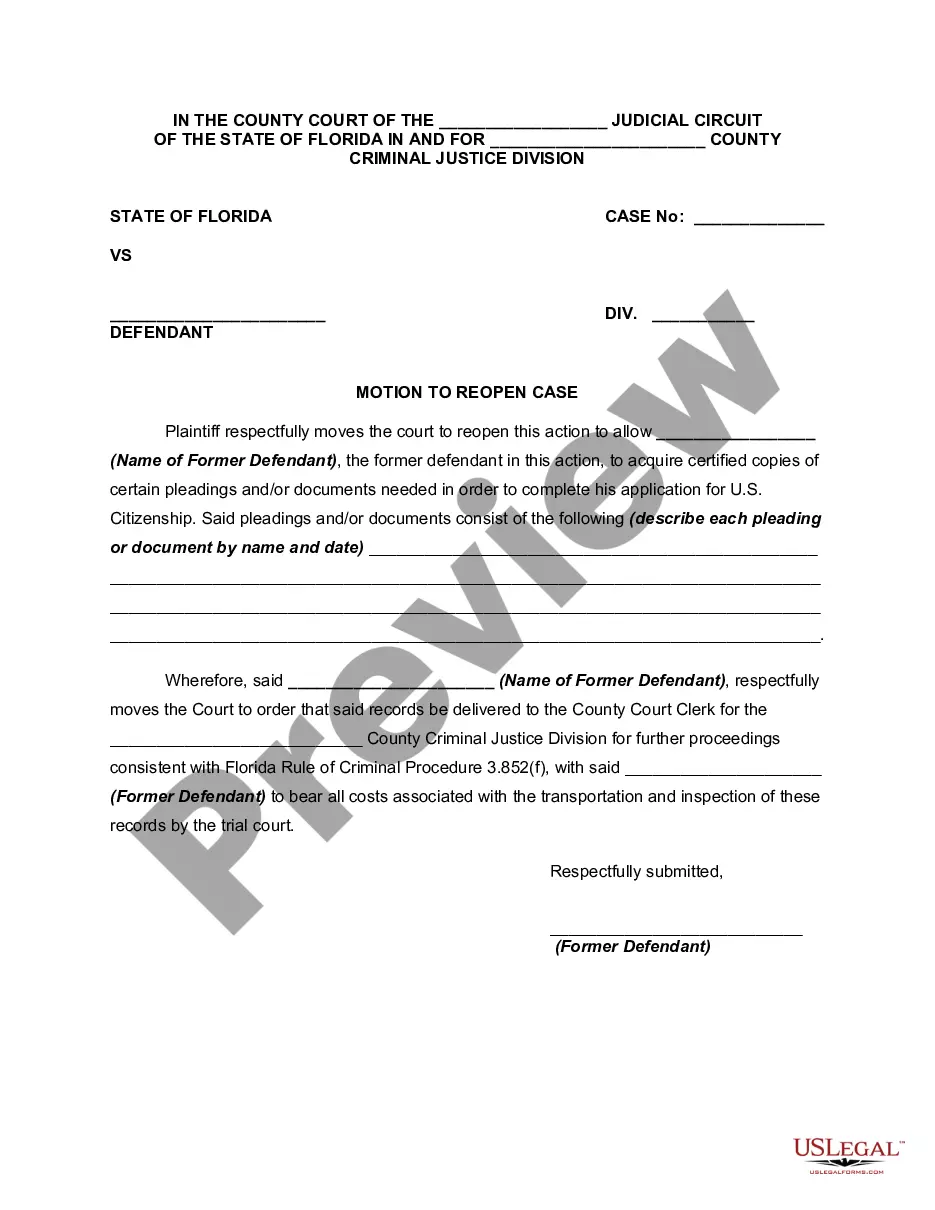

Form popularity
FAQ
Defamation of character is when someone spreads lies about you and taints your reputation. Texas law lets you seek compensation for this. If you can show that their untrue statements caused you harm, you might be able to take legal action against the individual or company responsible.
Section 119.202 - Criminal Slander or Libel, Tex. Fin. Code § 119.202 | Casetext Search + Citator.
“Slander of title” consists of a “false and malicious statement made in disparagement of a person's title to property which causes special damages.” Marrs & Smith P'ship v. D.K. Boyd Oil & Gas Co., 223 S.W. 3d 1, 20 (Tex.
To prove a successful defamation claim, the plaintiff must show the following: (1) the defendant published a false statement; (2) that defamed the plaintiff; (3) with the requisite degree of fault regarding the statement's truth; and (4) damages, unless the statement constitutes defamation per se.
If someone knowingly provides false information to law enforcement officers or makes up a crime, they can be charged with this crime. The penalties may include fines and possible imprisonment. While not a criminal offense, making false claims that harm someone's reputation can lead to civil lawsuits for defamation.
First Exception. —Imputation of truth which public good requires to be made or published. —It is not defamation to impute anything which is true concerning any person, if it be for the public good that the imputation should be made or published. Whether or not it is for the public good is a question of fact.
How to fill out the Cease And Desist Defamation Letter Template? Identify and insert the recipient's name in the designated area. Briefly describe the defamation incident in the appropriate section. Clearly state your request for them to cease all defamatory actions. Sign and date the letter at the bottom.
In the context of defamation of character Texas punishment, it's important to note that defamation is primarily considered a civil offense and not a criminal one. Hence, while it can lead to significant monetary damages if the plaintiff wins the lawsuit, it typically does not result in jail time for the defendant.
Code § 16.002. Generally, a defamation claim accrues when the defamatory statement is published or circulated. This is known as the “discovery rule.” However, the discovery rule may apply in certain cases, such as when the defamatory statement is inherently undiscoverable or not a matter of public knowledge.
A false and defamatory statement about another that is stated as fact (not opinion). Publication. An unprivileged publication or communication of the statement to a third party.

