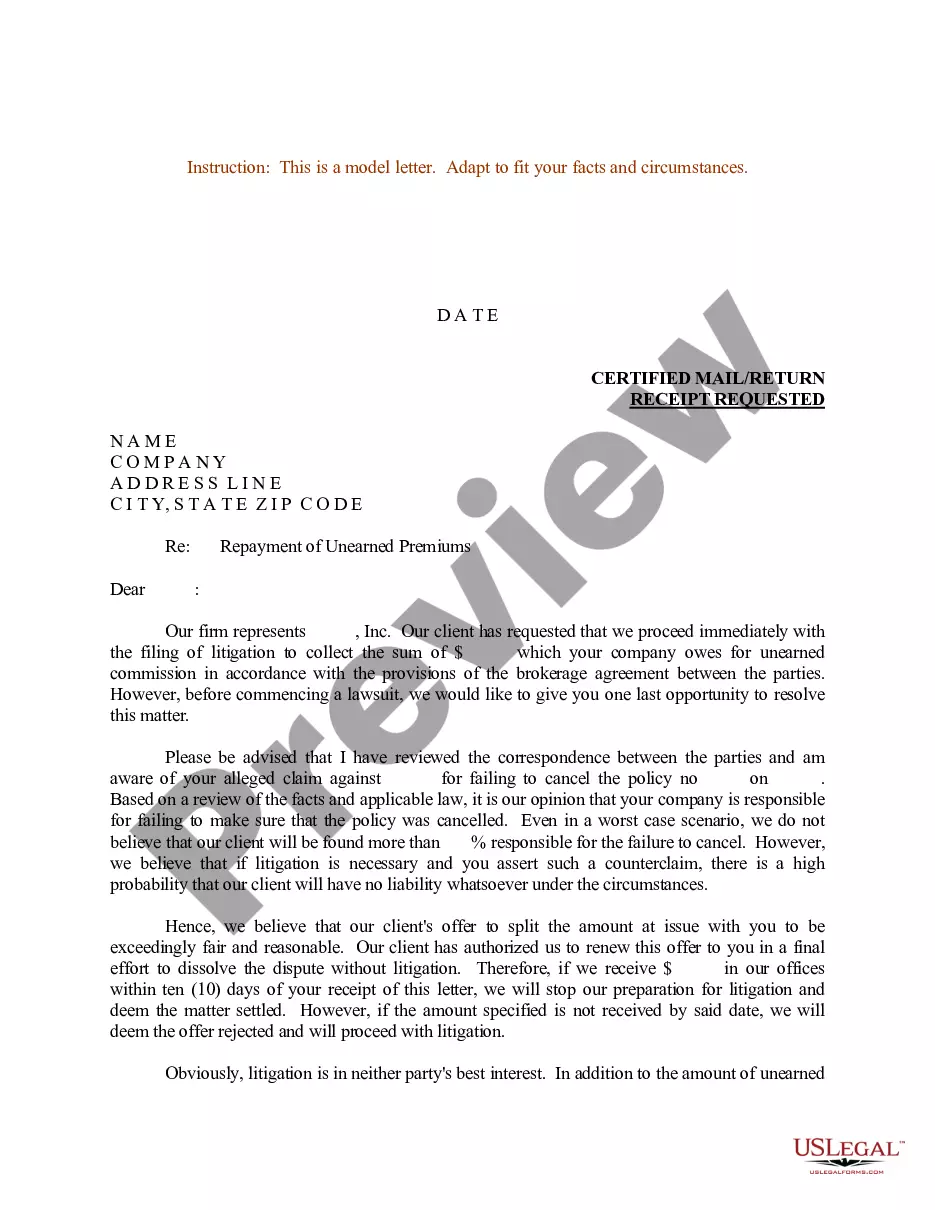
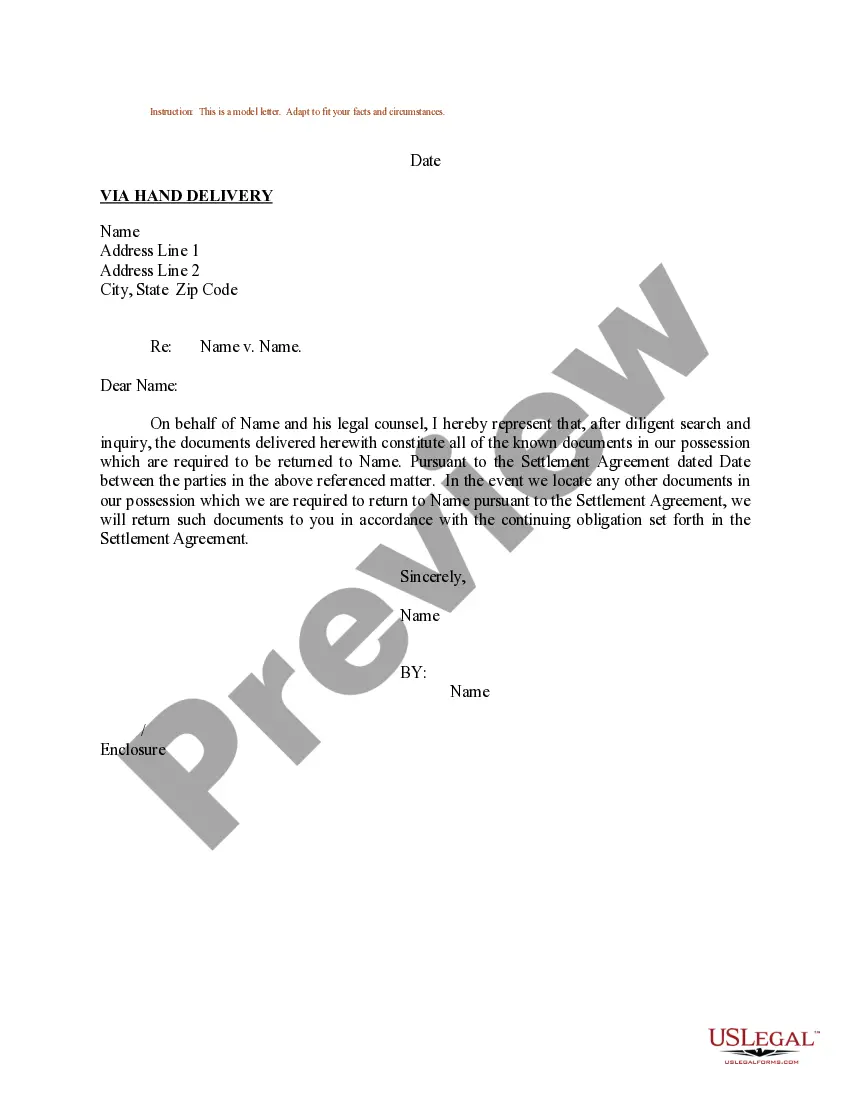
Sample Overpayment Letter To Customer For Their Support In Wayne
Description
Get your form ready online
Our built-in tools help you complete, sign, share, and store your documents in one place.
Make edits, fill in missing information, and update formatting in US Legal Forms—just like you would in MS Word.
Download a copy, print it, send it by email, or mail it via USPS—whatever works best for your next step.
Sign and collect signatures with our SignNow integration. Send to multiple recipients, set reminders, and more. Go Premium to unlock E-Sign.
If this form requires notarization, complete it online through a secure video call—no need to meet a notary in person or wait for an appointment.
We protect your documents and personal data by following strict security and privacy standards.

Make edits, fill in missing information, and update formatting in US Legal Forms—just like you would in MS Word.

Download a copy, print it, send it by email, or mail it via USPS—whatever works best for your next step.

Sign and collect signatures with our SignNow integration. Send to multiple recipients, set reminders, and more. Go Premium to unlock E-Sign.

If this form requires notarization, complete it online through a secure video call—no need to meet a notary in person or wait for an appointment.

We protect your documents and personal data by following strict security and privacy standards.
Looking for another form?









Form popularity
FAQ
1. Confirm the overpayment with Accounting/Risk management/Operations, before proceeding with any negotation. 2. Offer to credit the overpay to their next bill, once confirmed and while determining whether “overpay” is an acceptable refund policy....
Be Polite But Clear Give a specific reason why you're declining the request. You may use apologetic language, such as "unfortunately," "regretfully," or "we are sorry we can't provide a refund on this occasion." However, your position should be clear and firm. Show that you've truly considered the request.
I have attached a copy of my receipt and any relevant correspondence for your reference. I kindly request a refund of the total amount of (amount) to be processed back to my original payment method. Thank you for your attention to this matter. I look forward to your prompt response.
How Should You Structure Your Refund Letter To Your Customer? Salutation/Greeting. Address the customer politely and personally, if possible. Acknowledgment and Apology. Refund Details and Refund Details (if applicable) ... The Action(s) You've Taken. Offer of Further Assistance. Thank Them. Closing and Signature.
Be firm and courteous Start by acknowledging the refund request and your steps in determining if it was valid. Then explain your decision to deny the refund. Use active language like, "I looked into your situation and our refund policy does not allow one in this case."
Select + New. Select Receive payment. Select the Customer, then the credit and the invoice. Select another pending invoice and enter the overpayment amount in the Amount received. Select Save and new or Save and close.
Customer overpayment and want to retain as credit Click +New and select Journal entry. On the first line, debit the Accounts receivable. Put the amount on the debit column on the first line. On the next line, credit the liability account. In journal entries, the total of the Debit and Credit columns must be equal.
Let them know as soon as possible and immediately offer a way to resolve the overpayment, either as crediting their next invoice or issuing a credit.

