Agreement Confidentiality Between With It Company In Massachusetts
Description
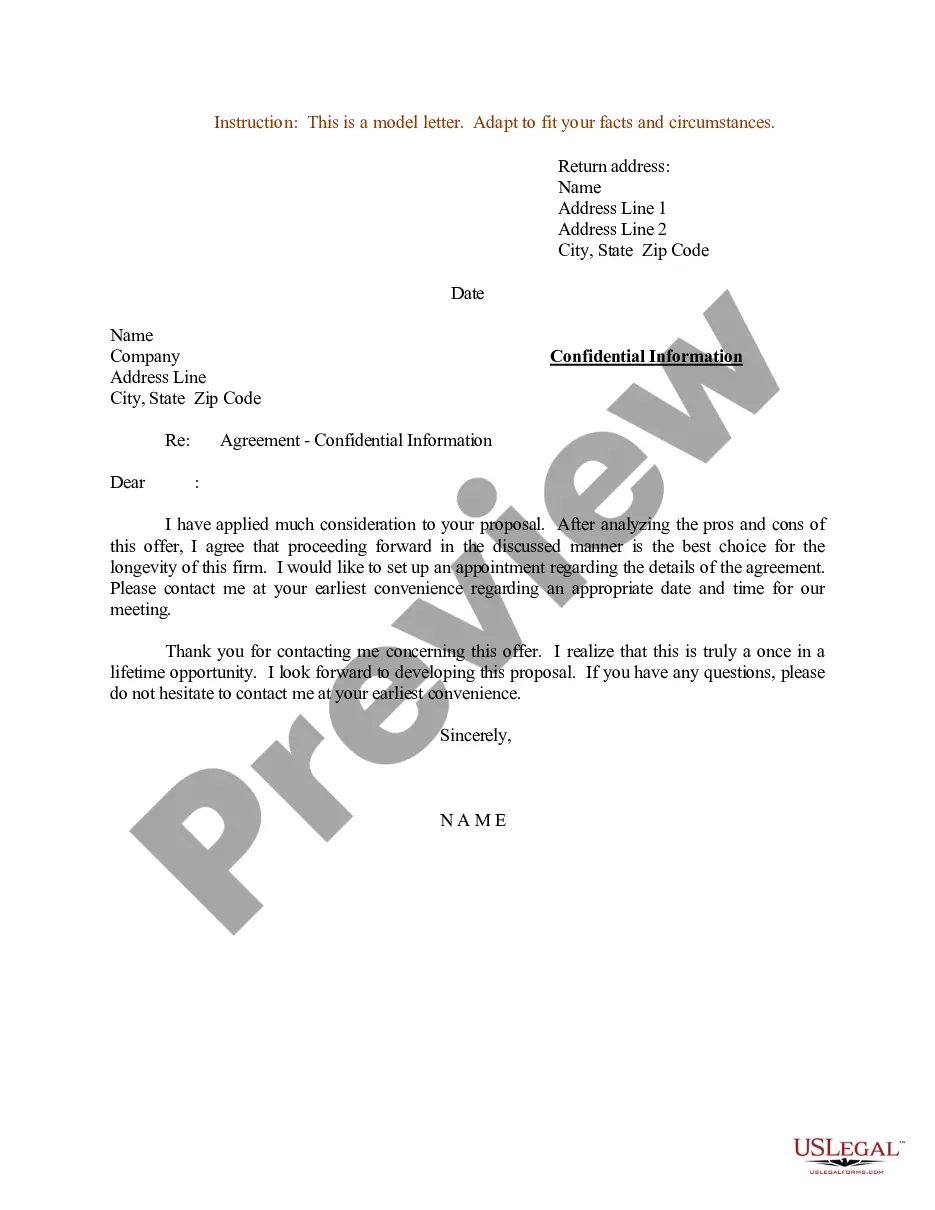

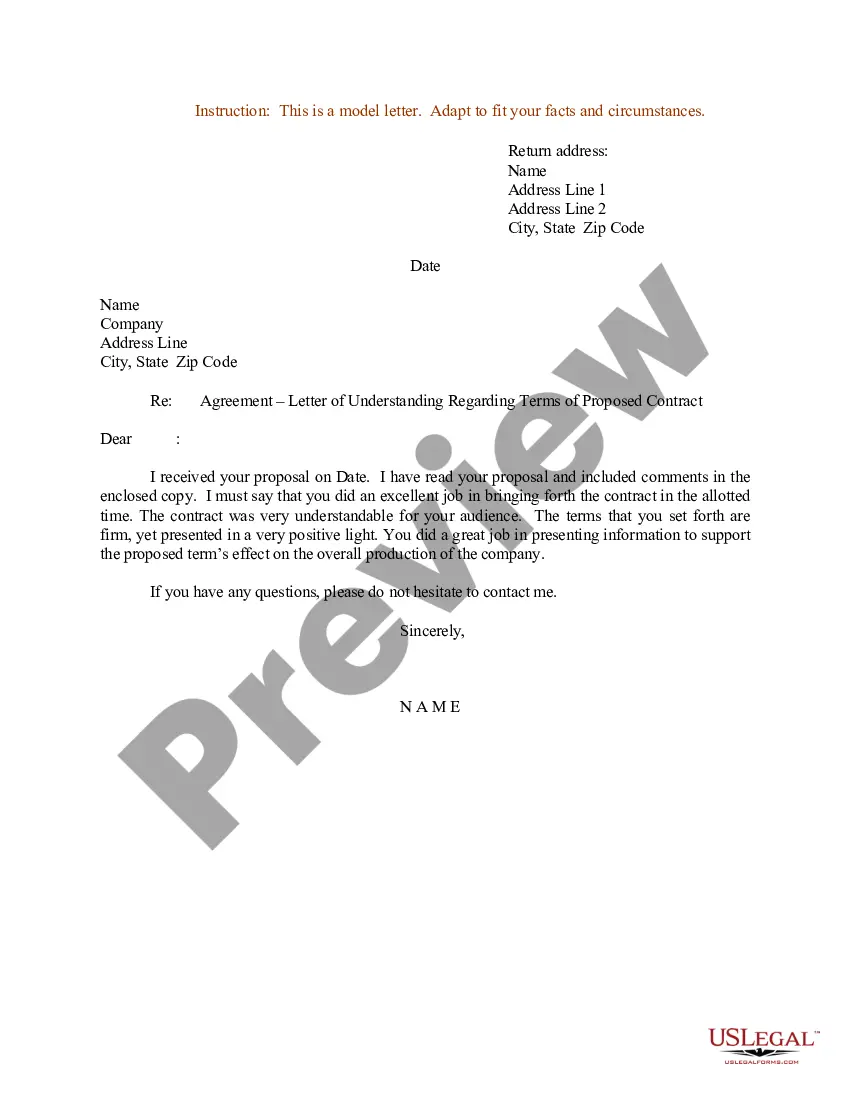
Get your form ready online
Our built-in tools help you complete, sign, share, and store your documents in one place.
Make edits, fill in missing information, and update formatting in US Legal Forms—just like you would in MS Word.
Download a copy, print it, send it by email, or mail it via USPS—whatever works best for your next step.
Sign and collect signatures with our SignNow integration. Send to multiple recipients, set reminders, and more. Go Premium to unlock E-Sign.
If this form requires notarization, complete it online through a secure video call—no need to meet a notary in person or wait for an appointment.
We protect your documents and personal data by following strict security and privacy standards.

Make edits, fill in missing information, and update formatting in US Legal Forms—just like you would in MS Word.

Download a copy, print it, send it by email, or mail it via USPS—whatever works best for your next step.

Sign and collect signatures with our SignNow integration. Send to multiple recipients, set reminders, and more. Go Premium to unlock E-Sign.

If this form requires notarization, complete it online through a secure video call—no need to meet a notary in person or wait for an appointment.

We protect your documents and personal data by following strict security and privacy standards.
Looking for another form?
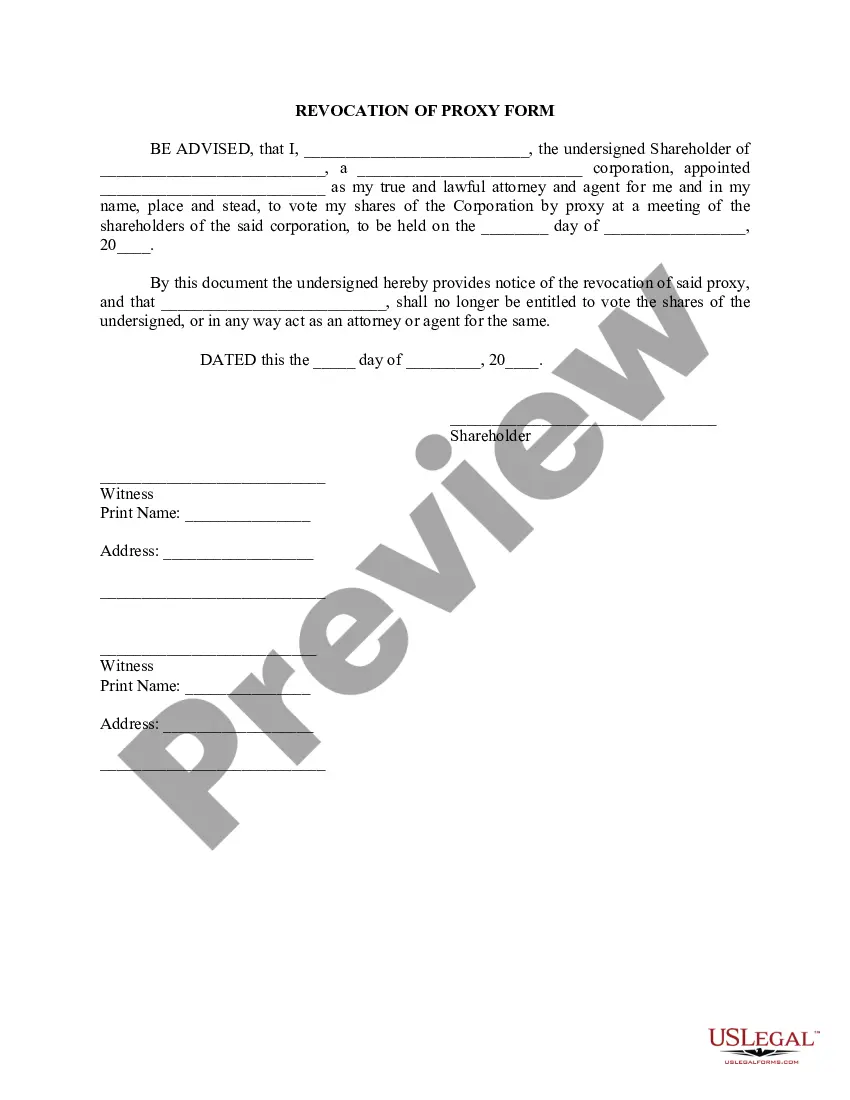
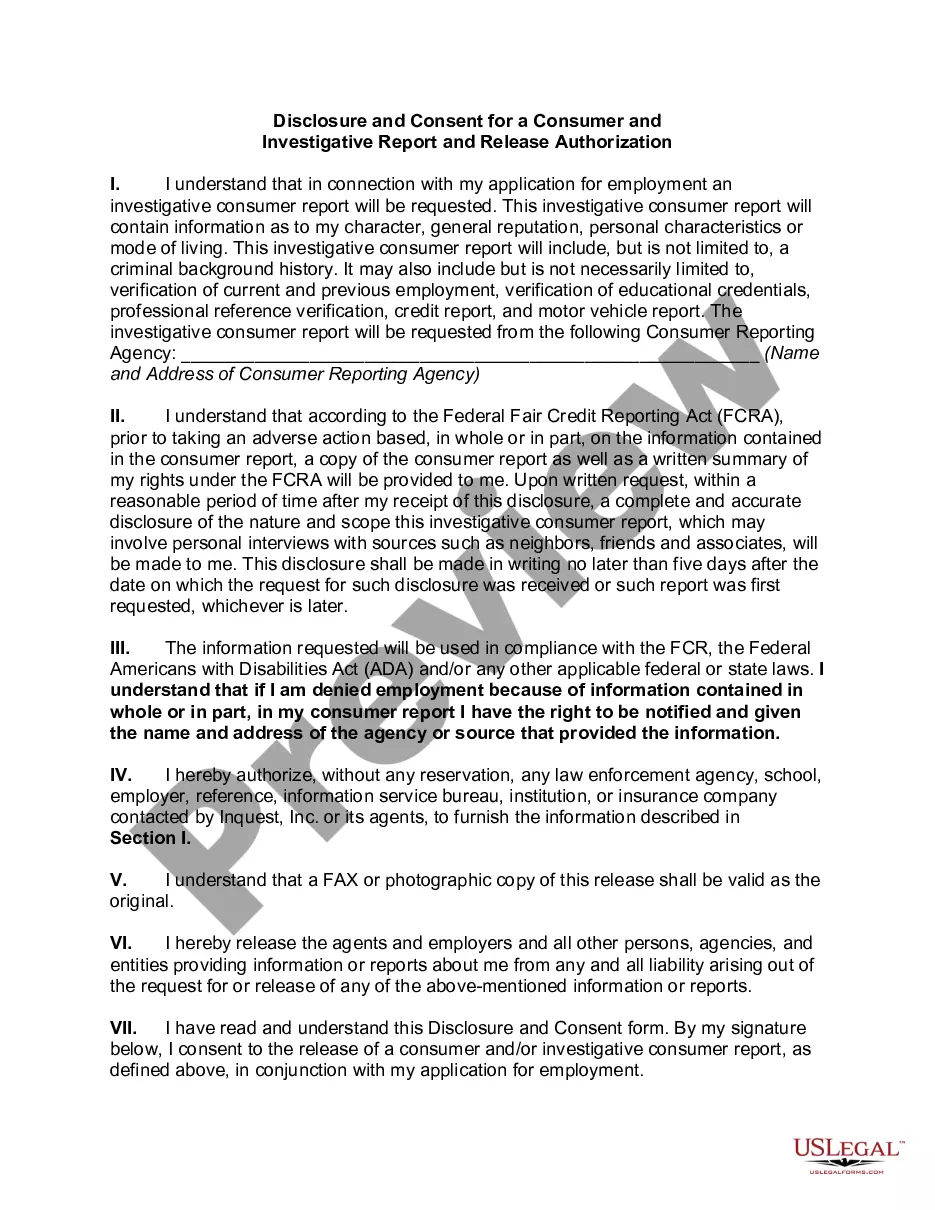







Form popularity
FAQ
An employee confidentiality agreement, or non-disclosure agreement or an “NDA,” makes it crystal clear to an employee that he or she cannot under any circumstance, with the exception of prior written approval, disclose company secrets.
NDAs are enforceable when they are signed — if they are properly drafted and executed. NDAs are enforceable once signed, provided they have been drafted and executed properly. Unilateral NDAs need only the signature of the receiving party, whereas mutual non-disclosure agreements need the signatures of both parties.
Massachusetts Law on Non-Disclosure Agreements: In the Massachusetts statute on taking trade secrets, there is a prohibition on taking qualifying information through such acts as embezzlement, stealing, fraud, copying, and other misconduct.
An NDA acknowledges a confidential relationship between two or more parties and protects the information they share from disclosure to outsiders. The NDA is common before discussions between businesses about potential joint ventures.
NDAs are enforceable when they are signed — if they are properly drafted and executed. NDAs are enforceable once signed, provided they have been drafted and executed properly. Unilateral NDAs need only the signature of the receiving party, whereas mutual non-disclosure agreements need the signatures of both parties.
All confidential information provided by a party hereto shall be used by any other party hereto solely for the purpose of rendering or obtaining services pursuant to this Agreement and, except as may be required in carrying out this Agreement, shall not be disclosed to any third party without the prior consent of such ...
I agree that I owe the Company and such third parties, during the term of my employment and thereafter, a duty to hold all such confidential or proprietary information in the strictest confidence and not to disclose it to any person, firm or corporation (except as necessary in carrying out my work for the Company ...
compete agreement is a contractual promise that prohibits one of the contracting parties, typically an employee, from engaging in conduct that would compete with the other contracting party, typically an employer. These agreements are generally banned in Massachusetts unless they meet certain strict requirements.
NDAs are enforceable once signed, provided they have been drafted and executed properly. Unilateral NDAs need only the signature of the receiving party, whereas mutual non-disclosure agreements need the signatures of both parties.

