Fake Documents For Job In Harris
Description

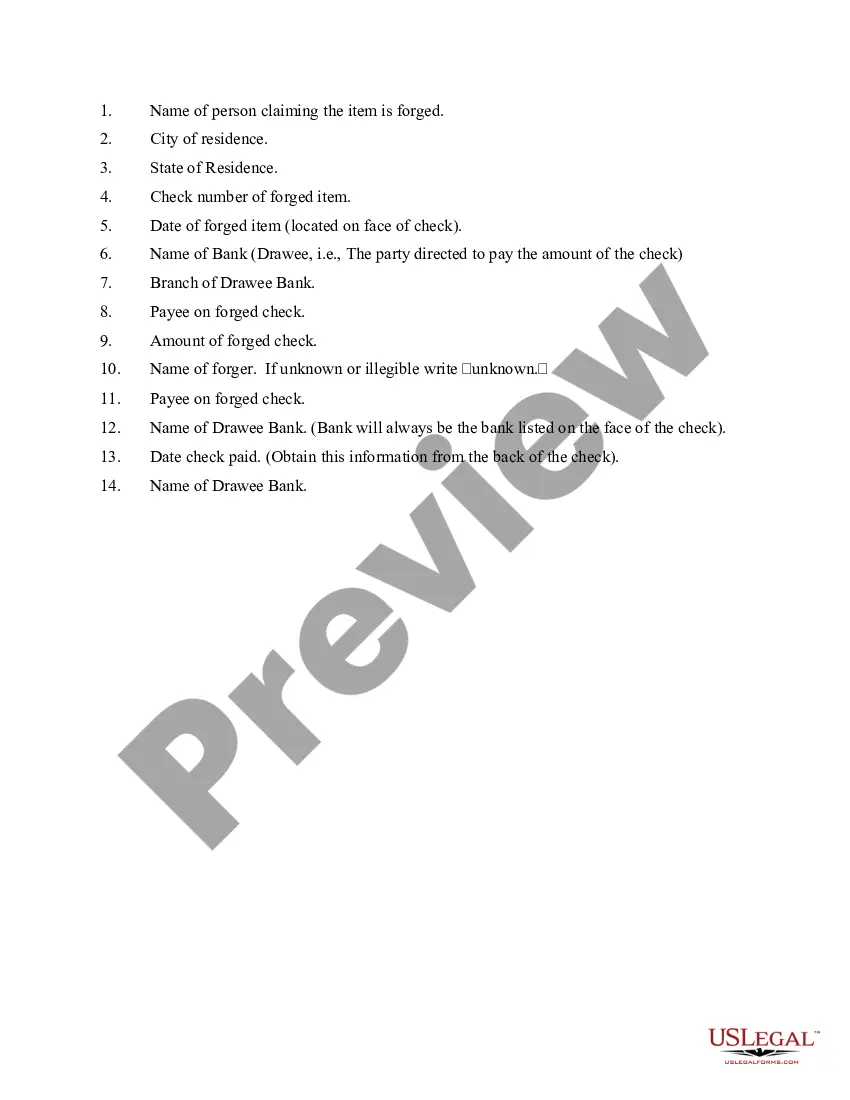
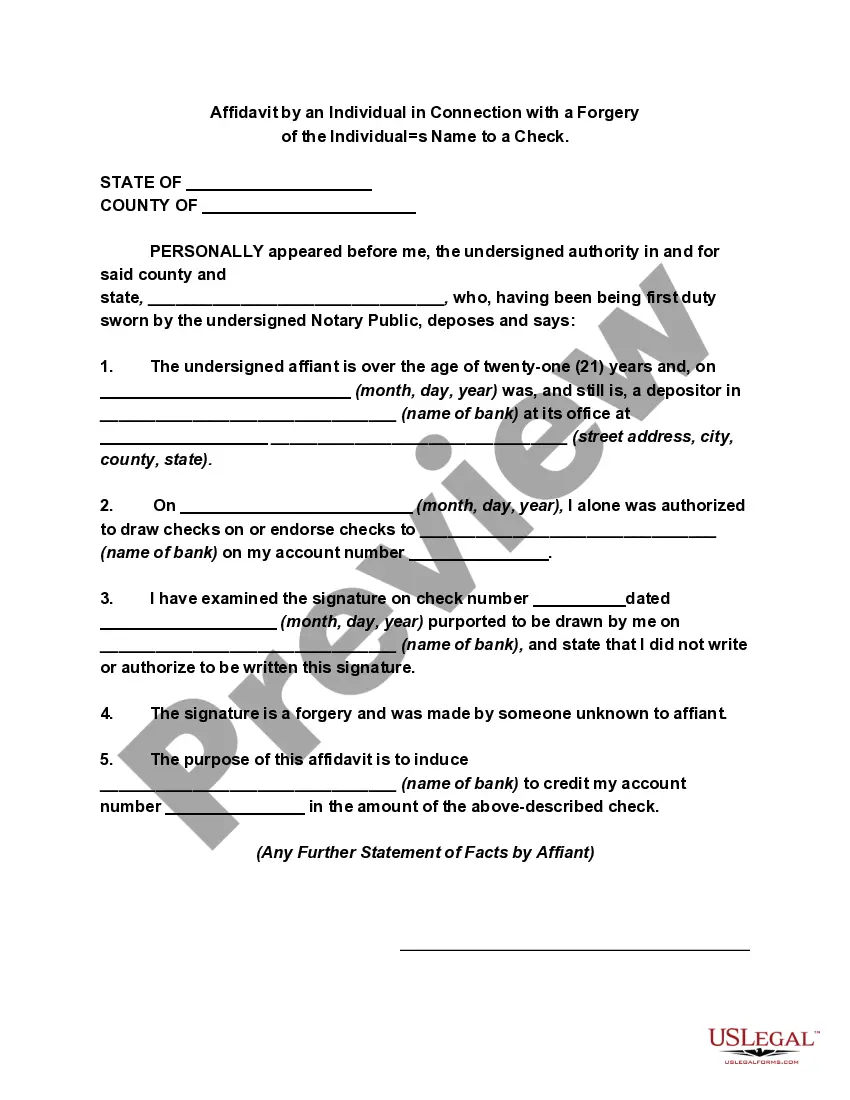
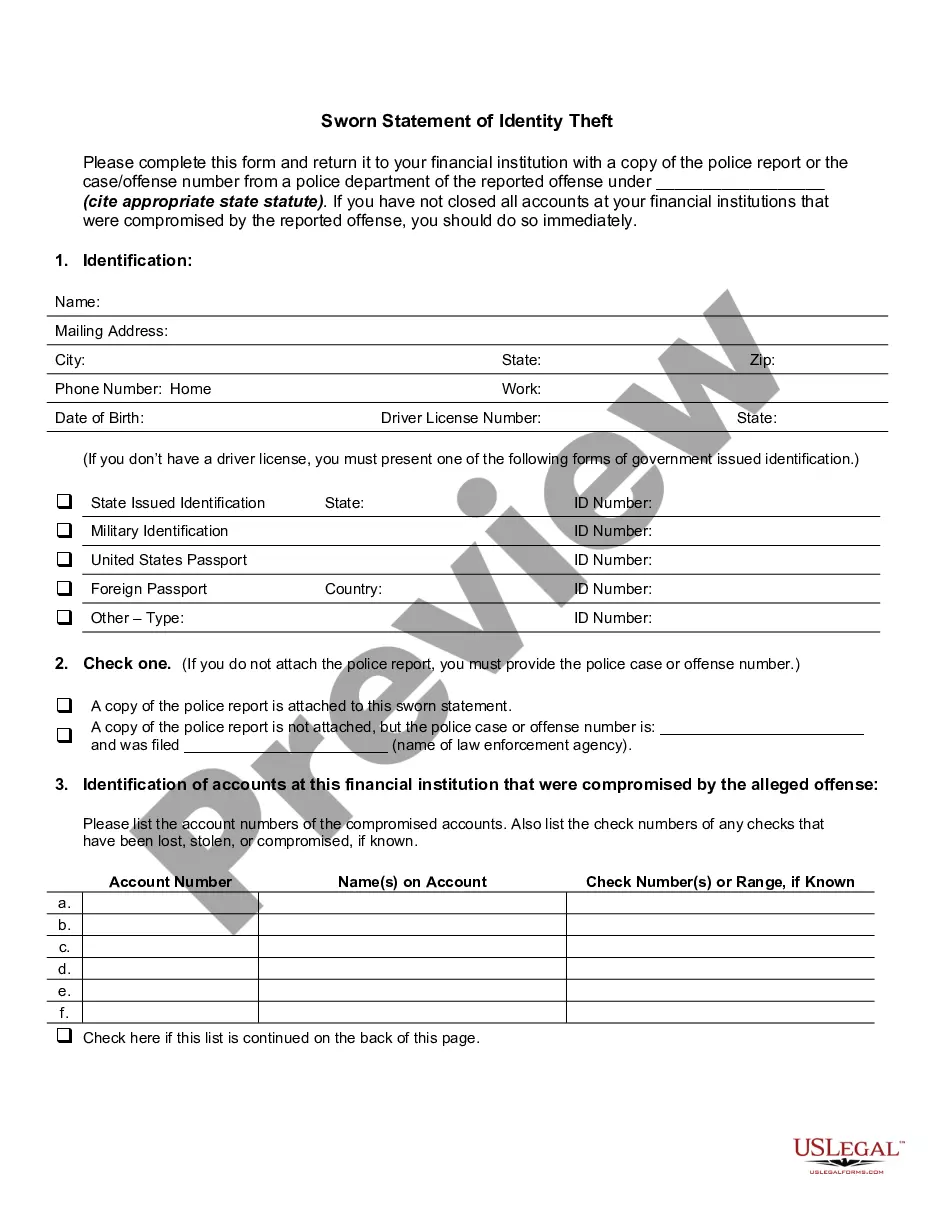
Get your form ready online
Our built-in tools help you complete, sign, share, and store your documents in one place.
Make edits, fill in missing information, and update formatting in US Legal Forms—just like you would in MS Word.
Download a copy, print it, send it by email, or mail it via USPS—whatever works best for your next step.
Sign and collect signatures with our SignNow integration. Send to multiple recipients, set reminders, and more. Go Premium to unlock E-Sign.
If this form requires notarization, complete it online through a secure video call—no need to meet a notary in person or wait for an appointment.
We protect your documents and personal data by following strict security and privacy standards.

Make edits, fill in missing information, and update formatting in US Legal Forms—just like you would in MS Word.

Download a copy, print it, send it by email, or mail it via USPS—whatever works best for your next step.

Sign and collect signatures with our SignNow integration. Send to multiple recipients, set reminders, and more. Go Premium to unlock E-Sign.

If this form requires notarization, complete it online through a secure video call—no need to meet a notary in person or wait for an appointment.

We protect your documents and personal data by following strict security and privacy standards.
Looking for another form?





Form popularity
FAQ
Forgery can refer to a completely fabricated document or a document that has been altered to show fraudulent information. Forging or counterfeiting a document is a criminal offense, as is knowingly using or possessing a forged or counterfeit document.
If the offender is a public officer, employee or notary or ecclesiastic minister, the penalty is prision mayor or imprisonment ranging from six (6) years and 1 day to twelve (12) years.
Falsifying a document means to make a document appear to be genuine. This may occur when a document is altered to appear as if it was authorised, signed or created by someone who did not actually authorise, sign or create it.
Forgery is a criminal offense. Generally, forgery charges are charged at the state level, but they can be charged as federal crimes in certain circumstances. The details of your case determine whether the case will be tried in state or federal court and the applicable laws.
Penal Code § 115 PC makes it a crime knowingly to file, register, or record a false or forged document in any public office within the state. Doing so is a felony punishable by up to three years in jail or prison. The language of the statute reads that: 115.
False documentation is the process of creating documents which record fictitious events. The documents can then be used to "prove" that the fictional events happened.
Businesses wondering how to detect fraudulent documents should look for telltales indicative of ID card fraud, such as missing numbers on bank statements or checks, incorrect spellings, grammatical errors, misplaced elements in a document, variations in logos, and so forth.
If possible, contact the source and ask them how they obtained the document, when and where it was created, and who else has access to it. You can also cross-check the source's identity and background with other sources, such as social media profiles, official records, or previous publications.
There are two ways businesses can detect fraudulent documents: manual verification and automated fraud detection solutions. Some of the obvious signs fraud analysts can look for in tampered documents are: Missing or altered numbers. Data entry errors such as spelling mistakes, incorrect dates.
VerifyPDF allows you to: Catch undetectable fraud. Detect modifications made with PDF editors or crafty Microsoft Word templates that look like the real thing. We show exactly what has been changed and what software was used.
