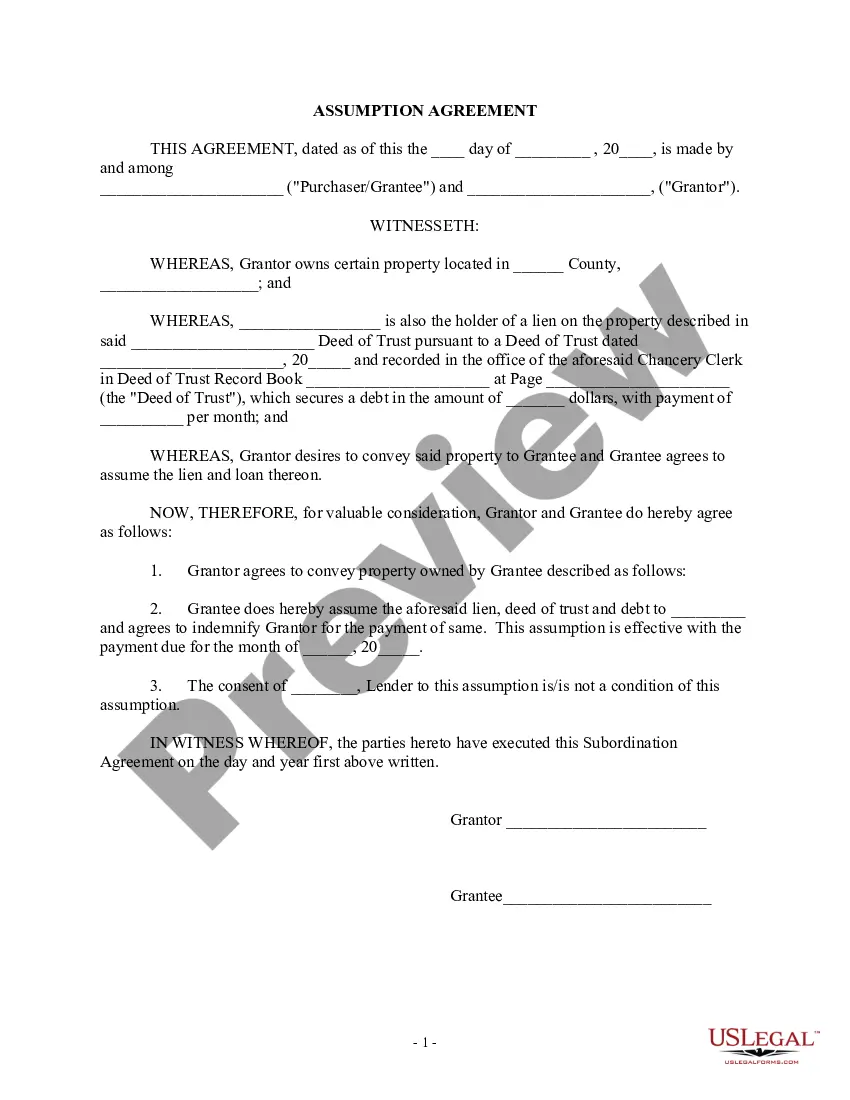
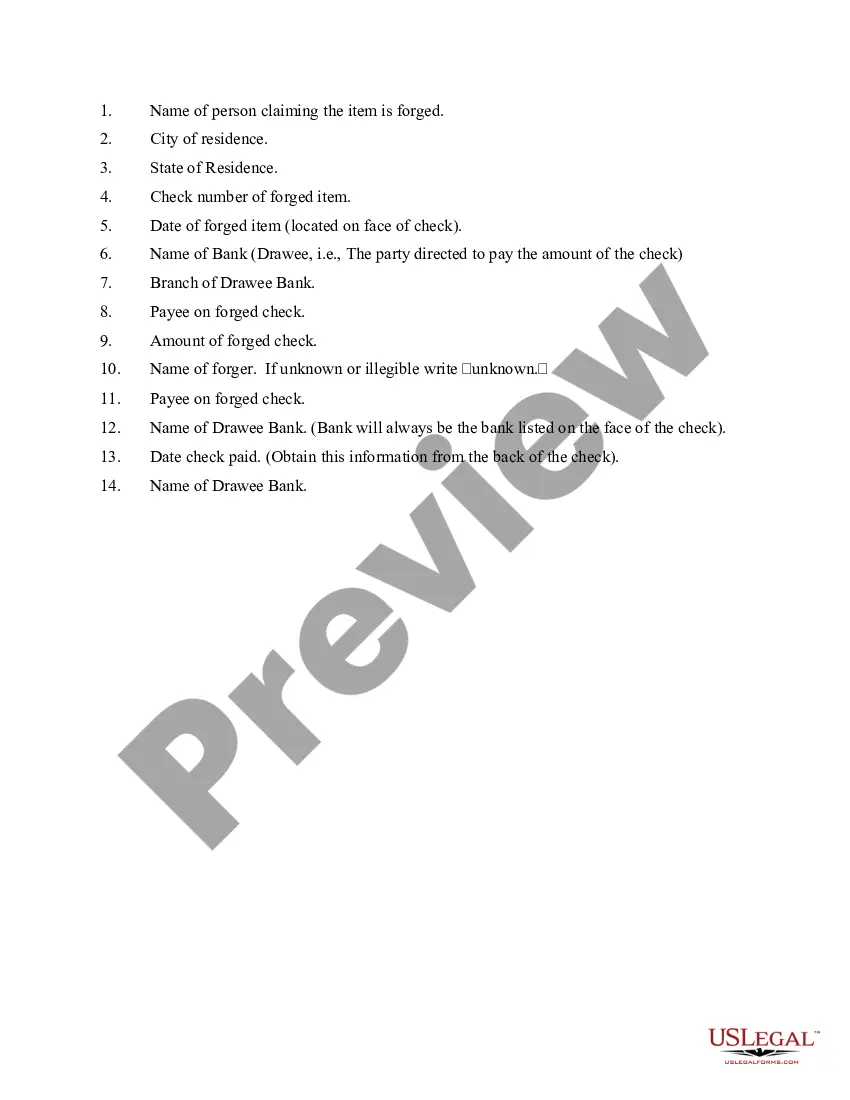
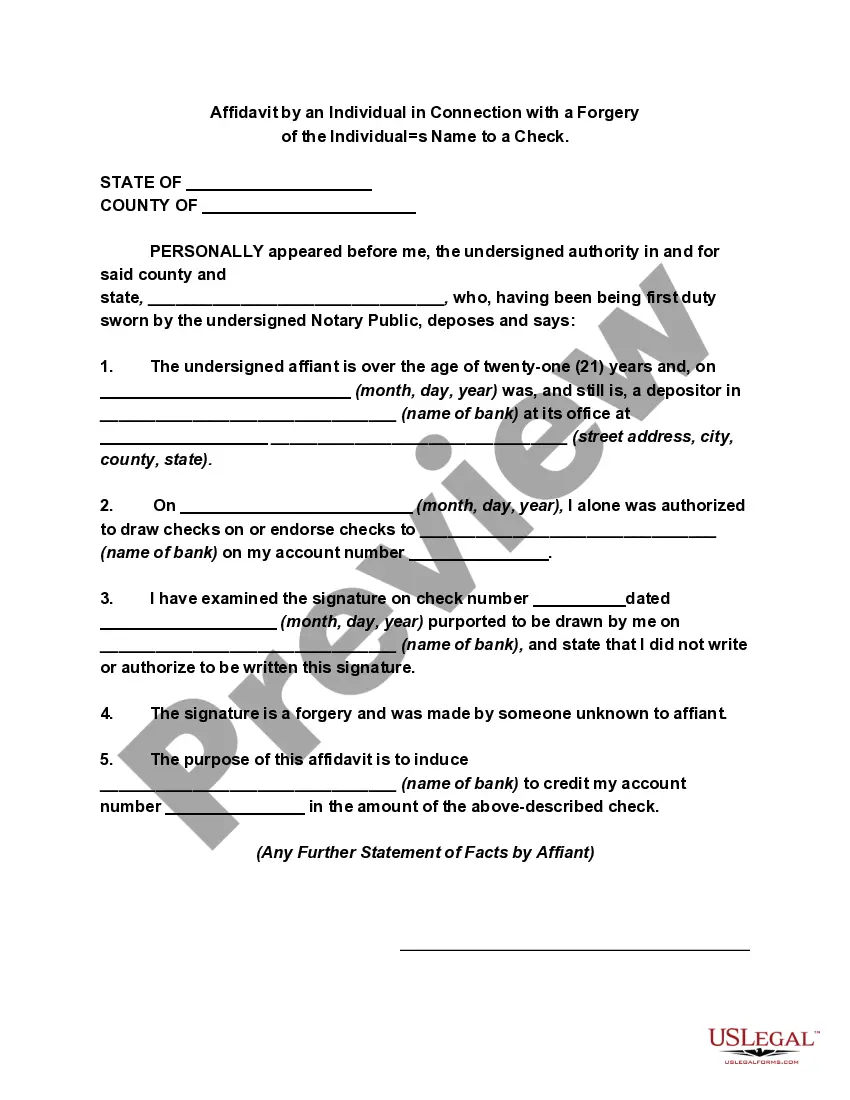
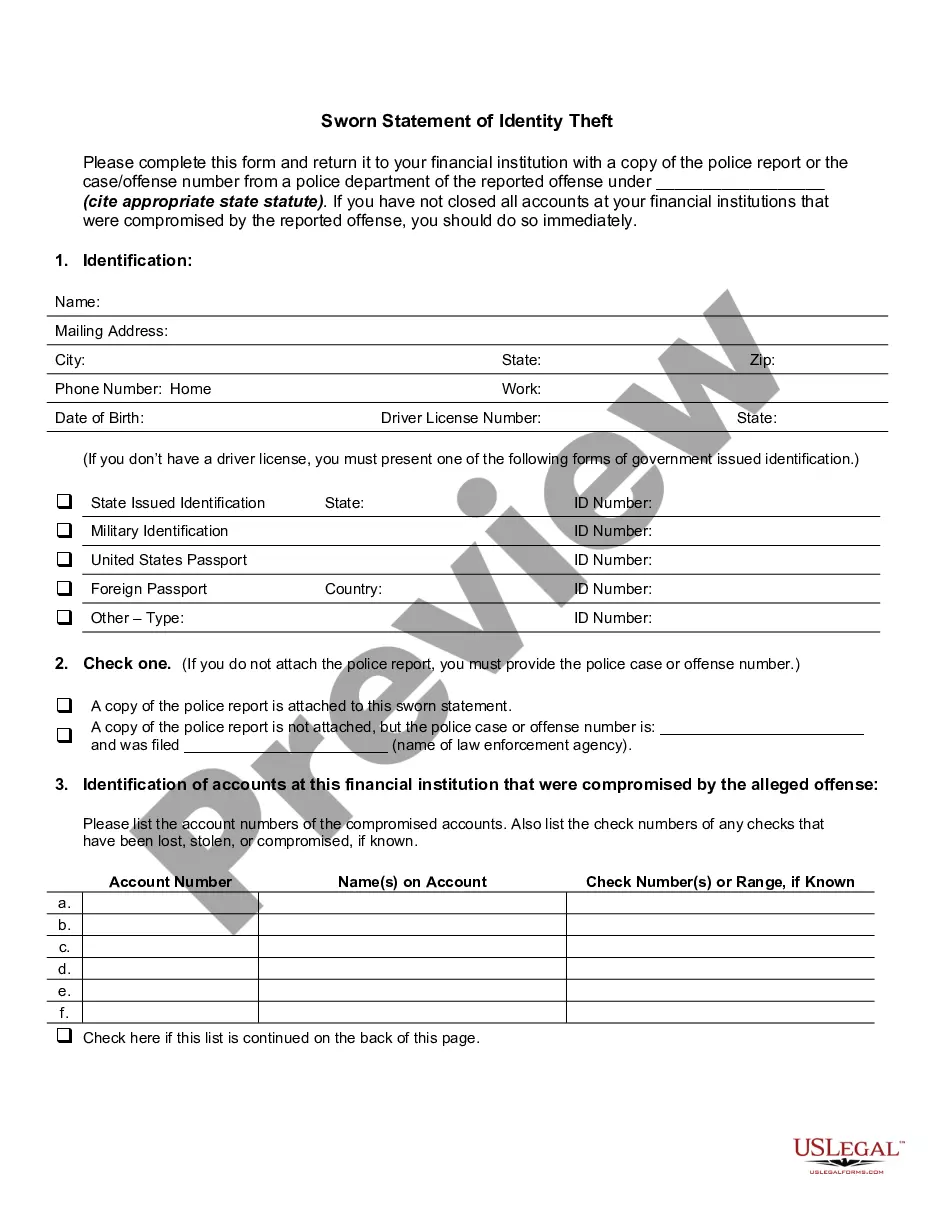
Forgery Forged Instrument In Florida
Description

Get your form ready online
Our built-in tools help you complete, sign, share, and store your documents in one place.
Make edits, fill in missing information, and update formatting in US Legal Forms—just like you would in MS Word.
Download a copy, print it, send it by email, or mail it via USPS—whatever works best for your next step.
Sign and collect signatures with our SignNow integration. Send to multiple recipients, set reminders, and more. Go Premium to unlock E-Sign.
If this form requires notarization, complete it online through a secure video call—no need to meet a notary in person or wait for an appointment.
We protect your documents and personal data by following strict security and privacy standards.

Make edits, fill in missing information, and update formatting in US Legal Forms—just like you would in MS Word.

Download a copy, print it, send it by email, or mail it via USPS—whatever works best for your next step.

Sign and collect signatures with our SignNow integration. Send to multiple recipients, set reminders, and more. Go Premium to unlock E-Sign.

If this form requires notarization, complete it online through a secure video call—no need to meet a notary in person or wait for an appointment.

We protect your documents and personal data by following strict security and privacy standards.
Looking for another form?








Form popularity
FAQ
What are the potential penalties? The state of Florida carries harsh penalties for forgery as this criminal offense is classified as a third-degree felony. Third-degree felonies are usually punishable by up to five years of jail time and fines of up to $5,000.
831.29 Making or having instruments and material for counterfeiting driver licenses or identification cards.
—Whoever utters and publishes as true a false, forged or altered record, deed, instrument or other writing mentioned in s. 831.01 knowing the same to be false, altered, forged or counterfeited, with intent to injure or defraud any person, shall be guilty of a felony of the third degree, punishable as provided in s.
The Penalties for Forging a Will in Florida Any person who falsifies a document with the intent to injure or defraud another person could be charged with and convicted of a third-degree felony, punishable by up to 5 years in prison and a fine of up to $5,000.
The crime of Forgery is a Third Degree Felony in Florida and is punishable by up to five (5) years in prison, five (5) years of probation, and a $5,000 fine. Forgery is assigned a Level 1 offense severity ranking under Florida's Criminal Punishment Code.
Forgery is a Third Degree Felony in Florida. Under Florida Statute 831.01, the crime of Forgery is committed when a person falsifies, alters, counterfeits, or forges a document that carries “legal efficacy” with the intent to injure or defraud another person or entity.
If a valid will exists but was not filed with the state of Florida, the decedent's assets and property cannot be transferred to beneficiaries. In Florida and most other places around the country, certain administrative requirements exist for assets to be distributed after a person dies.
Considering that many circumstances which would leave someone facing charges of uttering a forged instrument seem minor, the penalties are severe. In Florida, this offenses is classified as a third degree felony and is punishable by: Up to five (5) years in prison. Up to five (5) years of supervised probation.
A Will can be deemed invalid under certain circumstances, mainly if it was created under conditions of fraud, duress, or undue influence. However, if mistakes occur during the drafting or execution process of a Will, these errors may not necessarily invalidate the entire document.