Compensation Agreement For
Description

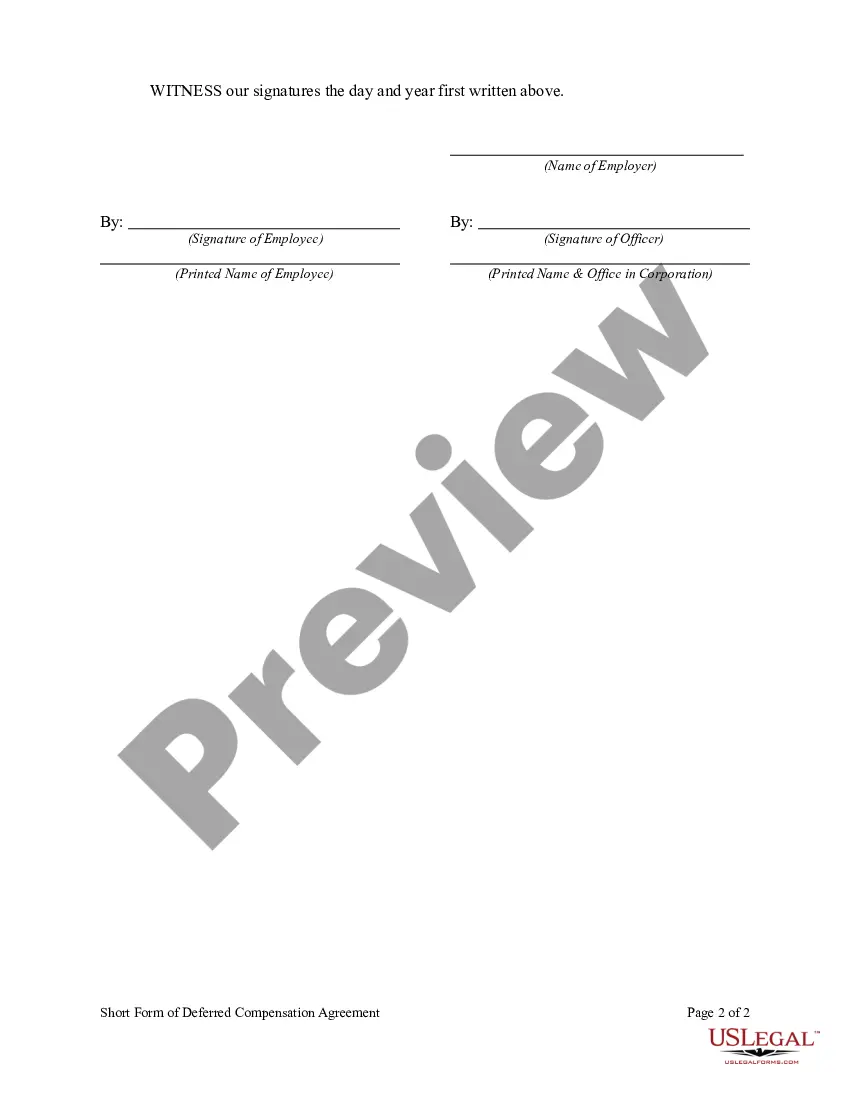

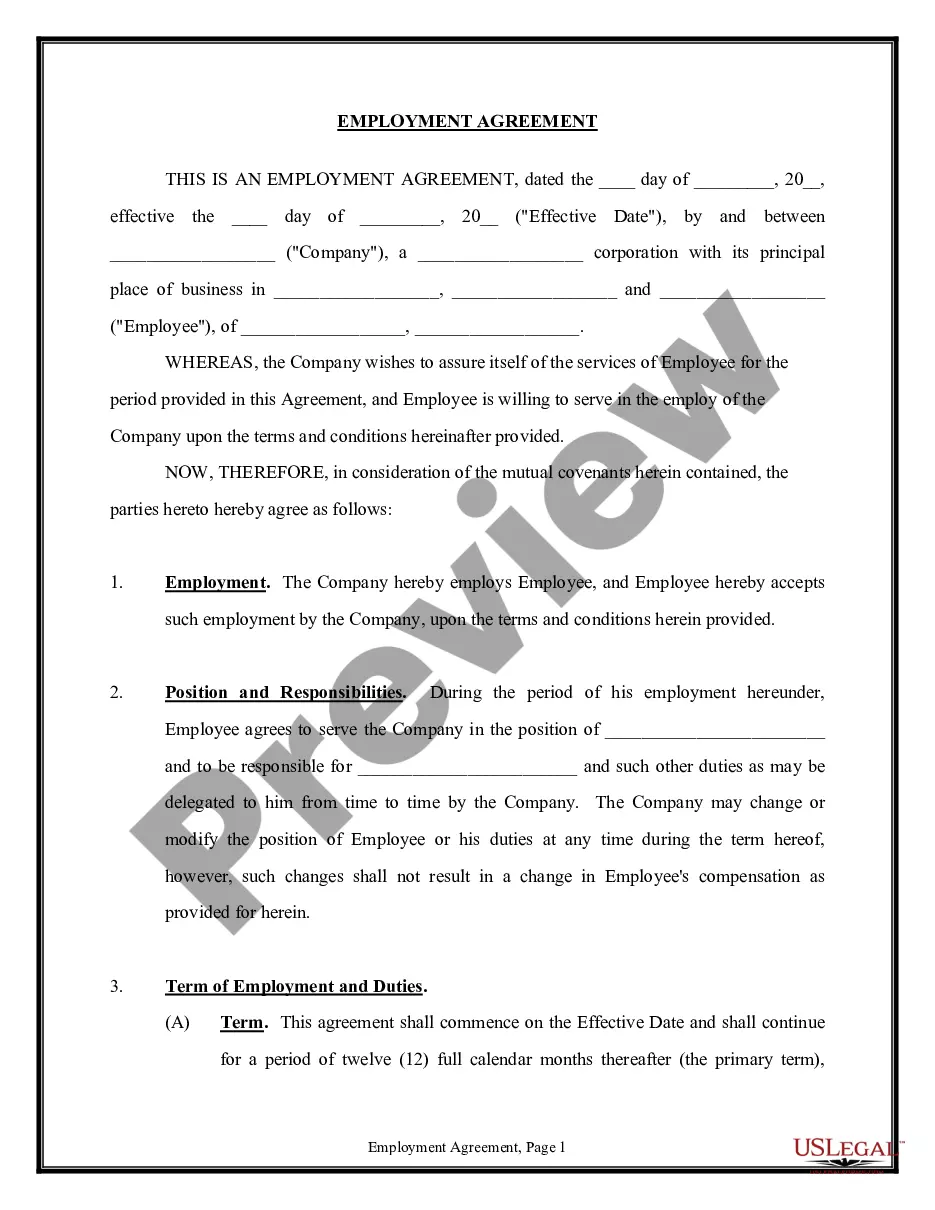
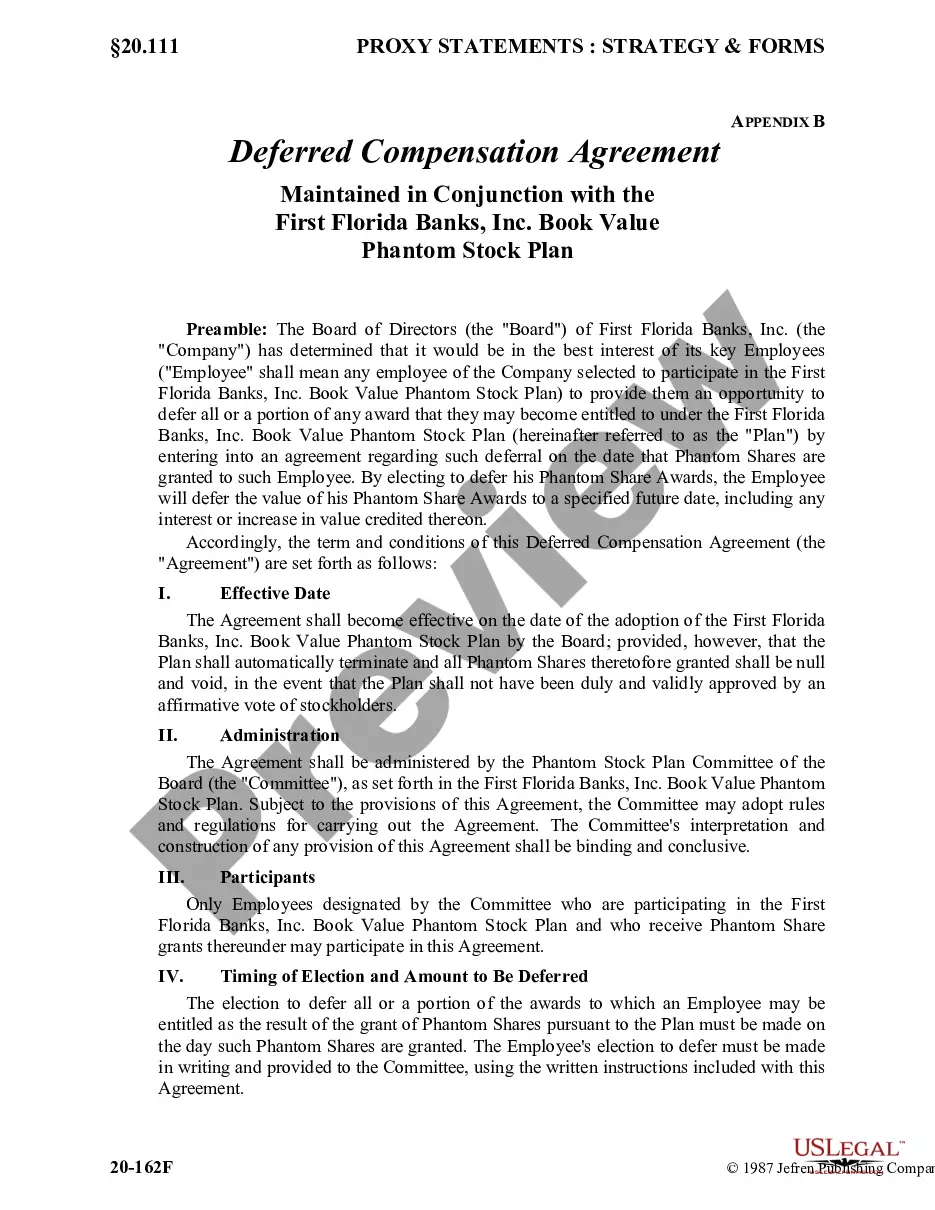
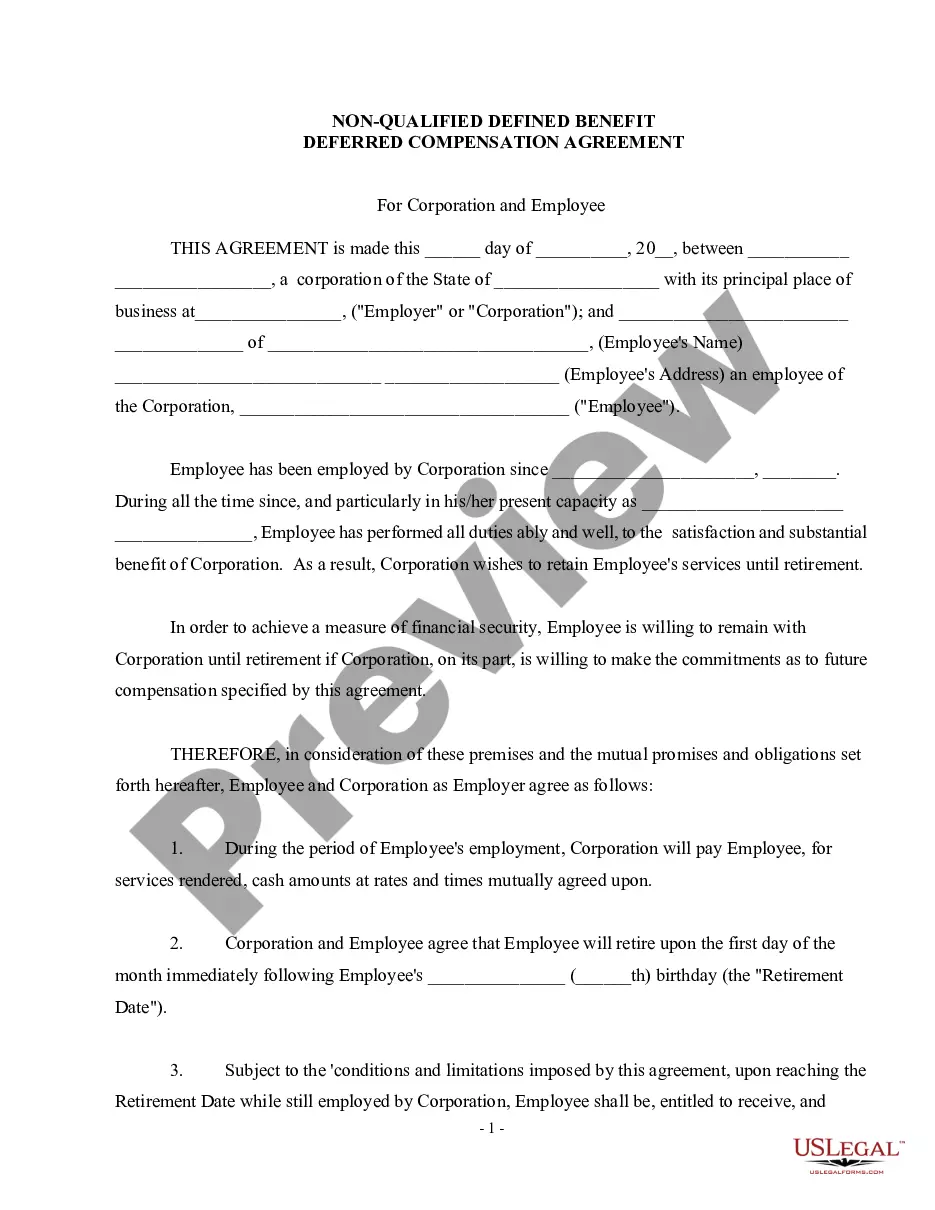
Get your form ready online
Our built-in tools help you complete, sign, share, and store your documents in one place.
Make edits, fill in missing information, and update formatting in US Legal Forms—just like you would in MS Word.
Download a copy, print it, send it by email, or mail it via USPS—whatever works best for your next step.
Sign and collect signatures with our SignNow integration. Send to multiple recipients, set reminders, and more. Go Premium to unlock E-Sign.
If this form requires notarization, complete it online through a secure video call—no need to meet a notary in person or wait for an appointment.
We protect your documents and personal data by following strict security and privacy standards.

Make edits, fill in missing information, and update formatting in US Legal Forms—just like you would in MS Word.

Download a copy, print it, send it by email, or mail it via USPS—whatever works best for your next step.

Sign and collect signatures with our SignNow integration. Send to multiple recipients, set reminders, and more. Go Premium to unlock E-Sign.

If this form requires notarization, complete it online through a secure video call—no need to meet a notary in person or wait for an appointment.

We protect your documents and personal data by following strict security and privacy standards.
Looking for another form?

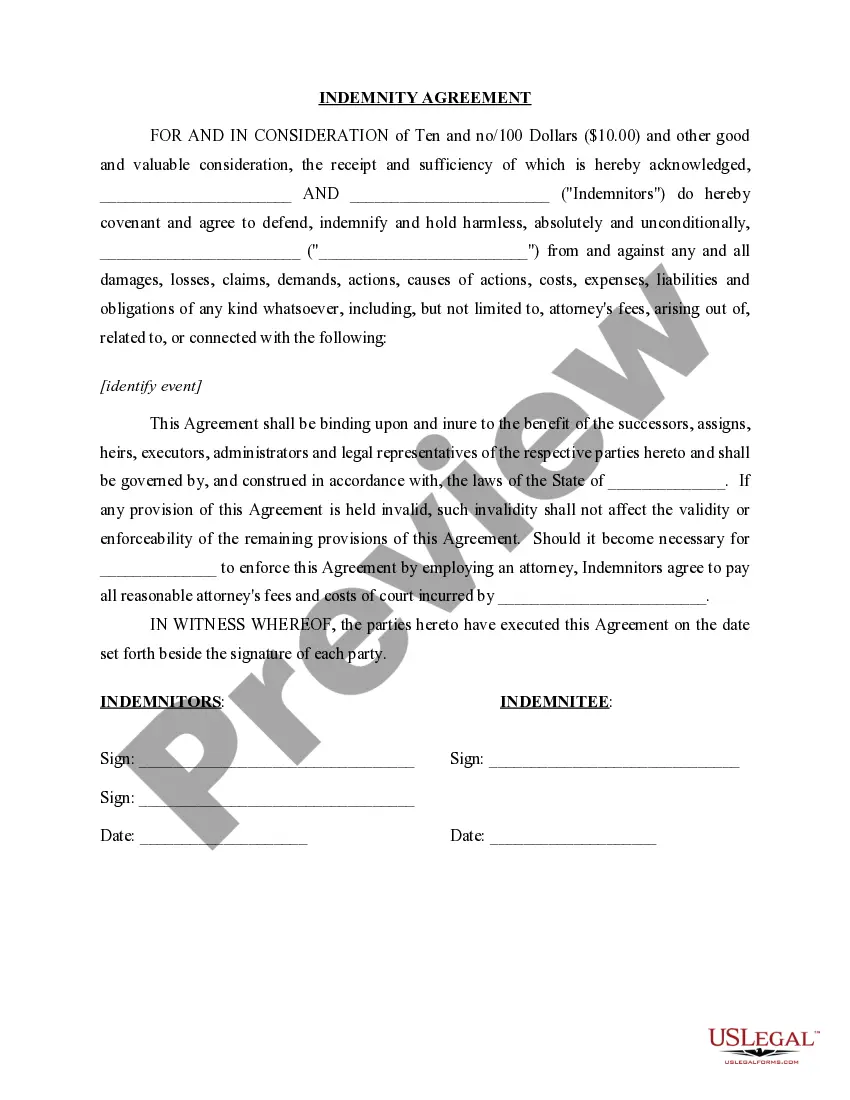






How to fill out Deferred Compensation Agreement - Short Form?
Bureaucracy necessitates exactness and precision.
If you don't manage completing forms like the Compensation Agreement for daily purposes, it may result in some misunderstandings.
Choosing the right template initially will guarantee that your document submission proceeds smoothly and avert any hassles of re-uploading a file or starting the same task entirely from the beginning.
If you aren't a subscribed user, finding the required template would demand a few additional steps.
- You can invariably locate the suitable template for your documentation at US Legal Forms.
- US Legal Forms is the largest collection of online forms housing over 85 thousand samples across various topics.
- You can discover the most current and applicable version of the Compensation Agreement For by merely searching on the site.
- Find, store, and save templates in your profile or refer to the description to ascertain you possess the correct one ready.
- With a US Legal Forms account, you can access, store, and navigate the templates you've saved with a few clicks.
- When on the site, hit the Log In button to authenticate.
- Next, visit the My documents page, where your forms history is maintained.
- Review the descriptions of the forms and save the ones you require at any time.
Form popularity
FAQ
A Compensation Agreement is used by an employer to record a negotiated change in wage or earning potential for an employee. As an example, after a new employee completed their probationary period, the employer and employee agree to a new wage amount in the form of a raise.
Thus, an employment agreement is simply a type of contract formed between an employee and employer, which governs the terms of employment. Once both parties have signed the employment agreement, the contract will become binding and legally enforceable in court.
Oral contracts are just as enforceable as written contracts, but much harder to prove. If there's a dispute, it will be your word against the employer's. Like a written contract, an oral contract might be for at-will employment or it might limit the employer's right to fire.
Compensation refers to any payment given by an employer to an employee during their period of employment. In return, the employee will provide their time, labor, and skills. This compensation can be in the form of a salary, wage, benefits, bonuses, paid leave, pension funds, and stock options, and more.
A standard Compensation Agreement consists of several parts, which include the following:Introduction. In the first part of the contract, a filer should state the full names of the parties.General terms.Background information.Payment terms.Amendment and termination of the agreement.Signatures.