Employee Contract Rules In Utah
Description


Get your form ready online
Our built-in tools help you complete, sign, share, and store your documents in one place.
Make edits, fill in missing information, and update formatting in US Legal Forms—just like you would in MS Word.
Download a copy, print it, send it by email, or mail it via USPS—whatever works best for your next step.
Sign and collect signatures with our SignNow integration. Send to multiple recipients, set reminders, and more. Go Premium to unlock E-Sign.
If this form requires notarization, complete it online through a secure video call—no need to meet a notary in person or wait for an appointment.
We protect your documents and personal data by following strict security and privacy standards.

Make edits, fill in missing information, and update formatting in US Legal Forms—just like you would in MS Word.

Download a copy, print it, send it by email, or mail it via USPS—whatever works best for your next step.

Sign and collect signatures with our SignNow integration. Send to multiple recipients, set reminders, and more. Go Premium to unlock E-Sign.

If this form requires notarization, complete it online through a secure video call—no need to meet a notary in person or wait for an appointment.

We protect your documents and personal data by following strict security and privacy standards.
Looking for another form?







Form popularity
FAQ
Regular paydays -- Currency or negotiable checks required -- Deposit in financial institution -- Statement of total deductions -- Unlawful withholding or diversion of wages.
Utah Scheduling Notice Law Unlike some states that have enacted predictive scheduling laws requiring a minimum notice period (such as 7 or 14 days), Utah does not impose such requirements. Employers in Utah have the discretion to modify work schedules as needed, provided they comply with federal labor laws.
State Employment Laws The Utah Labor Commission is the regulatory agency responsible for protecting the health, safety and economic well-being (i.e., wage, labor or anti-discrimination) of employees and employers. Visit the following for more information on state employment laws.
In Utah, employees can quit without giving notice, as it is an at-will employment state.
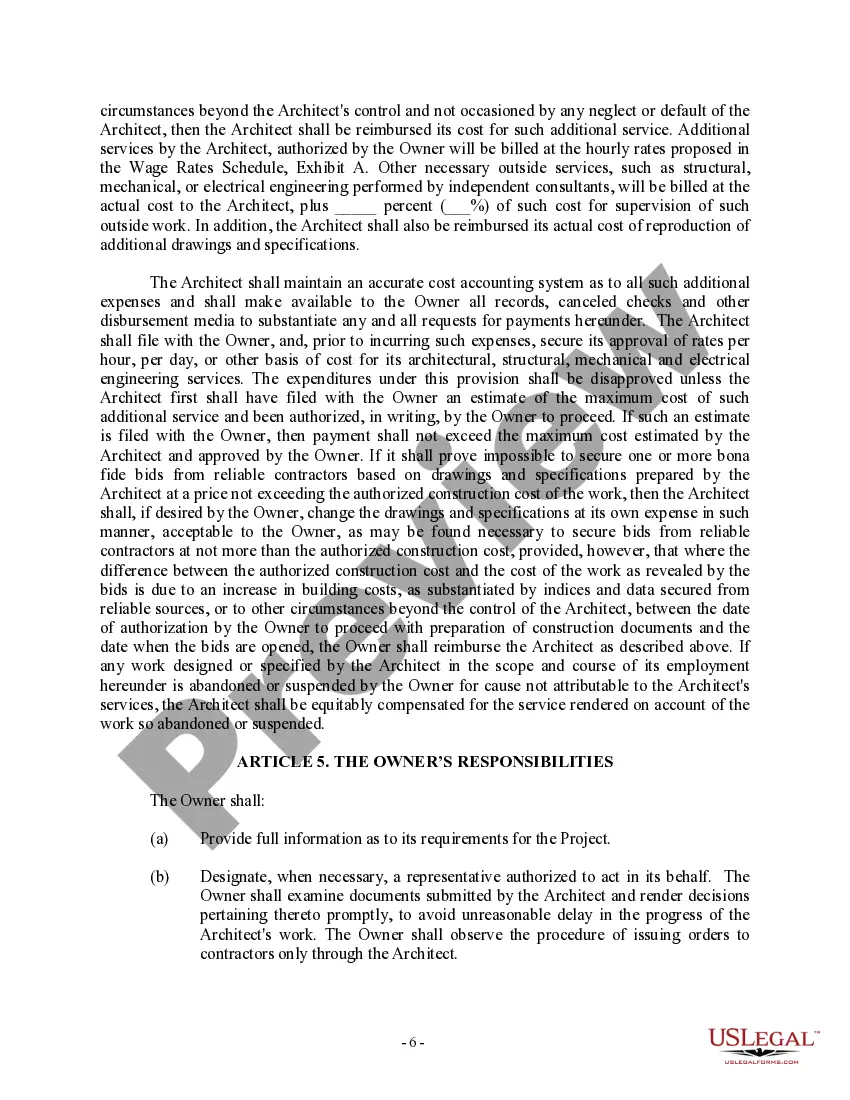
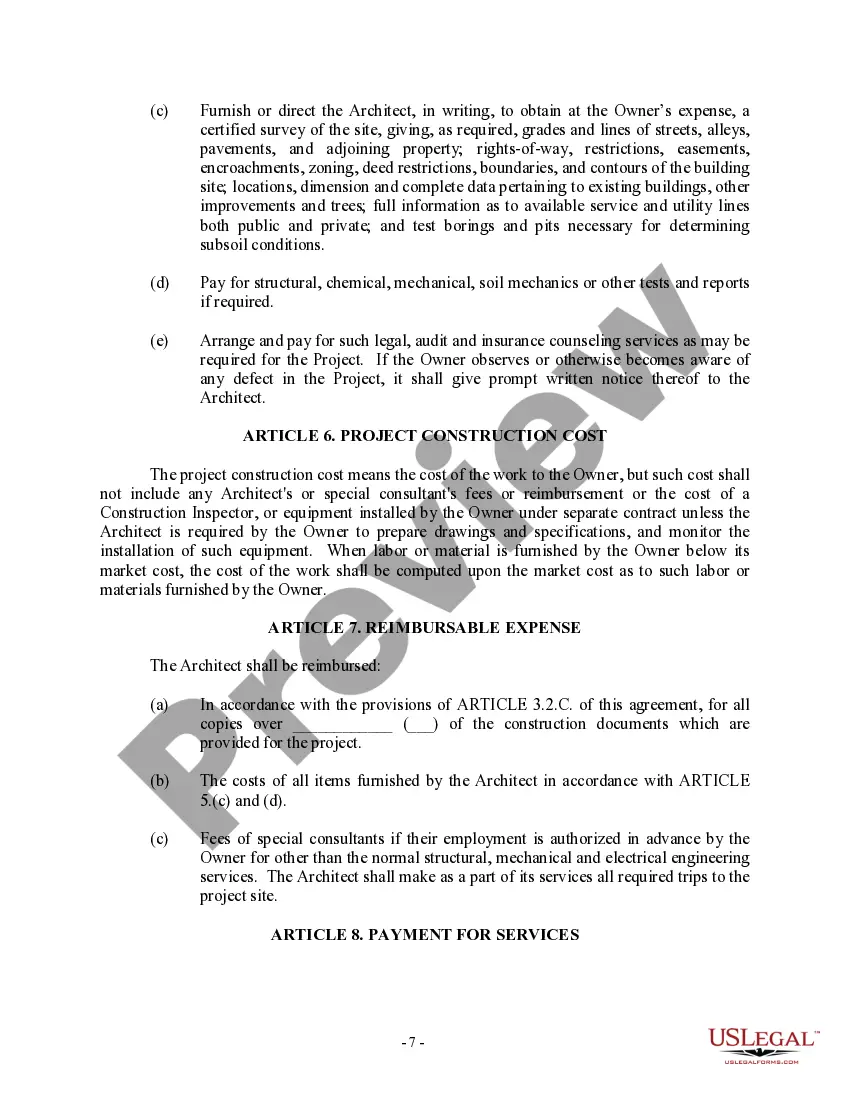
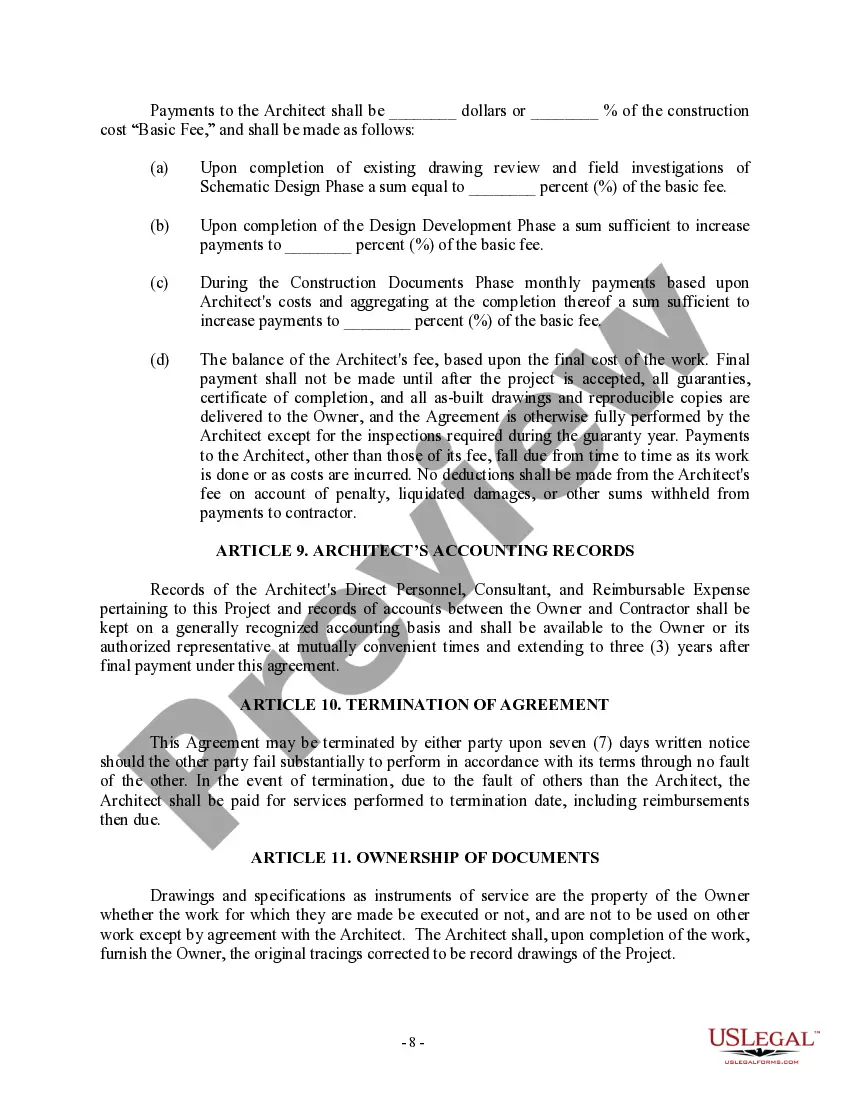
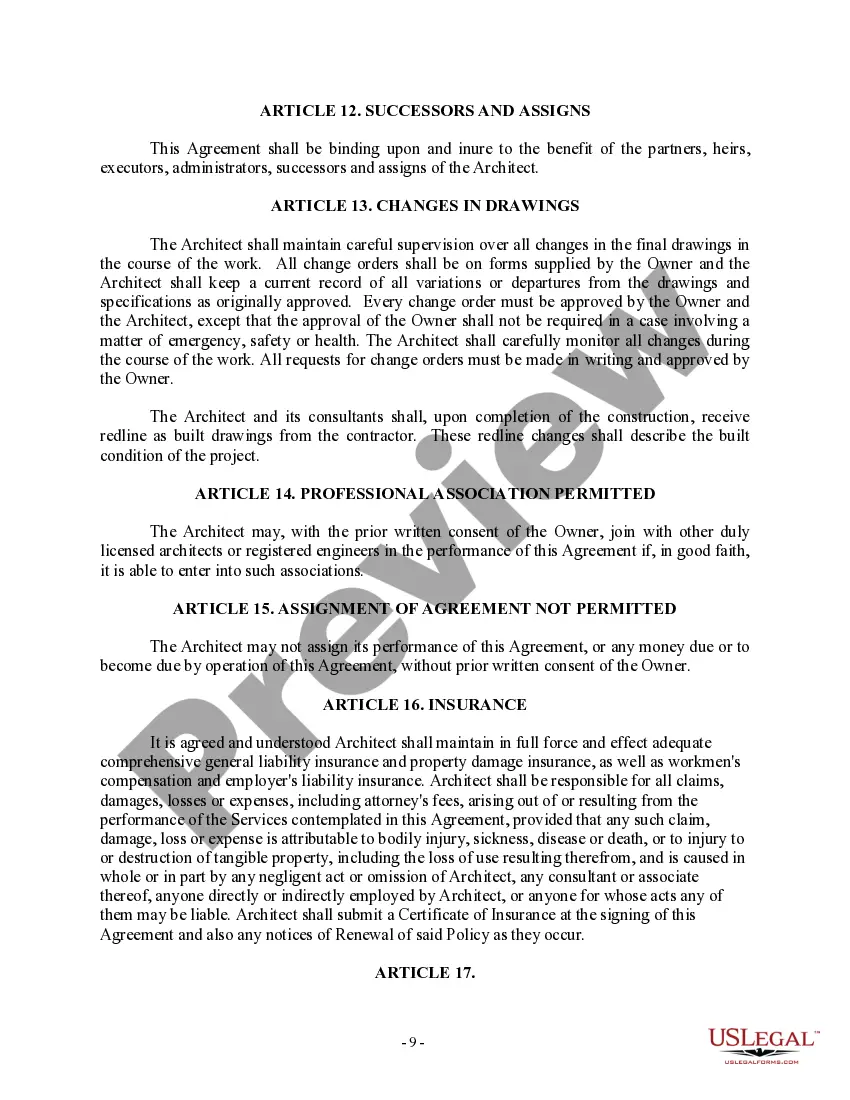
A Utah employment contract agreement documents an employer's terms of employment to potential employees. The contract provides clarity on matters of job title and description, compensation, the employee's rights, benefits that may be offered, and the conditions under which the employee may quit or be terminated.
Utah has no specific limitations on the number of hours a salaried employee can work in a week. Overtime compensation is only eligible if an employee's worked hours reached 40 in a workweek. If an employee works beyond 40, they are entitled to time-and-a-half for any hours worked beyond 40.
While contracts are generally binding for both parties, it is important to be aware of certain issues that could make an otherwise valid contract unenforceable by law. The elements of a contract are offer, acceptance, and consideration, which have strict standards of enforceability.
Resigning without notice can impact your future employment options if a prospective employer checks your references and is told you quit without notice. Think about it from an employer's perspective: Would you want to hire someone who might leave you hanging? Possible financial repercussions.
