Offer And Acceptance In Contract Law Uk In Riverside
Description


Get your form ready online
Our built-in tools help you complete, sign, share, and store your documents in one place.
Make edits, fill in missing information, and update formatting in US Legal Forms—just like you would in MS Word.
Download a copy, print it, send it by email, or mail it via USPS—whatever works best for your next step.
Sign and collect signatures with our SignNow integration. Send to multiple recipients, set reminders, and more. Go Premium to unlock E-Sign.
If this form requires notarization, complete it online through a secure video call—no need to meet a notary in person or wait for an appointment.
We protect your documents and personal data by following strict security and privacy standards.

Make edits, fill in missing information, and update formatting in US Legal Forms—just like you would in MS Word.

Download a copy, print it, send it by email, or mail it via USPS—whatever works best for your next step.

Sign and collect signatures with our SignNow integration. Send to multiple recipients, set reminders, and more. Go Premium to unlock E-Sign.

If this form requires notarization, complete it online through a secure video call—no need to meet a notary in person or wait for an appointment.

We protect your documents and personal data by following strict security and privacy standards.
Looking for another form?
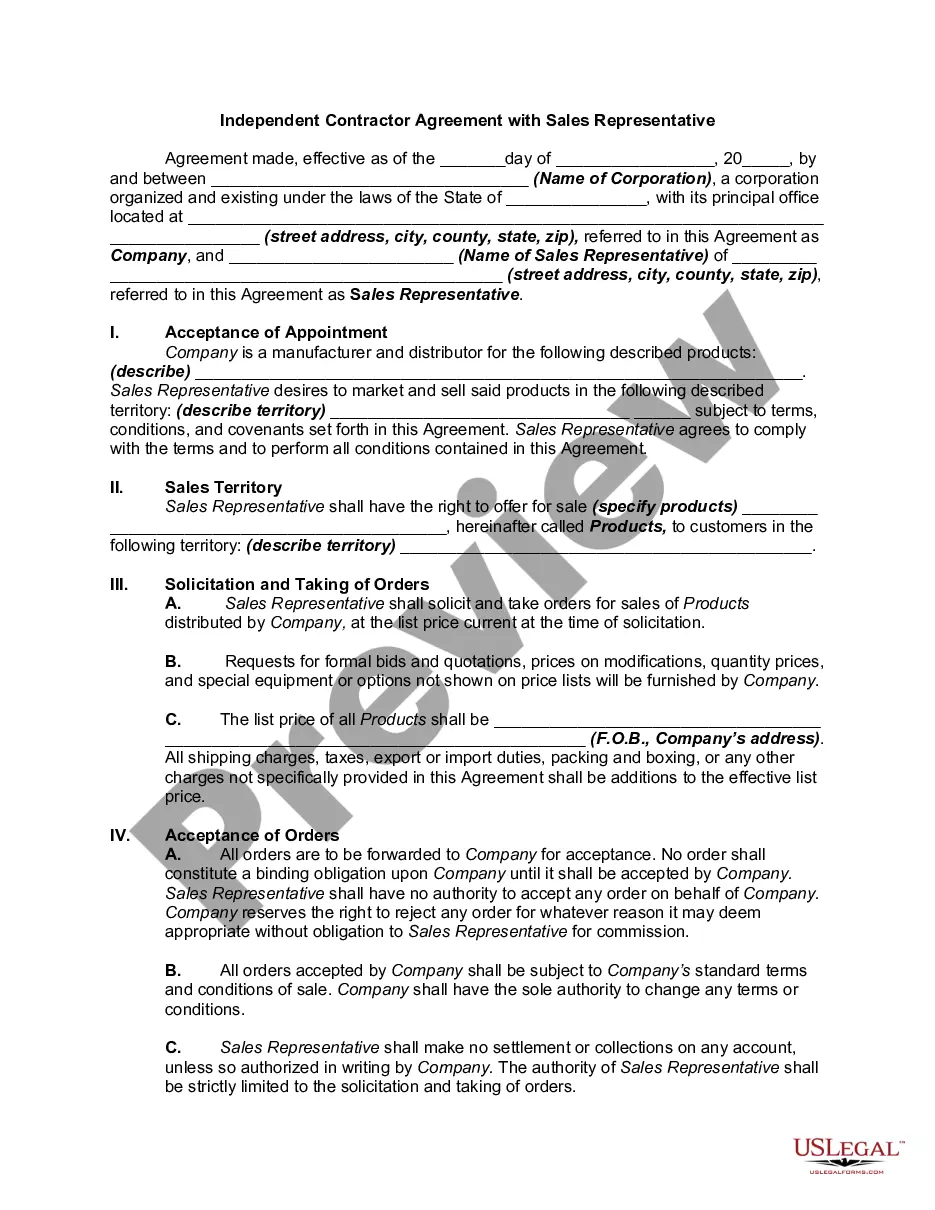








Form popularity
FAQ
In Short. A valid offer must be clear, communicated and made with the intention of creating legal relations. Acceptance must be unconditional, timely and communicated. Duress, capacity and mutual conduct can affect contract validity. Silence may count as acceptance in specific situations.
For a contract to be binding it needs to satisfy four principles, offer, acceptance, consideration, and the intention to create legal relations. Generally, the law believes that an agreement is made when one party makes an offer and the other party accepts it.
A contract is an agreement between parties , creating mutual obligations that are enforceable by law . The basic elements required for the agreement to be a legally enforceable contract are: mutual assent , expressed by a valid offer and acceptance ; adequate consideration ; capacity ; and legality .
An acceptance is a final and unqualified expression of assent to the terms of an offer. Again, there must be an objective manifestation, by the recipient of the offer, of an intention to be bound by its terms. An offer must be accepted in ance with its precise terms if it is to form an agreement.
The offeror, or person making the offer, must have the intention to be bound by what they are offering. The offeree, or person receiving the offer, must know about the offer and accept it for it to be accepted. This type of contract is only valid if a mutual agreement between both parties is involved.
For such an offer to be valid, it must have the clear intention of the offeror; it must be definite; and communication should be with the offeree. Definite terms must be present, and there must be unilateral termination of its openness until accepted or revoked. Terms must be precise and certain.
An acceptance is a final and unqualified expression of assent to the terms of an offer. Again, there must be an objective manifestation, by the recipient of the offer, of an intention to be bound by its terms. An offer must be accepted in ance with its precise terms if it is to form an agreement.
For an offer to be valid, it must be communicated effectively to the offeree, contain definite terms, and show a clear intention to create legal obligations.
You cannot unknowingly accept a contract. No one else can accept for you (in business law, there are exceptions made for a business owner's agent) You must communicate your acceptance directly to the offeror. The offeror cannot take silence for acceptance.
Generally, in our law, silence is not considered as an acceptance but there are definitely some exceptions everywhere. Theoretically, acceptance is an expression of mind either in active or passive conduct of the offeree. Loose theories of estoppel and moral duties are not necessary.
