Offer And Acceptance In Contract Law Uk In Ohio
Description

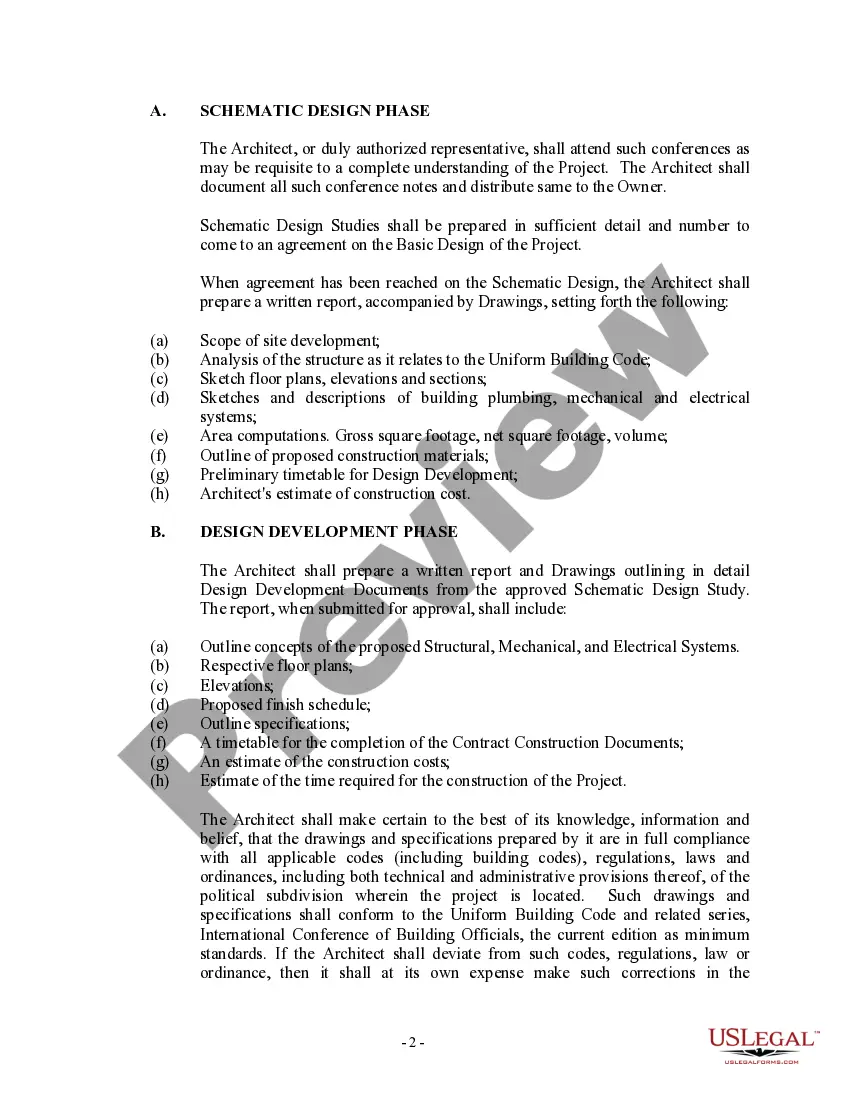
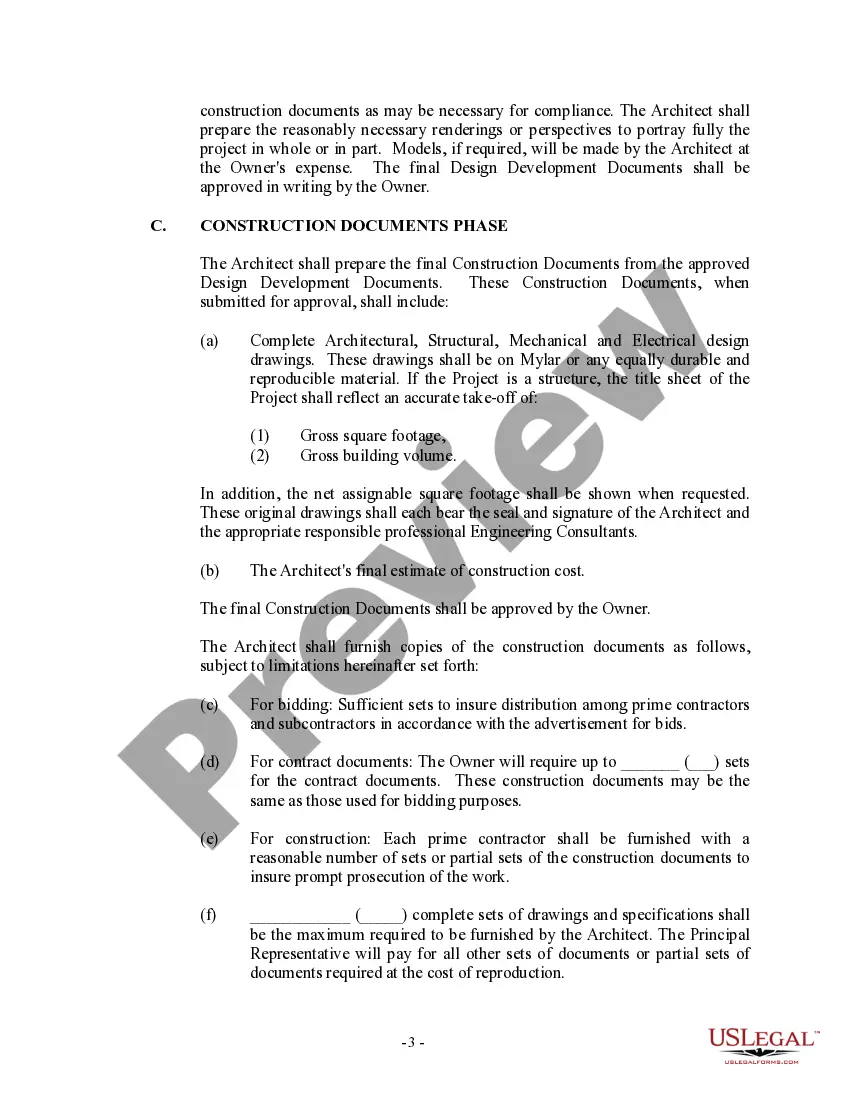
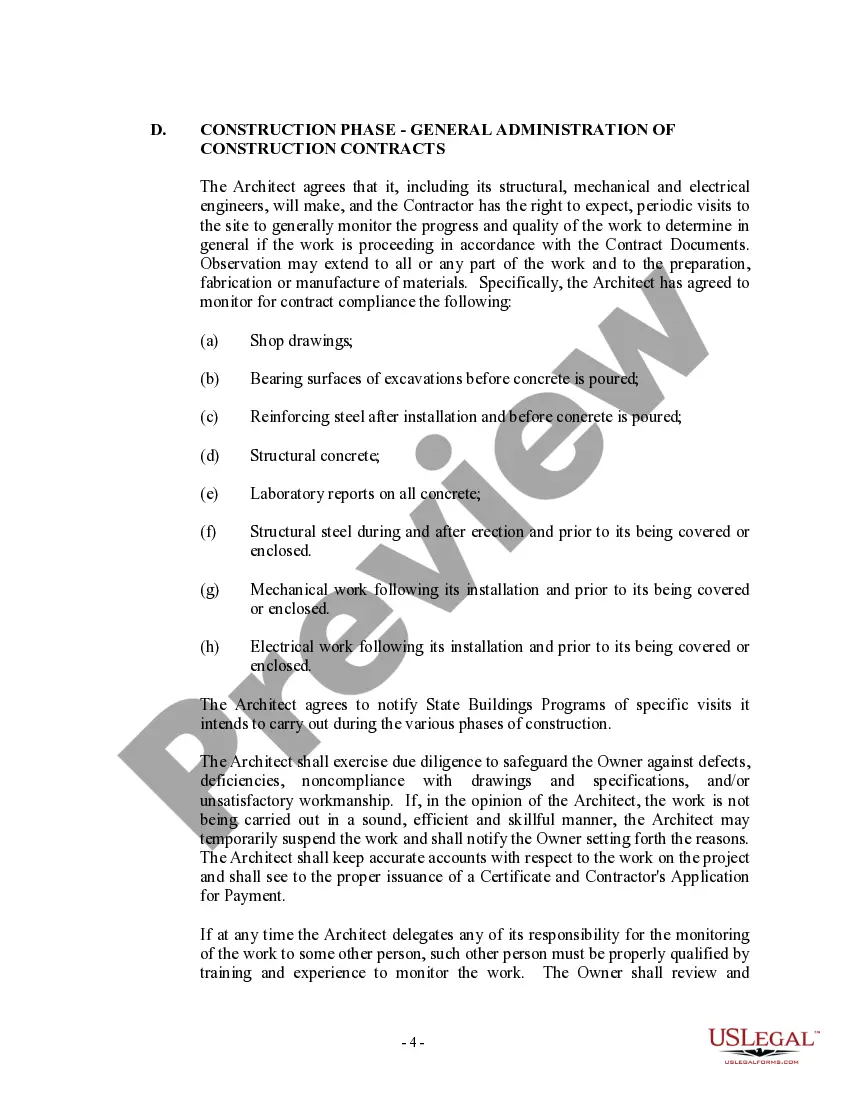
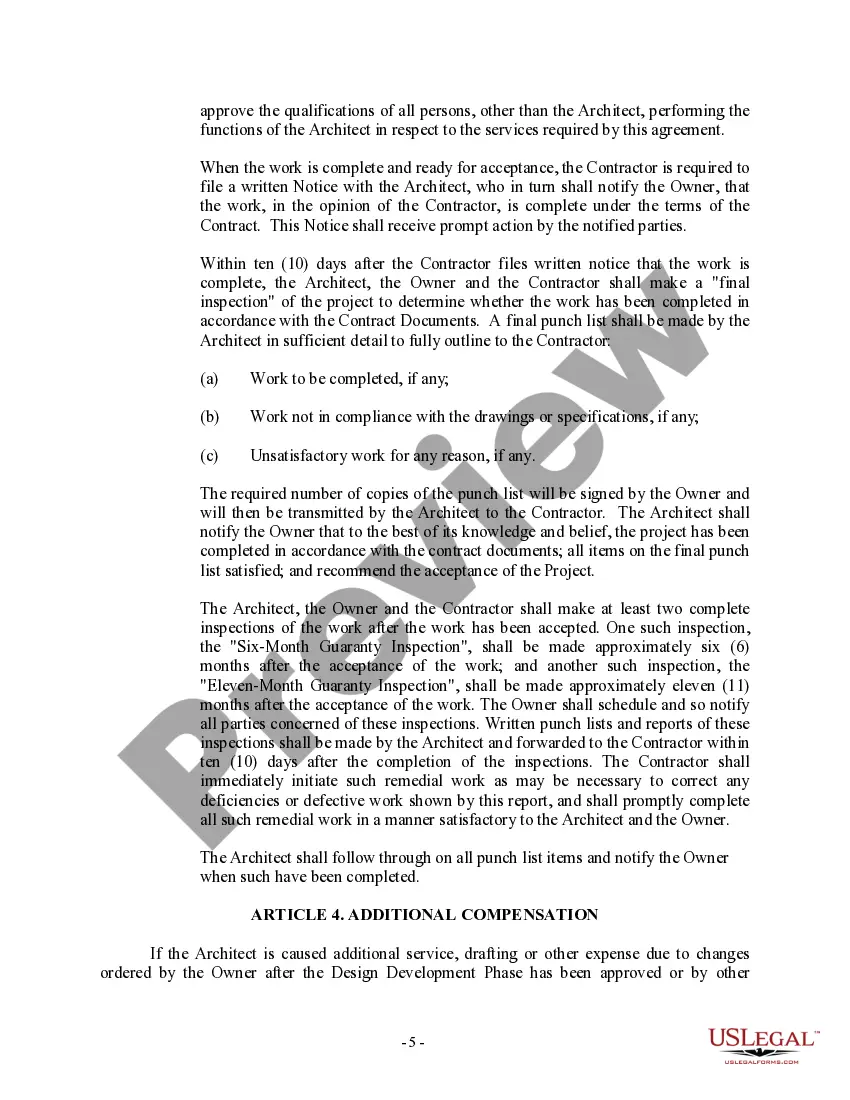

Get your form ready online
Our built-in tools help you complete, sign, share, and store your documents in one place.
Make edits, fill in missing information, and update formatting in US Legal Forms—just like you would in MS Word.
Download a copy, print it, send it by email, or mail it via USPS—whatever works best for your next step.
Sign and collect signatures with our SignNow integration. Send to multiple recipients, set reminders, and more. Go Premium to unlock E-Sign.
If this form requires notarization, complete it online through a secure video call—no need to meet a notary in person or wait for an appointment.
We protect your documents and personal data by following strict security and privacy standards.

Make edits, fill in missing information, and update formatting in US Legal Forms—just like you would in MS Word.

Download a copy, print it, send it by email, or mail it via USPS—whatever works best for your next step.

Sign and collect signatures with our SignNow integration. Send to multiple recipients, set reminders, and more. Go Premium to unlock E-Sign.

If this form requires notarization, complete it online through a secure video call—no need to meet a notary in person or wait for an appointment.

We protect your documents and personal data by following strict security and privacy standards.
Looking for another form?









Form popularity
FAQ
The doctrine of offer and acceptance has proved to be a viable and flexible tool to assess contract formation. This doctrine forms the basis of the rules on contract formation in most legal systems 1. Schlesinger (ed.), Formation of Contracts: A Study of the Common Core of Legal Systems (1968) 1, at 74; F.
Clients will often presume that verbal agreements are not binding. However, as a general rule, the law considers that verbal agreements are legally binding.
1) An offer must be clear enough to identify the nature of the goods or services being offered. 2) The offeree has to accept the offer within a reasonable period. 3) The offeree must not have agreed to any other agreements that would conflict with this agreement.
An acceptance is a final and unqualified expression of assent to the terms of an offer. Again, there must be an objective manifestation, by the recipient of the offer, of an intention to be bound by its terms. An offer must be accepted in ance with its precise terms if it is to form an agreement.
Felthouse v Bindley 1862 EWHC CP J35 - Silence cannot amount to acceptance. However, silence can qualify as acceptance if it is accompanied by conduct. This is a form of implied acceptance, which is gathered by examining the whole course of conduct of the parties.
A clear offer and acceptance; Consideration, or each party providing something of value to “seal the deal”; A legal—not illegal—purpose; Capacity of the parties to enter into a contract; and.
In most cases, a contract does not have to be notarized since the signed contract itself is enforceable and legally binding in state or federal courts. Many types of written contracts don't require a notary public to be valid.
The offeror, or person making the offer, must have the intention to be bound by what they are offering. The offeree, or person receiving the offer, must know about the offer and accept it for it to be accepted. This type of contract is only valid if a mutual agreement between both parties is involved.
