Joint Tenants Form A Restriction In Georgia
Description

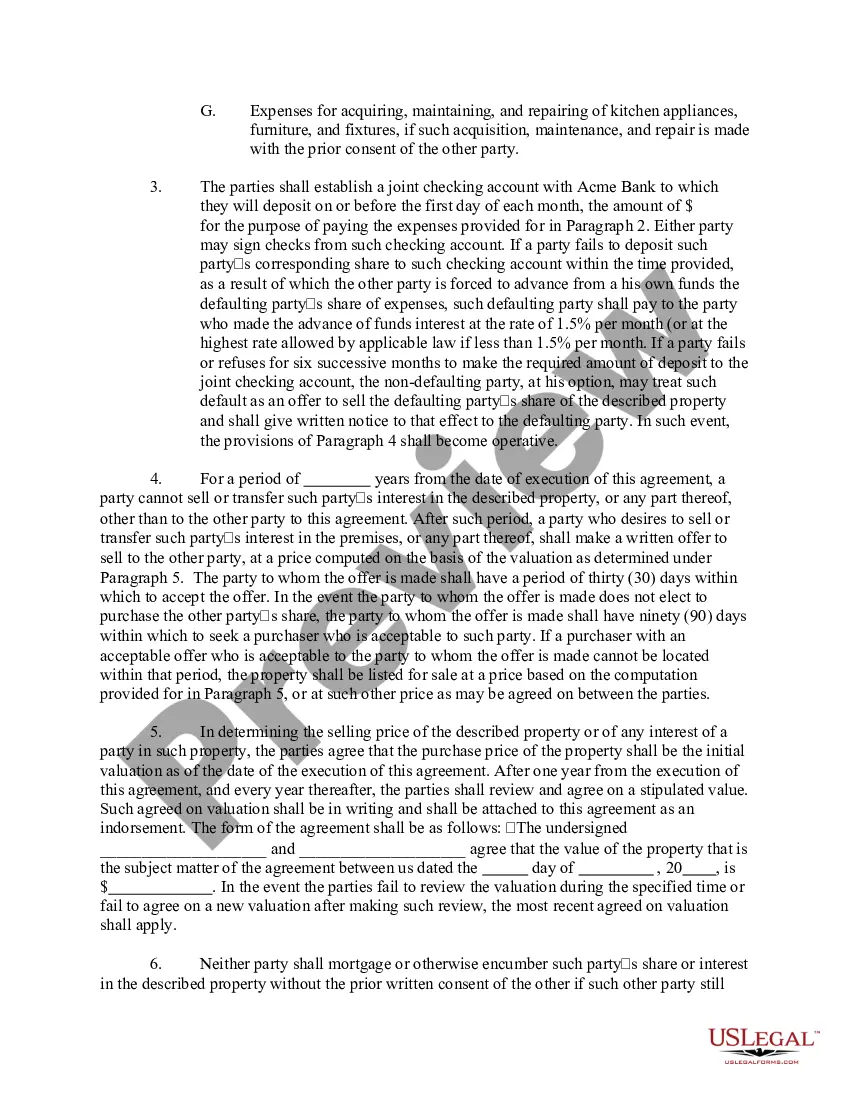
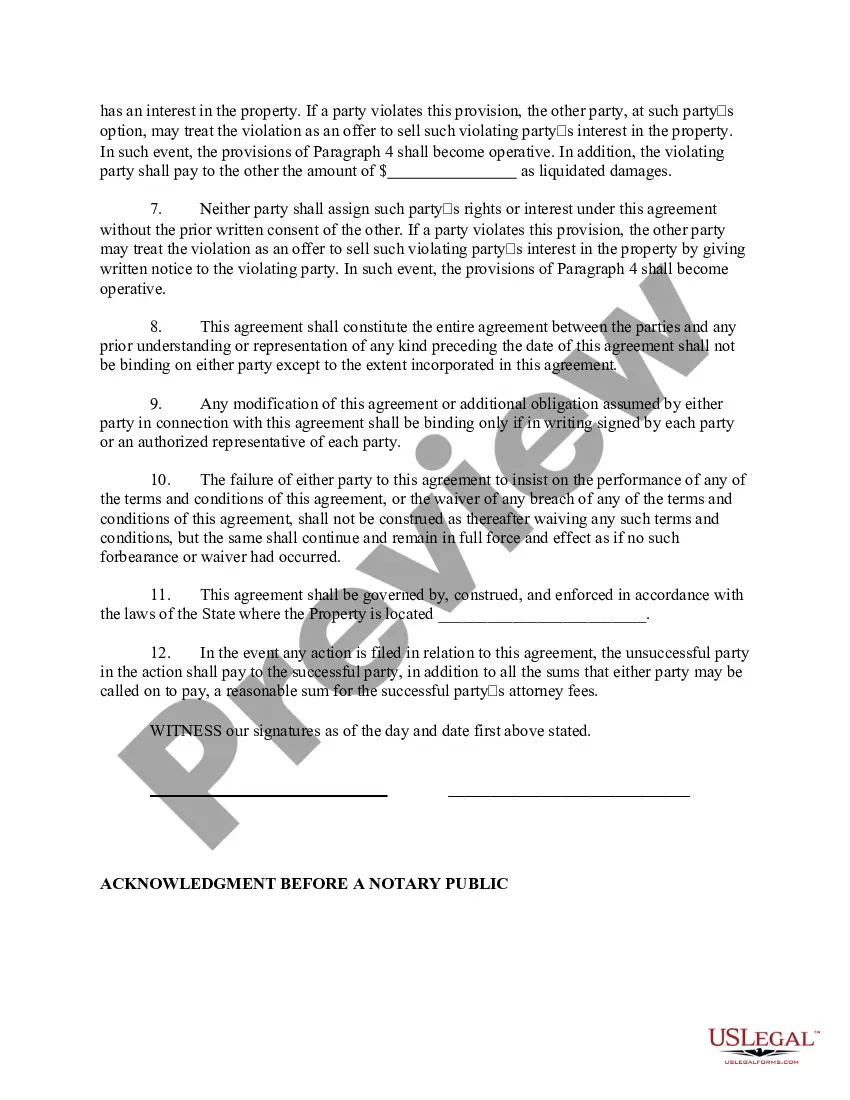
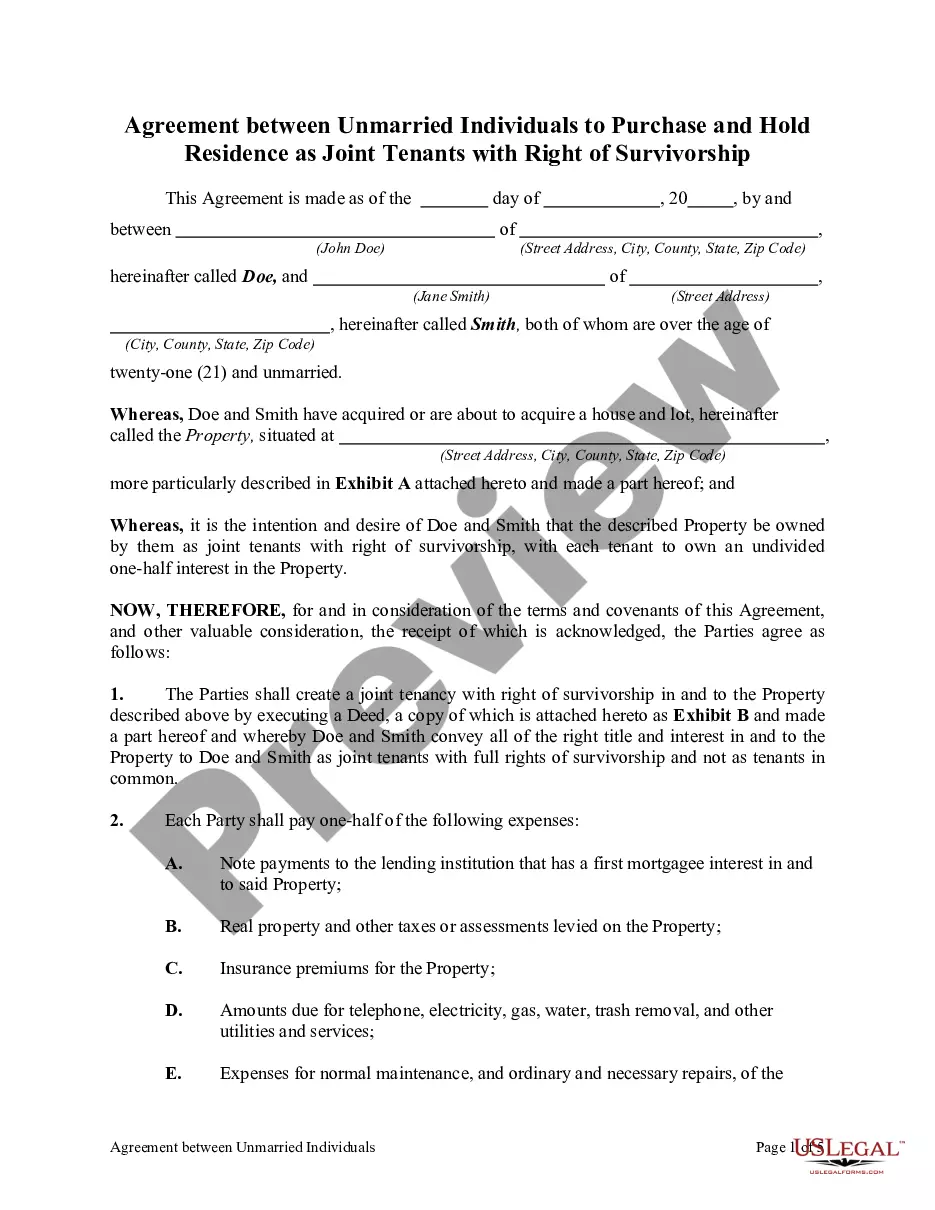
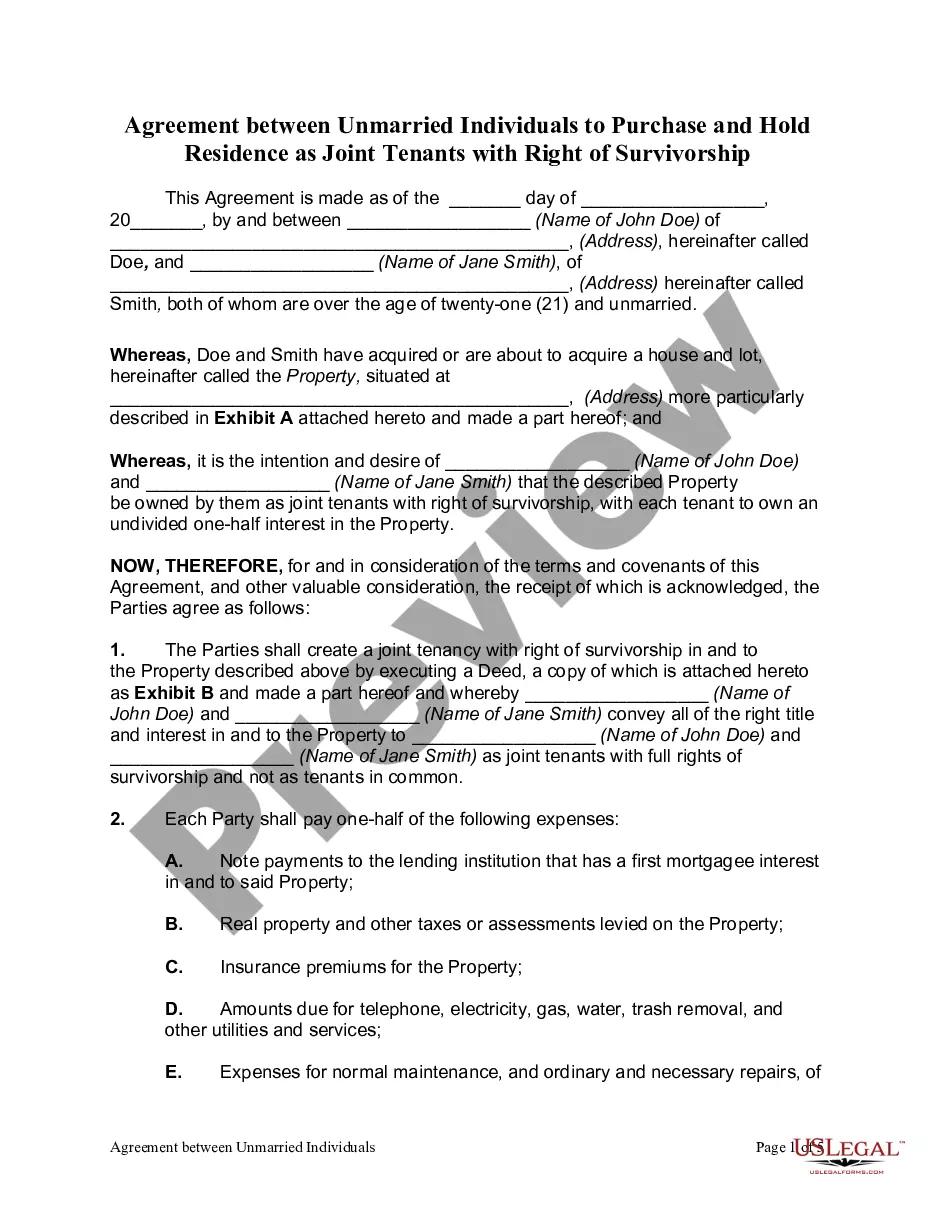
Get your form ready online
Our built-in tools help you complete, sign, share, and store your documents in one place.
Make edits, fill in missing information, and update formatting in US Legal Forms—just like you would in MS Word.
Download a copy, print it, send it by email, or mail it via USPS—whatever works best for your next step.
Sign and collect signatures with our SignNow integration. Send to multiple recipients, set reminders, and more. Go Premium to unlock E-Sign.
If this form requires notarization, complete it online through a secure video call—no need to meet a notary in person or wait for an appointment.
We protect your documents and personal data by following strict security and privacy standards.

Make edits, fill in missing information, and update formatting in US Legal Forms—just like you would in MS Word.

Download a copy, print it, send it by email, or mail it via USPS—whatever works best for your next step.

Sign and collect signatures with our SignNow integration. Send to multiple recipients, set reminders, and more. Go Premium to unlock E-Sign.

If this form requires notarization, complete it online through a secure video call—no need to meet a notary in person or wait for an appointment.

We protect your documents and personal data by following strict security and privacy standards.
Looking for another form?









Form popularity
FAQ
(3) Any instrument of title using one of the forms of expression referred to in paragraph (2) of this subsection or language essentially the same as one of these forms of expression shall create a joint tenancy estate or interest that may be severed as to the interest of any owner by the recording of an instrument ...
Some states have community property laws that cause shared assets to be split equally with half going to one spouse and half going to the other. But Georgia doesn't recognize community property laws and is, instead, an equitable distribution state. This means that equity is more important than an equal split of assets.
Georgia does not recognize tenancy by the entirety. The closest equivalent tenancy in Georgia is Joint Tenancy with Right of Survivorship. Georgia joint tenancy has the benefit of being available to non-married parties and is not limited to two co-owners.
Under Georgia law, there are two types of joint ownership. The first, known as “Joint Ownership with Rights of Survivorship” means that two or more parties have simultaneous ownership of a property. When one of those parties dies, their share of the property passes to the surviving owner(s).
Jointly owned real estate goes automatically to your husband/wife. It is possible for jointly held property to go automatically to a spouse in Georgia.
Severing a joint tenancy means that you are changing from joint tenants to tenants in common. This means that you and the other owner will go from owning all of the property together, to owning specific shares of the property.
Georgia does not recognize community property or homestead, meaning that either spouse can buy, sell, or own property without involvement of the other spouse. Georgia recognizes joint tenancy with right of survivorship as a common form of joint ownership.
If your joint tenancy is for a fixed term (for example, 12 months), you must normally get the agreement of your landlord and the other tenants to give notice to end the tenancy. If you end your tenancy it ends for everyone.
