Texas Partition Agreement With Spouse In San Diego
Description

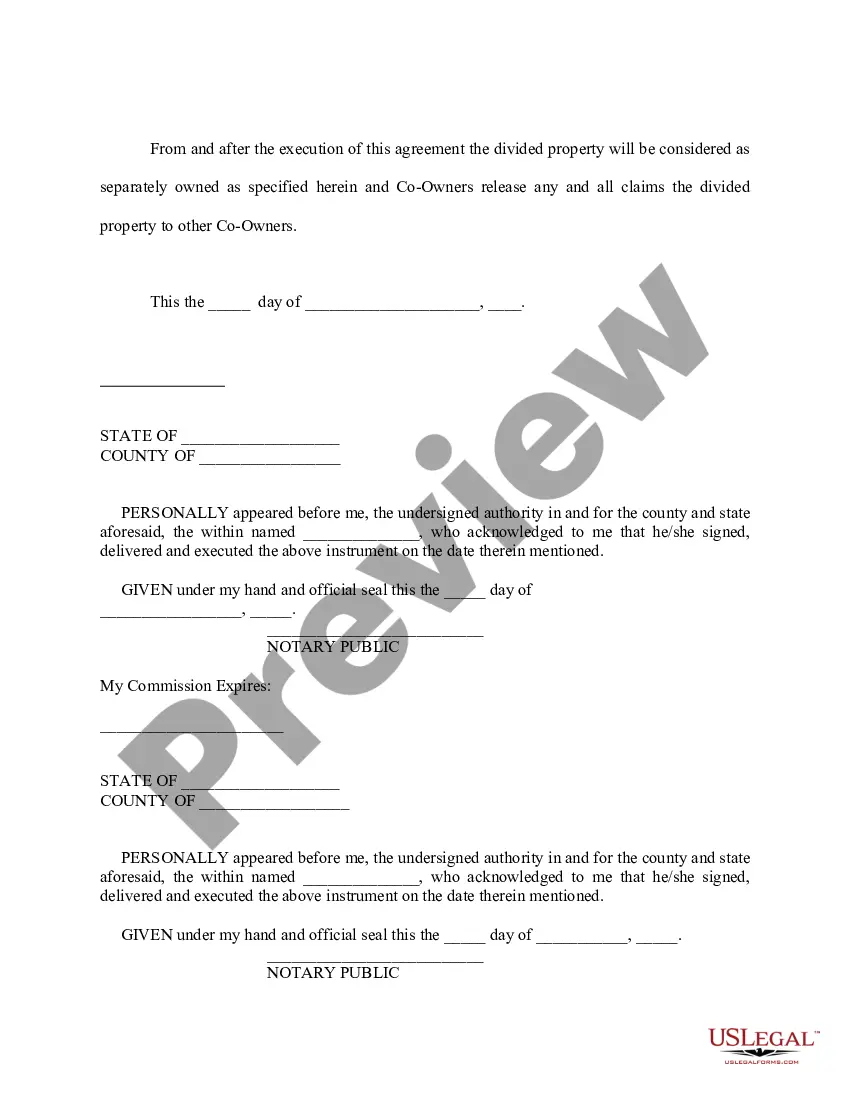
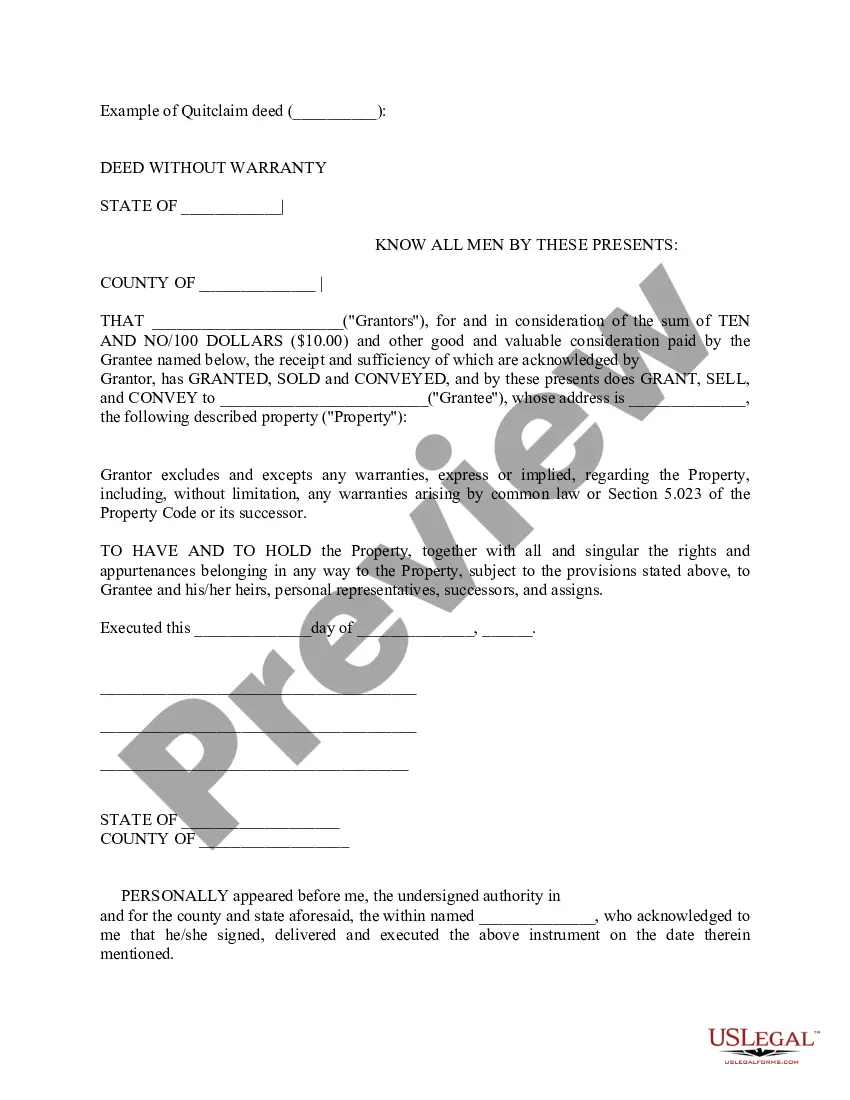
Get your form ready online
Our built-in tools help you complete, sign, share, and store your documents in one place.
Make edits, fill in missing information, and update formatting in US Legal Forms—just like you would in MS Word.
Download a copy, print it, send it by email, or mail it via USPS—whatever works best for your next step.
Sign and collect signatures with our SignNow integration. Send to multiple recipients, set reminders, and more. Go Premium to unlock E-Sign.
If this form requires notarization, complete it online through a secure video call—no need to meet a notary in person or wait for an appointment.
We protect your documents and personal data by following strict security and privacy standards.

Make edits, fill in missing information, and update formatting in US Legal Forms—just like you would in MS Word.

Download a copy, print it, send it by email, or mail it via USPS—whatever works best for your next step.

Sign and collect signatures with our SignNow integration. Send to multiple recipients, set reminders, and more. Go Premium to unlock E-Sign.

If this form requires notarization, complete it online through a secure video call—no need to meet a notary in person or wait for an appointment.

We protect your documents and personal data by following strict security and privacy standards.
Looking for another form?
Form popularity
FAQ
Texas is one of nine states that is a community property jurisdiction. In general, this means that any property acquired by a couple during their marriage (with a few exceptions) is equally owned by both spouses.
Texas presumes property acquired during marriage is community property, but exceptions exist for separate property owned before marriage or received as gifts. Inheritances remain separate property if not commingled with community assets. Keep inheritances in a separate account to maintain their status.
Texas is one of nine states that is a community property jurisdiction. In general, this means that any property acquired by a couple during their marriage (with a few exceptions) is equally owned by both spouses. This can have a profound effect on the dissolution of property during divorce proceedings.
Community vs. Separate property, as defined under Texas law, is any asset that you owned before your marriage, as well as anything you received individually as a gift or inheritance during your marriage. Pre-marriage ownership – Anything you owned before you got married remains solely yours.
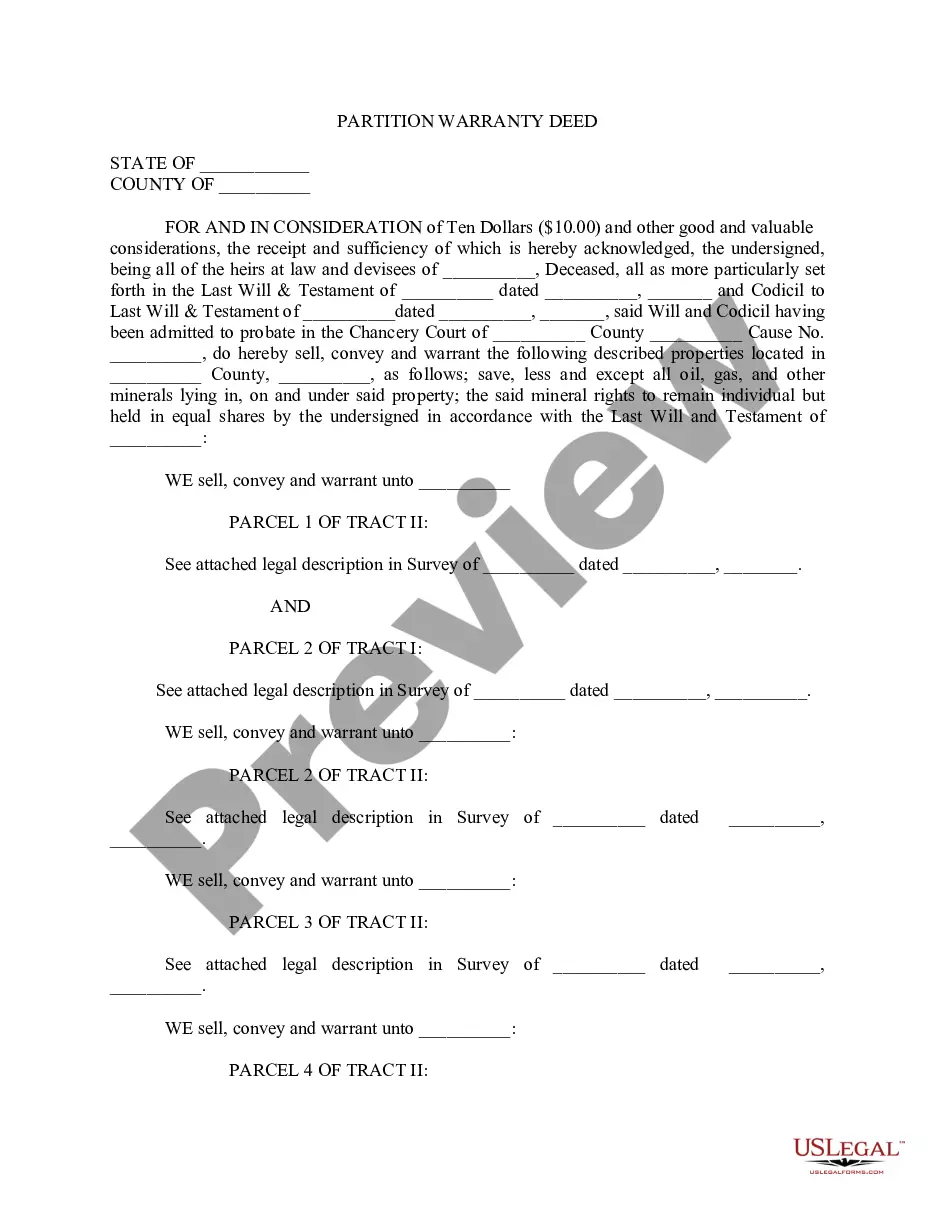
Code § 4.102. Current with legislation from the 2023 Regular and Special Sessions signed by the Governor as of November 21, 2023. At any time, the spouses may partition or exchange between themselves all or part of their community property, then existing or to be acquired, as the spouses may desire.
The surviving spouse automatically receives all community property. Separate personal property also goes completely to the surviving spouse, while separate real property is split down the middle between the surviving spouse and the deceased's parents, siblings or siblings' descendants, in that order.
In Texas, the principle of 'just and right' division governs the distribution of assets in a divorce. This means that the court will divide community property in a manner that it considers fair and equitable, rather than adhering to a strict 50-50 split. Various factors such as: the nature of the assets.
Therefore, even if your name is not on the deed, you may still have a legal claim to the property. This joint ownership concept is vital for understanding your rights in a Texas divorce and ensures that both spouses have equitable rights over property acquired during the marriage.
Code § 4.102. Current with legislation from the 2023 Regular and Special Sessions signed by the Governor as of November 21, 2023. At any time, the spouses may partition or exchange between themselves all or part of their community property, then existing or to be acquired, as the spouses may desire.
