Partition Agreement With Sale In Ohio
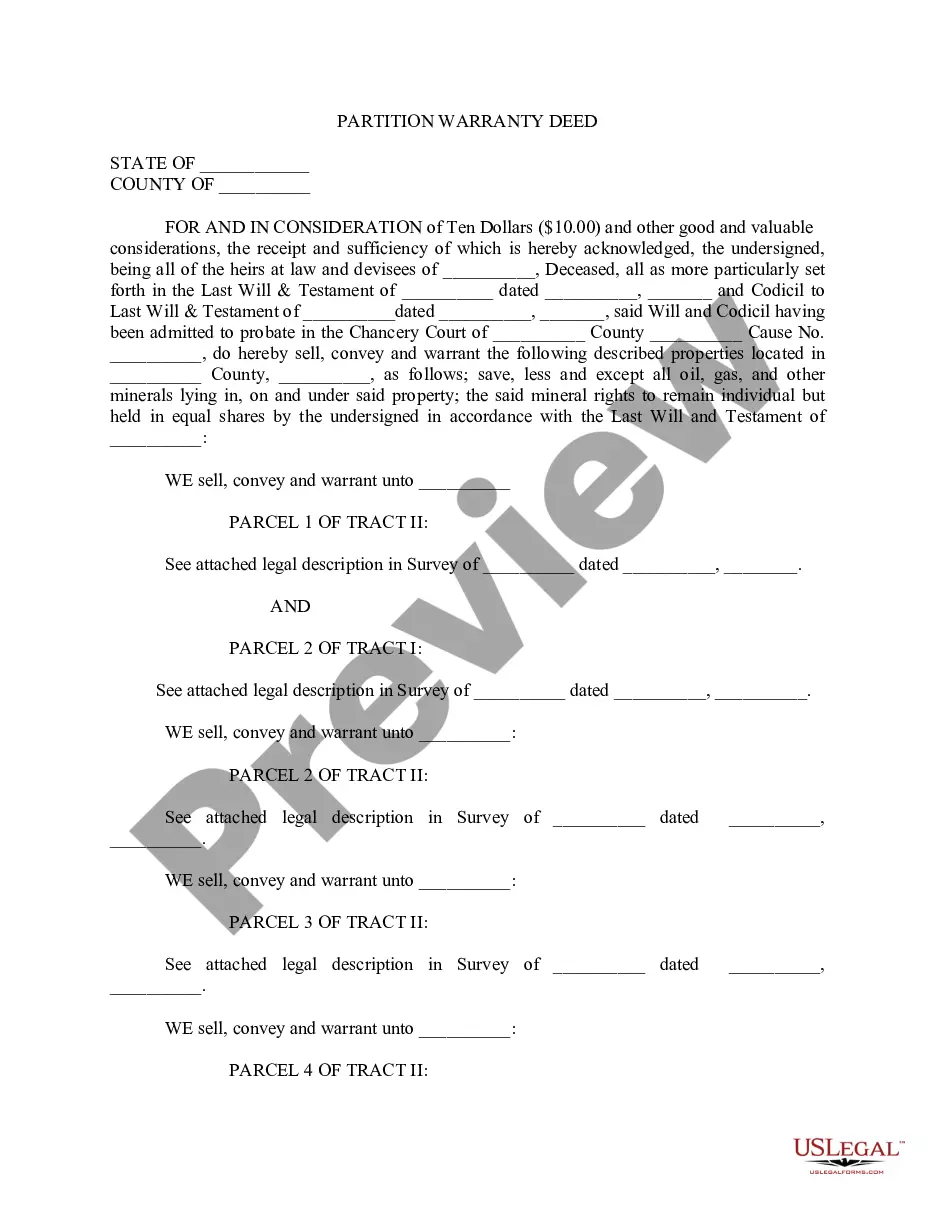
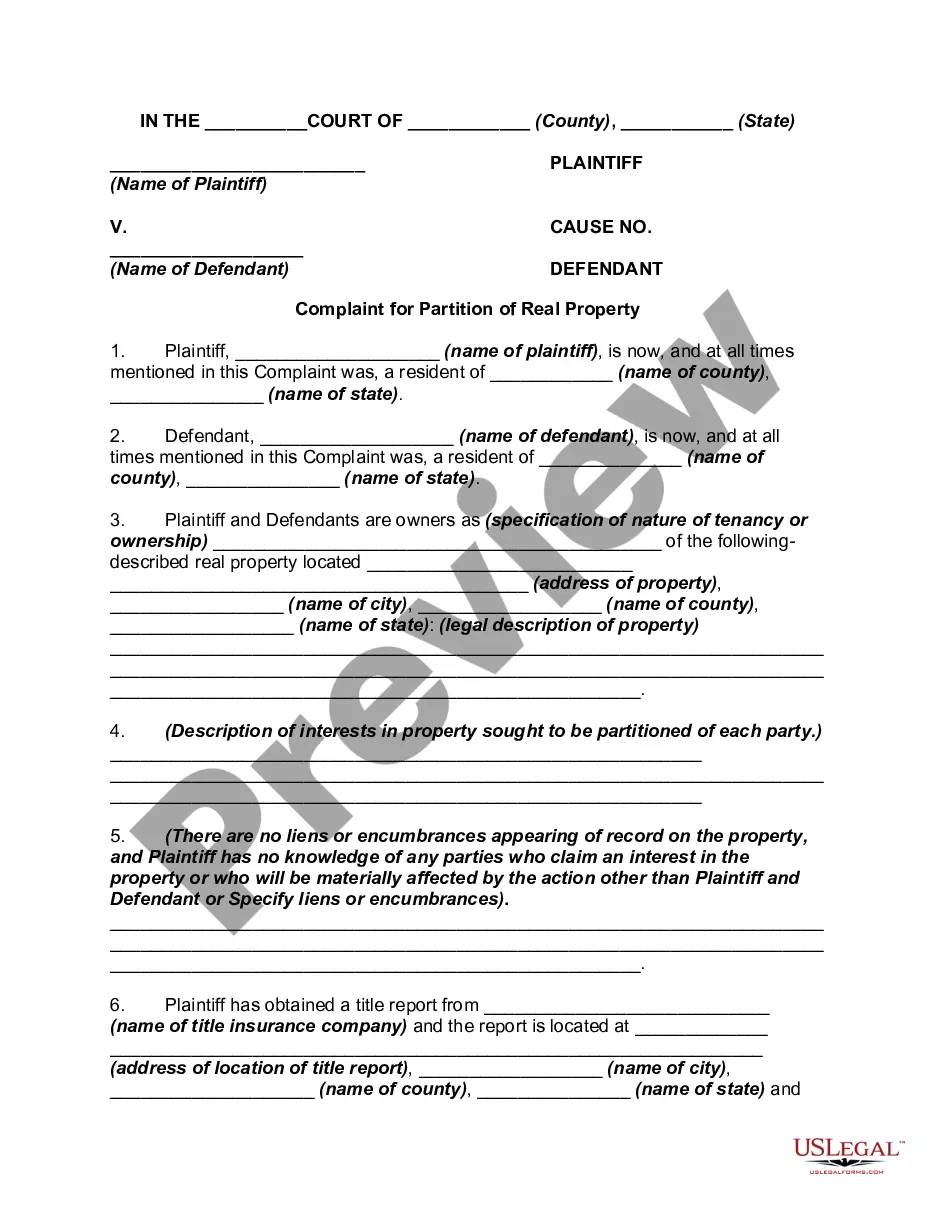
Description


Get your form ready online
Our built-in tools help you complete, sign, share, and store your documents in one place.
Make edits, fill in missing information, and update formatting in US Legal Forms—just like you would in MS Word.
Download a copy, print it, send it by email, or mail it via USPS—whatever works best for your next step.
Sign and collect signatures with our SignNow integration. Send to multiple recipients, set reminders, and more. Go Premium to unlock E-Sign.
If this form requires notarization, complete it online through a secure video call—no need to meet a notary in person or wait for an appointment.
We protect your documents and personal data by following strict security and privacy standards.

Make edits, fill in missing information, and update formatting in US Legal Forms—just like you would in MS Word.

Download a copy, print it, send it by email, or mail it via USPS—whatever works best for your next step.

Sign and collect signatures with our SignNow integration. Send to multiple recipients, set reminders, and more. Go Premium to unlock E-Sign.

If this form requires notarization, complete it online through a secure video call—no need to meet a notary in person or wait for an appointment.

We protect your documents and personal data by following strict security and privacy standards.
Looking for another form?



Form popularity
FAQ
The process is also time-consuming, with most partition cases taking one to two years to resolve due to delays caused by discovery, court schedules, and valuation disputes. Emotionally, partition actions often strain relationships, particularly among family members.
There are two main types of partition: partition in kind where the property is physically divided, and partition by sale when the property cannot be physically divided. If a co-owner believes they can win a partition action, they may proceed with filing a lawsuit.
To demand a partition or division of the common property is in with Article 494 of the Civil Code, that is, no co-owner shall be obliged to remain in the co-ownership and that each co-owner may demand at any time partition of the thing owned in common insofar as his or her share is concerned.
A California partition action happens when one co-owner of real property wants to sell but other co-owners do not want to sell their ownership rights. Partition means division. The opposing co-owners have the absolute right by law to divide the property and sell their portion with the legal remedy of “Partition”.
Section 1109.73 | Proceeding for partition. If a partition proceeding is filed and the court finds that partition of the interests in question should be made, the court shall order the sale of the property and division of the proceeds among the co-owners or shall partition the property among the co-owners.
Court Fees (if Judicial Partition is Necessary) Filing fees depend on the property value and may range from PHP 10,000 to PHP 50,000 or higher. Additional costs for attorney's fees, publication (if required), and other incidental expenses.
The total estate will be divided as follows: Surviving Legal Spouse: 1/8 of the estate. Each Legitimate Child (3 children): 1/6 of the estate (each child) Illegitimate Child: 1/12 of the estate.
Upon the dissolution and liquidation of the community, the net assets shall be divided equally between the husband and the wife or their heirs. In case of legal separation or annulment of marriage, the provisions of articles 176 and 177 shall apply to the net profits acquired during the marriage.
To demand a partition or division of the common property is in with Article 494 of the Civil Code, that is, no co-owner shall be obliged to remain in the co-ownership and that each co-owner may demand at any time partition of the thing owned in common insofar as his or her share is concerned.
A partition action is a lawsuit in which a court determines whether a property with two or more owners is to be partitioned or sold. When two or more owners cannot agree on the disposition of the property in question, any of the owners can file a partition action in the appropriate court.
