Partition And Exchange Agreement With 100 In New York
Description


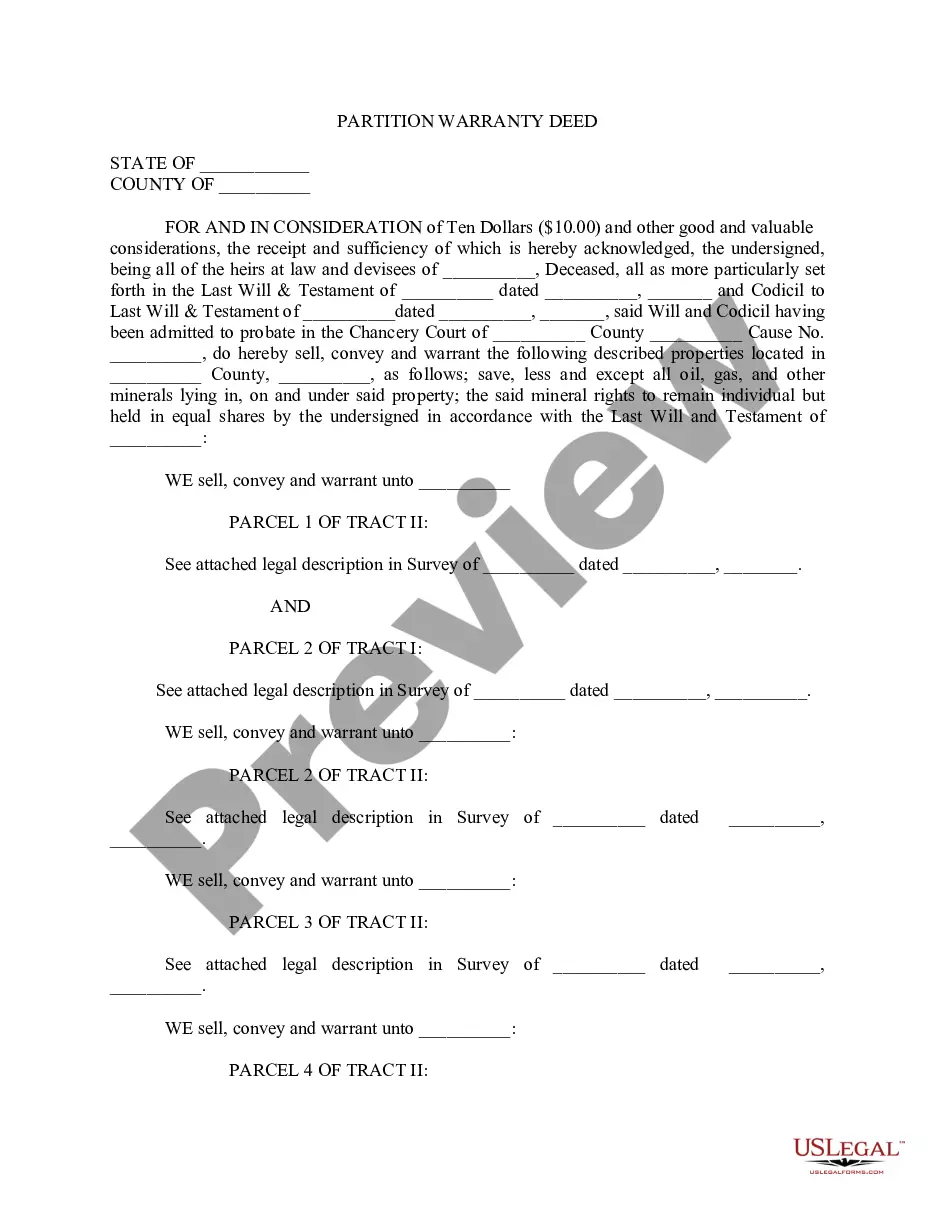
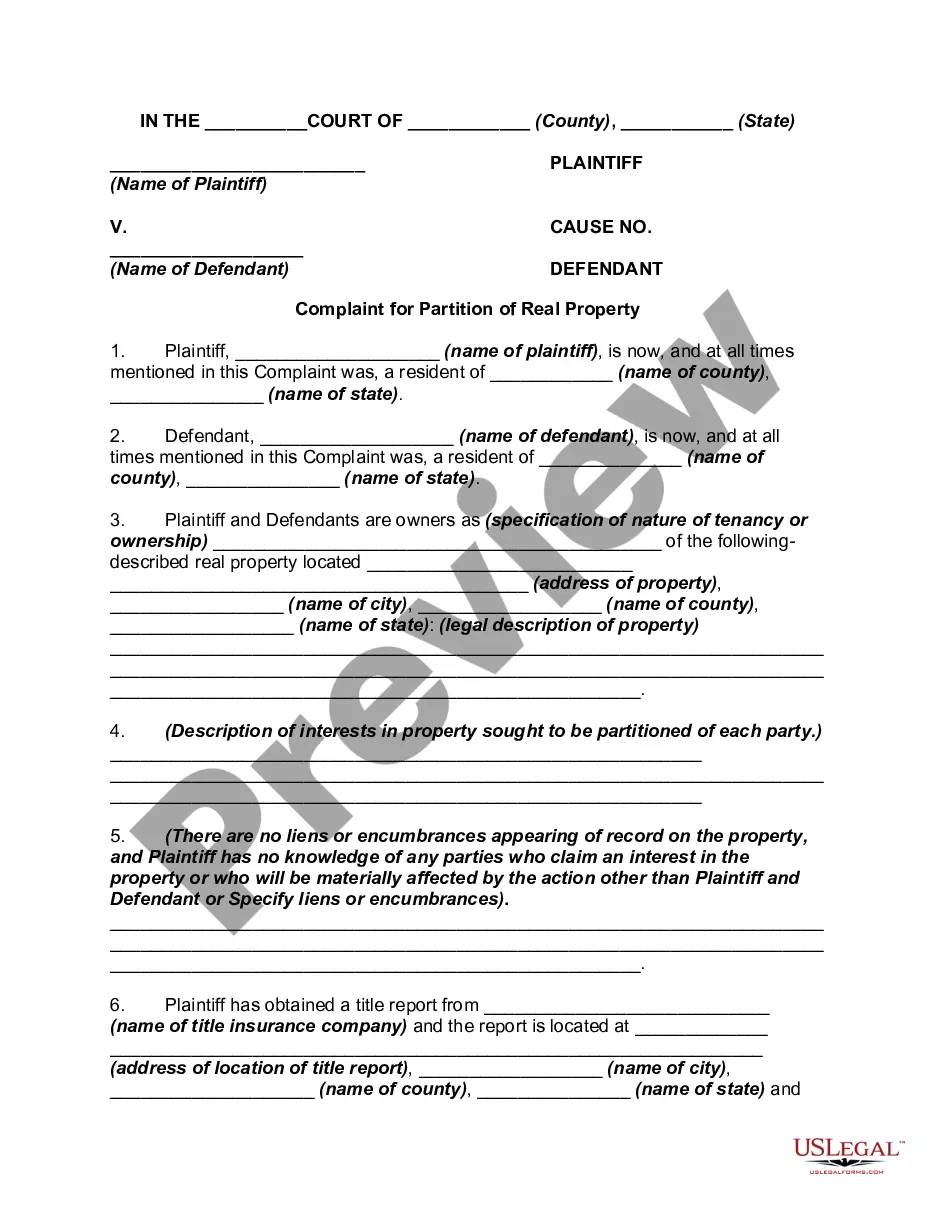
Get your form ready online
Our built-in tools help you complete, sign, share, and store your documents in one place.
Make edits, fill in missing information, and update formatting in US Legal Forms—just like you would in MS Word.
Download a copy, print it, send it by email, or mail it via USPS—whatever works best for your next step.
Sign and collect signatures with our SignNow integration. Send to multiple recipients, set reminders, and more. Go Premium to unlock E-Sign.
If this form requires notarization, complete it online through a secure video call—no need to meet a notary in person or wait for an appointment.
We protect your documents and personal data by following strict security and privacy standards.

Make edits, fill in missing information, and update formatting in US Legal Forms—just like you would in MS Word.

Download a copy, print it, send it by email, or mail it via USPS—whatever works best for your next step.

Sign and collect signatures with our SignNow integration. Send to multiple recipients, set reminders, and more. Go Premium to unlock E-Sign.

If this form requires notarization, complete it online through a secure video call—no need to meet a notary in person or wait for an appointment.

We protect your documents and personal data by following strict security and privacy standards.
Looking for another form?
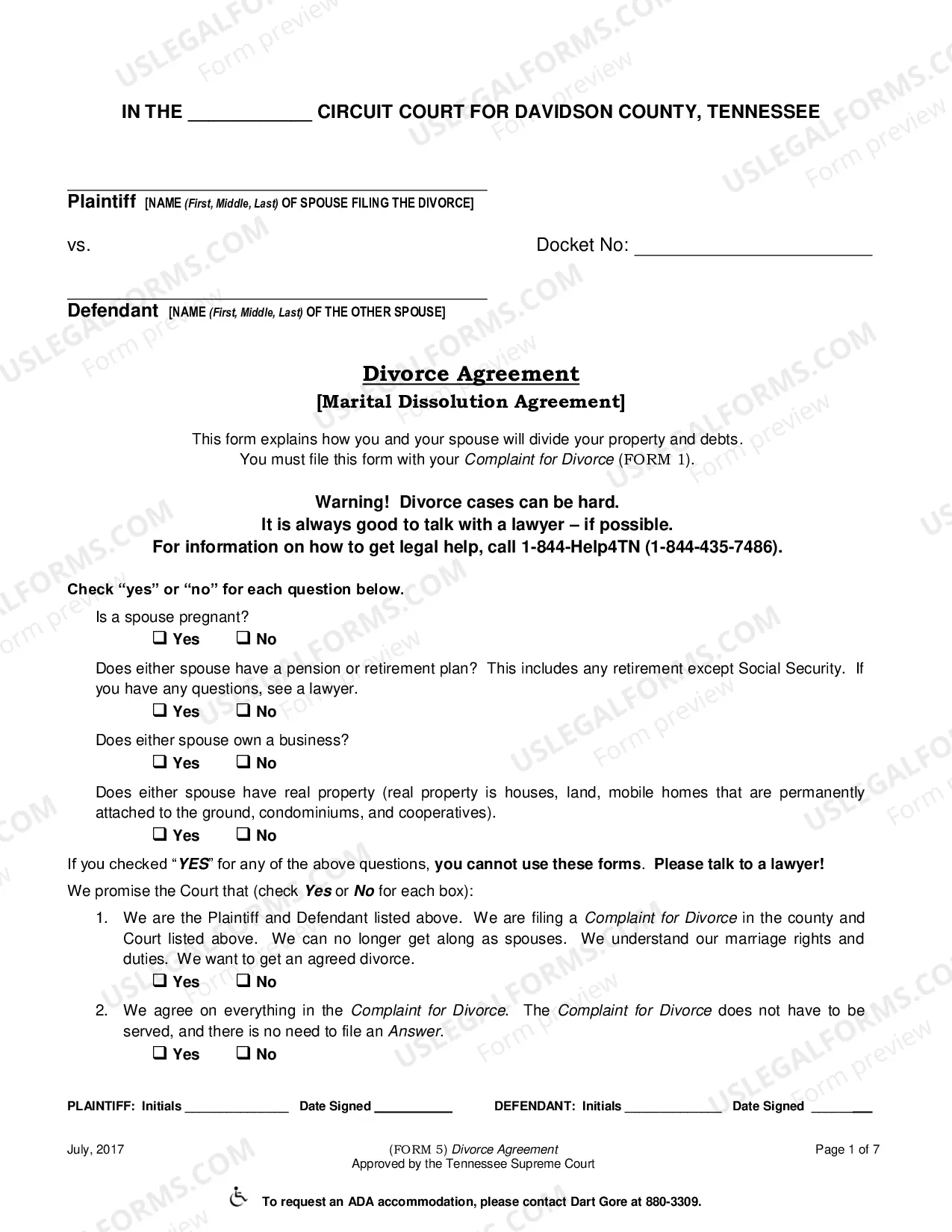
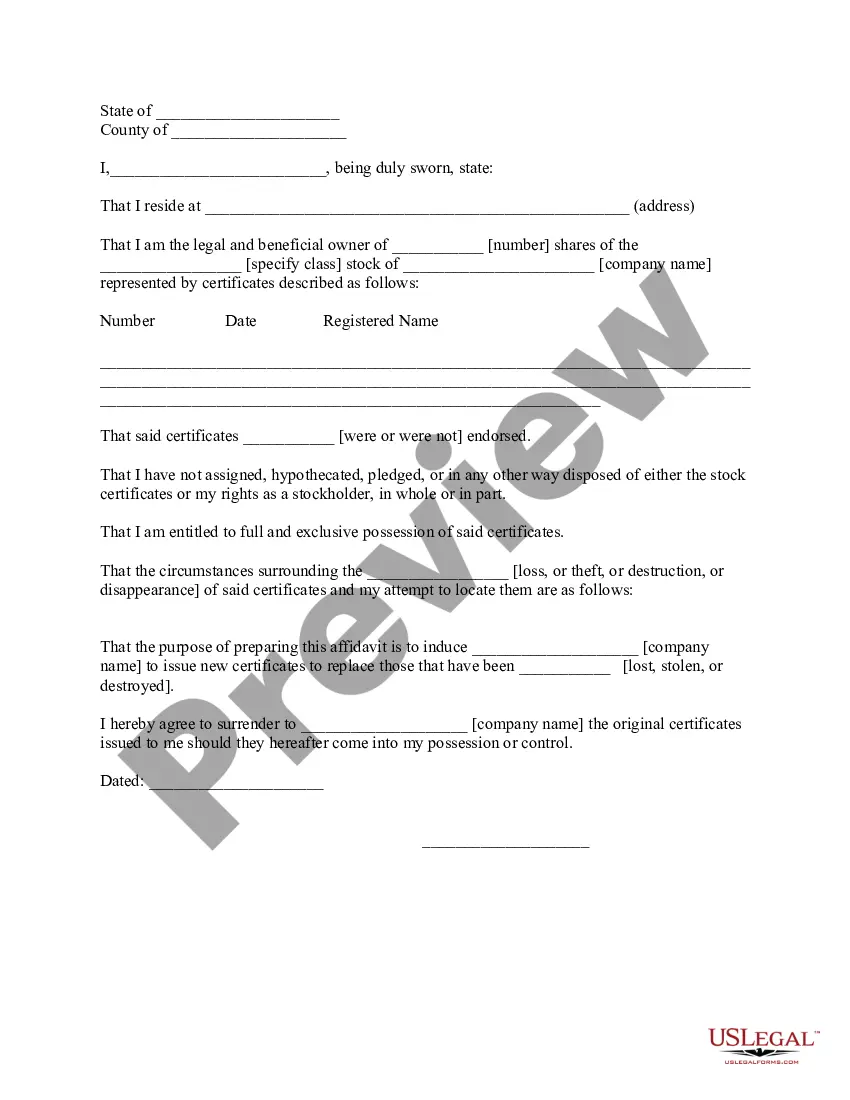


Form popularity
FAQ
New York courts must divide the marital property “equitably.” That means fairly, considering the circumstances of the case and of the parties involved, but it does not necessarily mean “equally.” There is no statutory requirement of a 50/50 split of marital property.
If you co-own property such as a home, building or vacant land with someone in New York and have come to find this co-ownership situation unbearable, undesirable or unaffordable you can under New York State's RPAPL Article 9 Partition law bring a partition action and force your co-owner to either sell the property or ...
Any co-owner—called a co-tenant—or a creditor can force a sale of the property. A creditor can also seize at least a portion of the debtor's property or the proceeds of a sale.
A common one arises when one owner wants to sell the property and the other does not. Sometimes the co-owner who does not want to sell is not in a position to buy out the selling co-owner's share. When this happens, New York real estate law allows for an action known as a partition.
In California siblings can force the sale of inherited property through a partition action. Partition actions allow siblings who co-own inherited property to request a court-ordered sale of property when it cannot be physically divided or the siblings cannot reach an agreement on the property's management and disposal.
Joint Owner's Debts Could Become Your Problem For example, if you add your adult child to the deed of your home and they have undisclosed debts, your property could be at risk of being seized to settle those debts.
How Many Years Do You Have to Be Married to Get Alimony in New York? The ability to receive spousal maintenance in a New York divorce is not set by a standard timeline. There are several considerations that are taken into account when determining if spousal maintenance is provided.
You don't need anyone's permission to file for divorce. It's your choice. Yes, you can definitely file without a lawyer, but it's not the easiest process. You should try using for the paperwork. I'm not from NY, but my x and I went through the process without lawyers.
The husband and wife must be living separate and apart for a period of at least one year after signing a separation agreement to use it for a divorce.
In New York, a partition action can take between 1.5 to 2 years to get to trial. The period depends on various factors, such as the complexity of the case, the number of parties, and the court's case load. Most partition actions, however, are settled and do not go through trial.
