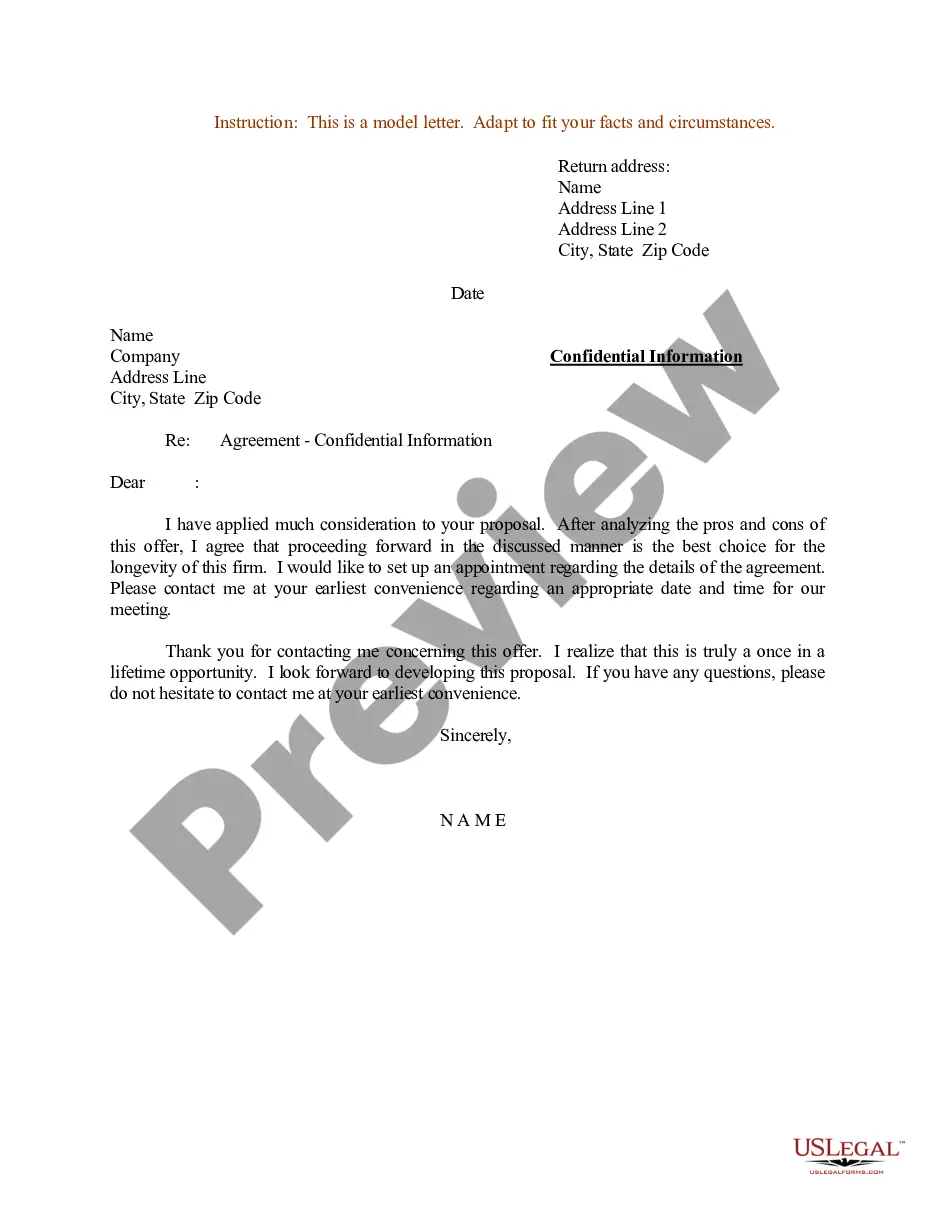
Private And Confidential Letter Sample With Reason
Description
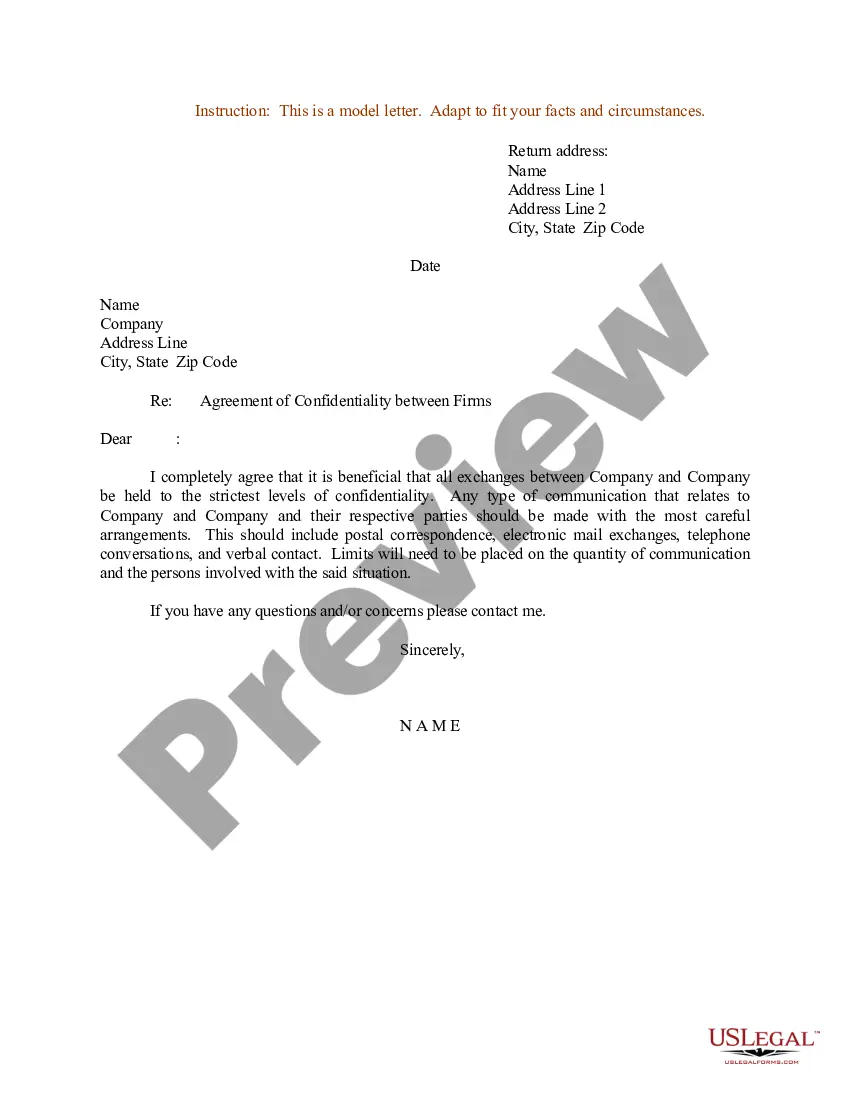
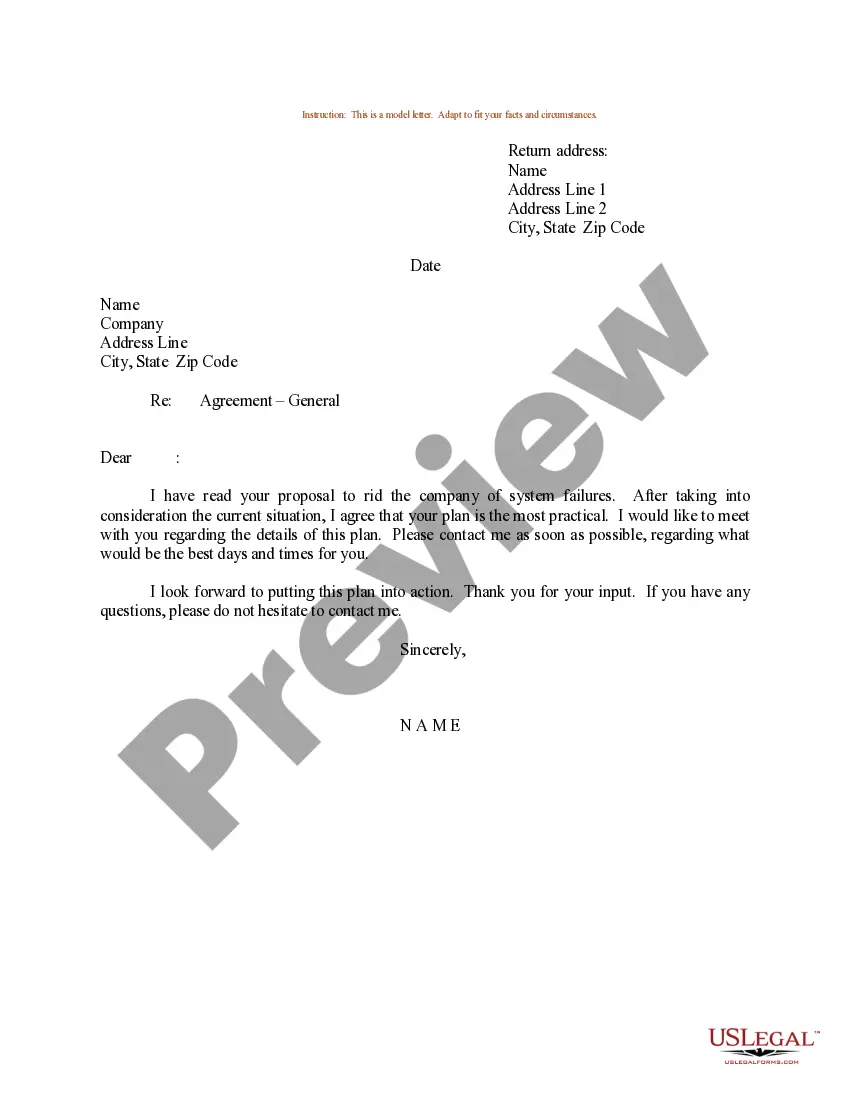
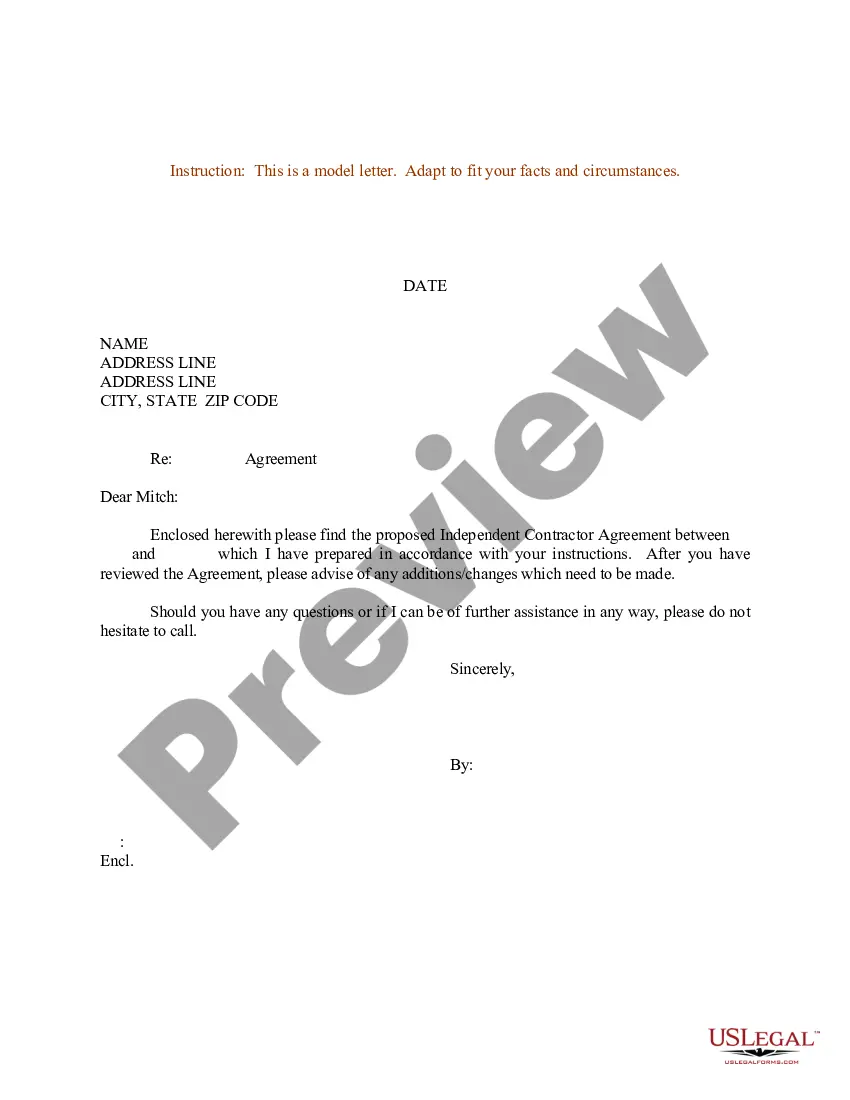
Get your form ready online
Our built-in tools help you complete, sign, share, and store your documents in one place.
Make edits, fill in missing information, and update formatting in US Legal Forms—just like you would in MS Word.
Download a copy, print it, send it by email, or mail it via USPS—whatever works best for your next step.
Sign and collect signatures with our SignNow integration. Send to multiple recipients, set reminders, and more. Go Premium to unlock E-Sign.
If this form requires notarization, complete it online through a secure video call—no need to meet a notary in person or wait for an appointment.
We protect your documents and personal data by following strict security and privacy standards.

Make edits, fill in missing information, and update formatting in US Legal Forms—just like you would in MS Word.

Download a copy, print it, send it by email, or mail it via USPS—whatever works best for your next step.

Sign and collect signatures with our SignNow integration. Send to multiple recipients, set reminders, and more. Go Premium to unlock E-Sign.

If this form requires notarization, complete it online through a secure video call—no need to meet a notary in person or wait for an appointment.

We protect your documents and personal data by following strict security and privacy standards.
Looking for another form?
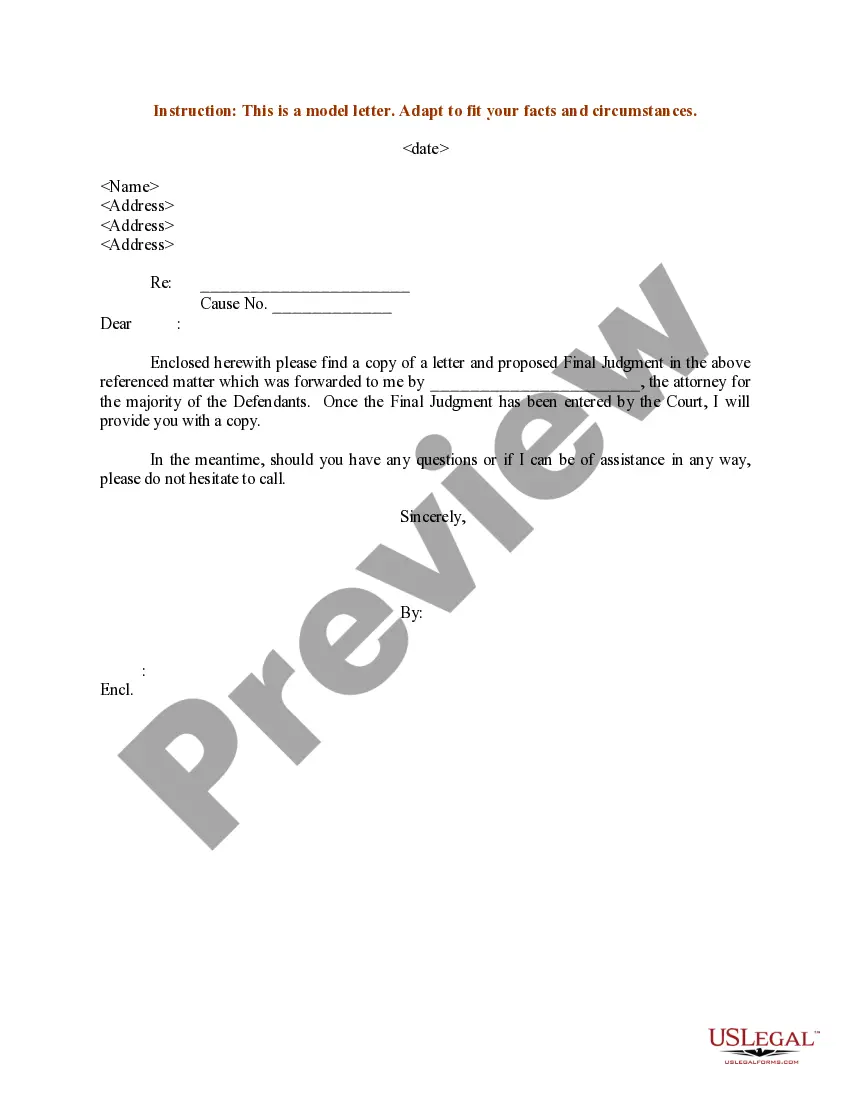
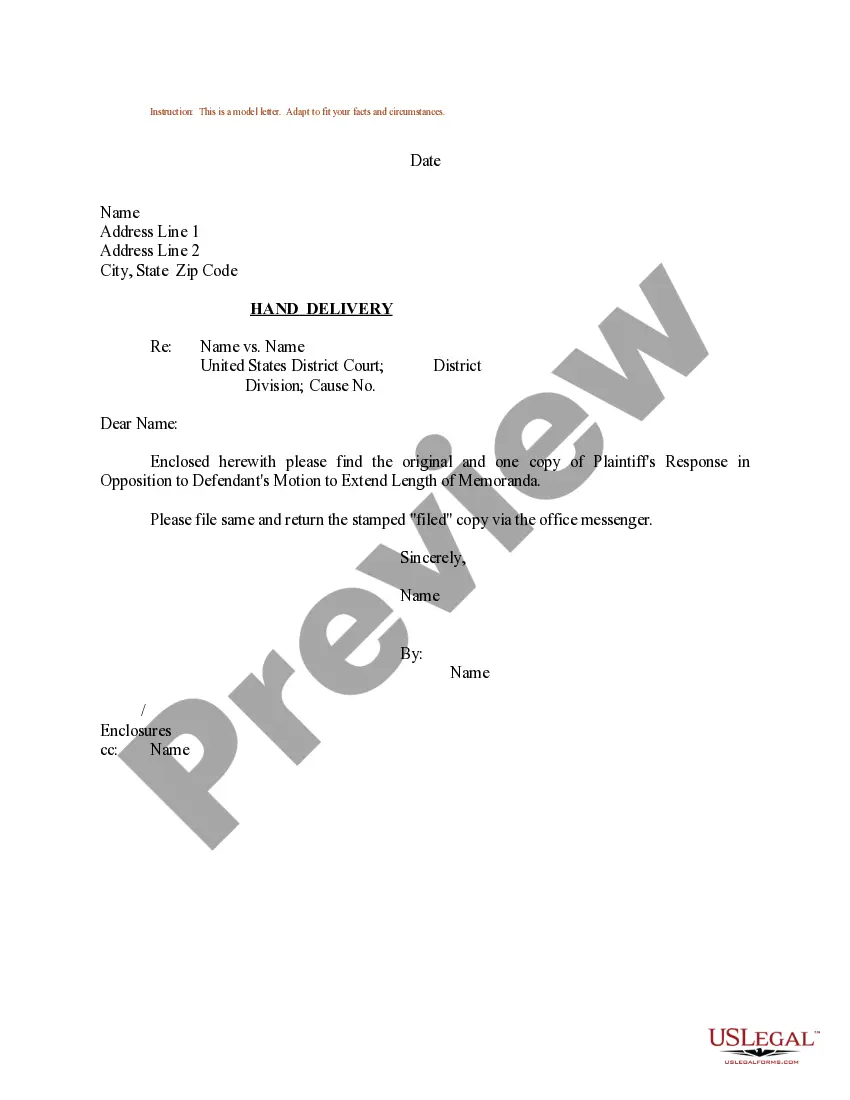
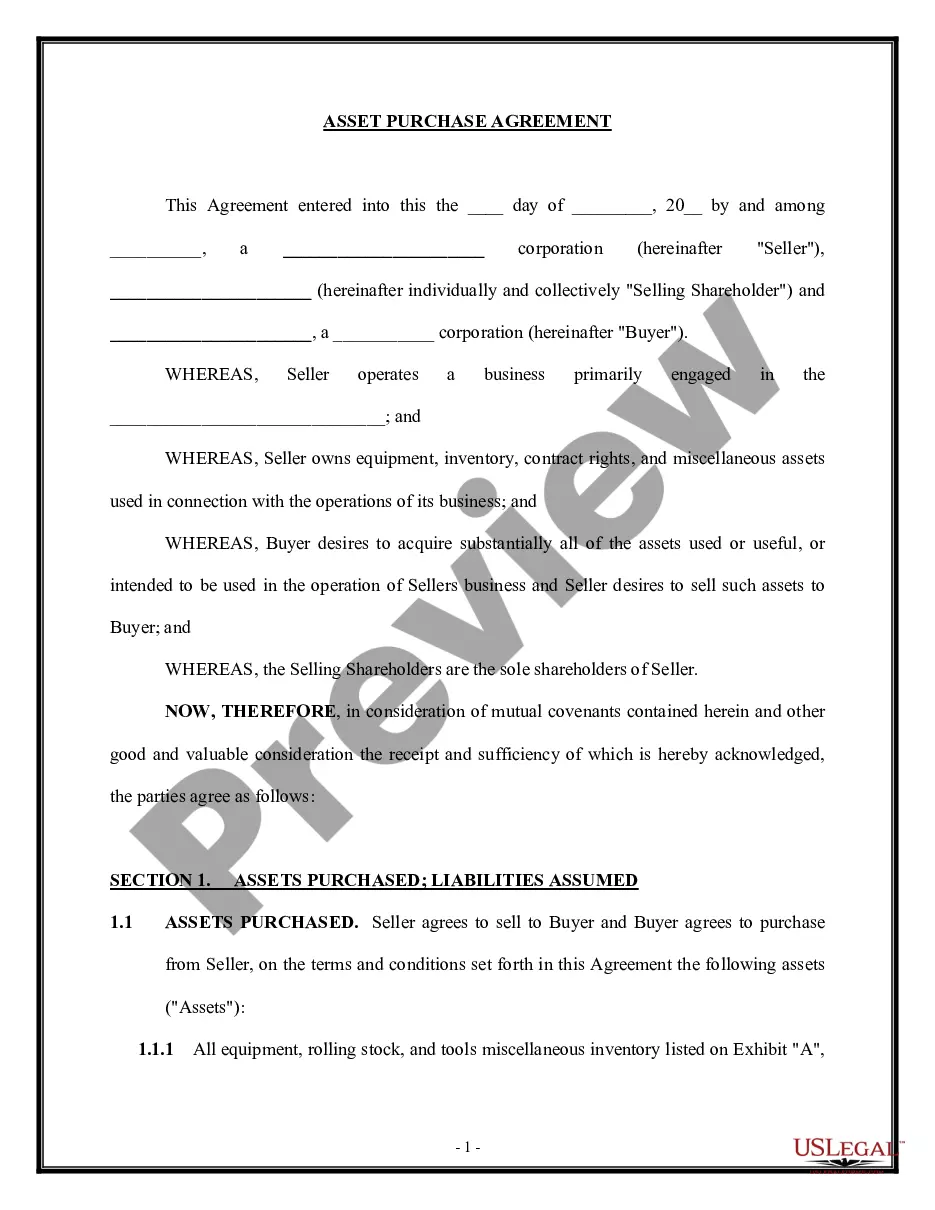
How to fill out Sample Letter For Agreement - Confidential Information?
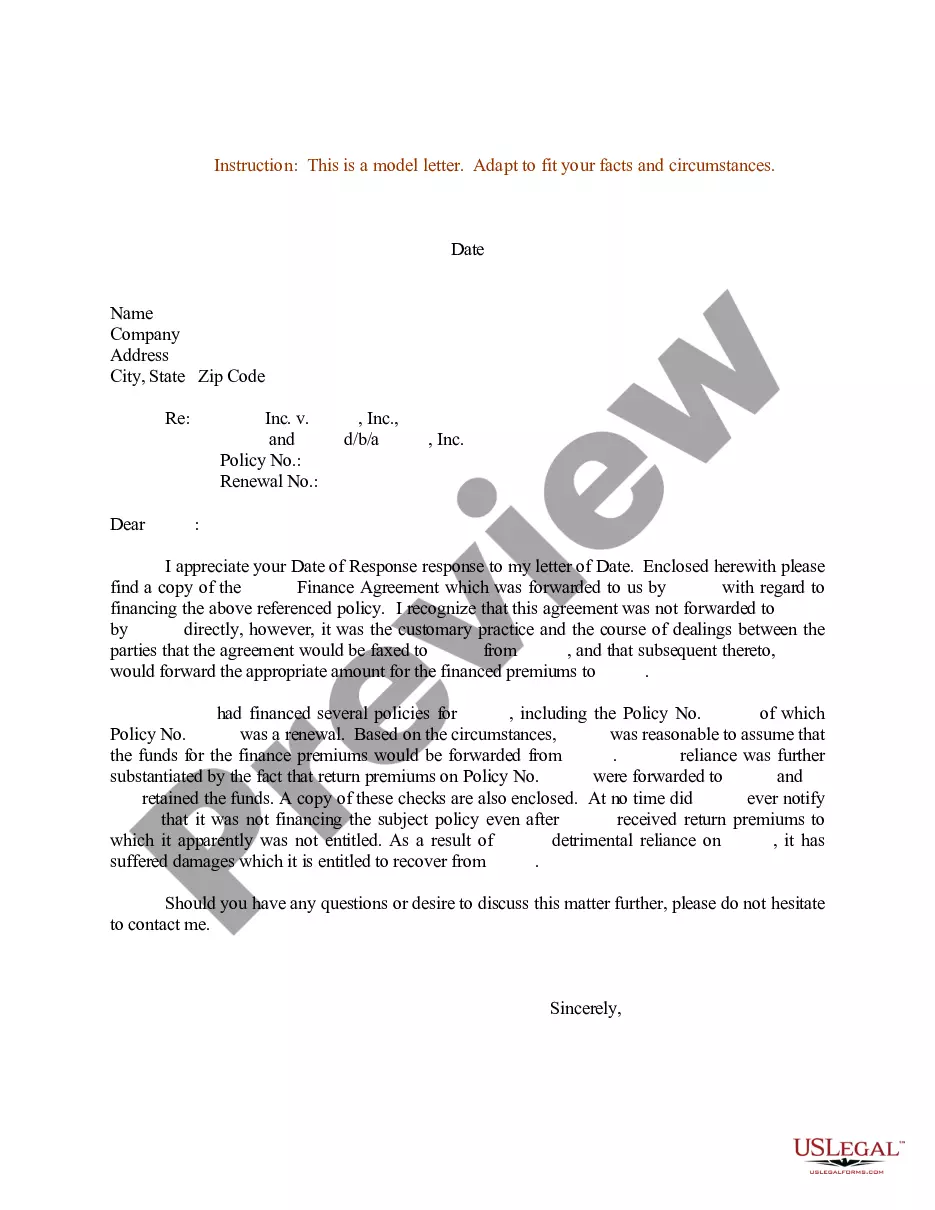
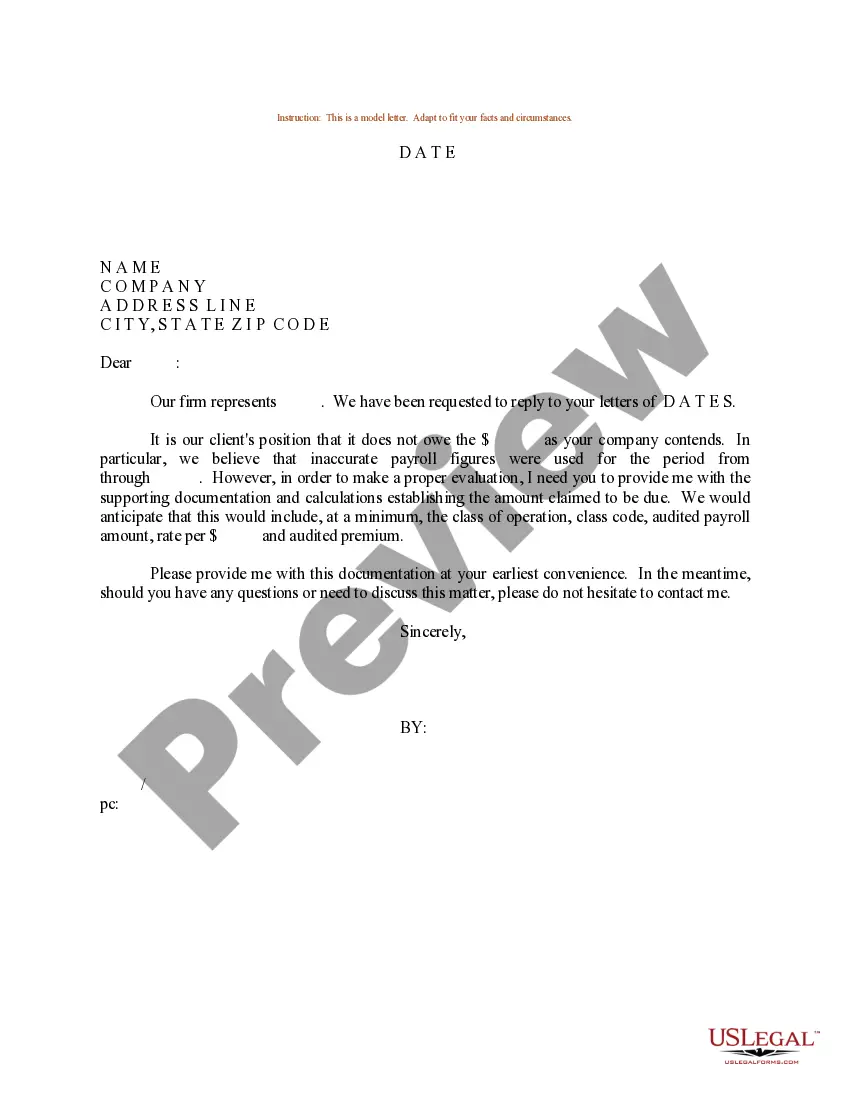
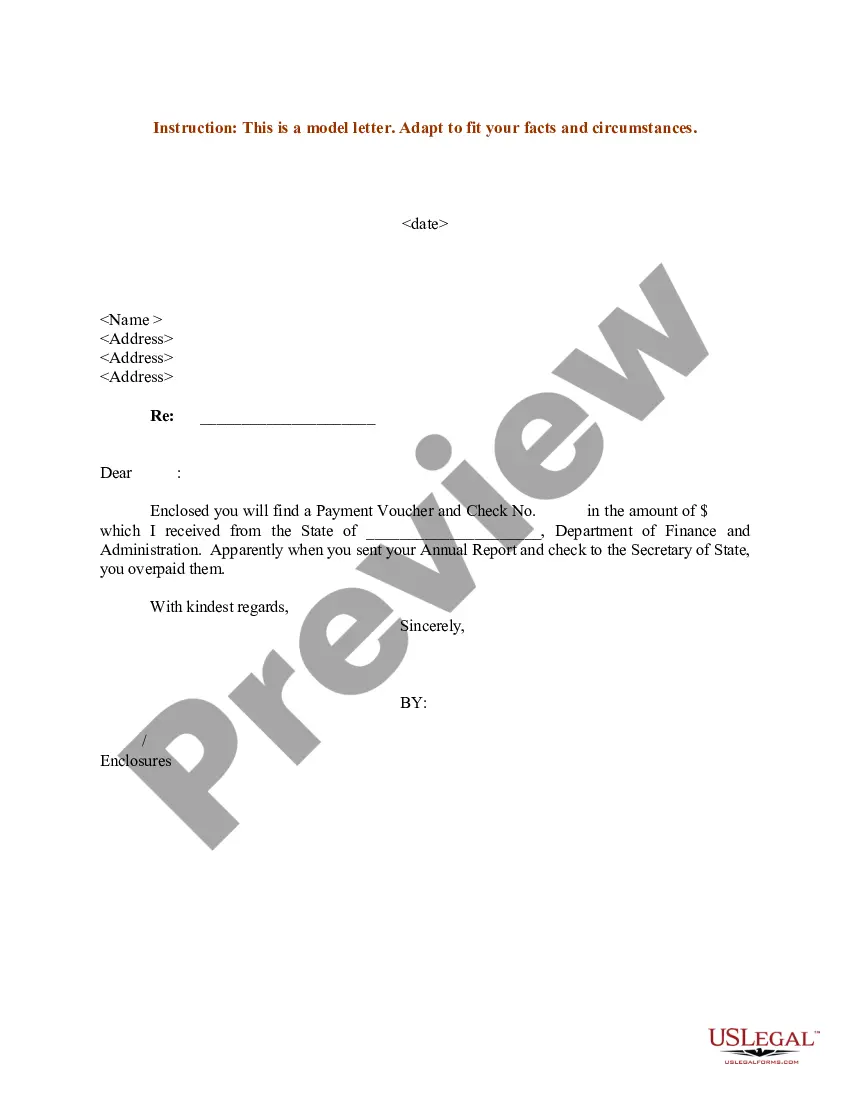
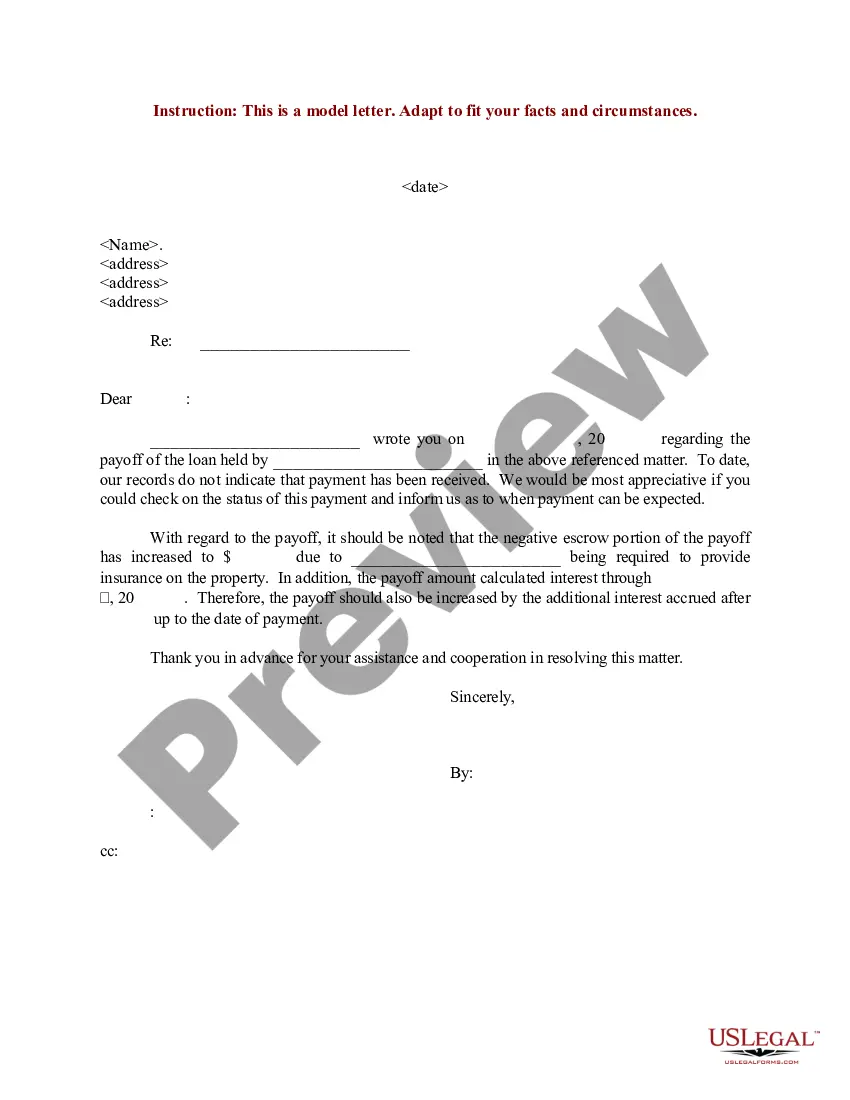
The personal and confidential letter example with justification displayed on this website is a versatile legal template prepared by expert attorneys in accordance with federal and state laws.
For more than 25 years, US Legal Forms has supplied individuals, organizations, and legal professionals with over 85,000 validated, state-specific documents for any business or personal event. It’s the fastest, easiest, and most reliable method to acquire the paperwork you require, as the service ensures the utmost level of data protection and anti-malware safeguards.
Register for US Legal Forms to access verified legal templates for all aspects of life available at your fingertips.
- Search for the document you require and review it.
- Examine the file you searched for and preview it or verify the form description to ensure it meets your requirements. If it doesn’t, use the search feature to find the correct one. Hit the Buy Now button once you have found the template you desire.
- Select and Log In to your account.
- Choose a pricing plan that fits your needs and sign up for an account. Utilize PayPal or a credit card to make an immediate payment. If you already possess an account, Log In and verify your subscription to proceed.
- Obtain the editable template.
- Pick the format you prefer for your personal and confidential letter example with justification (PDF, Word, RTF) and store the sample on your device.
Form popularity
FAQ
The value of the words 'Private and Confidential' in a legal sense depends on the context in which they are used. Often these words are written on correspondence merely to emphasise that the intended recipient must open the letter, rather than someone else.
As part of my position / employment I am required to understand and agree to the following: 1. I WILL ONLY access information I need to do my job. 2. I WILL NOT disclose, copy, release, sell, alter or destroy any confidential information, either electronic or paperbased unless it is part of my job.
A confidentiality agreement should include a clear definition of the confidential information, scope of the agreement, obligations of the receiving party, the duration of the contract, any exceptions to confidentiality, and the consequences of a breach of the contract.
One way to indicate confidentiality and sensitivity is to use labels on the letter and the envelope, such as "Confidential", "Personal", "Private", or "Sensitive". These labels should be placed on the top or bottom of the letter, and on the front or back of the envelope.
One way to indicate confidentiality and sensitivity is to use labels on the letter and the envelope, such as "Confidential", "Personal", "Private", or "Sensitive". These labels should be placed on the top or bottom of the letter, and on the front or back of the envelope.