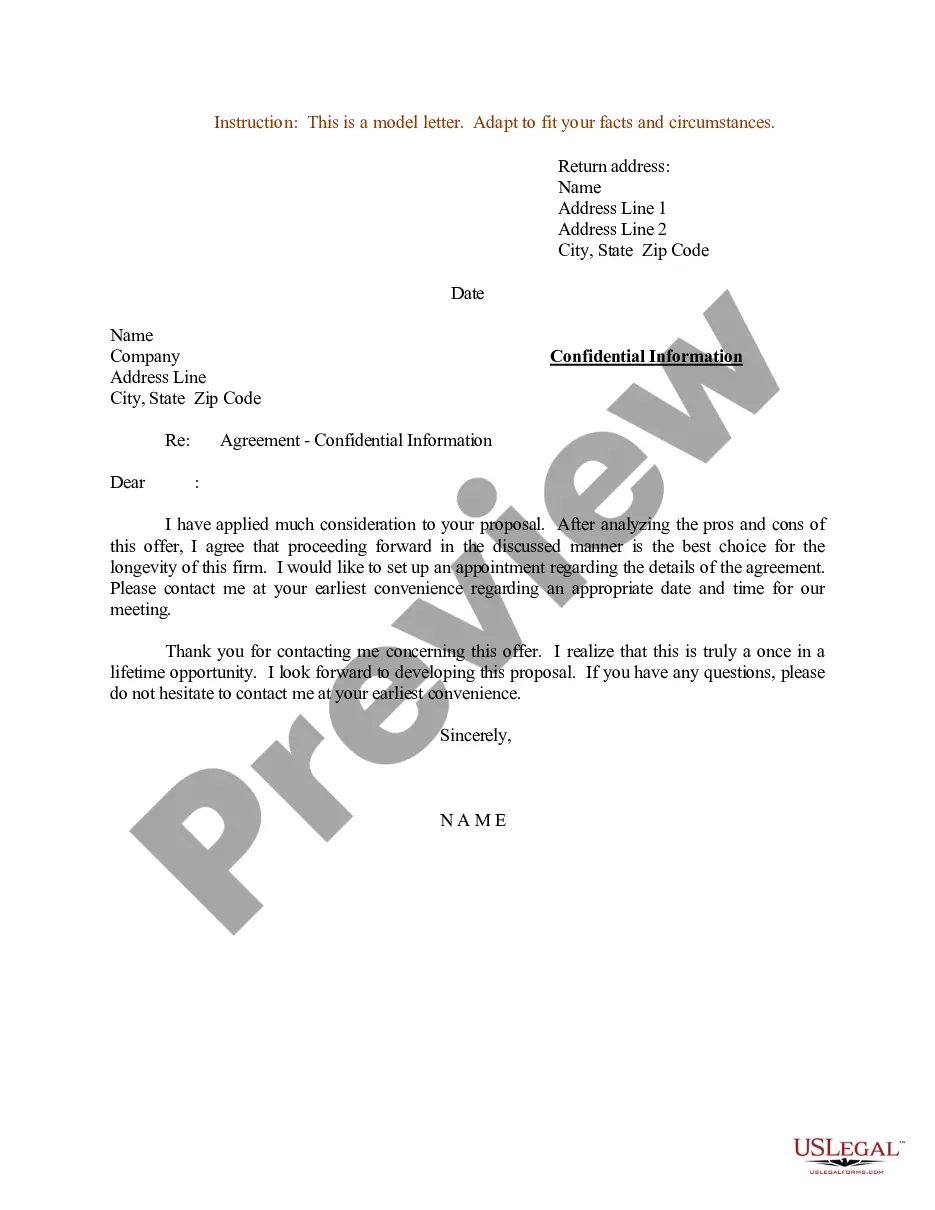
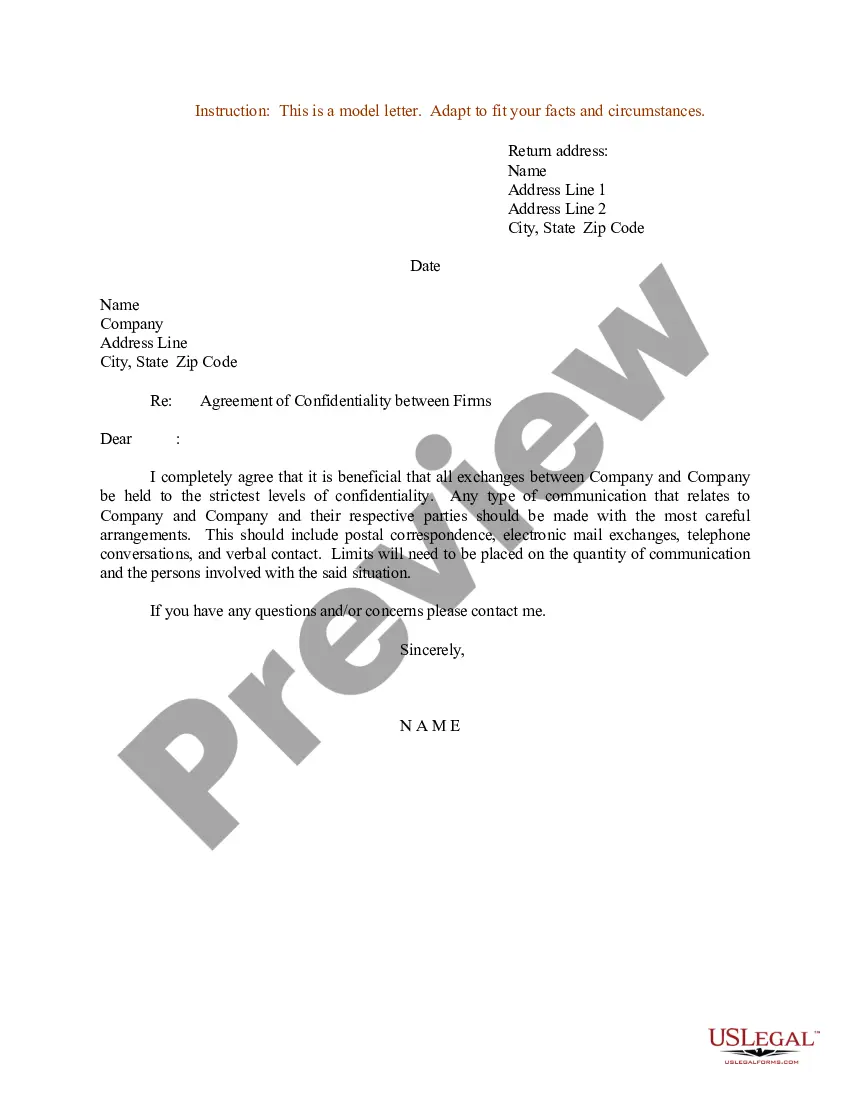
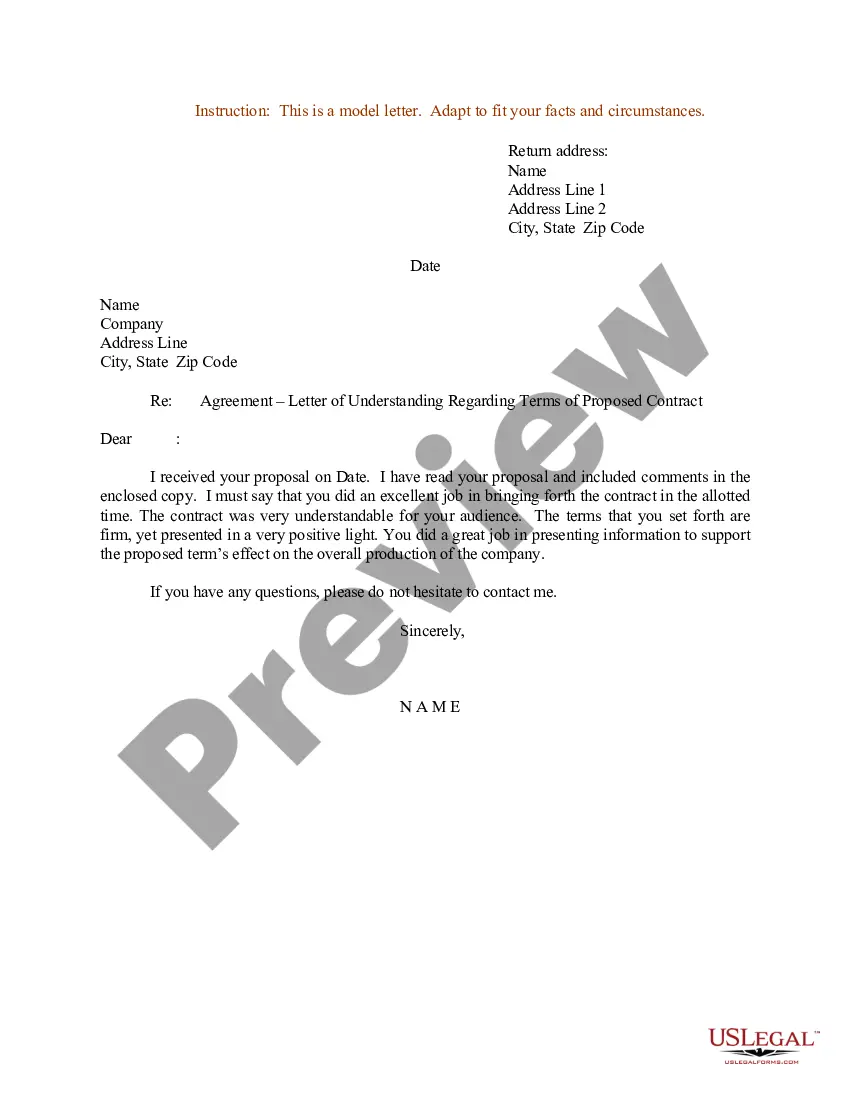
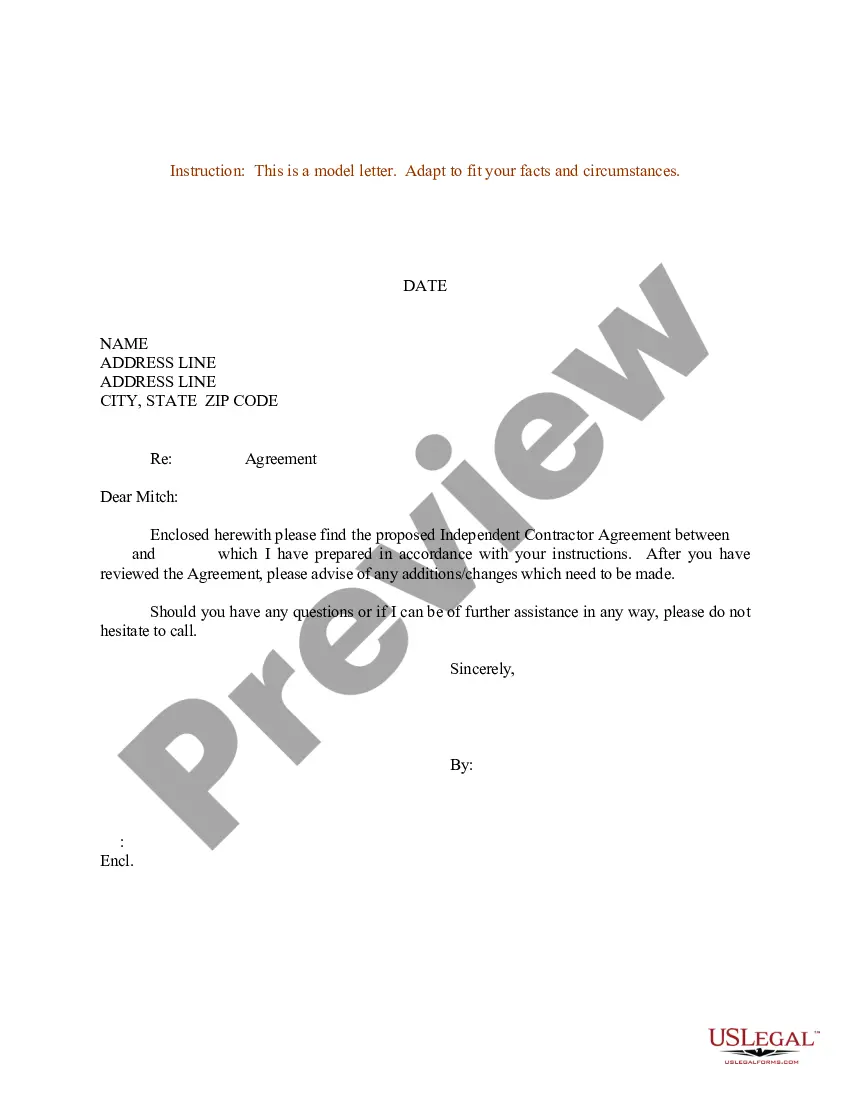
Sample Letter For Disclosing Confidential Information For Employee In Pima
Description

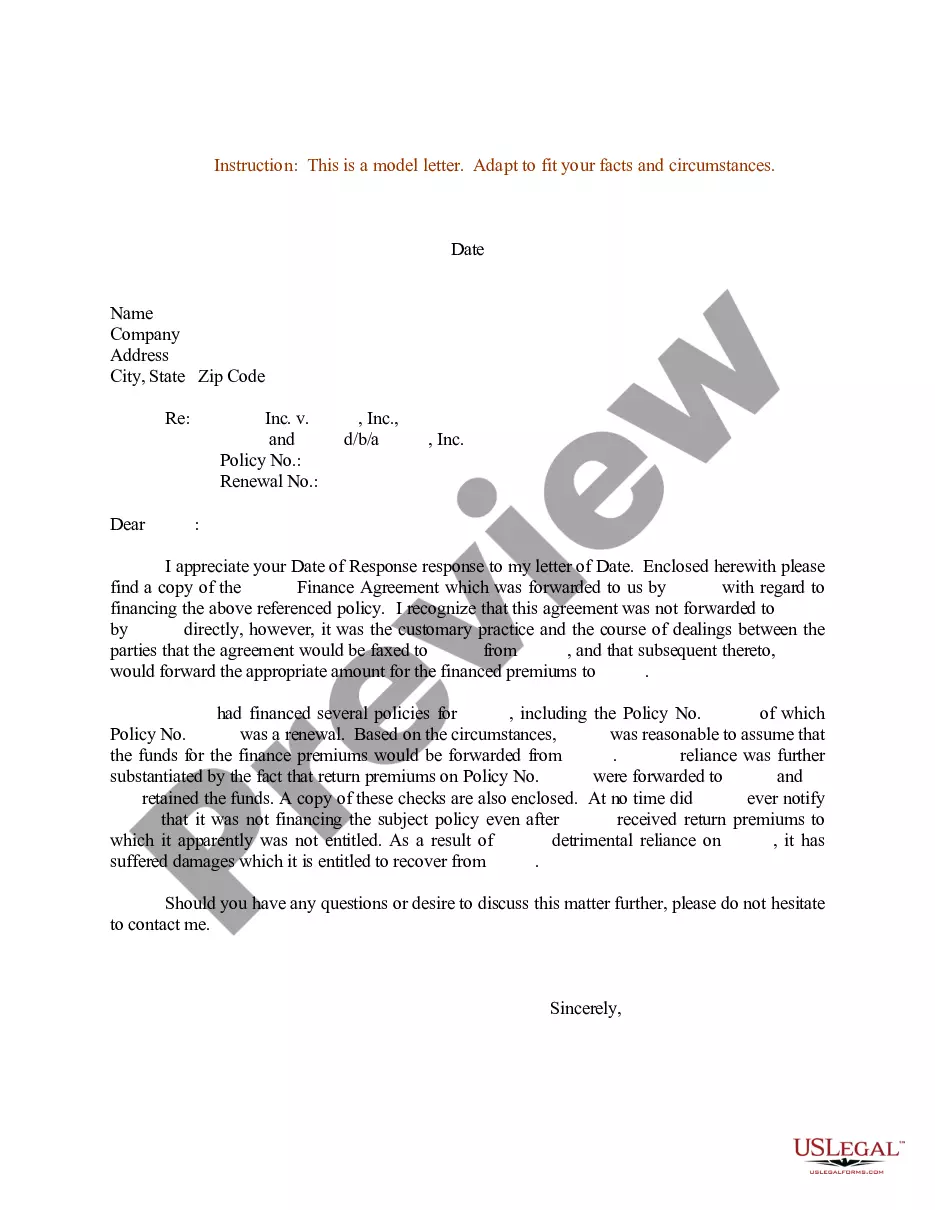
Get your form ready online
Our built-in tools help you complete, sign, share, and store your documents in one place.
Make edits, fill in missing information, and update formatting in US Legal Forms—just like you would in MS Word.
Download a copy, print it, send it by email, or mail it via USPS—whatever works best for your next step.
Sign and collect signatures with our SignNow integration. Send to multiple recipients, set reminders, and more. Go Premium to unlock E-Sign.
If this form requires notarization, complete it online through a secure video call—no need to meet a notary in person or wait for an appointment.
We protect your documents and personal data by following strict security and privacy standards.

Make edits, fill in missing information, and update formatting in US Legal Forms—just like you would in MS Word.

Download a copy, print it, send it by email, or mail it via USPS—whatever works best for your next step.

Sign and collect signatures with our SignNow integration. Send to multiple recipients, set reminders, and more. Go Premium to unlock E-Sign.

If this form requires notarization, complete it online through a secure video call—no need to meet a notary in person or wait for an appointment.

We protect your documents and personal data by following strict security and privacy standards.
Looking for another form?








Form popularity
FAQ
United States government sanctions are financial and trade restrictions imposed against individuals, entities, and jurisdictions whose actions contradict U.S. foreign policy or national security goals.
HIPAA Compliance Checklist for the Organization Perform an ongoing risk assessment to detect any potential gaps. Conduct risk management to ensure reasonable PHI security is in place. Train staff in ePHI access protocols and how to mitigate chances of social engineering to reduce chances of cyber-intrusion.
HIPAA's Breach Notification Rule requires covered entities to notify patients when their unsecured protected heath information (PHI) is impermissibly used or disclosed—or “breached,”—in a way that compromises the privacy and security of the PHI.
Sanction policies are structured guidelines that specify the consequences or penalties for non-compliance, ranging from warnings to potential termination, based on the severity and nature of the breach.
Penalizing other persons or entities (for example, by blocking or “freezing” their assets, or denying access to international travel or to the international financial system).
Prominent forms of economic sanctions include trade barriers, asset freezes, travel bans, arms embargoes, and restrictions on financial transactions. The efficacy of sanctions in achieving intended goals is a subject of debate. Scholars have also considered the policy externalities of sanctions.
Sanctions refer to a variety of measures imposed by one country or a group of countries against another country, organization, or individual to encourage a change in behavior, punish non-compliance with international norms or laws, or achieve specific policy objectives.
HIPAA requires a covered entity to implement sanctions for violations of policies and procedures. A covered entity must have appropriate sanctions and apply appropriate sanctions against its workforce who fail to comply with the policies and procedures of the covered entity.
Sanction policies are structured guidelines that specify the consequences or penalties for non-compliance, ranging from warnings to potential termination, based on the severity and nature of the breach.
The HIPAA Security Rule requires physicians to protect patients' electronically stored, protected health information (known as “ePHI”) by using appropriate administrative, physical and technical safeguards to ensure the confidentiality, integrity and security of this information.