Notary Application Form California In Utah
Description

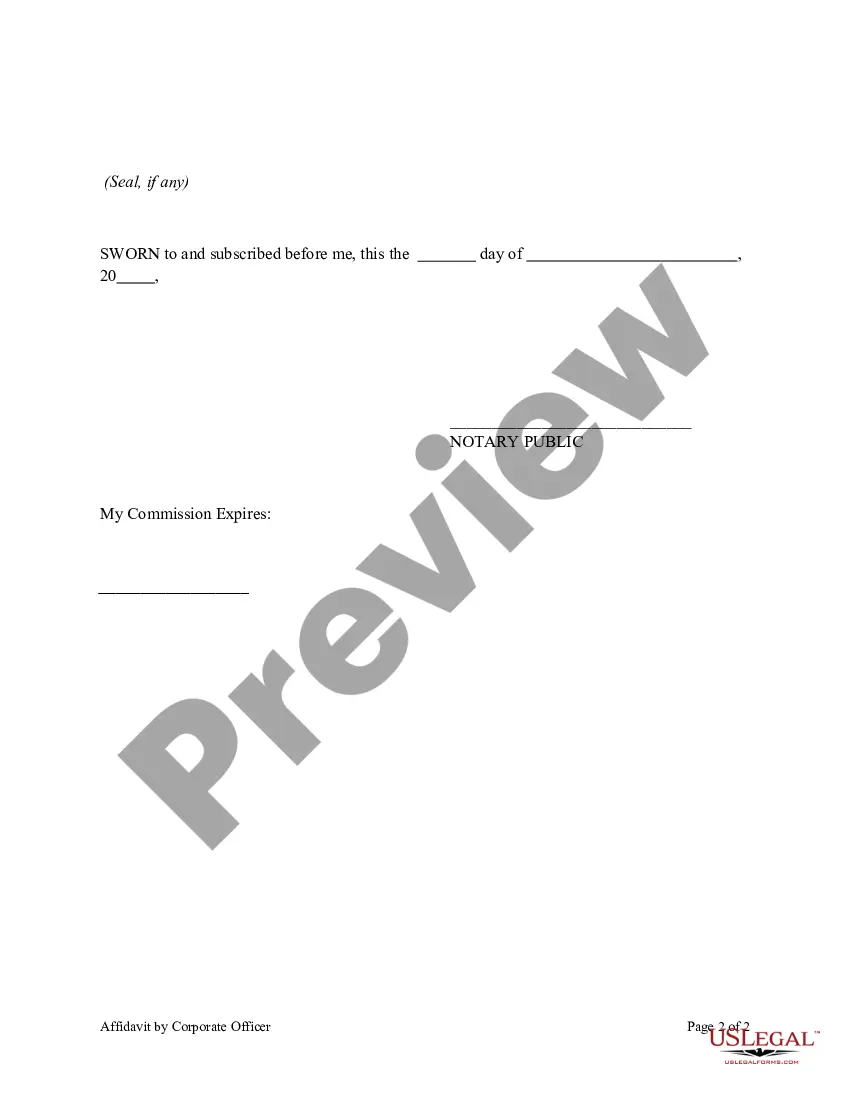
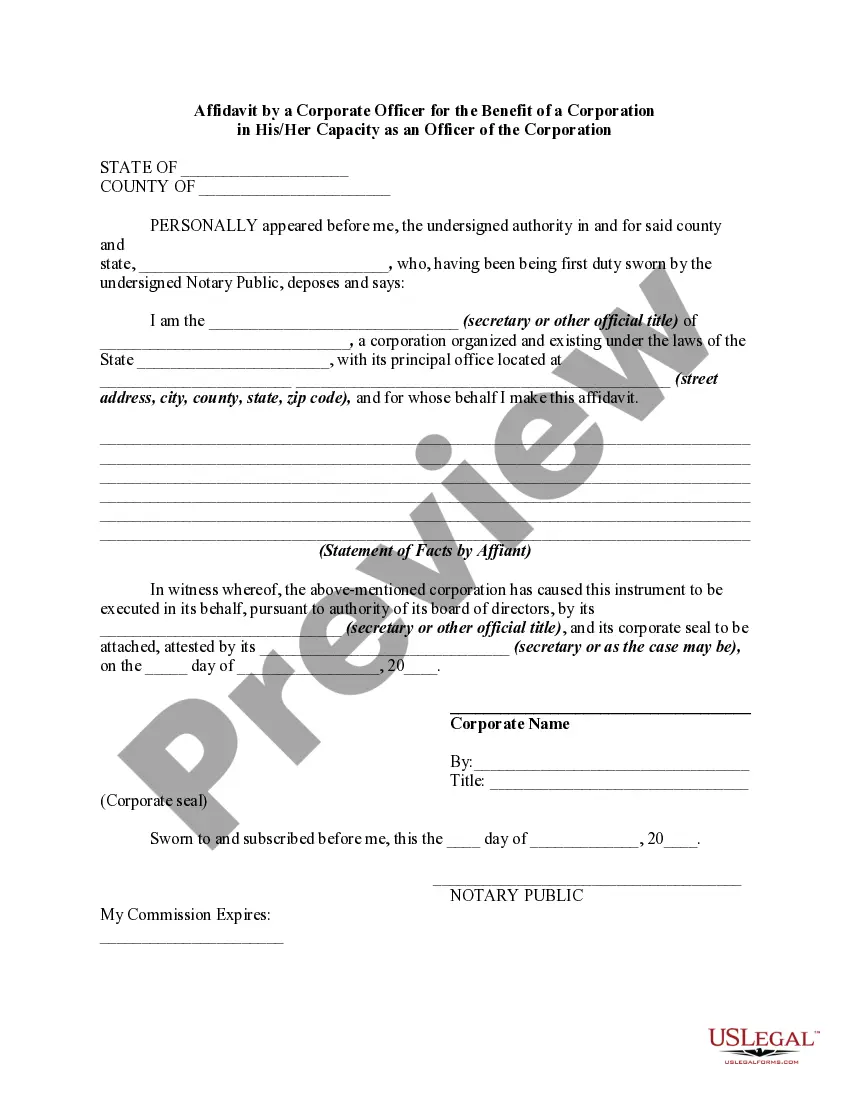
Get your form ready online
Our built-in tools help you complete, sign, share, and store your documents in one place.
Make edits, fill in missing information, and update formatting in US Legal Forms—just like you would in MS Word.
Download a copy, print it, send it by email, or mail it via USPS—whatever works best for your next step.
Sign and collect signatures with our SignNow integration. Send to multiple recipients, set reminders, and more. Go Premium to unlock E-Sign.
If this form requires notarization, complete it online through a secure video call—no need to meet a notary in person or wait for an appointment.
We protect your documents and personal data by following strict security and privacy standards.

Make edits, fill in missing information, and update formatting in US Legal Forms—just like you would in MS Word.

Download a copy, print it, send it by email, or mail it via USPS—whatever works best for your next step.

Sign and collect signatures with our SignNow integration. Send to multiple recipients, set reminders, and more. Go Premium to unlock E-Sign.

If this form requires notarization, complete it online through a secure video call—no need to meet a notary in person or wait for an appointment.

We protect your documents and personal data by following strict security and privacy standards.
Looking for another form?









Form popularity
FAQ
The short answer is yes, notary publics are legally allowed to notarize documents from any state as long the notarial act is conducted within the geographical boundaries of the notary's state of commission.
California. California has some of the most stringent application requirements for Notaries in the U.S. — including a required education course and background check — and the mandatory exam is among the most challenging in any state.
How to Fill Out the California Notary Public Application Your entire social security number or your unique taxpayer identification number. Your birthdate. Your driver's license number. Your full name. Your notary public commission name. The name of your business. The county where your business is located.
New York. New York has one of the toughest tests to become a Notary. The Empire State requires Notary applicants to take and pass an exam in order to receive a commission. However, the state does not require any training so applicants are on their own to learn the material covered in the exam.
A notary public may complete a certificate of acknowledgment required in another state or jurisdiction of the United States on documents to be filed in that other state or jurisdiction, provided the form does not require the notary public to determine or certify that the signer holds a particular representative ...
Does California allow remote online notaries? Yes. Starting January 1, 2024, Californians will have the option to get their documents notarized online, based on California Senate Bill 696.
The notary and the signer must be able to directly communicate in one language, without the need for any third party. Thus, it is not permissible to use a translator. ing to the California state laws, direct communication is an essential requirement when notarizing any foreign language documents.
Yes, a notary can legally notarize out-of-state documents as long as they are acting within the boundaries of their jurisdiction and in ance with all local state requirements.
One of the most common mistakes that notaries make is not printing or signing their name exactly as it appears on their notary commission.
