Notary Application Form California In Orange
Description

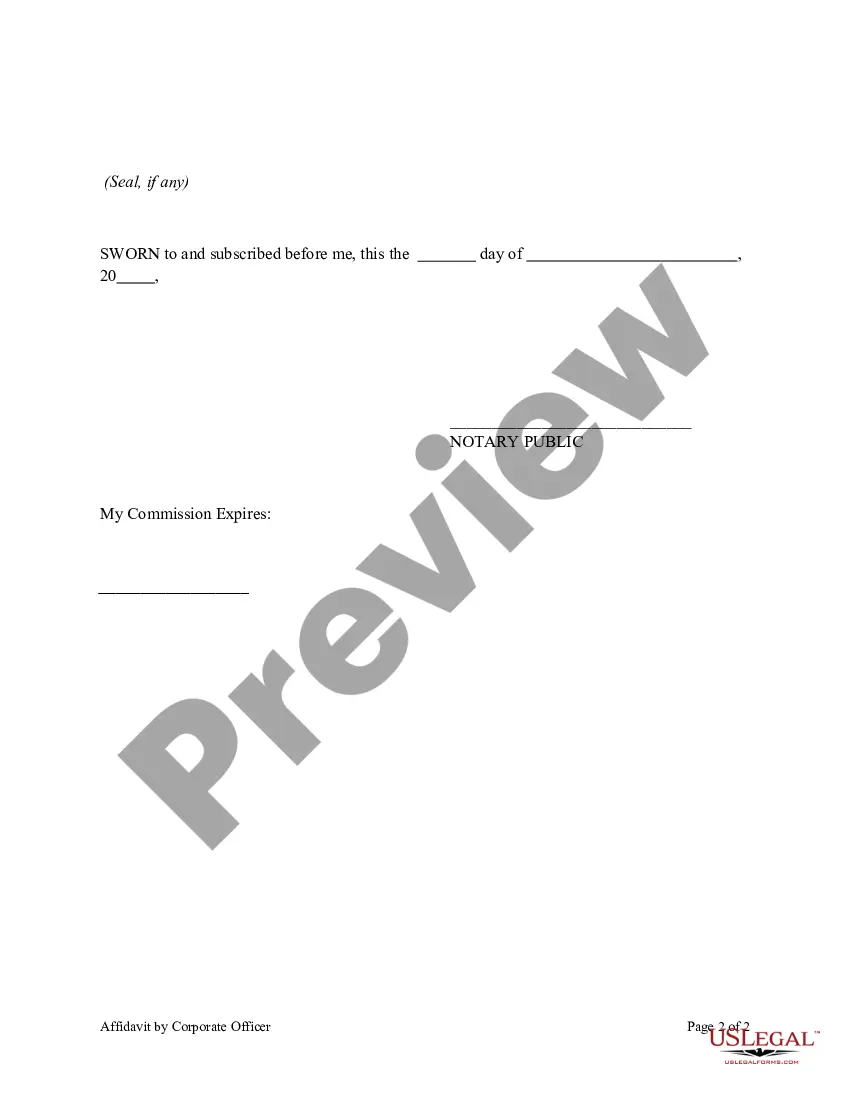
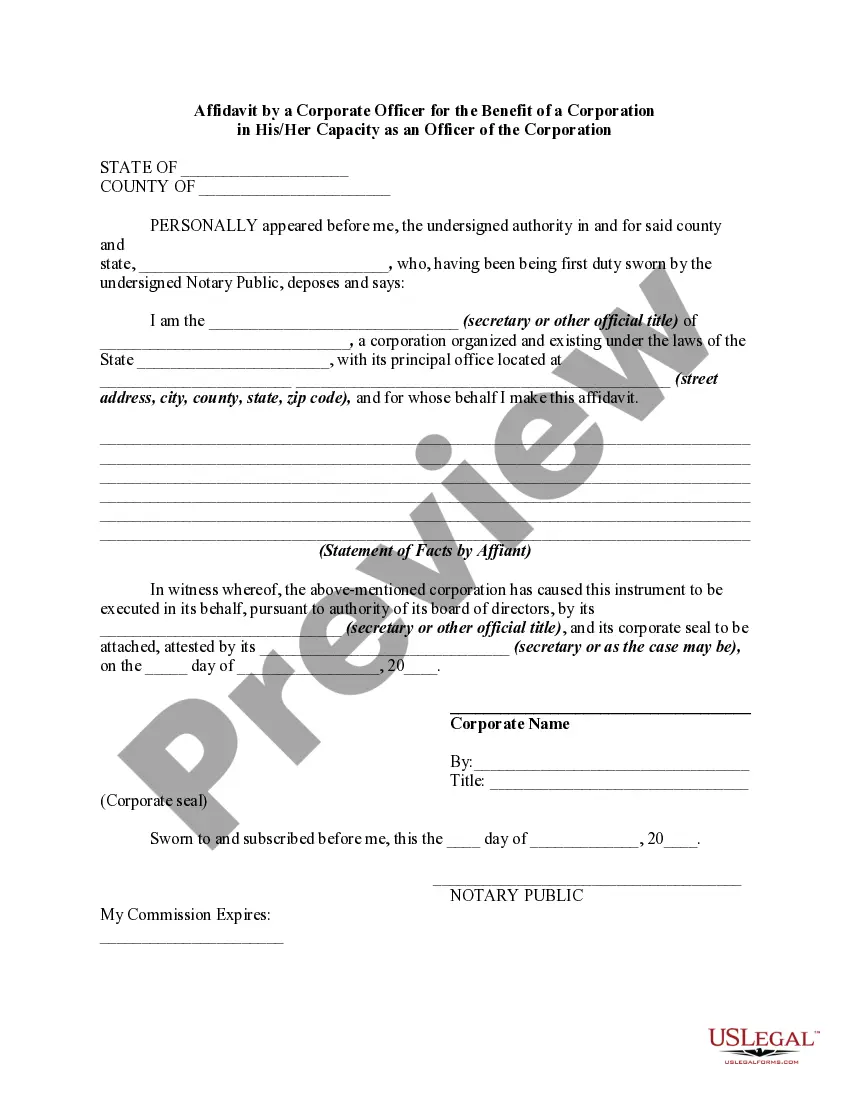
Get your form ready online
Our built-in tools help you complete, sign, share, and store your documents in one place.
Make edits, fill in missing information, and update formatting in US Legal Forms—just like you would in MS Word.
Download a copy, print it, send it by email, or mail it via USPS—whatever works best for your next step.
Sign and collect signatures with our SignNow integration. Send to multiple recipients, set reminders, and more. Go Premium to unlock E-Sign.
If this form requires notarization, complete it online through a secure video call—no need to meet a notary in person or wait for an appointment.
We protect your documents and personal data by following strict security and privacy standards.

Make edits, fill in missing information, and update formatting in US Legal Forms—just like you would in MS Word.

Download a copy, print it, send it by email, or mail it via USPS—whatever works best for your next step.

Sign and collect signatures with our SignNow integration. Send to multiple recipients, set reminders, and more. Go Premium to unlock E-Sign.

If this form requires notarization, complete it online through a secure video call—no need to meet a notary in person or wait for an appointment.

We protect your documents and personal data by following strict security and privacy standards.
Looking for another form?









Form popularity
FAQ
If you plan to continue being a Notary, keep your completed journals under your direct and exclusive control. If you plan to resign your commission, deliver all of your journals to the county clerk's office in which your current oath is on file within 30 days of the resignation.
How to notarize a document in California Step 1: Personal appearance is required. Step 2: Check over the document before notarizing. Step 3: Carefully identify the signer. Step 4: Complete your journal entry. Step 5: Fill in the notarial certificate.
How to Fill Out the California Notary Public Application Your entire social security number or your unique taxpayer identification number. Your birthdate. Your driver's license number. Your full name. Your notary public commission name. The name of your business. The county where your business is located.
In order to complete an online notarization in California, you'll need the following: An original, unsigned document (Don't sign it before uploading! ... A computer, iPhone, or Android phone with audio and video capabilities. A valid government–issued photo ID. A U.S. social security number for secure identity verification.
If a signer lacks a primary ID, a notary can accept secondary identification documents. However, these documents MUST contain a photograph, physical description, signature, AND an identifying number: Driver's License or State ID from Another U.S. State.
Wondering if it's possible to get something notarized without ID? California law allows for an alternative solution – the use of “two credible witnesses.” If you're in a bind and lack a valid ID, two individuals with current government-issued IDs can step in.
Notaries must adhere to specific statutes such as California Civil Code Section 1185, which dictates the acceptable forms of identification. These include current state-issued driver's licenses, passports, and federal or tribal government IDs, all issued within the last five years.
Photo Identification Document State identification (ID) card. Driver license. US passport or passport card. US military card (front and back) Military dependent's ID card (front and back) Permanent Resident Card. Certificate of Citizenship. Certificate of Naturalization.
