Notary Application For Georgia In Orange
Description

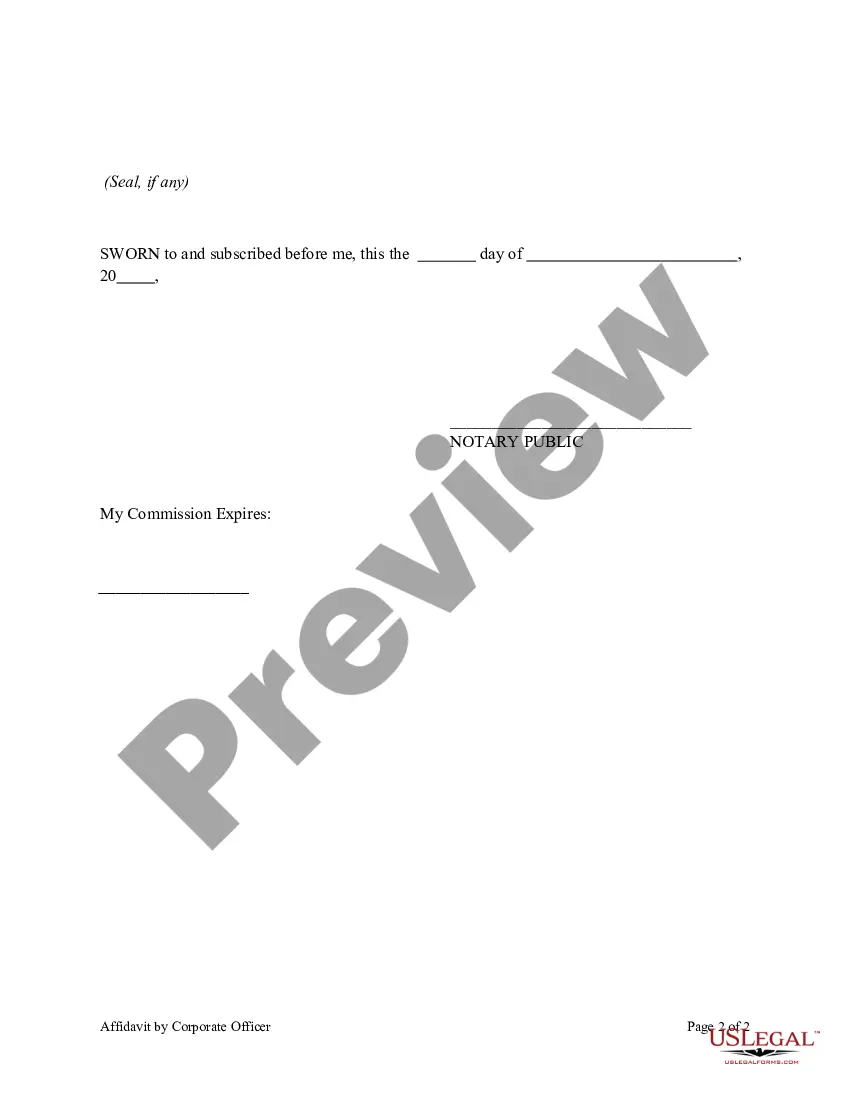
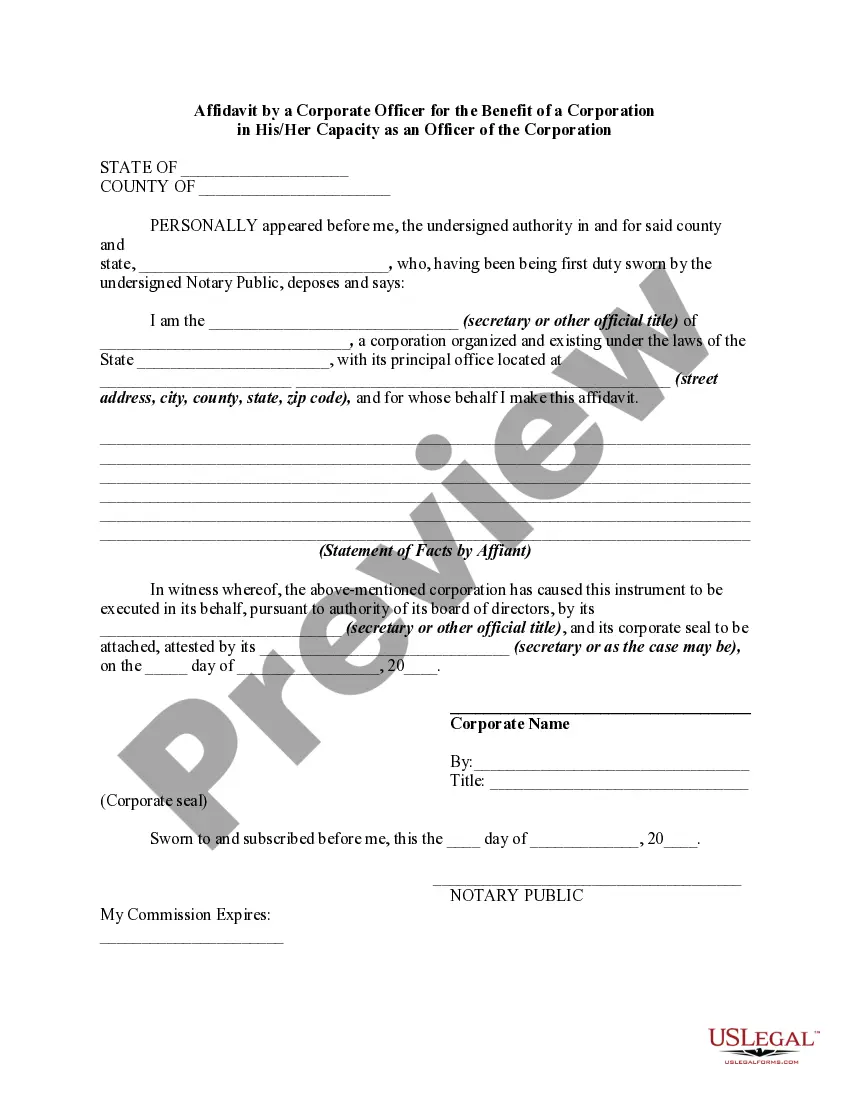
Get your form ready online
Our built-in tools help you complete, sign, share, and store your documents in one place.
Make edits, fill in missing information, and update formatting in US Legal Forms—just like you would in MS Word.
Download a copy, print it, send it by email, or mail it via USPS—whatever works best for your next step.
Sign and collect signatures with our SignNow integration. Send to multiple recipients, set reminders, and more. Go Premium to unlock E-Sign.
If this form requires notarization, complete it online through a secure video call—no need to meet a notary in person or wait for an appointment.
We protect your documents and personal data by following strict security and privacy standards.

Make edits, fill in missing information, and update formatting in US Legal Forms—just like you would in MS Word.

Download a copy, print it, send it by email, or mail it via USPS—whatever works best for your next step.

Sign and collect signatures with our SignNow integration. Send to multiple recipients, set reminders, and more. Go Premium to unlock E-Sign.

If this form requires notarization, complete it online through a secure video call—no need to meet a notary in person or wait for an appointment.

We protect your documents and personal data by following strict security and privacy standards.
Looking for another form?








Form popularity
FAQ
Is online notarization legal in Georgia? No, the state of Georgia does not currently permit notaries to perform Remote Online Notarization (RON). This means that traditional “wet ink” signatures are still required for document notarization in Georgia.
The background check covers 10 years of federal, state, and county records.
In most states, a notary public will no longer be eligible to hold the public office if convicted of a felony offense that has become final and for which no pardon or certificate of restoration of citizenship rights has been granted.
The applicant must be at least 18 years of age, be a citizen of the United States or a legal resident of the United States, be able to read and write English, provide his or her telephone number at the time of application and complete the Notary Public Training Course.
Generally, crimes involving dishonesty, fraud, or moral turpitude would disqualify someone from being a notary public. All states bar those with felonies from becoming a notary public.
One of the most common mistakes that notaries make is not printing or signing their name exactly as it appears on their notary commission.
Sign the Document in Person: In the presence of the Notary Public, sign the document. The Notary will verify your identity and watch you sign the document. They may also ask you to take an oath confirming the truthfulness of the document's contents.
Remote Online Notarization in Georgia was Suspended on April 15, 2022; it was temporarily legal in Georgia due to Covid-19 but is now illegal.
Notarizing your own documents is prohibited in all 50 states. This means that a notary cannot legally notarize their own documents. If a notary needs to have a document notarized, they will need to contact a commissioned, third-party notary public to carry out the transaction.
