Sample Notary Forms With Child In North Carolina
Description

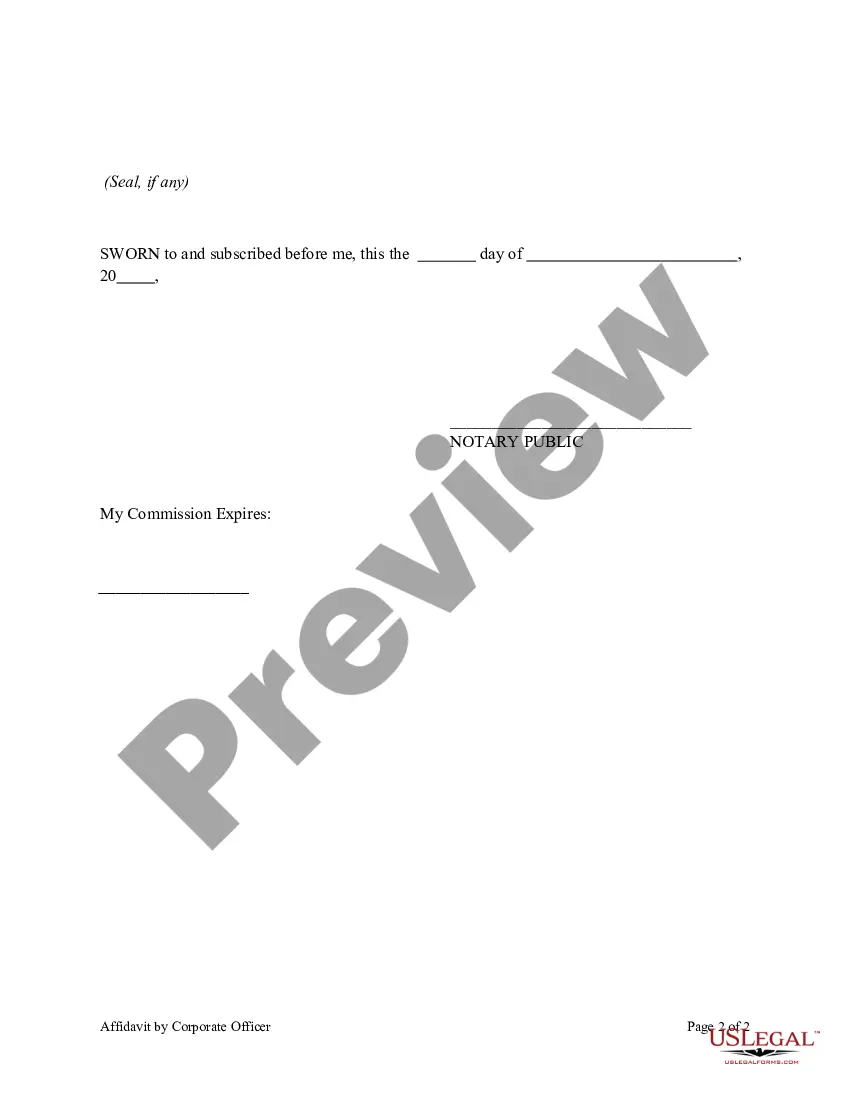
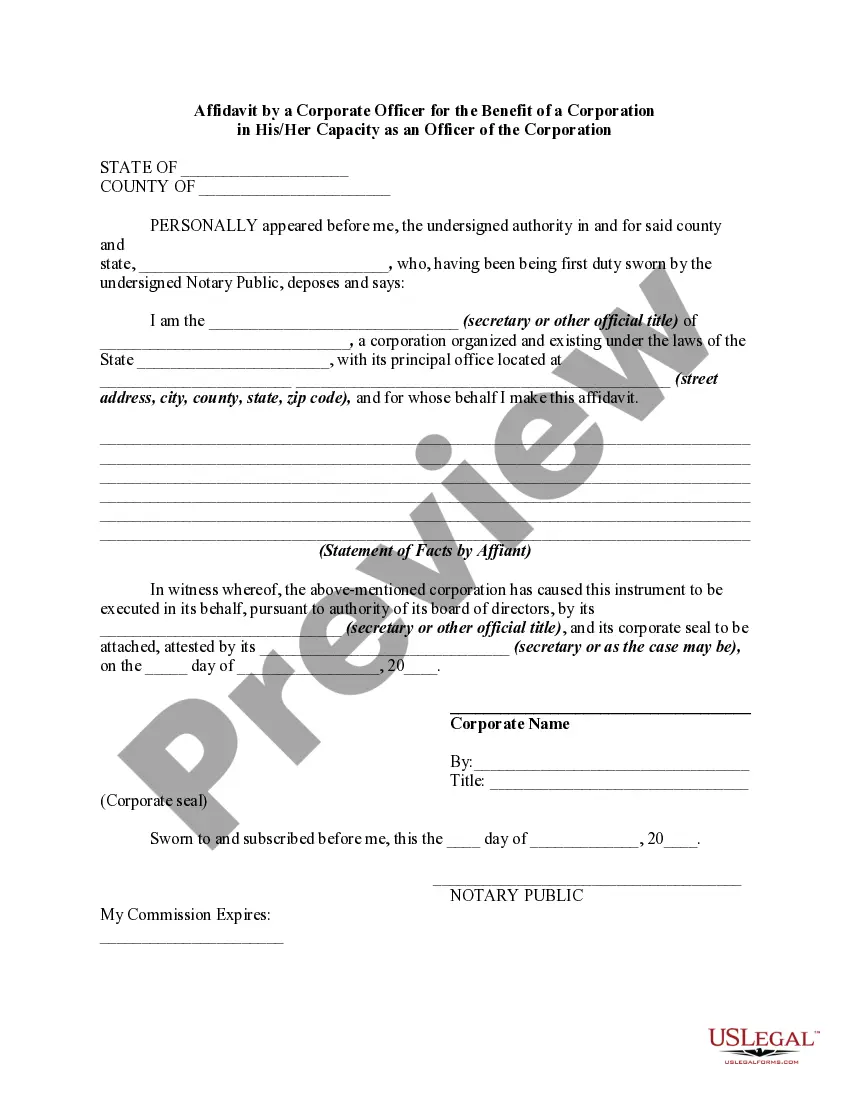
Get your form ready online
Our built-in tools help you complete, sign, share, and store your documents in one place.
Make edits, fill in missing information, and update formatting in US Legal Forms—just like you would in MS Word.
Download a copy, print it, send it by email, or mail it via USPS—whatever works best for your next step.
Sign and collect signatures with our SignNow integration. Send to multiple recipients, set reminders, and more. Go Premium to unlock E-Sign.
If this form requires notarization, complete it online through a secure video call—no need to meet a notary in person or wait for an appointment.
We protect your documents and personal data by following strict security and privacy standards.

Make edits, fill in missing information, and update formatting in US Legal Forms—just like you would in MS Word.

Download a copy, print it, send it by email, or mail it via USPS—whatever works best for your next step.

Sign and collect signatures with our SignNow integration. Send to multiple recipients, set reminders, and more. Go Premium to unlock E-Sign.

If this form requires notarization, complete it online through a secure video call—no need to meet a notary in person or wait for an appointment.

We protect your documents and personal data by following strict security and privacy standards.
Looking for another form?

Form popularity
FAQ
Practice Tip: Do not ask a Notary Public to notarize a document without the principal appearing in person before the notary. There is one limited exception when the appearance of an individual other than the principal is allowed - for a verification or proof as defined in G.S. § 10B-3(28).
One of the most common mistakes that notaries make is not printing or signing their name exactly as it appears on their notary commission.
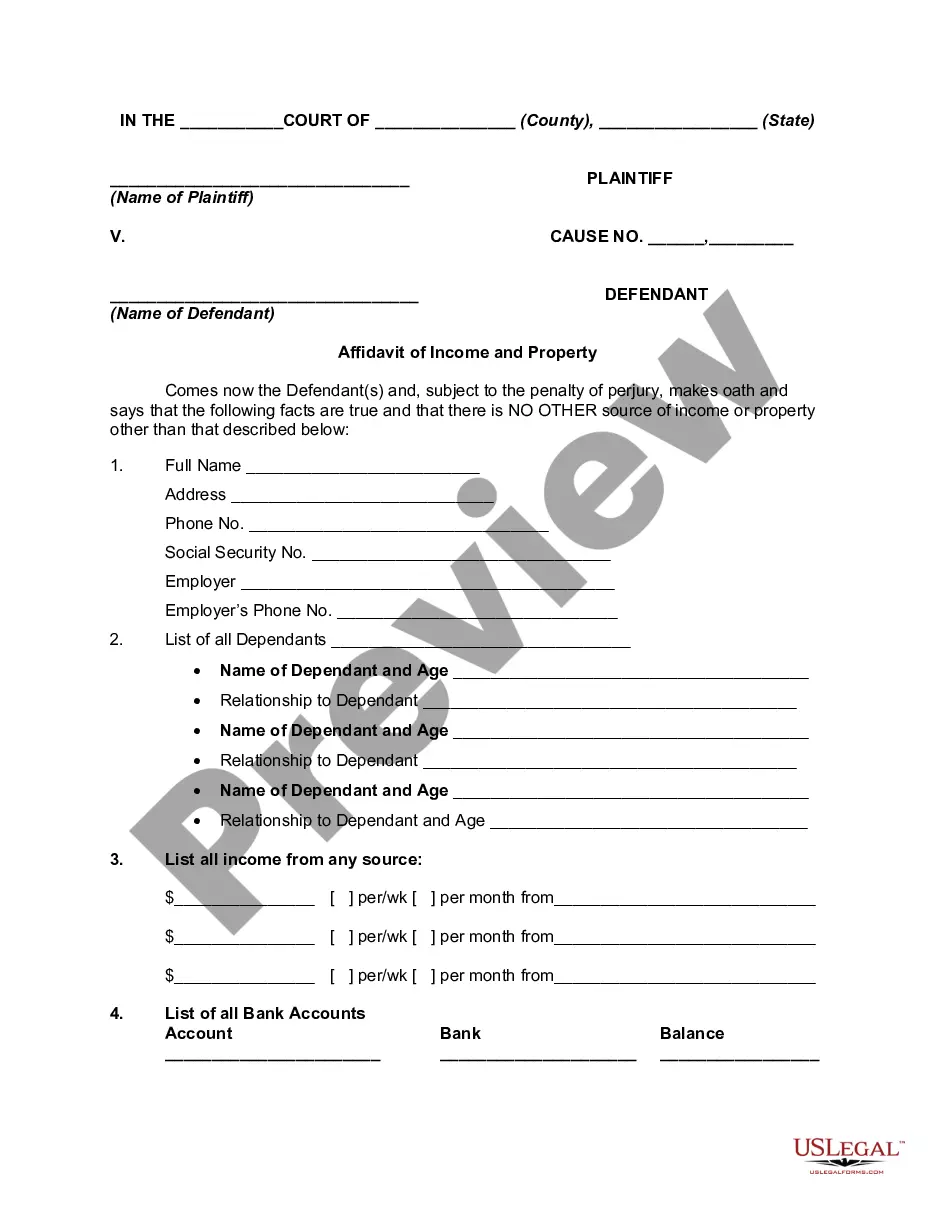
I, _____________________________, a Notary Public of County, , certify that ____________________________, personally appeared before me this day, and being duly sworn, stated that in his presence ________________________ (signed) (acknowledged the execution of) the foregoing instrument.
In general, the answer is a resounding no. Here's why: When a notary validates a document for a family member, there's a high possibility that they stand to benefit financially in some way. This presents a conflict of interest and may result in unethically validated signatures that another notary should be present for.
In general, the answer is a resounding no. Here's why: When a notary validates a document for a family member, there's a high possibility that they stand to benefit financially in some way. This presents a conflict of interest and may result in unethically validated signatures that another notary should be present for.
N.C. Gen. Stat. § 10B-60 (d) provides that a notary will be guilty of a Class one felony if the notary does any of the following: Takes an acknowledgment or verification or proof, or administers an oath or affirmation if the notary knows it is false or fraudulent.
Notarization of Document Appear before a North Carolina Notary Public to sign the document; Obtain a certified copy which is notarized by the issuing entity (i.e., diploma, etc.); If necessary, you may use a "True Copy" affidavit for North Carolina documents and obtain a notary acknowledgment of your signature;