Notary Application For Sc In Montgomery
Description

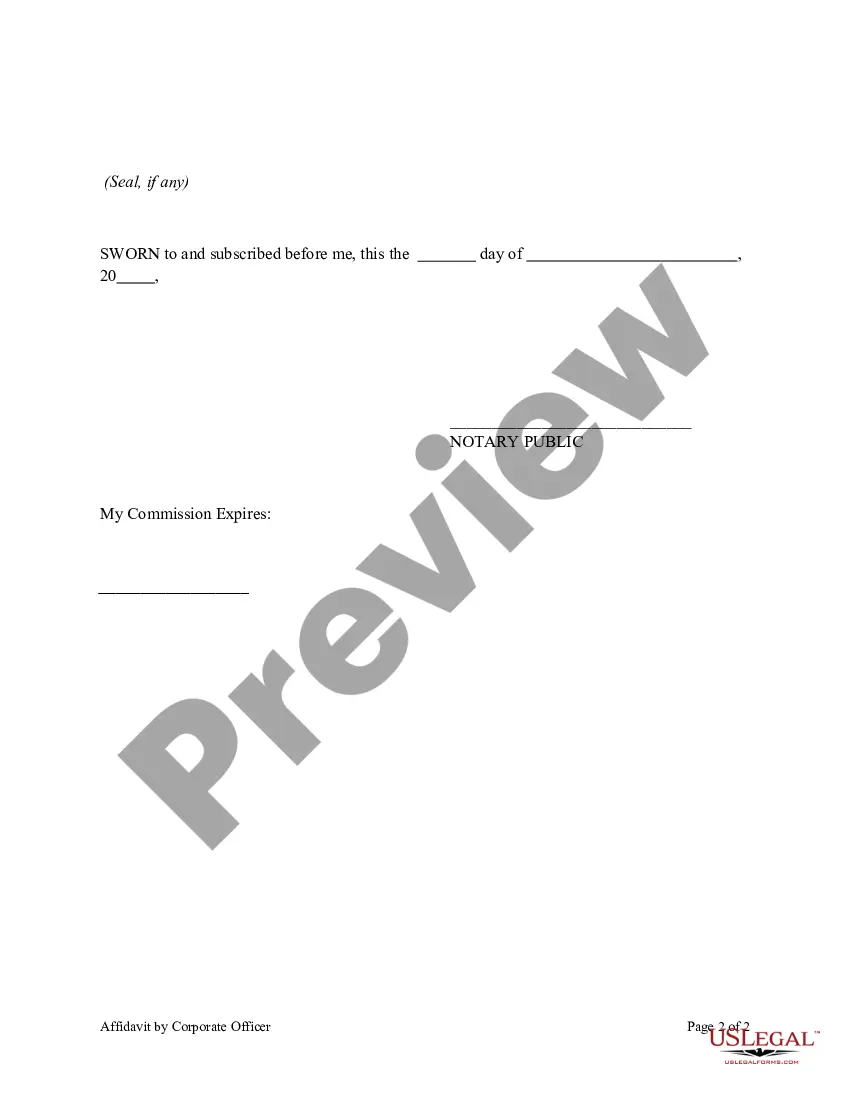
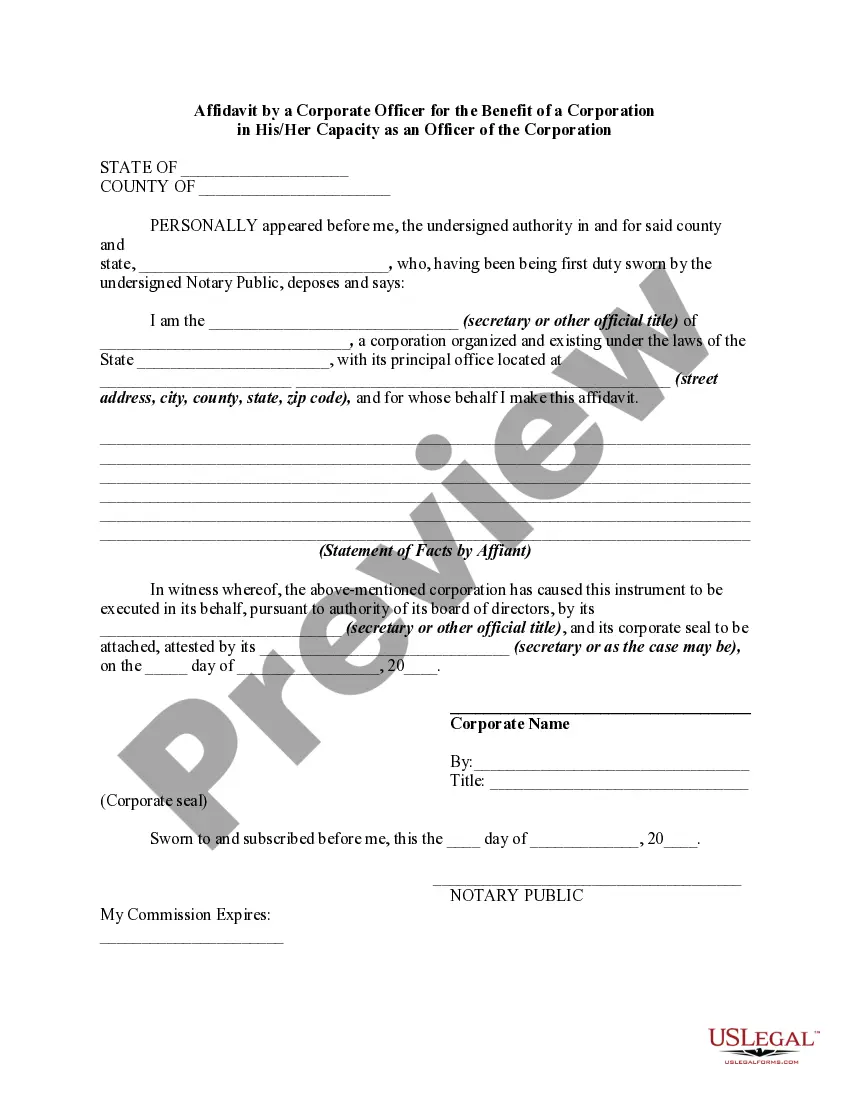
Get your form ready online
Our built-in tools help you complete, sign, share, and store your documents in one place.
Make edits, fill in missing information, and update formatting in US Legal Forms—just like you would in MS Word.
Download a copy, print it, send it by email, or mail it via USPS—whatever works best for your next step.
Sign and collect signatures with our SignNow integration. Send to multiple recipients, set reminders, and more. Go Premium to unlock E-Sign.
If this form requires notarization, complete it online through a secure video call—no need to meet a notary in person or wait for an appointment.
We protect your documents and personal data by following strict security and privacy standards.

Make edits, fill in missing information, and update formatting in US Legal Forms—just like you would in MS Word.

Download a copy, print it, send it by email, or mail it via USPS—whatever works best for your next step.

Sign and collect signatures with our SignNow integration. Send to multiple recipients, set reminders, and more. Go Premium to unlock E-Sign.

If this form requires notarization, complete it online through a secure video call—no need to meet a notary in person or wait for an appointment.

We protect your documents and personal data by following strict security and privacy standards.
Looking for another form?


Form popularity
FAQ
While the language varies depending on the type of notarization and the law of the state in which you are commissioned, the main body of a certificate will require you to note the date of the notarization, the name of the signer appearing before you, and your official name as the Notary.
One of the most common mistakes that notaries make is not printing or signing their name exactly as it appears on their notary commission.
Unless your state allows journals to be openly inspected, a person asking to see or copy an item should only be allowed access to entries directly related to their request. To protect the privacy of other signers, always cover unrelated entries on the same page as the entry you are copying.
The Electronic Notary Portal is now available. On , Governor Henry McMaster signed the South Carolina Electronic Notary Public Act into law. The Act allows a notary public to register as an electronic notary and sets forth the requirements for electronic notaries public and electronic notarial acts.
A person who wishes to apply for appointment as a Notary Public first submits an application to the Maryland Secretary of State. The Secretary's staff then forwards the application to the State Senator of the applicant's Senatorial District and then to the Governor for his/her approval of appointment.
A person who wishes to apply for appointment as a Notary Public first submits an application to the Maryland Secretary of State. The Secretary's staff then forwards the application to the State Senator of the applicant's Senatorial District and then to the Governor for his/her approval of appointment.
How long does it take? The Alabama Department of State recommends allowing four to six weeks for the processing of a Notary Public commission application.
Before a person can perform notarial acts as a notary public, he or she must receive a commission as evidence of authority to perform those acts. Notaries are appointed by the Governor and commissioned by the Secretary of State (§26-1-10).
