Notary Public Certification In Tennessee In Florida
Description

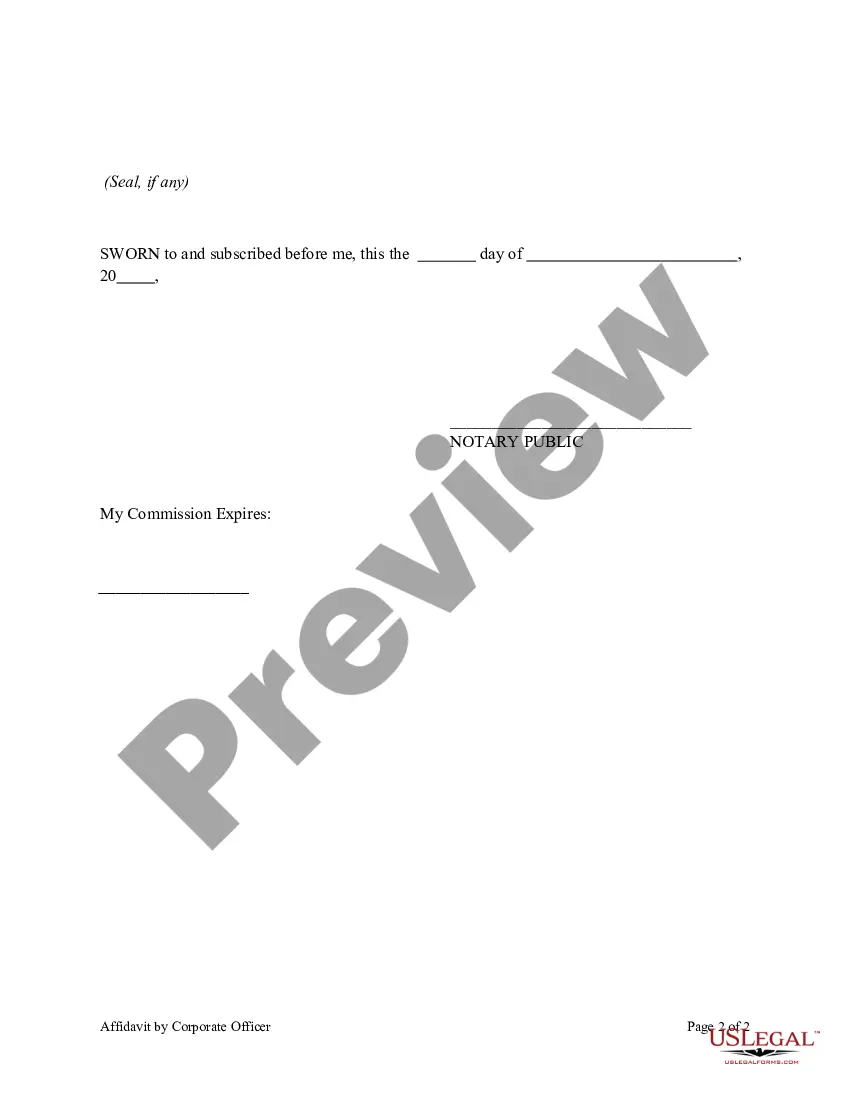
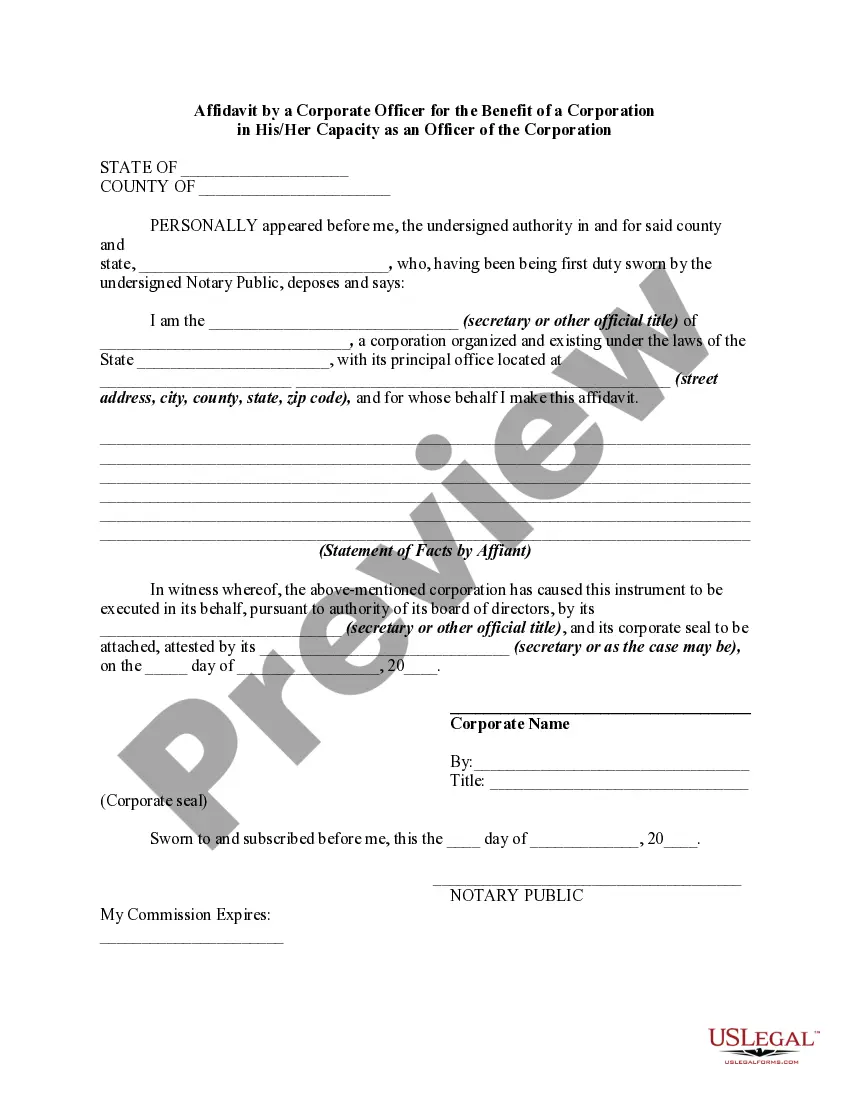
Get your form ready online
Our built-in tools help you complete, sign, share, and store your documents in one place.
Make edits, fill in missing information, and update formatting in US Legal Forms—just like you would in MS Word.
Download a copy, print it, send it by email, or mail it via USPS—whatever works best for your next step.
Sign and collect signatures with our SignNow integration. Send to multiple recipients, set reminders, and more. Go Premium to unlock E-Sign.
If this form requires notarization, complete it online through a secure video call—no need to meet a notary in person or wait for an appointment.
We protect your documents and personal data by following strict security and privacy standards.

Make edits, fill in missing information, and update formatting in US Legal Forms—just like you would in MS Word.

Download a copy, print it, send it by email, or mail it via USPS—whatever works best for your next step.

Sign and collect signatures with our SignNow integration. Send to multiple recipients, set reminders, and more. Go Premium to unlock E-Sign.

If this form requires notarization, complete it online through a secure video call—no need to meet a notary in person or wait for an appointment.

We protect your documents and personal data by following strict security and privacy standards.
Looking for another form?


Form popularity
FAQ
You must complete a two-hour RON training course in order to be registered as a FL Online Notary. The course covers remote online notarization best practices and technology requirements. It can be completed in person or online. However, you must select an education provider that is approved by the state.
Hello. Yes, you may notarize a document from another state, provided the notarization takes place in Tennessee and the notarization request meets all requirements of Tennessee law.
It can take two to four weeks to become commissioned as a Notary Public depending on your availability and the time the Department of State needs to process your application.
Generally, a Florida remote notary can only notarize documents for signers who are physically located in Florida at the time of notarization. However, some states have reciprocity agreements that may allow out-of-state notarizations. It's always best to check the specific laws of both states involved.
I will be moving to another state in a few months. May I transfer my Florida notary commission to that state? No.
Requirements to be a Notary in Tennessee Be at least 18 years old. Be a resident of or maintain a principal place of business in Tennessee. Be a citizen or legal permanent resident of the U.S. Be able to read and write English.
Does Tennessee allow online notarization? Yes, Tennessee became the fifth state to authorize online notarizations when it passed the "Online Notary Public Act" in April 2018. The new law, which went into effect on July 1, 2019, allows TN Notaries to register for their remote commissions in just a few short steps.
The short answer is yes, notary publics are legally allowed to notarize documents from any state as long the notarial act is conducted within the geographical boundaries of the notary's state of commission.
For example, a Notary commissioned in California or Florida may perform notarizations anywhere within the commissioning state's borders, but may not perform a notarization in another state such as Georgia.
Florida does not require exact wording, but the certificate must include elements spelled out in Florida Statutes, 117.054, including the venue, name of signer, type and date of notarization, form of identification used, the Notary's signature, name and seal, and whether the signer appeared via physical presence or ...