Sample Letter for Notification of Hearing
What this document covers
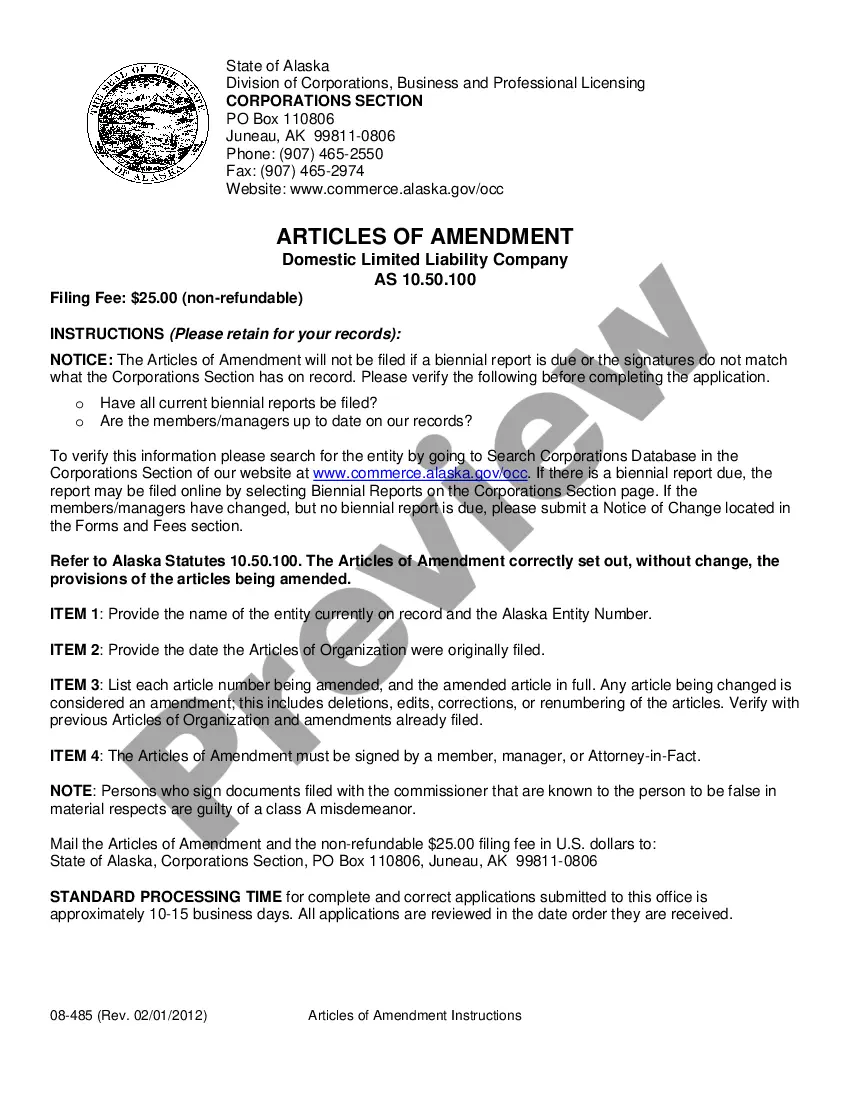
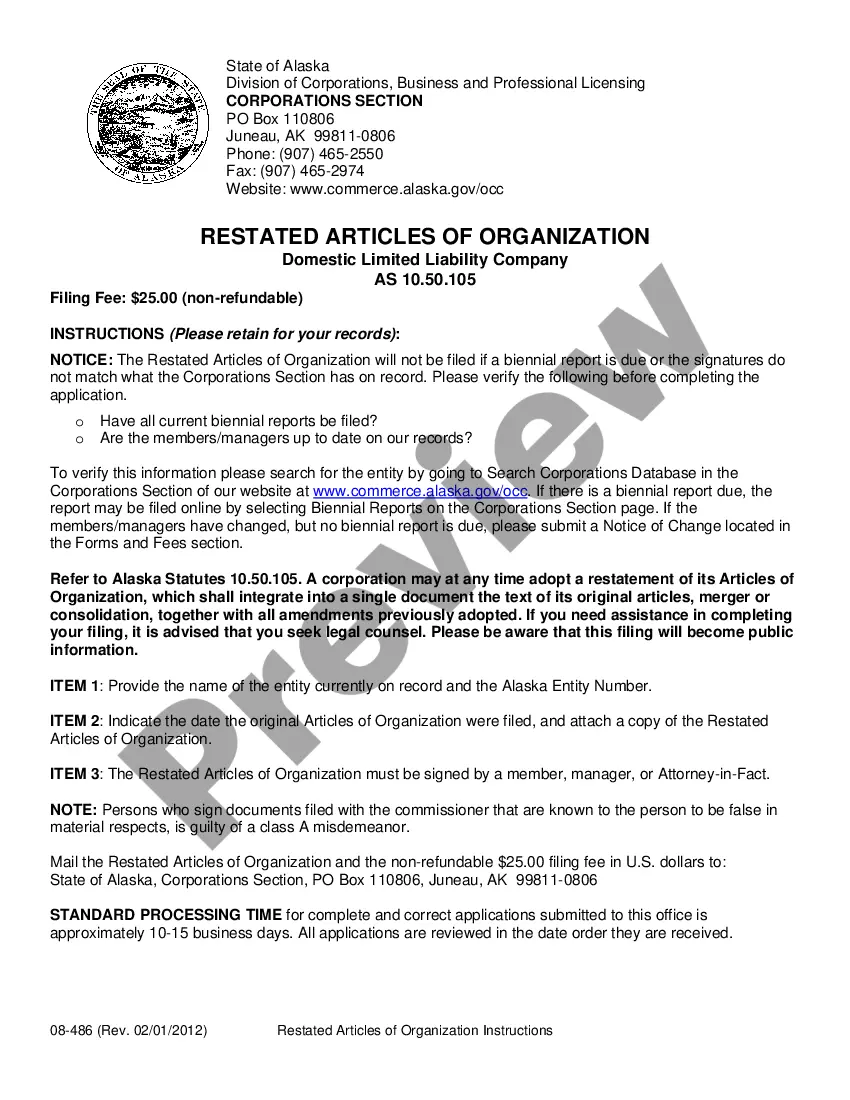
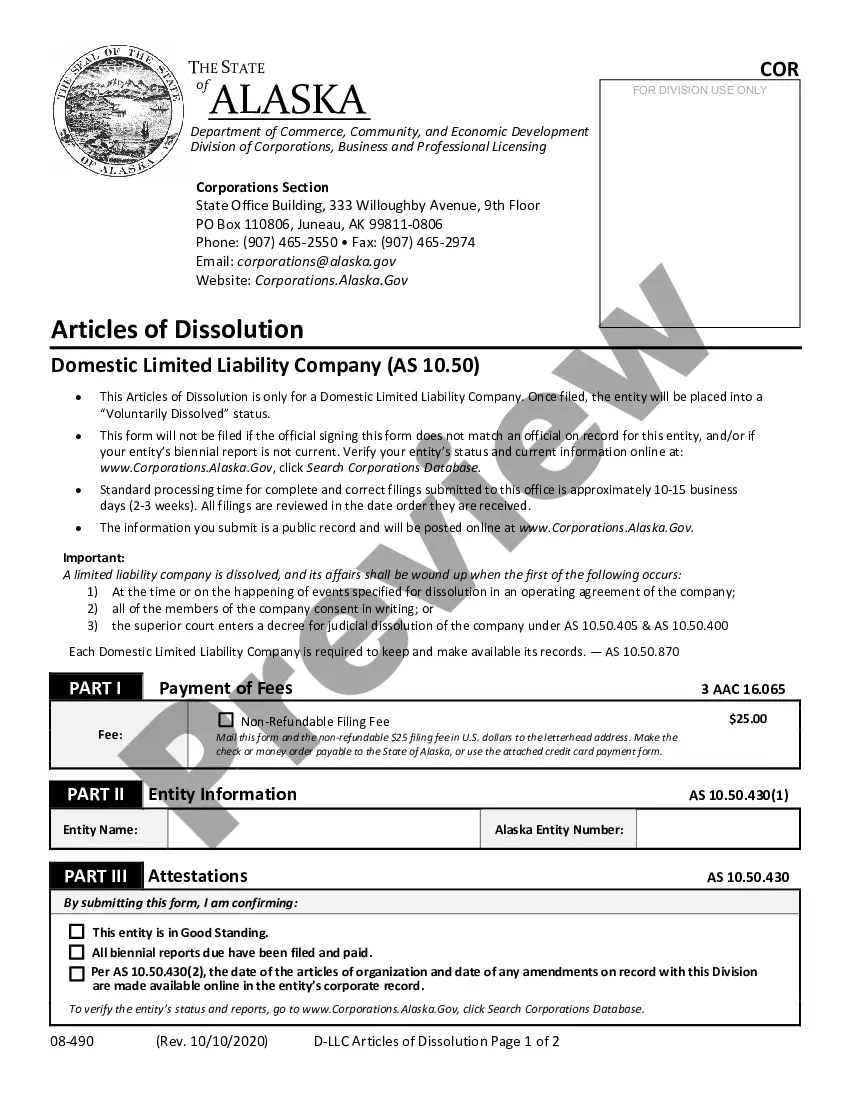
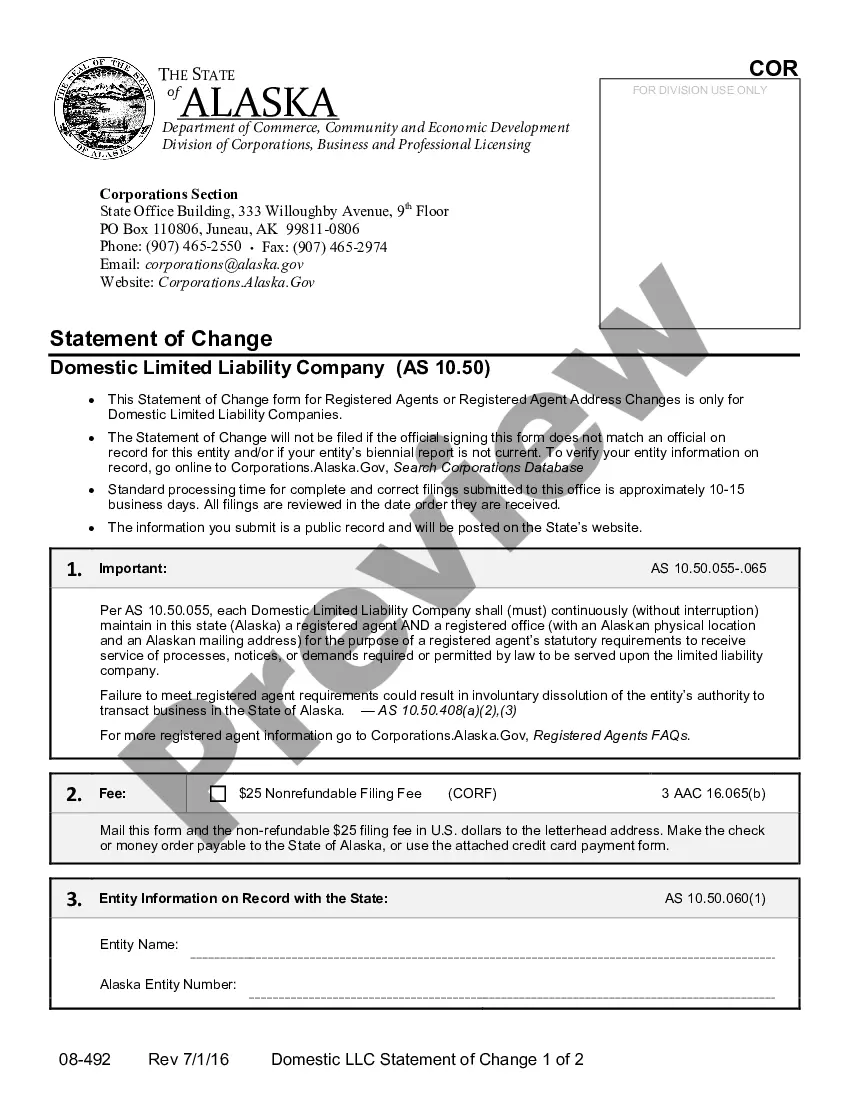
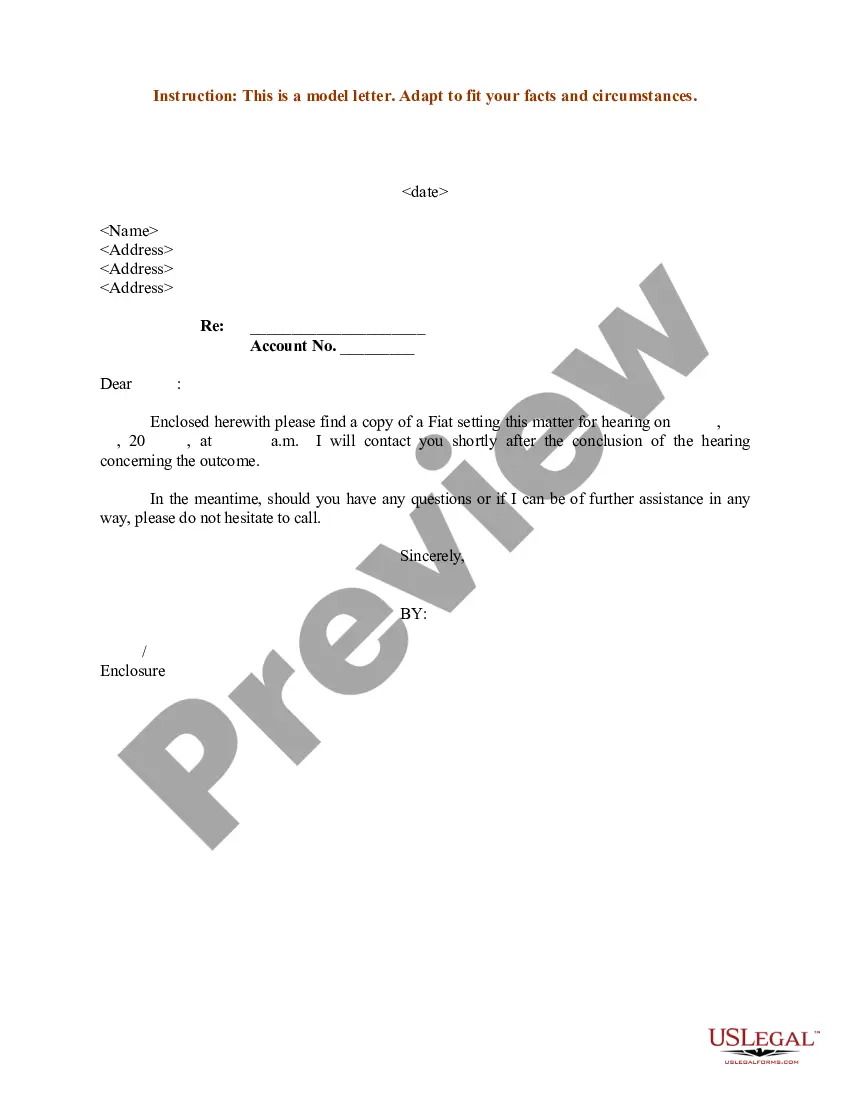
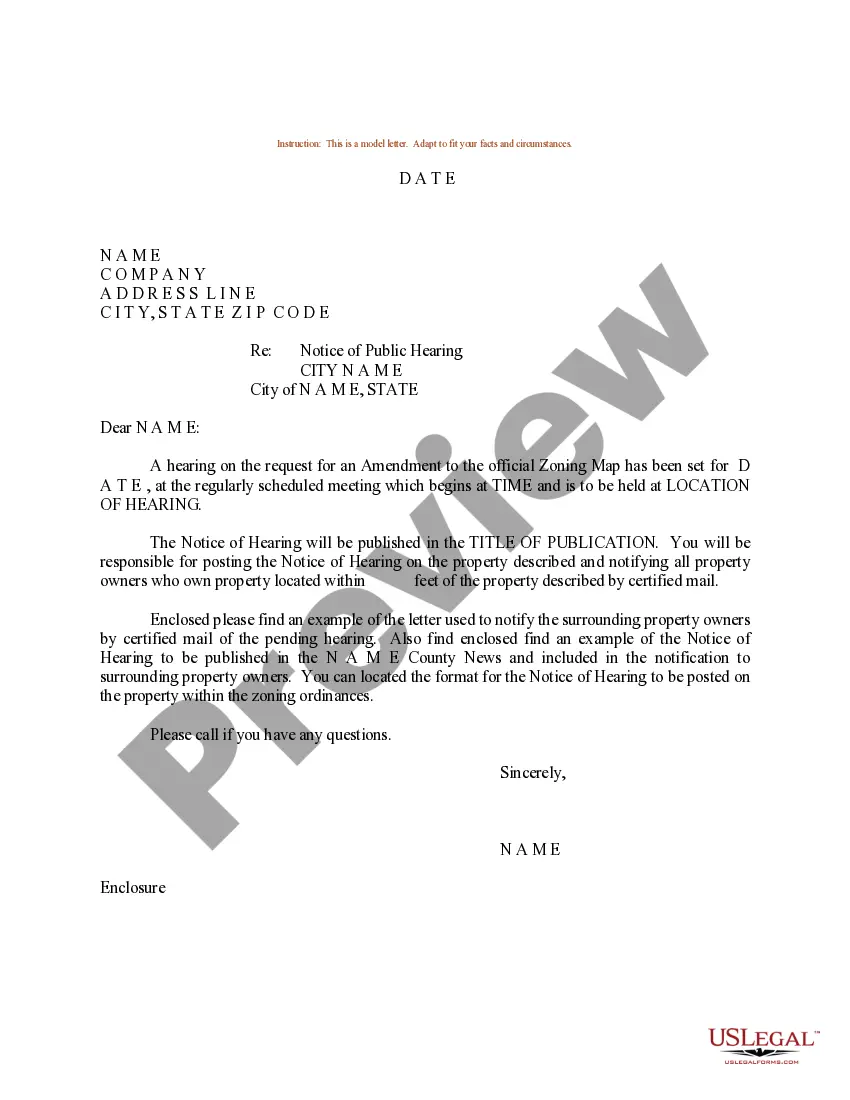
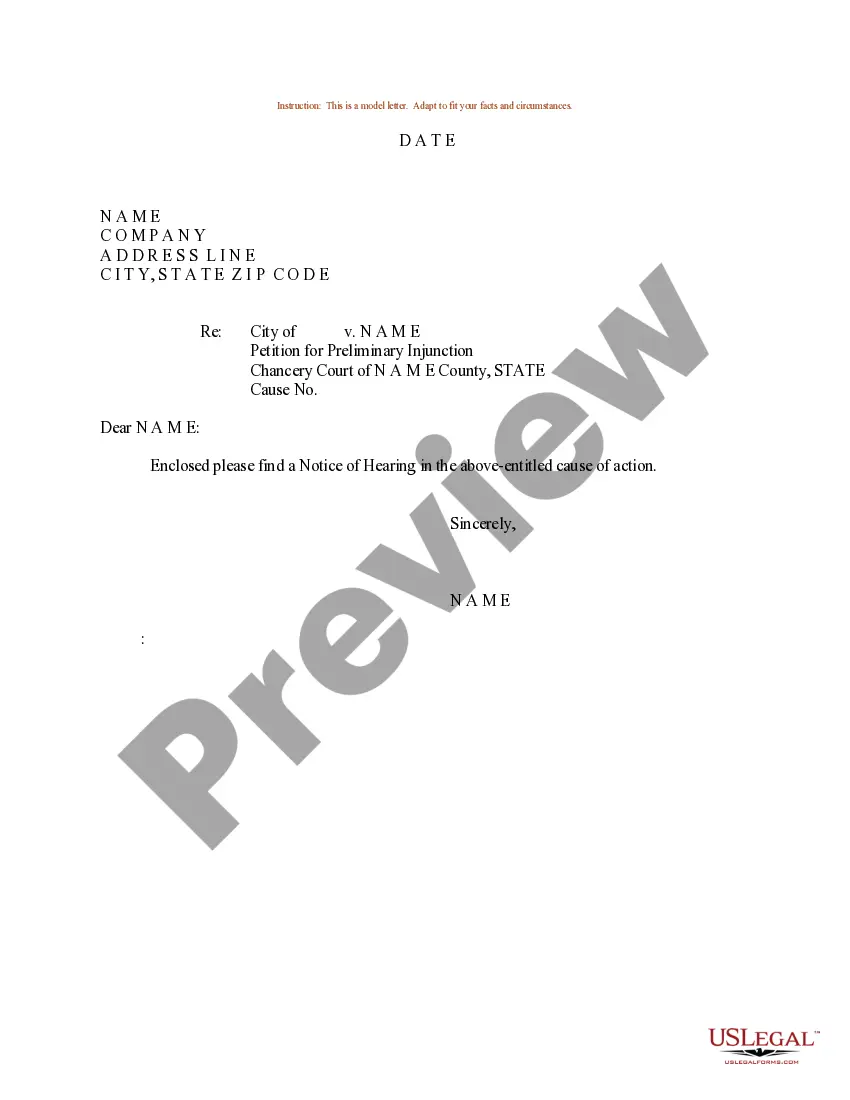
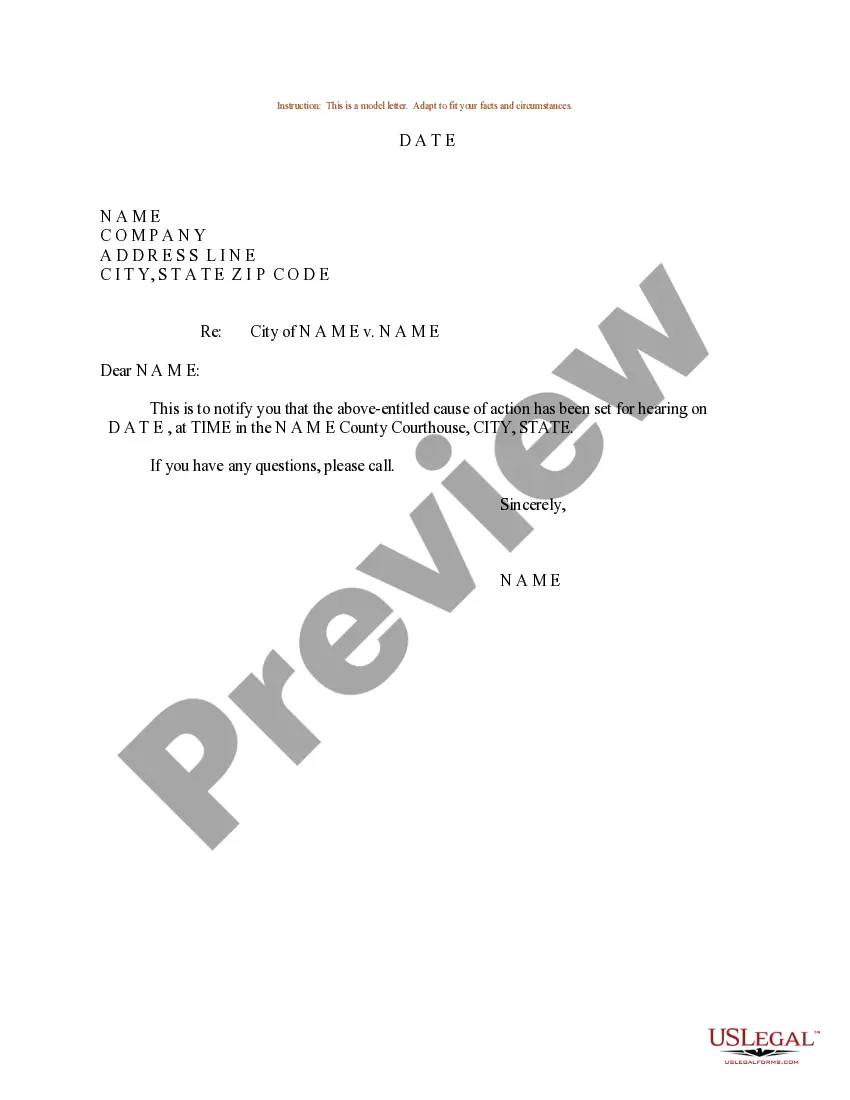
The Sample Letter for Notification of Hearing is a sample document that individuals can use to formally notify parties involved of an upcoming hearing. This form simplifies the process of communication and ensures that all necessary details are clearly conveyed, distinguishing it from other legal notices or letters that may not specifically pertain to hearings.
Key parts of this document
- Date of the notification
- Sender's name and address
- Recipient's name and address
- Subject line indicating the purpose of the letter
- Account number for reference
When to use this form
This form is typically used when a party needs to notify another party about a scheduled hearing. It is essential in legal contexts where timely communication is necessary to inform individuals involved in disputes, negotiations, or trials about important dates and details of proceedings.
Who this form is for
- Individuals involved in a legal dispute
- Attorneys representing clients in a hearing
- Organizations needing to communicate a hearing notice to stakeholders
Instructions for completing this form
- Enter the date of the letter at the top of the form.
- Fill in your name and address in the sender's section.
- Provide the recipient's name and address.
- Clearly state the subject matter of the notification.
- Add any relevant account numbers to ensure proper identification.
Does this form need to be notarized?
This form does not typically require notarization unless specified by local law. It is advisable to check local regulations to confirm whether notarization is needed for your specific situation.
Get your form ready online
Our built-in tools help you complete, sign, share, and store your documents in one place.
Make edits, fill in missing information, and update formatting in US Legal Forms—just like you would in MS Word.
Download a copy, print it, send it by email, or mail it via USPS—whatever works best for your next step.
Sign and collect signatures with our SignNow integration. Send to multiple recipients, set reminders, and more. Go Premium to unlock E-Sign.
If this form requires notarization, complete it online through a secure video call—no need to meet a notary in person or wait for an appointment.
We protect your documents and personal data by following strict security and privacy standards.

Make edits, fill in missing information, and update formatting in US Legal Forms—just like you would in MS Word.

Download a copy, print it, send it by email, or mail it via USPS—whatever works best for your next step.

Sign and collect signatures with our SignNow integration. Send to multiple recipients, set reminders, and more. Go Premium to unlock E-Sign.

If this form requires notarization, complete it online through a secure video call—no need to meet a notary in person or wait for an appointment.

We protect your documents and personal data by following strict security and privacy standards.
Mistakes to watch out for
- Failing to include the correct date.
- Leaving out recipient details.
- Not specifying account or case numbers accurately.
- Using vague subject lines that do not reflect the hearing's purpose.
Benefits of using this form online
- Immediate access to a professionally drafted template.
- Easy customization to fit specific needs and circumstances.
- Convenient downloading options for quick printing or sharing.
Legal use & context
- This form serves as a formal notification, which can be critical in legal proceedings.
- Using this template helps establish a clear record of communication.
- Following the correct procedures can prevent disputes related to notification and representation.
What to keep in mind
- The Sample Letter for Notification of Hearing is essential for formal communication regarding legal hearings.
- Completing the form accurately helps maintain legal integrity and transparency.
- Review local requirements and customize the letter to fit your needs for proper legal compliance.
Looking for another form?
Form popularity
FAQ
Dear Name, I am writing this letter to you to ask for a sincere apology for failing to attend my court date Mention Date. I accept that I have committed a mistake which is not acceptable in any way. However, I request you to understand that since Mention Reason, I couldn't show up to court on that day.
Introduce yourself. State what your occupation is and any qualifications you hold. Outline your relationship with the person who is the subject of the legal proceedings. DO. Acknowledge the charges that have been brought against the person. DO. State your opinion of the person's general character. DO.
Introduce yourself to the Court. Explain how you know (and how long you have known) the defendant. Make it personal when describing the defendant's characteristics. Can you think of examples of good deeds done by the defendant (hard work, dedication to family/church/community, generosity, etc).
However, when a person is awaiting trial, writing a letter to the judge will not help. At best, the letter will go unread by the judge, and will be of no help. In a worst-case scenario, the letter will end up being used by the prosecution as evidence against that person.
You can't write to the judge. You can hire your own attorney to make your case to the court.
Accept if you can provide a quality reference. Request details about the job opening. Ask your friend about goals and objectives. Discuss the background of your relationship. Mention examples of skills and qualifications. Focus on improvement and progress.
Use "Re:" (an abbreviation for "regarding" or "with reference to"), followed by a brief identifying phrase. Begin with a salutation. Write "Dear Judge (last name)," to start the message of your letter. Note that you should use "the Honorable" when referring to the judge, but use "Judge" addressing him or her directly.
The Notice of Motion usually begins with the caption that includes the court of jurisdiction, the docket number, and below the docket number, "Notice of Motion." It is usual to then write, "Please take Notice that the undersigned will bring a motion for (what you are asking the court for or to do)." Read the Local