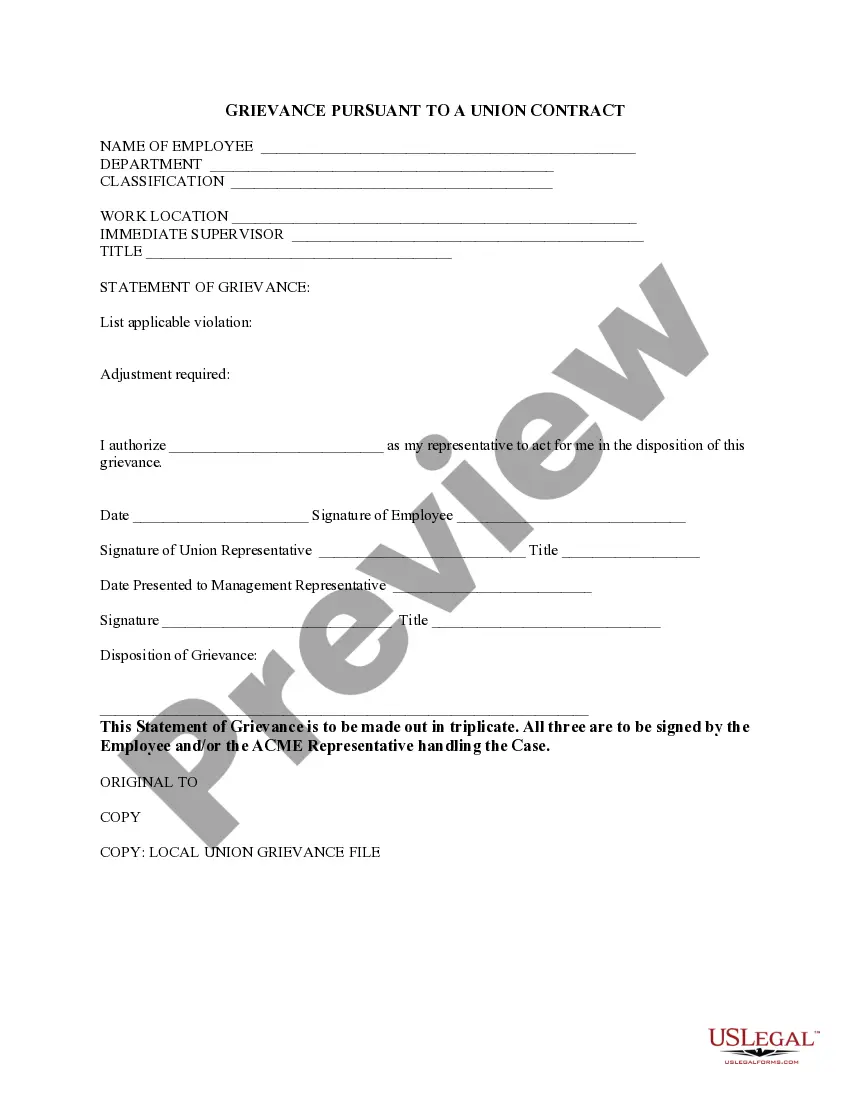
Grievance Withdrawal Letter In Virginia
Description
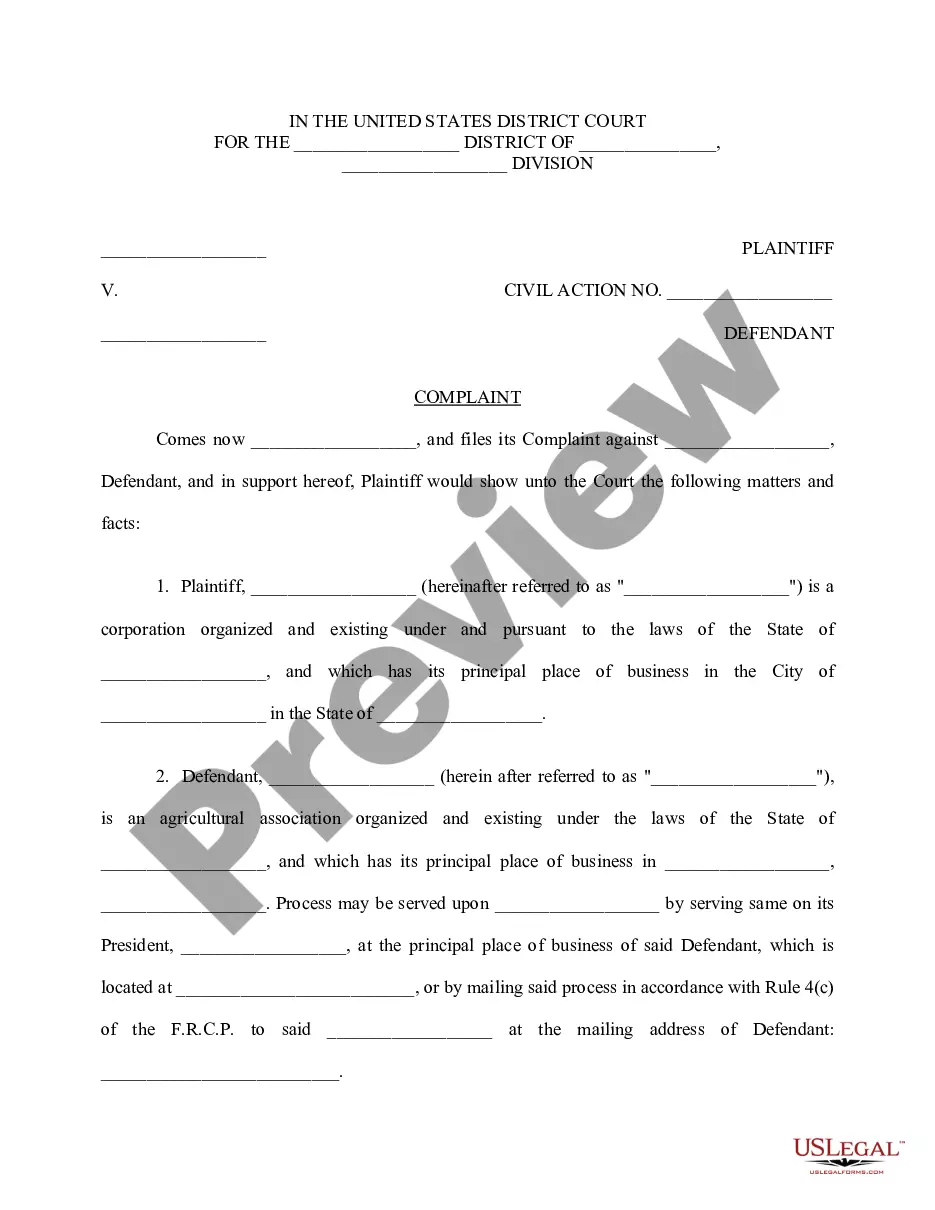
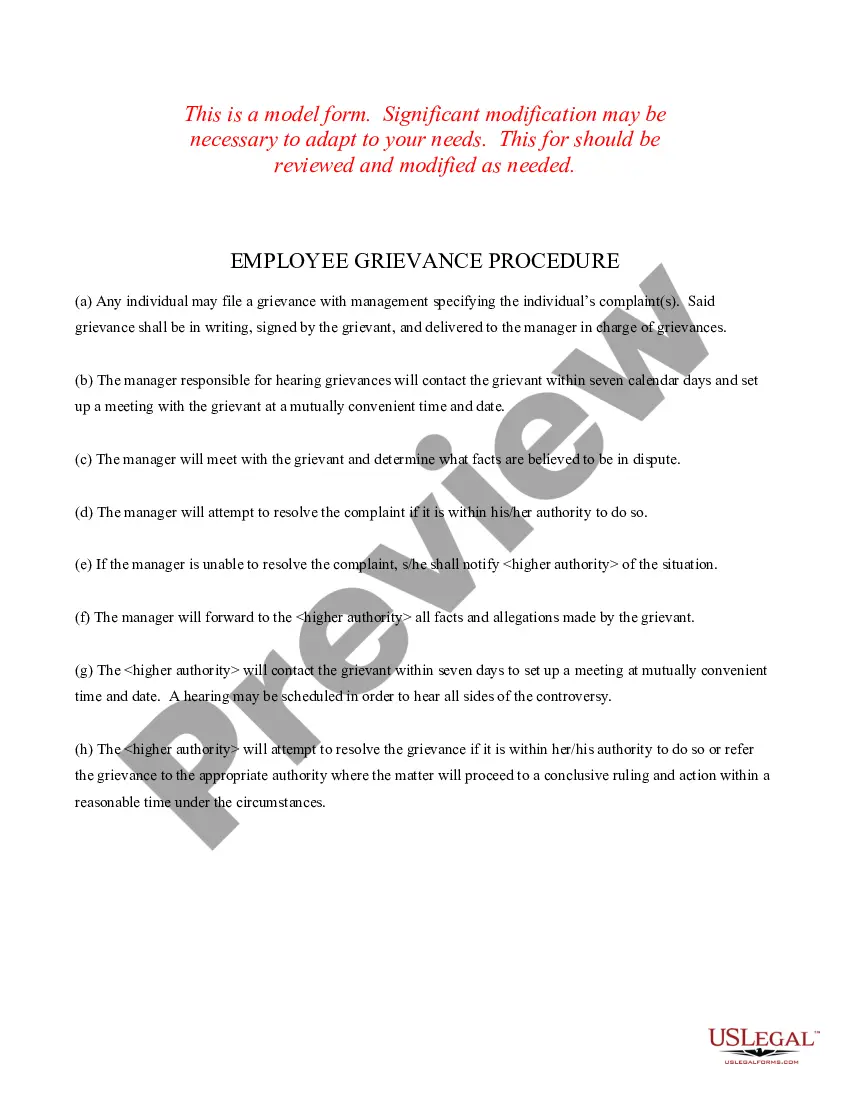
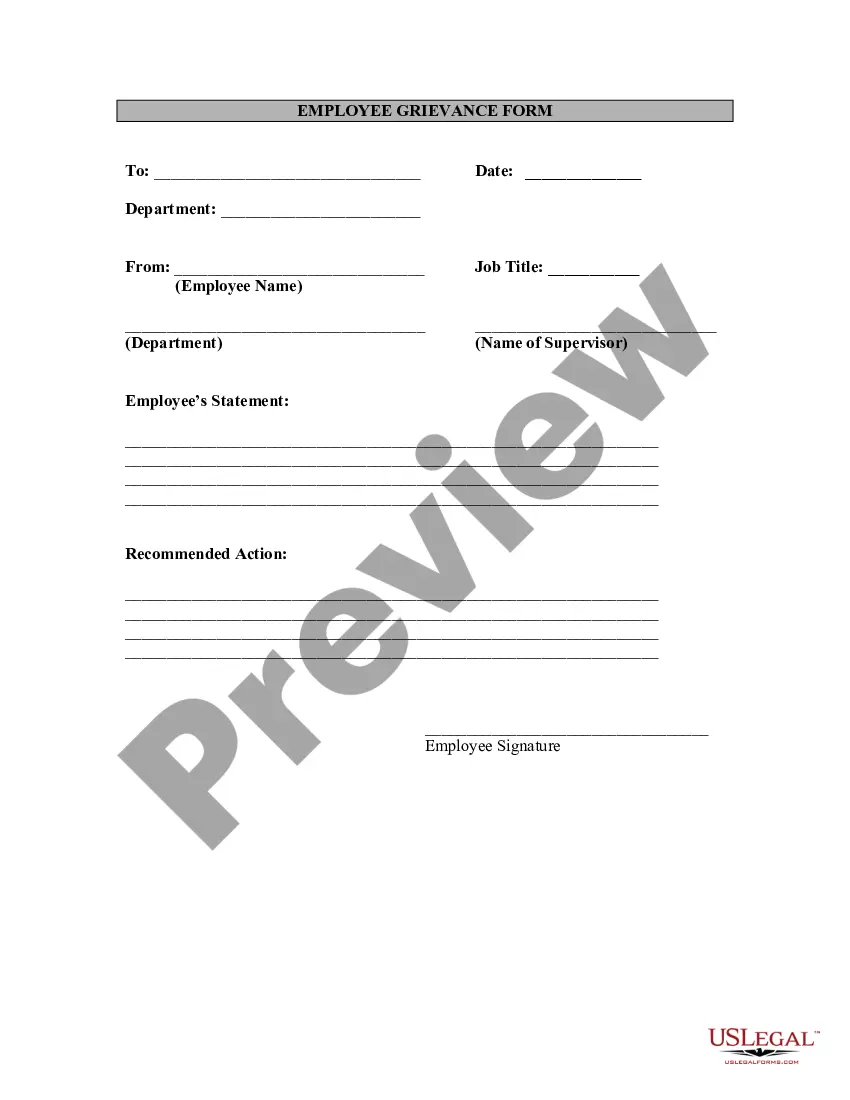
Get your form ready online
Our built-in tools help you complete, sign, share, and store your documents in one place.
Make edits, fill in missing information, and update formatting in US Legal Forms—just like you would in MS Word.
Download a copy, print it, send it by email, or mail it via USPS—whatever works best for your next step.
Sign and collect signatures with our SignNow integration. Send to multiple recipients, set reminders, and more. Go Premium to unlock E-Sign.
If this form requires notarization, complete it online through a secure video call—no need to meet a notary in person or wait for an appointment.
We protect your documents and personal data by following strict security and privacy standards.

Make edits, fill in missing information, and update formatting in US Legal Forms—just like you would in MS Word.

Download a copy, print it, send it by email, or mail it via USPS—whatever works best for your next step.

Sign and collect signatures with our SignNow integration. Send to multiple recipients, set reminders, and more. Go Premium to unlock E-Sign.

If this form requires notarization, complete it online through a secure video call—no need to meet a notary in person or wait for an appointment.

We protect your documents and personal data by following strict security and privacy standards.
Looking for another form?







Form popularity
FAQ
Outcomes of a grievance procedure can include resolving the issue through mediation, making changes to workplace practices, offering an apology, or, in some cases, disciplinary action against those involved. The aim is to reach a fair resolution that addresses the employee's concerns.
Complaint emails should be professional. Writing “Sincerely” and then your name is usually sufficient.
A grievance may be withdrawn at any time, by an Employee or the Union, by advising the Employer's designated representative at the Step at which the grievance exists. This withdrawal shall be confirmed in writing.
Workers should call their nearest VOSH Regional or Field Office to discuss their options. If an off-site investigation is appropriate, VOSH telephones the employer, describes the alleged hazards and then follows up with a fax or letter.
Write to your employer Give details of your problem, date your letter and keep a copy. If you have not done so already, you might find it helpful to tell your employer any suggestions you have for resolving the problem. You can use our: template letter to raise a grievance at work.
After attending your grievance hearing, your employer is likely to produce a grievance outcome, which is a letter explaining their decision in relation to your grievance. Most grievances are not upheld. The grievance outcome will usually set out that you have a right to appeal the decision and how you should do this.
How to write a grievance outcome letter Keep your letter to the point. Avoid making any allegations you can't prove, such as accusing the employee of making up a grievance issue. Use formal and professional language. Explain the employee's right to appeal and the process to follow.
Following a grievance hearing, the employer's decision and the outcome of that hearing must be set out in writing. Regardless of whether the grievance is upheld or rejected, the employer must set out the reasons for their decision and, where appropriate, the steps that will be taken.
As an employer, when an employee wishes to withdraw the grievance, it is best practice not to just take their word for it. Request that they complete a retraction of grievance form. This will then ensure you have written evidence of the employees retraction.
As a general proposition, a Virginia employer is not legally obligated to provide the employee with written notice of a termination decision. Some employers, however, prefer to do so. In addition, sometimes the employee will not be returning to the employer's premises—in such a case, a termination letter is necessary.