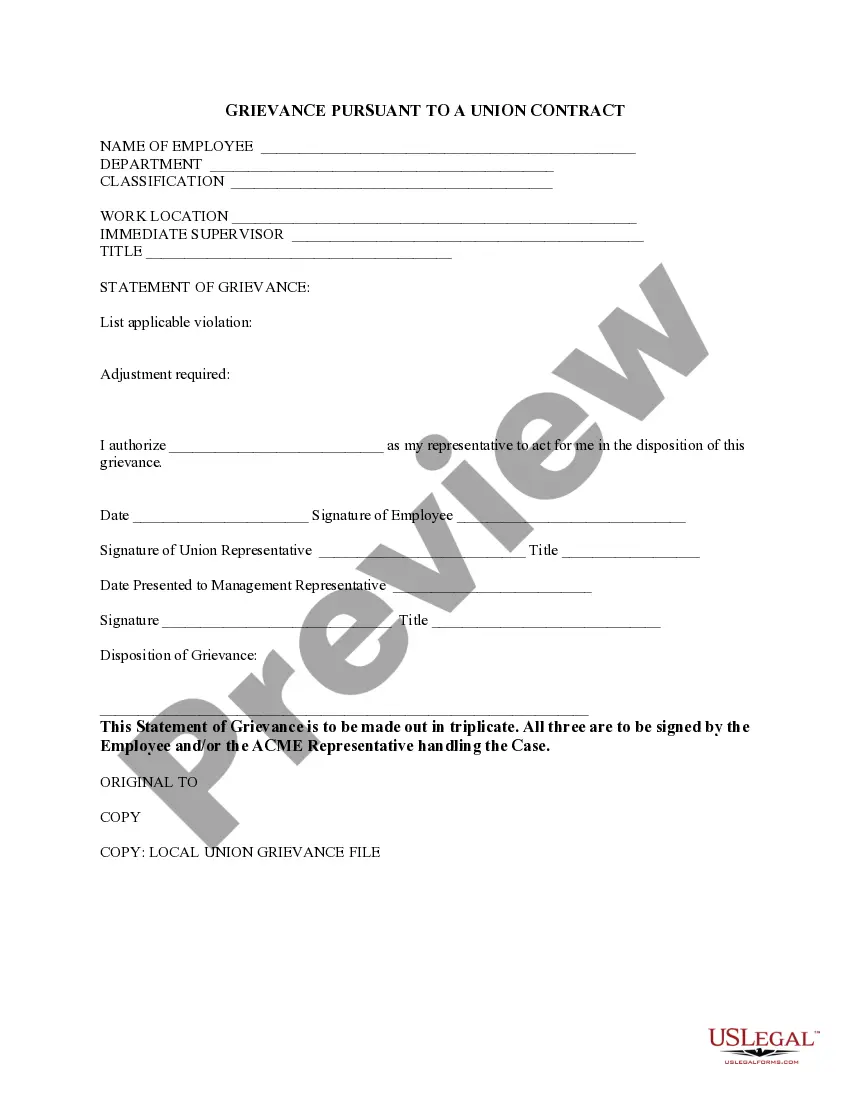
Grievance With Employer In Cuyahoga
Description
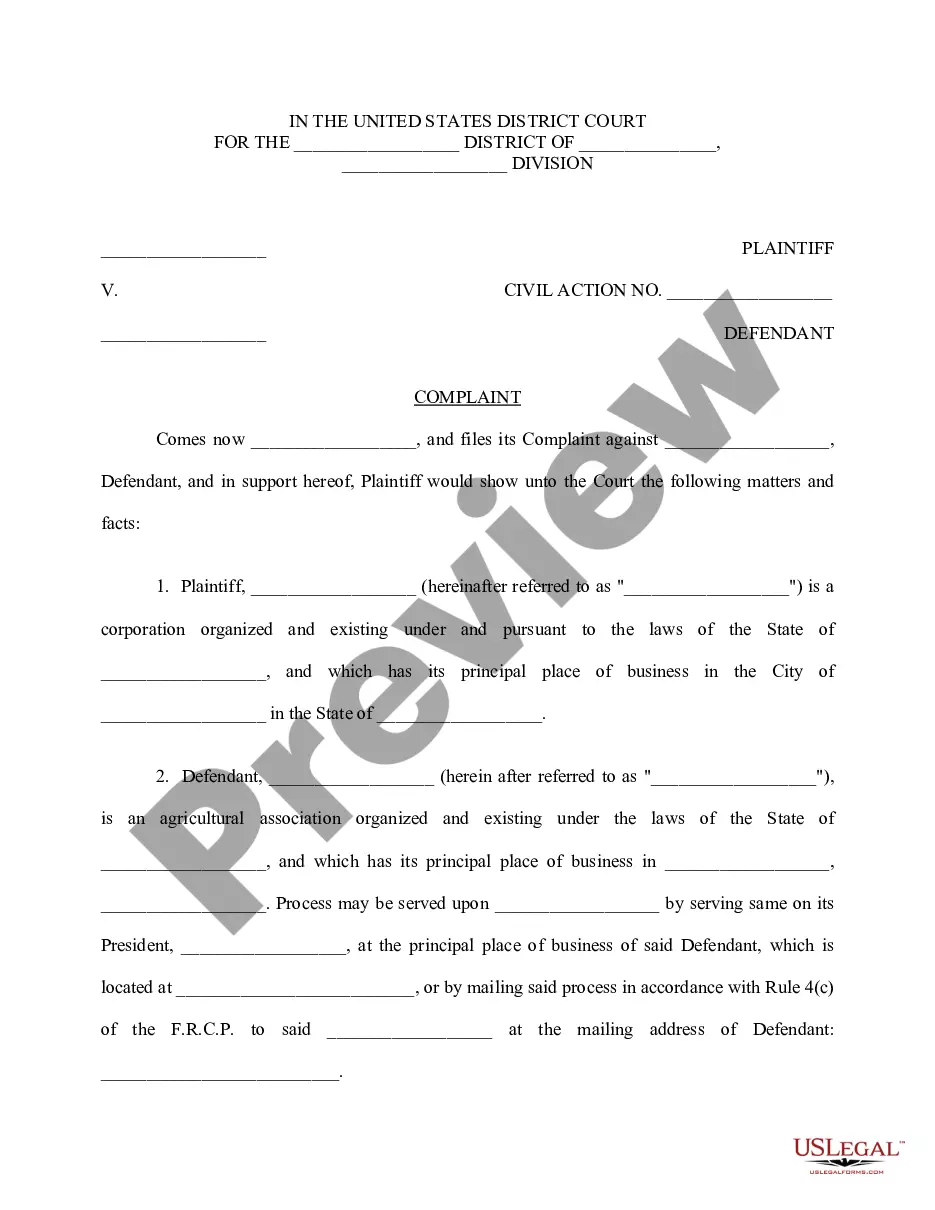
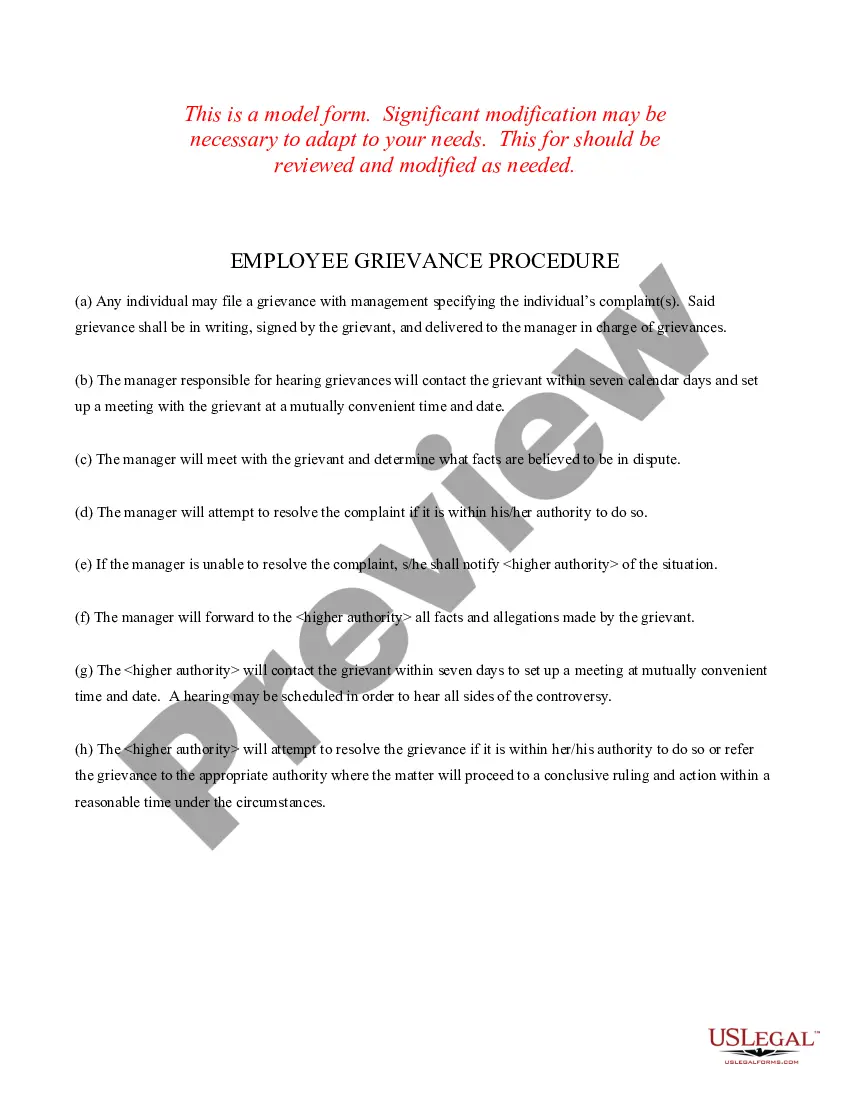
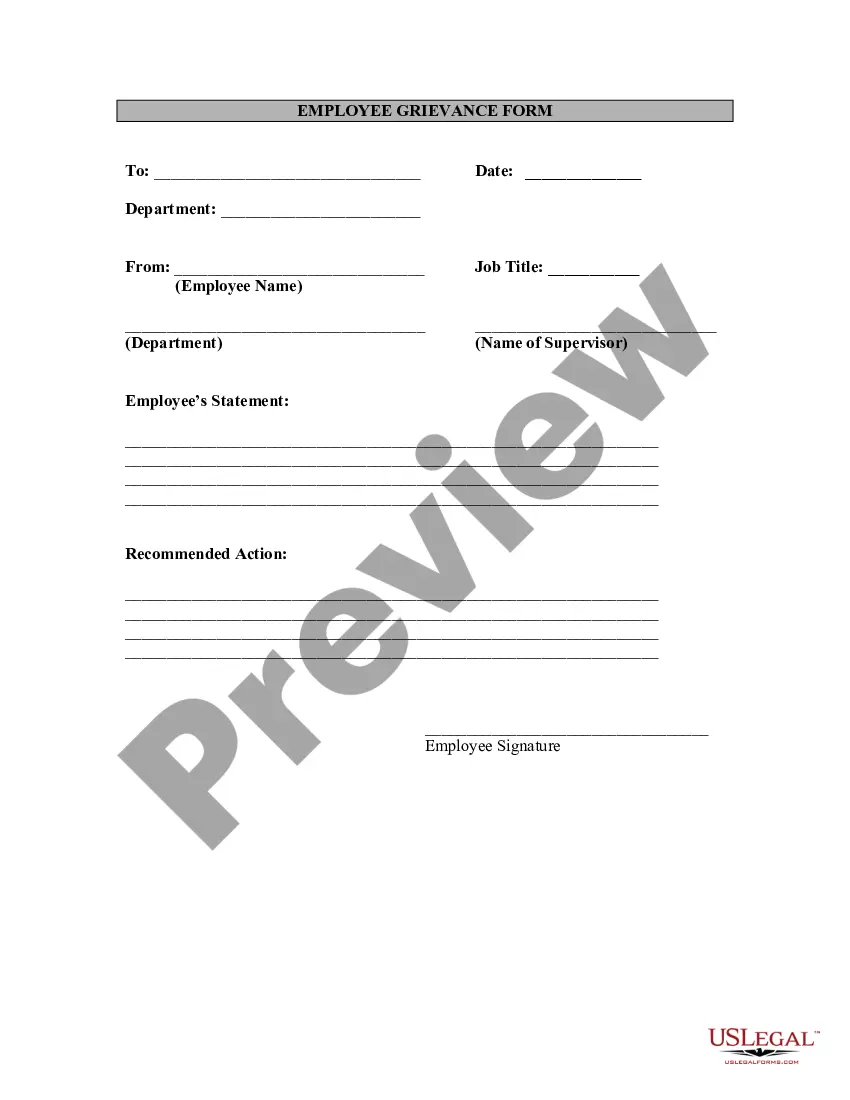

Get your form ready online
Our built-in tools help you complete, sign, share, and store your documents in one place.
Make edits, fill in missing information, and update formatting in US Legal Forms—just like you would in MS Word.
Download a copy, print it, send it by email, or mail it via USPS—whatever works best for your next step.
Sign and collect signatures with our SignNow integration. Send to multiple recipients, set reminders, and more. Go Premium to unlock E-Sign.
If this form requires notarization, complete it online through a secure video call—no need to meet a notary in person or wait for an appointment.
We protect your documents and personal data by following strict security and privacy standards.

Make edits, fill in missing information, and update formatting in US Legal Forms—just like you would in MS Word.

Download a copy, print it, send it by email, or mail it via USPS—whatever works best for your next step.

Sign and collect signatures with our SignNow integration. Send to multiple recipients, set reminders, and more. Go Premium to unlock E-Sign.

If this form requires notarization, complete it online through a secure video call—no need to meet a notary in person or wait for an appointment.

We protect your documents and personal data by following strict security and privacy standards.
Looking for another form?







Form popularity
FAQ
The 5-Step Workplace Grievance Process Step 1: Informal meeting. Step 2: Supervisor meeting and documentation. Step 3: Escalation to management. Step 4: Escalation to top company representatives. Step 5: Referral to arbitration.
Grievance procedure steps The employee makes a formal, written complaint. Once the employee files the grievance, a formal investigation begins. The investigator writes a conclusion. A mediator can be called in. There are consequences. The employee can appeal. Follow-up after the final decision.
What Is Grievance Handling. Grievance handling is the management of employee dissatisfaction or complaints (e.g. favouritism, workplace harassment, or wage cuts). By establishing formal grievance handling procedures, you provide a safe environment for your employees to raise their concerns.
The 5-Step Workplace Grievance Process Step 1: Informal meeting. Step 2: Supervisor meeting and documentation. Step 3: Escalation to management. Step 4: Escalation to top company representatives. Step 5: Referral to arbitration.
Step 1 – raise the issue informally with the employer. Step 2 – raise the issue formally with a grievance letter. Step 3 – grievance investigation should take place. Step 4 – a grievance hearing may be required to review the evidence and for a decision to be made.
If you have a complaint against your employer, you will need to contact the Ohio Civil Rights Commission site .ocrc.ohio and/or the Equal Employment Opportunity Commission site .eeoc.
A grievance procedure is a formal way for an employee to raise a problem or complaint to their employer. The employee can raise a grievance if: they feel raising it informally has not worked. they do not want it dealt with informally.
The following steps make up the six basic components of the grievance procedure. A written complaint. Workplace investigation. Investigation outcome. Mediation. Disciplinary Action. Outcome implementation.
Steps to address grievances Understand the issue. Identify all affected parties and gather relevant information, including dates, individuals involved, and reasons for dissatisfaction. Explore solutions. Evaluate solutions. Clearly state the grievance. Present the grievance. Seek a response. Further action. Declare a dispute.
Workplace grievances generally fall into a few key categories: Work conditions. When employees aren't provided with a safe, healthy environment to do their job, they may file a grievance about work conditions. Compensation. Personnel policy. Harassment.