Affidavit Legal Definition With Citation In Georgia
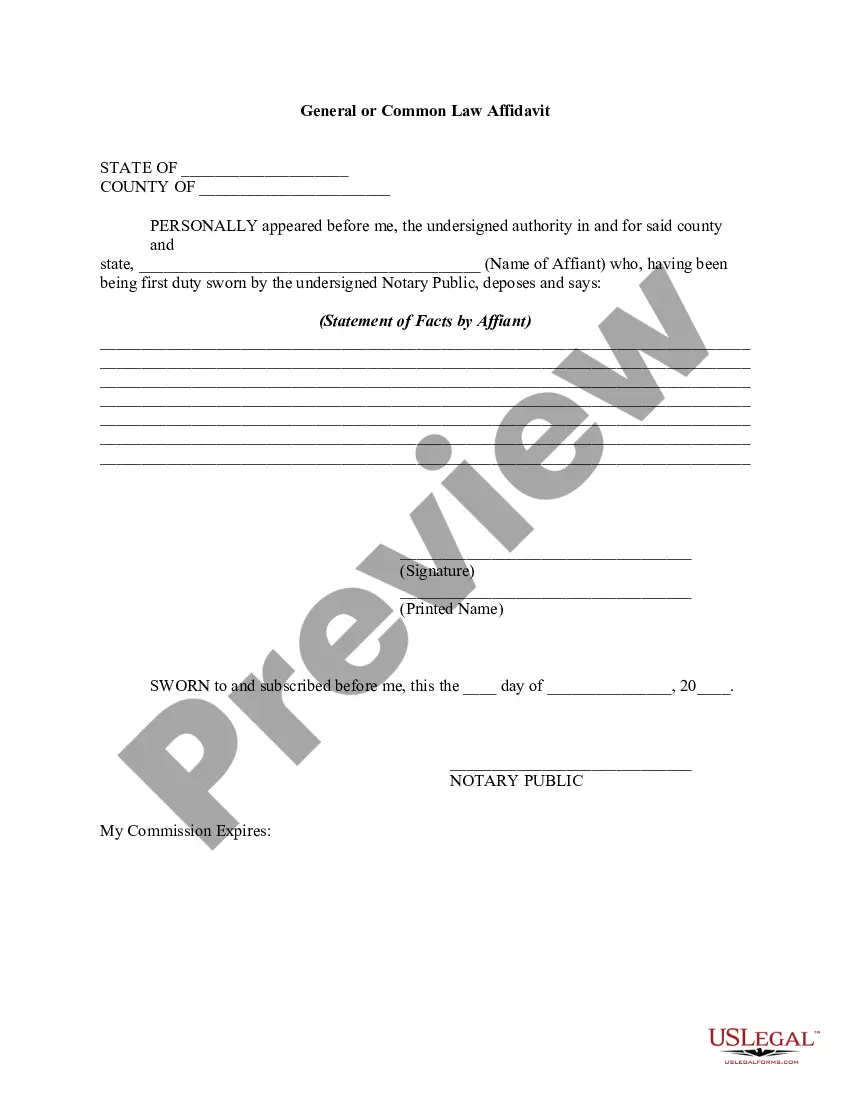
Description
Get your form ready online
Our built-in tools help you complete, sign, share, and store your documents in one place.
Make edits, fill in missing information, and update formatting in US Legal Forms—just like you would in MS Word.
Download a copy, print it, send it by email, or mail it via USPS—whatever works best for your next step.
Sign and collect signatures with our SignNow integration. Send to multiple recipients, set reminders, and more. Go Premium to unlock E-Sign.
If this form requires notarization, complete it online through a secure video call—no need to meet a notary in person or wait for an appointment.
We protect your documents and personal data by following strict security and privacy standards.

Make edits, fill in missing information, and update formatting in US Legal Forms—just like you would in MS Word.

Download a copy, print it, send it by email, or mail it via USPS—whatever works best for your next step.

Sign and collect signatures with our SignNow integration. Send to multiple recipients, set reminders, and more. Go Premium to unlock E-Sign.

If this form requires notarization, complete it online through a secure video call—no need to meet a notary in person or wait for an appointment.

We protect your documents and personal data by following strict security and privacy standards.
Looking for another form?


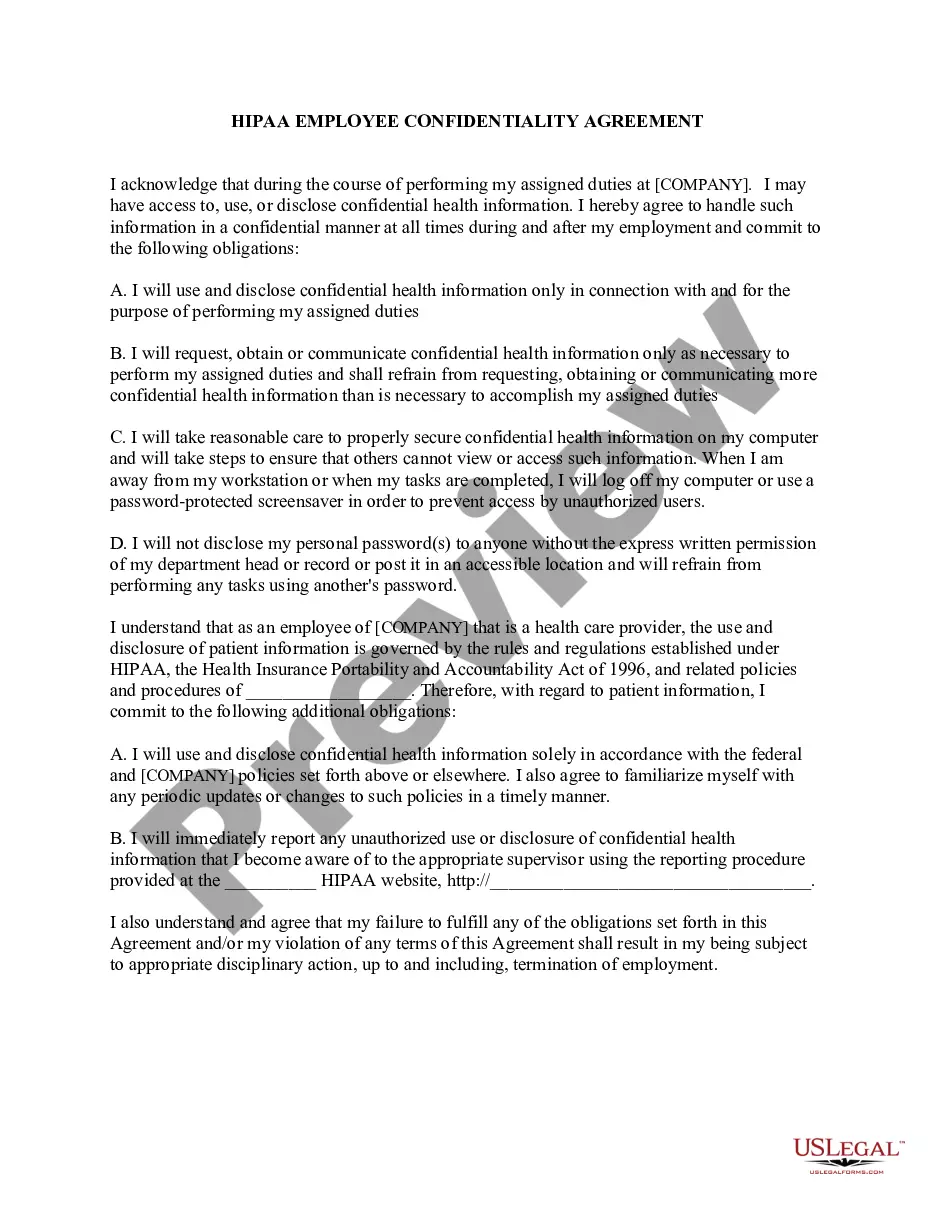

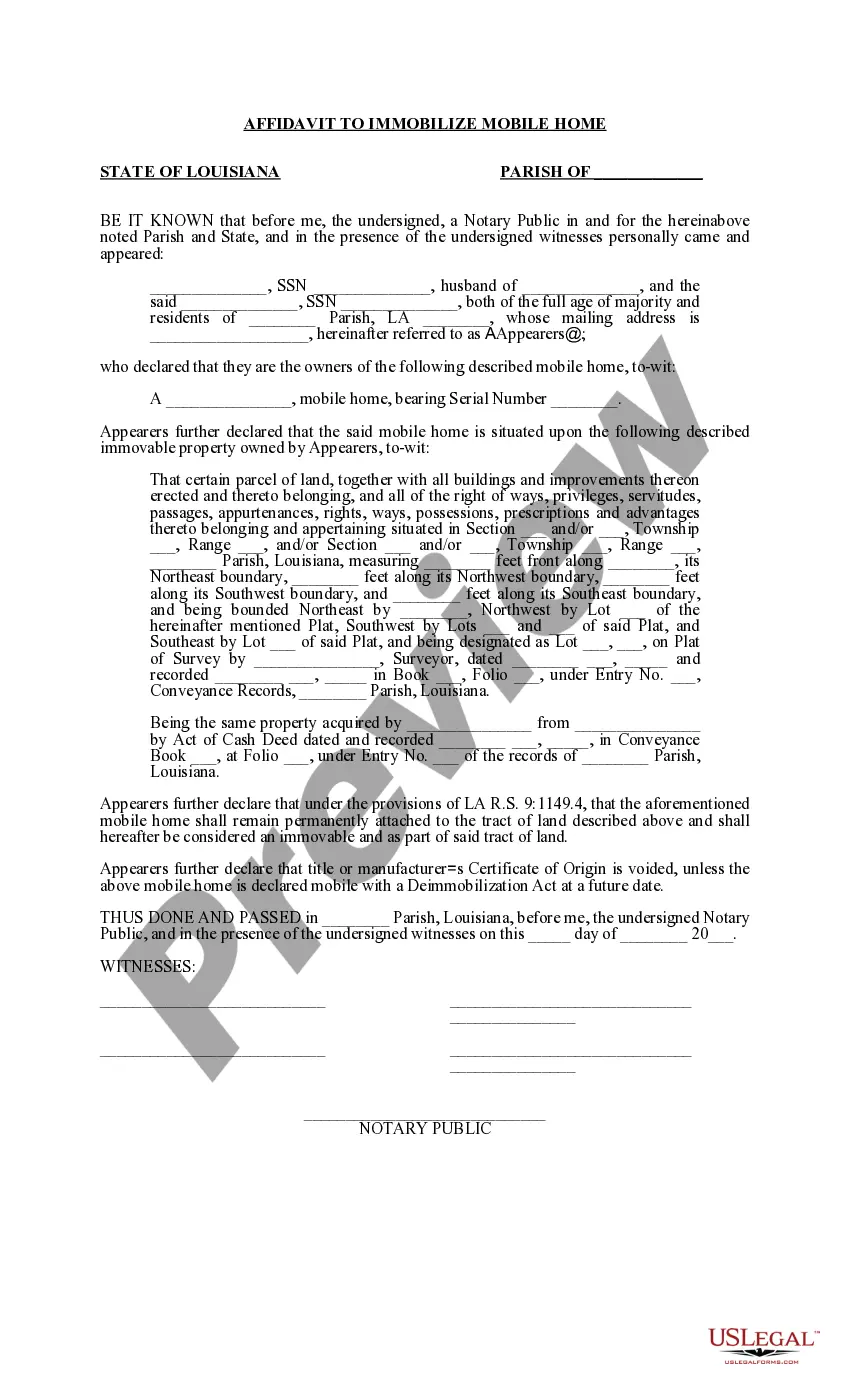

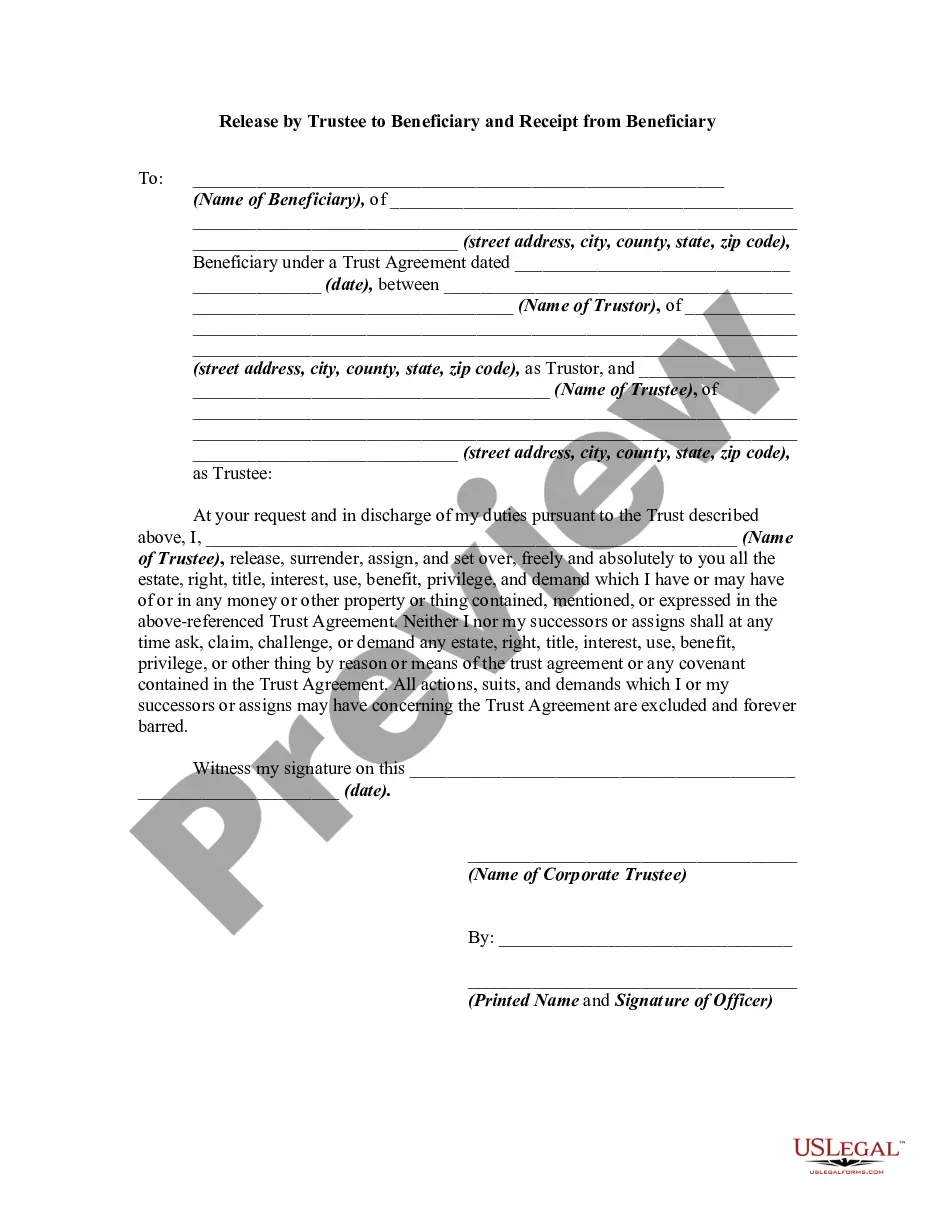
Form popularity
FAQ
How to write a general affidavit? Title your affidavit. Don't forget to list any relevant contact or identification information that you may need to include in the heading. Write your statement. Verify that your information is true. Finalize and notarize.
The following are six critical sections that must be included: Title. This is either your name (“Affidavit of Jane Doe”) or the specific case information. Statement of identity. The next paragraph tells the court about yourself. Statement of truth. Statement of facts. Closing statement of truth. Sign and notarize.
3. Key Components of an Affidavit of Explanation The affiant's personal details: Full name. A statement of voluntariness and competence, for example: “I, Name, of legal age, Filipino, single/married, and a resident of Address, after having been duly sworn to in ance with law, hereby depose and state…”
An affidavit of explanation is a sworn statement by an individual (affiant) detailing specific facts or reasons for a particular situation. This affidavit serves multiple purposes and is generally used to clarify or explain matters that require official, legally bound clarification.
Simply put, an affidavit is a sworn statement of fact that can be used in a variety of legal proceedings, from bankruptcy cases to family and civil litigation matters such as divorce proceedings. It's one of the most common legal documents used as evidence when live sworn testimony isn't possible.
All affidavits, petitions, answers, defenses, or other proceedings required to be verified or sworn to under oath shall be held to be sufficient when the same are sworn to before any notary public, magistrate, judge of any court, or any other officer of the state or county where the oath is made who is authorized by ...
How to write an Affidavit of Identity? Your full, legal name. Your date of birth. Your address. An acceptable form of government ID. Your signature. The signature and seal of a notary public.
3. Key Components of an Affidavit of Explanation The affiant's personal details: Full name. A statement of voluntariness and competence, for example: “I, Name, of legal age, Filipino, single/married, and a resident of Address, after having been duly sworn to in ance with law, hereby depose and state…”
Affidavit definition. An affidavit is a sworn statement put in writing. When you use an affidavit, you're claiming that the information within the document is true and correct to the best of your knowledge. Like taking an oath in court, an affidavit is only valid when you make it voluntarily and without any coercion.
All affidavits, petitions, answers, defenses, or other proceedings required to be verified or sworn to under oath shall be held to be sufficient when the same are sworn to before any notary public, magistrate, judge of any court, or any other officer of the state or county where the oath is made who is authorized by ...

