HIPAA Employee Confidentiality Agreement
About this form
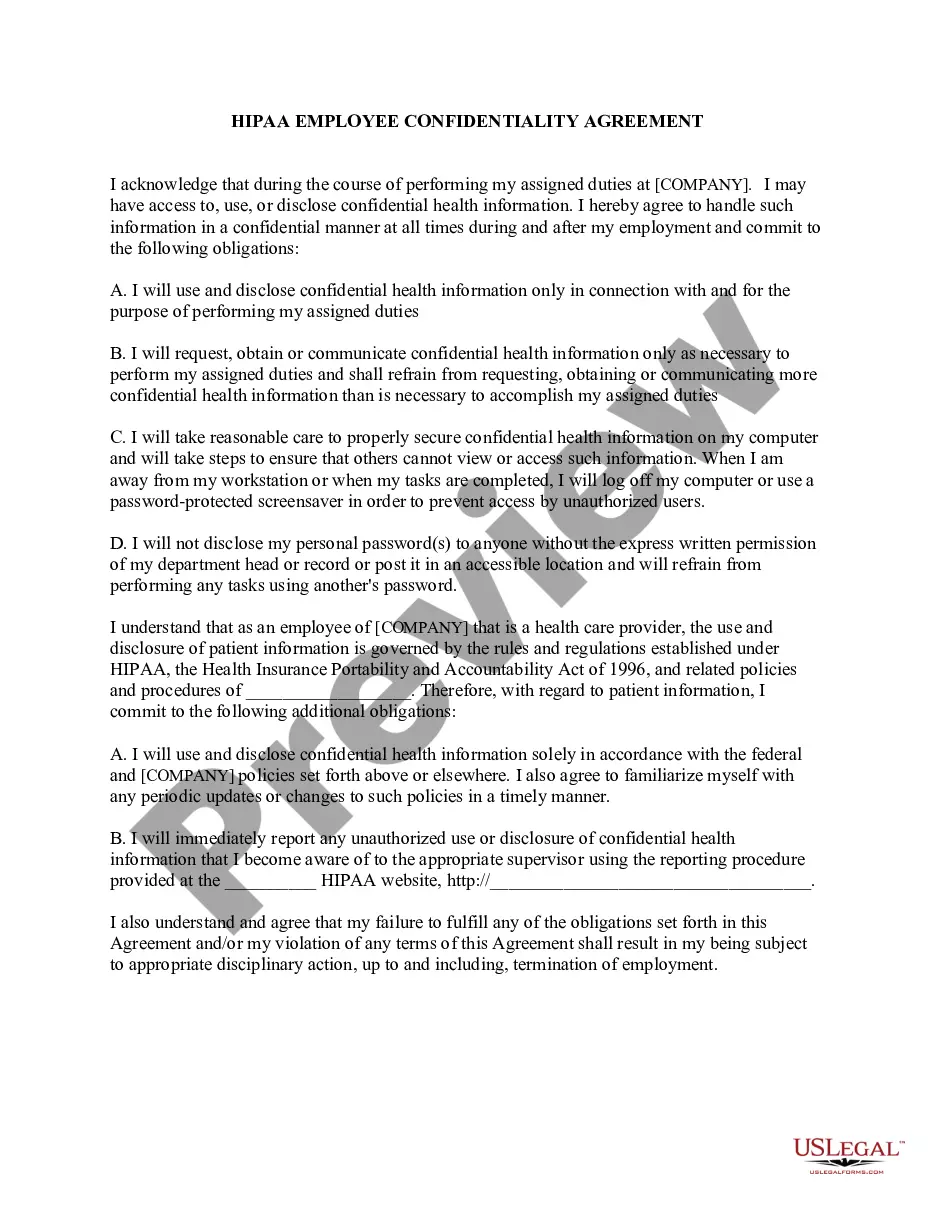
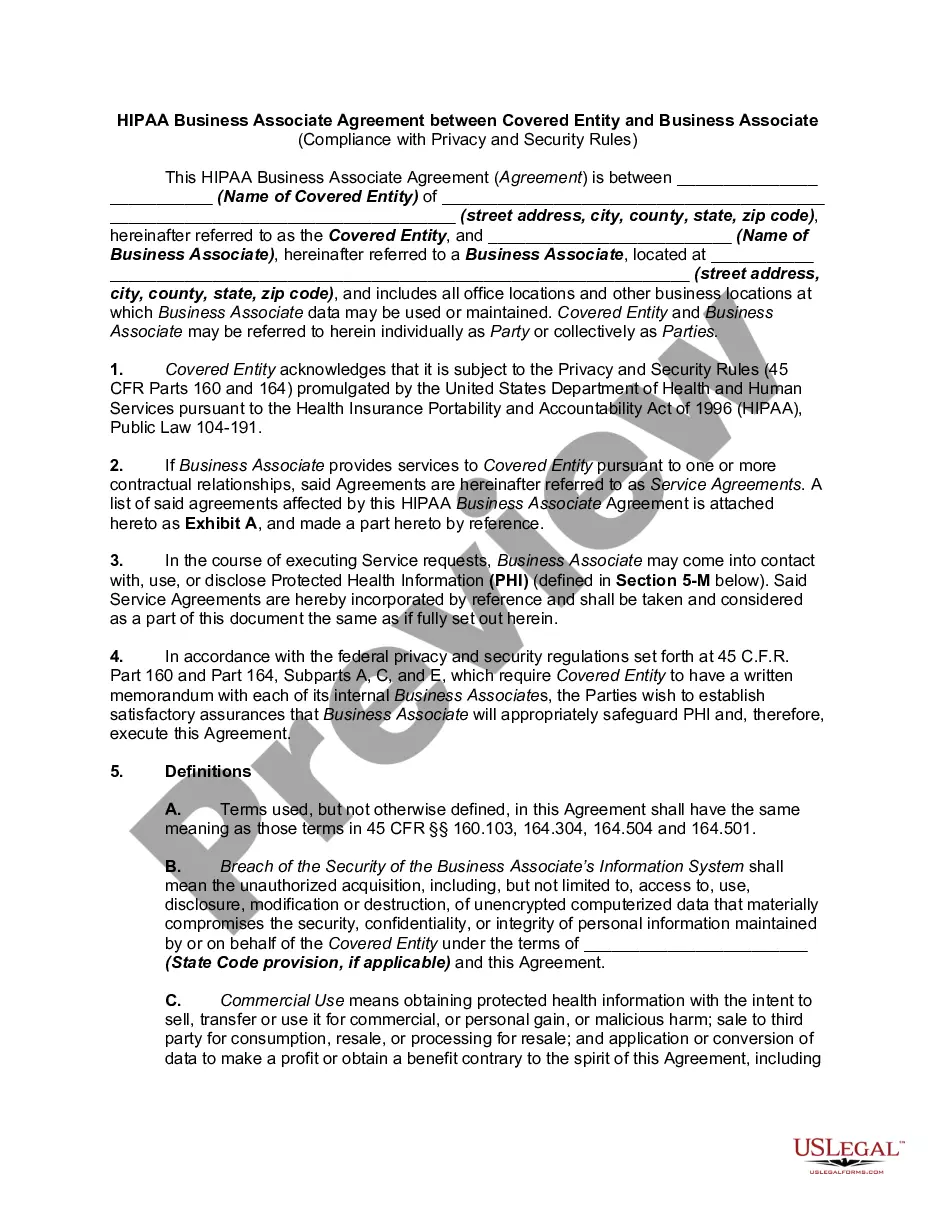
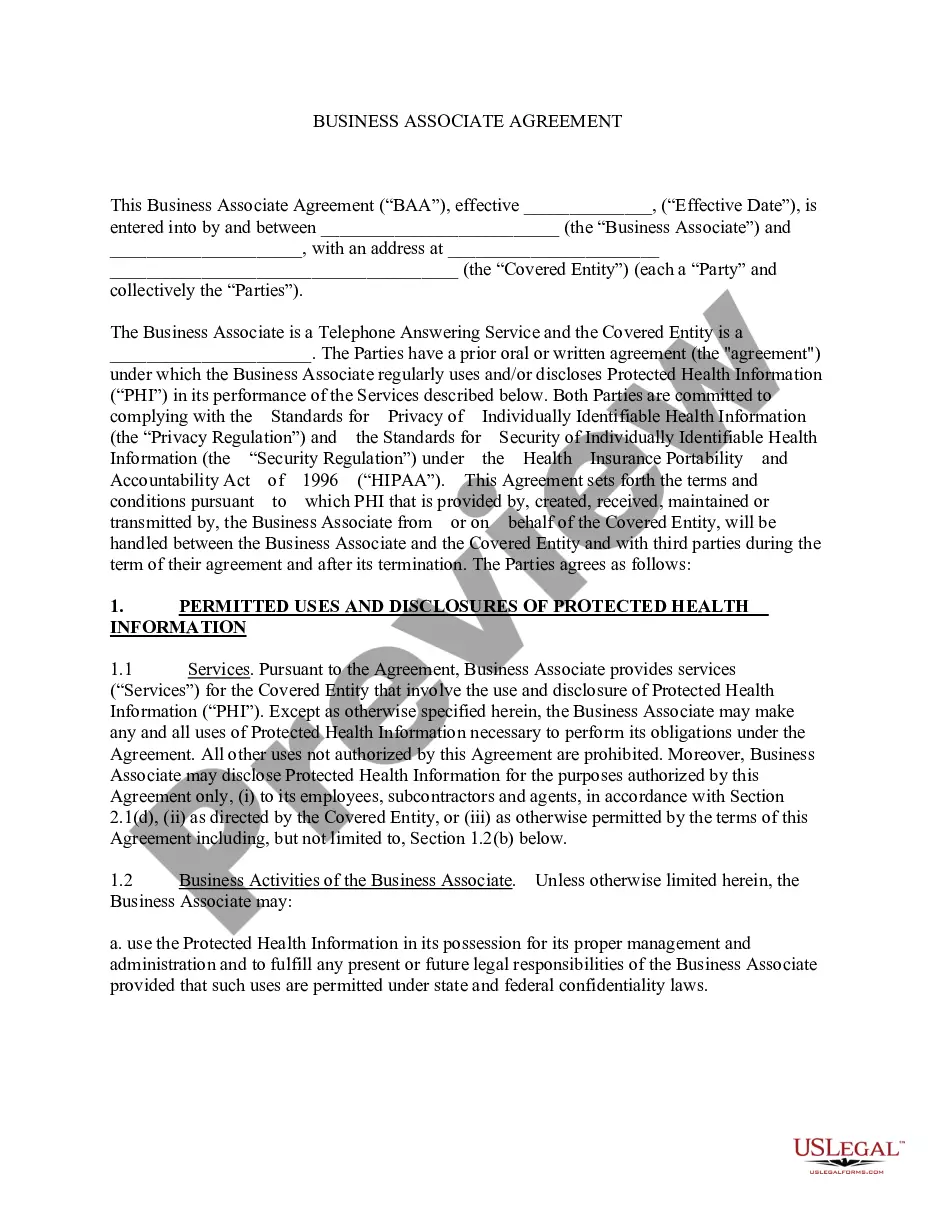
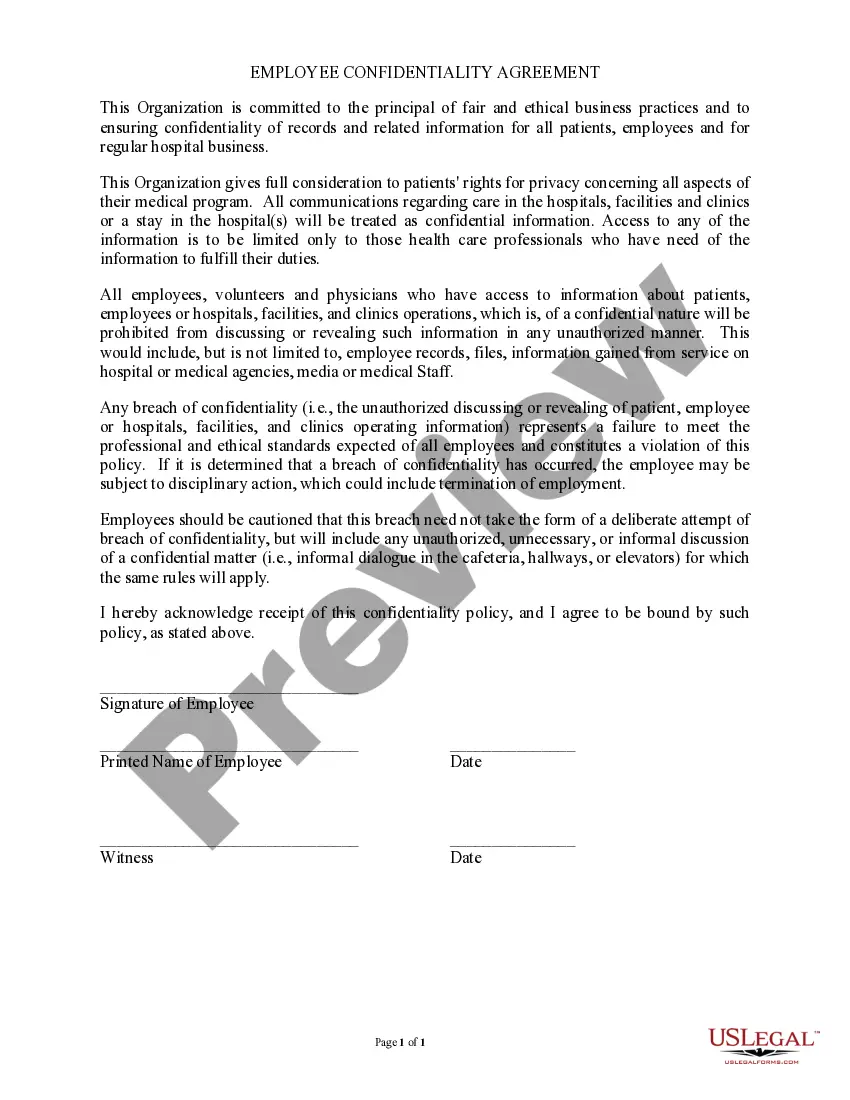
The HIPAA Employee Confidentiality Agreement is a legal document that ensures employees acknowledge their responsibility to protect patient health information. This agreement is essential in maintaining compliance with the Health Insurance Portability and Accountability Act (HIPAA) and outlines the obligations of employees in handling confidential health data. Unlike other confidentiality agreements, this specific form focuses on health information, ensuring that employees understand the legal ramifications of improper data handling.
Key components of this form
- Employee acknowledgment of access to confidential health information.
- Obligations regarding the use and disclosure of health information.
- Instructions for securing confidential information on devices.
- Commitment to report unauthorized uses or disclosures of health information.
- Consequences for failing to fulfill obligations specified in the agreement.
When to use this document
Use the HIPAA Employee Confidentiality Agreement when hiring employees within healthcare settings who will have access to patient health information. It is critical to have this agreement in place before employees start their roles to ensure they are aware of their responsibilities in safeguarding sensitive data.
Who can use this document
- Healthcare employers hiring new staff with access to patient information.
- Existing employees in healthcare roles needing to reaffirm their understanding of confidentiality obligations.
- Managers and supervisors responsible for overseeing compliance with HIPAA regulations.
How to complete this form
- Fill in the name of the company where the employee will work.
- Include the employee's printed name and department.
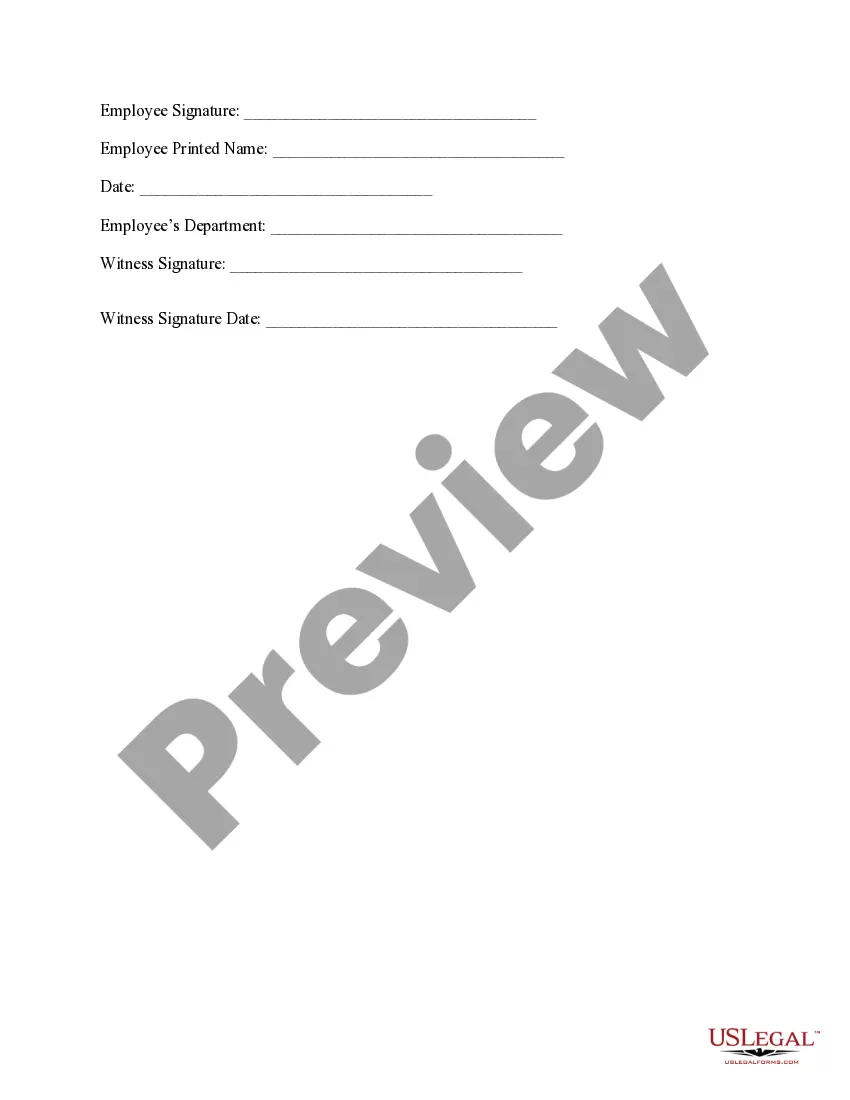
- Obtain signatures from both the employee and a witness, along with the date signed.
- Ensure the employee is informed about the HIPAA regulations and how to access reporting procedures.
- Provide a copy of the signed agreement to the employee for their records.
Does this form need to be notarized?
This form usually doesn’t need to be notarized. However, local laws or specific transactions may require it. Our online notarization service, powered by Notarize, lets you complete it remotely through a secure video session, available 24/7.
Get your form ready online
Our built-in tools help you complete, sign, share, and store your documents in one place.
Make edits, fill in missing information, and update formatting in US Legal Forms—just like you would in MS Word.
Download a copy, print it, send it by email, or mail it via USPS—whatever works best for your next step.
Sign and collect signatures with our SignNow integration. Send to multiple recipients, set reminders, and more. Go Premium to unlock E-Sign.
If this form requires notarization, complete it online through a secure video call—no need to meet a notary in person or wait for an appointment.
We protect your documents and personal data by following strict security and privacy standards.

Make edits, fill in missing information, and update formatting in US Legal Forms—just like you would in MS Word.

Download a copy, print it, send it by email, or mail it via USPS—whatever works best for your next step.

Sign and collect signatures with our SignNow integration. Send to multiple recipients, set reminders, and more. Go Premium to unlock E-Sign.

If this form requires notarization, complete it online through a secure video call—no need to meet a notary in person or wait for an appointment.

We protect your documents and personal data by following strict security and privacy standards.
Mistakes to watch out for
- Failing to have the agreement signed before granting access to confidential information.
- Leaving out the witness signature, which can affect the form's validity.
- Not providing employees with adequate information on their obligations under HIPAA.
- Allowing employees to use shared passwords, violating confidentiality protocols.
Benefits of using this form online
- Convenient access to the form from any location, ensuring timely completion.
- Easy editing capabilities to customize the agreement as needed.
- Reliable retention of records in a digital format that is secure and organized.
Legal use & context
- The agreement is enforceable under federal law as it aligns with HIPAA regulations.
- It provides legal protection for employers against unauthorized disclosures by employees.
- Failure to comply with the agreement can result in disciplinary measures, potentially including termination.
Quick recap
- The HIPAA Employee Confidentiality Agreement is essential for protecting patient information.
- Employees must understand their responsibility regarding health data confidentiality.
- Proper completion and adherence to the agreement are crucial for legal compliance.
Looking for another form?
Form popularity
FAQ
Right to Privacy The HIPAA Privacy Rule gives patients and employees: The right to authorize disclosure of their health records. The right to request or inspect a copy of their health records. The right to have mistakes corrected at any time.
Ingly, to protect the Confidential Information that will be disclosed during employment, the Employee agrees as follows: Employee will hold the Confidential Information received from Company Name in strict confidence and will exercise a reasonable degree of care to prevent disclosure to others.
Examples of confidentiality clauses include: Example 1: Preventing employees from talking to the press. Example 2: Limiting the disclosure of on-site business practices. Example 3: Stopping business partners from sharing IP rights.
HIPAA laws and regulations are used in the workplace to protect the health and medical records of employees participating in an employer-sponsored healthcare plan. The laws regulate how individuals' protected healthcare information maintained by a healthcare plan can be shared with employers.
A typical confidentiality clause might say, "The phrases and circumstances of this Agreement are completely confidential between the parties and shall not be disclosed to anybody else. Any disclosure in violation shall be deemed a breach of this Agreement."
Employees have the right to keep private facts about themselves confidential and the right to some degree of personal space. An employer that discloses private facts or lies about an employee may be held accountable in a civil action for invasion of privacy or defamation.
A HIPAA employee confidentiality agreement is an agreement between an employer and its employee, under which the employee agrees to: Not access, use or disclose PHI or ePHI, except when necessary to perform job duties.