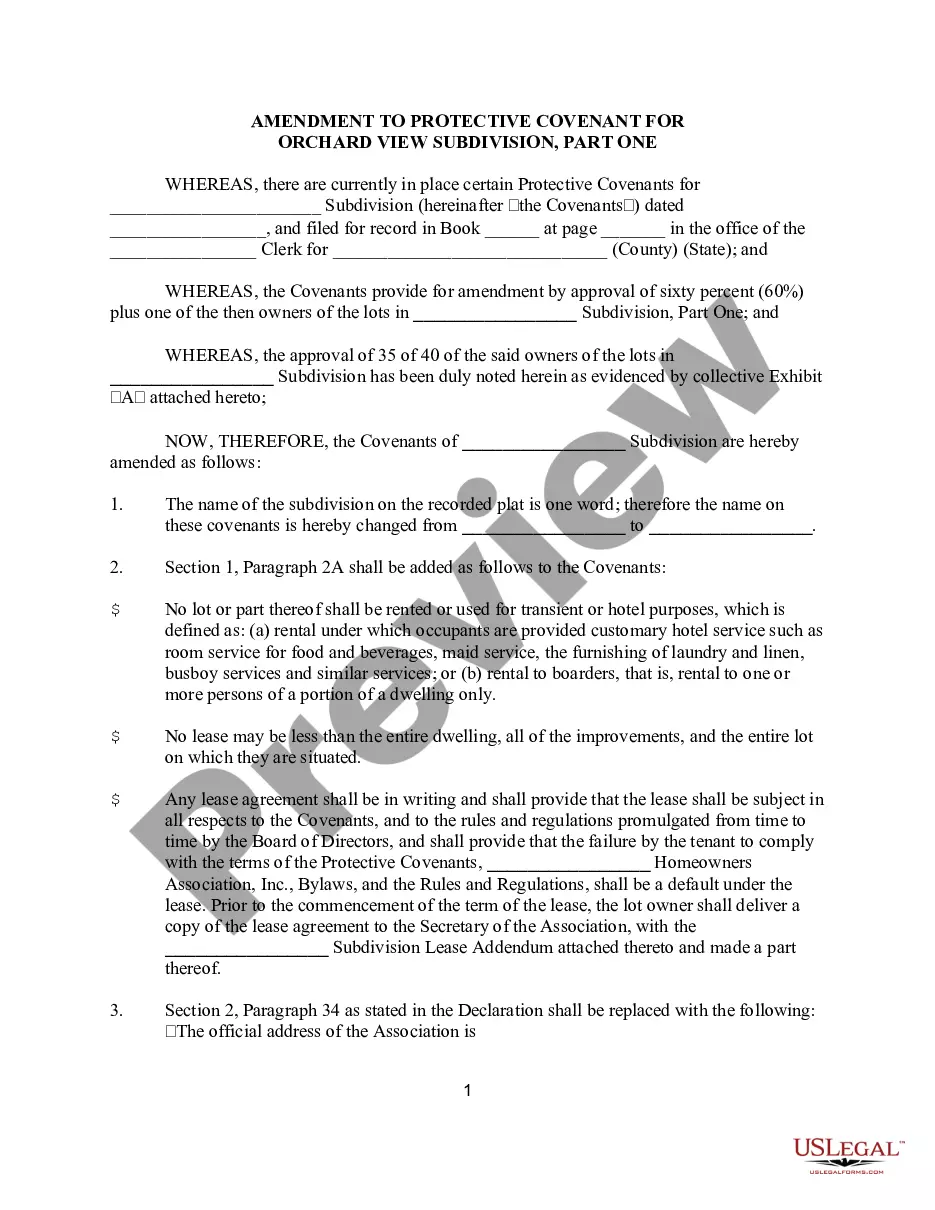
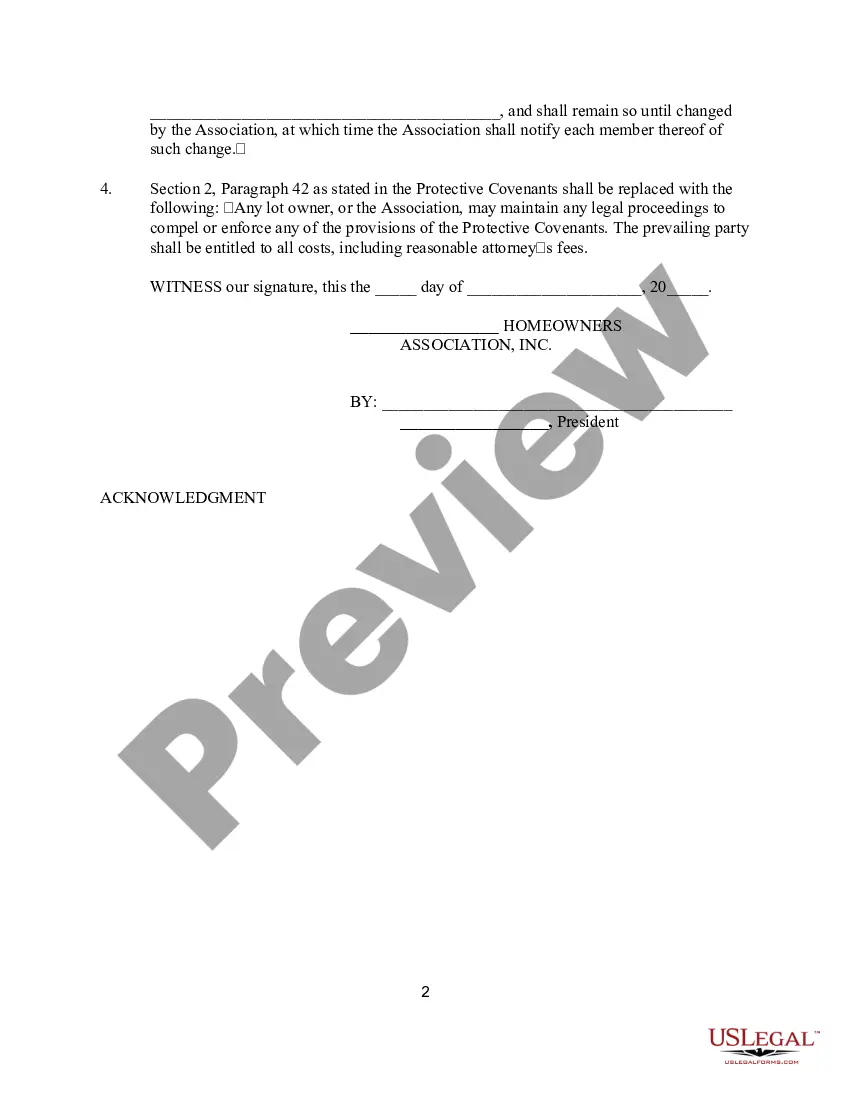
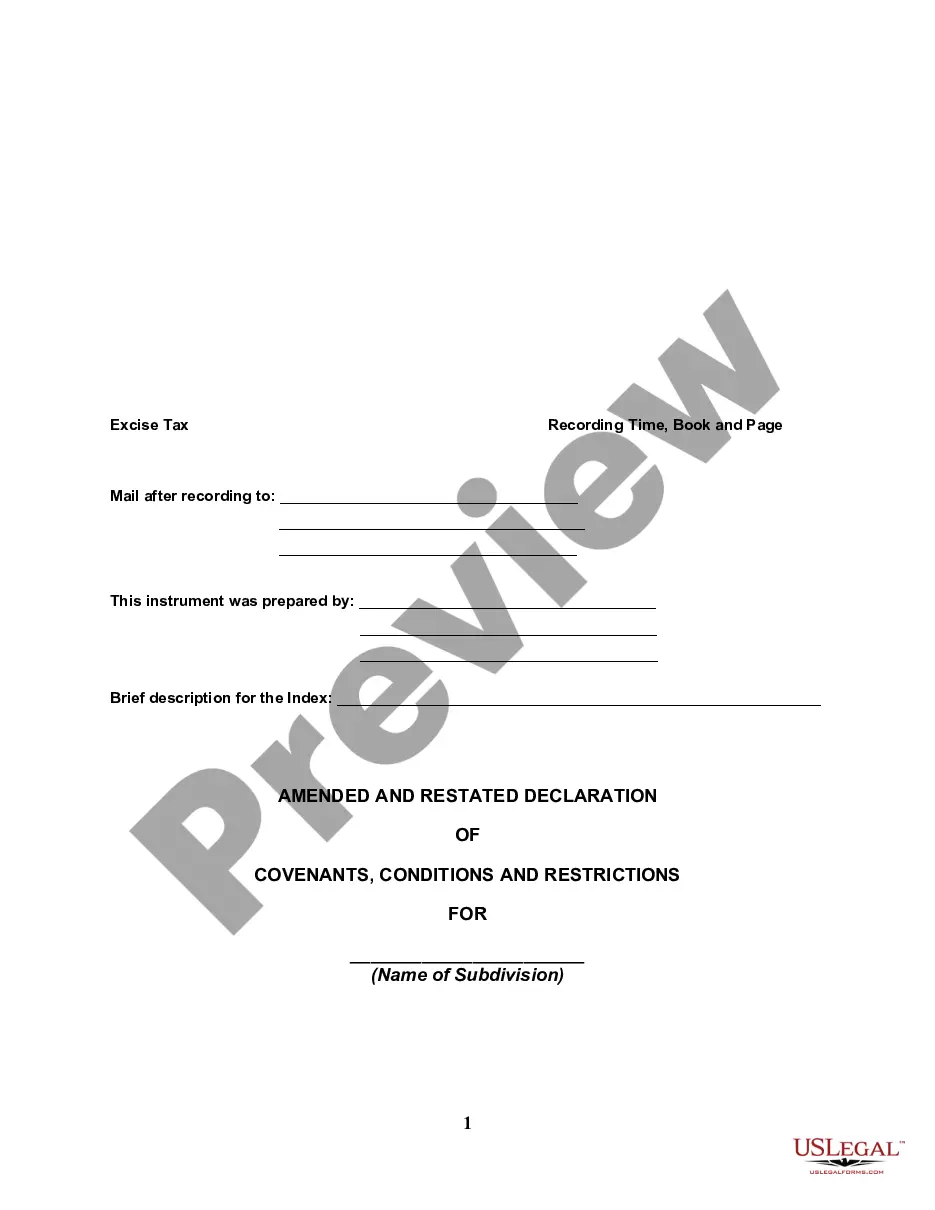
A Protective Covenant With The Land In Phoenix
Description
Get your form ready online
Our built-in tools help you complete, sign, share, and store your documents in one place.
Make edits, fill in missing information, and update formatting in US Legal Forms—just like you would in MS Word.
Download a copy, print it, send it by email, or mail it via USPS—whatever works best for your next step.
Sign and collect signatures with our SignNow integration. Send to multiple recipients, set reminders, and more. Go Premium to unlock E-Sign.
If this form requires notarization, complete it online through a secure video call—no need to meet a notary in person or wait for an appointment.
We protect your documents and personal data by following strict security and privacy standards.

Make edits, fill in missing information, and update formatting in US Legal Forms—just like you would in MS Word.

Download a copy, print it, send it by email, or mail it via USPS—whatever works best for your next step.

Sign and collect signatures with our SignNow integration. Send to multiple recipients, set reminders, and more. Go Premium to unlock E-Sign.

If this form requires notarization, complete it online through a secure video call—no need to meet a notary in person or wait for an appointment.

We protect your documents and personal data by following strict security and privacy standards.
Looking for another form?









Form popularity
FAQ
Covenants, conditions, and restrictions, or CC&Rs, are rules that homeowners within a subdivision must abide by. For instance, a typical CC&R document might say that any structures added to your home must conform to the existing structure in terms of height, material, and color.
A covenant is defined as “an unbreakable agreement between two parties that have joined together as one to support, provide, protect and defend each other.” Psalm 1 (KJV) says, “He hath remembered His covenant for ever, the word which He commanded to a thousand generations.”
They can include restrictions on architectural styles, colors, fence heights, types of landscaping, and prohibitions on commercial use in a residential area, among others. Violating these covenants can result in legal action or fines.
A protective covenant can be used to protect rights while using residential property. The restriction might be put from conducting any business activity on the property like using it for running office or business from the residential property.
Arizona courts have found restrictive covenants to be reasonable and enforceable when they protect some legitimate interest of the employer beyond simply protection from competition.
