Vcs Methodology Submission Form And Agreement In San Jose
Description

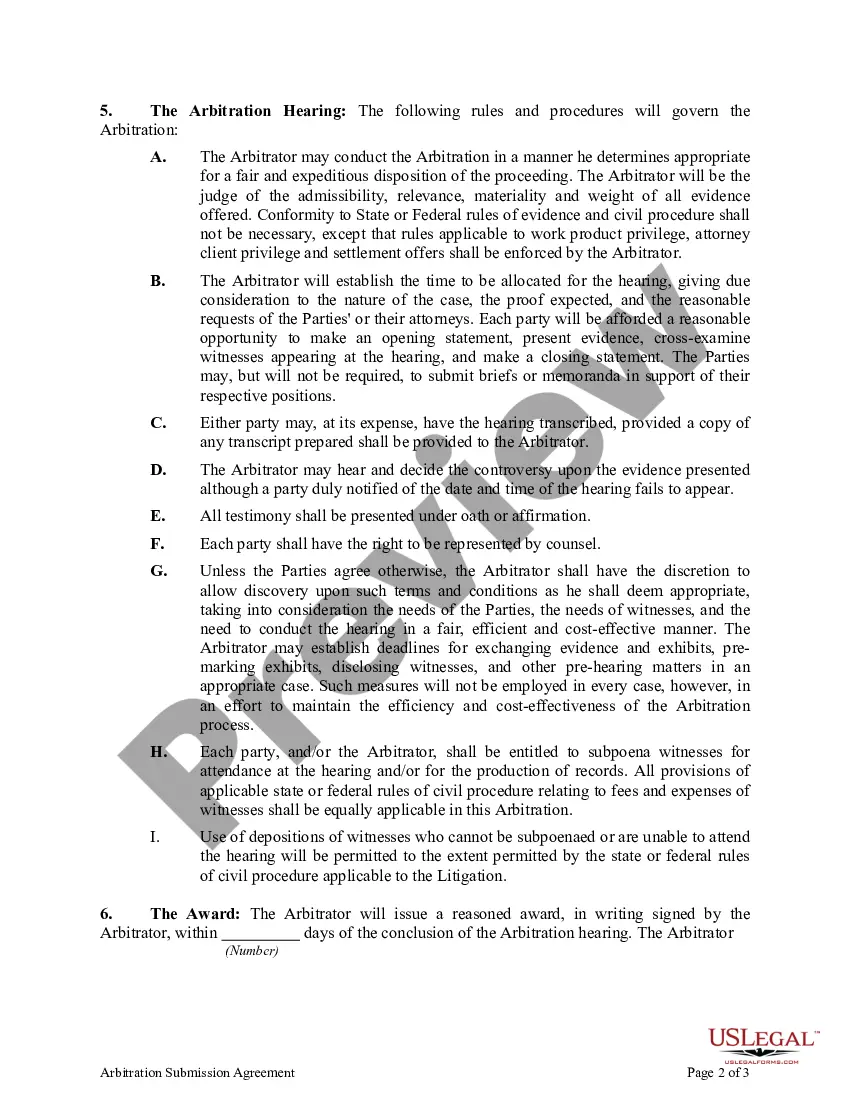


Get your form ready online
Our built-in tools help you complete, sign, share, and store your documents in one place.
Make edits, fill in missing information, and update formatting in US Legal Forms—just like you would in MS Word.
Download a copy, print it, send it by email, or mail it via USPS—whatever works best for your next step.
Sign and collect signatures with our SignNow integration. Send to multiple recipients, set reminders, and more. Go Premium to unlock E-Sign.
If this form requires notarization, complete it online through a secure video call—no need to meet a notary in person or wait for an appointment.
We protect your documents and personal data by following strict security and privacy standards.

Make edits, fill in missing information, and update formatting in US Legal Forms—just like you would in MS Word.

Download a copy, print it, send it by email, or mail it via USPS—whatever works best for your next step.

Sign and collect signatures with our SignNow integration. Send to multiple recipients, set reminders, and more. Go Premium to unlock E-Sign.

If this form requires notarization, complete it online through a secure video call—no need to meet a notary in person or wait for an appointment.

We protect your documents and personal data by following strict security and privacy standards.
Looking for another form?






Form popularity
FAQ
The Verified Carbon Standard (VCS) is a carbon crediting mechanism through which credits are issued to projects that reduce or remove greenhouse gas (GHG) emissions. The VCS Program is currently the largest issuer of carbon credits and is developed and managed by Verra.
The VCS project lifecycle consists of several stages, including project design, registration, implementation, monitoring, verification, and issuance. Each stage plays a crucial role in ensuring the generation of high-quality carbon credits.
Verified Carbon Standard (VCS) Methodologies are technical documents used by project developers to quantify the GHG benefits of different project types.
The CCS process works by capturing carbon dioxide produced in concentrated waste streams at industrial facilities and fossil fuel-generated power plants. The captured carbon is then transported and injected into secure, deep underground geological formations.
Project developers must open an account and submit all required documents to the Verra Registry in order to submit project requests for pipeline listing, registration, and verification approval.
A version control system (VCS) tracks every alteration to a file or set of files, enabling developers to journey back to earlier versions and collaborate seamlessly. Centralized version control systems (CVCS) streamline this process by housing all file versions on a single server.
Methodologies provide requirements and procedures to determine project boundaries, identify the baseline, assess additionality, monitor the relevant parameters, and ultimately quantify the GHG emission reductions or removals.
The CCS process works by capturing carbon dioxide produced in concentrated waste streams at industrial facilities and fossil fuel-generated power plants. The captured carbon is then transported and injected into secure, deep underground geological formations.
Timeline for Project Registration The length of the validation process varies from project to project. It can take up to a year or longer (in rare cases). After a successful validation, the project proponent requests project registration with Verra as outlined in the Registration and Issuance Process (PDF) document.
MSc Development Studies alum Alejandra Padin-Dujon unpacks the recent controversy involving the carbon credit certifier Verra, wherein investigative journalists questioned Verra's 'avoided deforestation' credits, claiming these have been overstating the level of carbon offsetting actually achieved.
