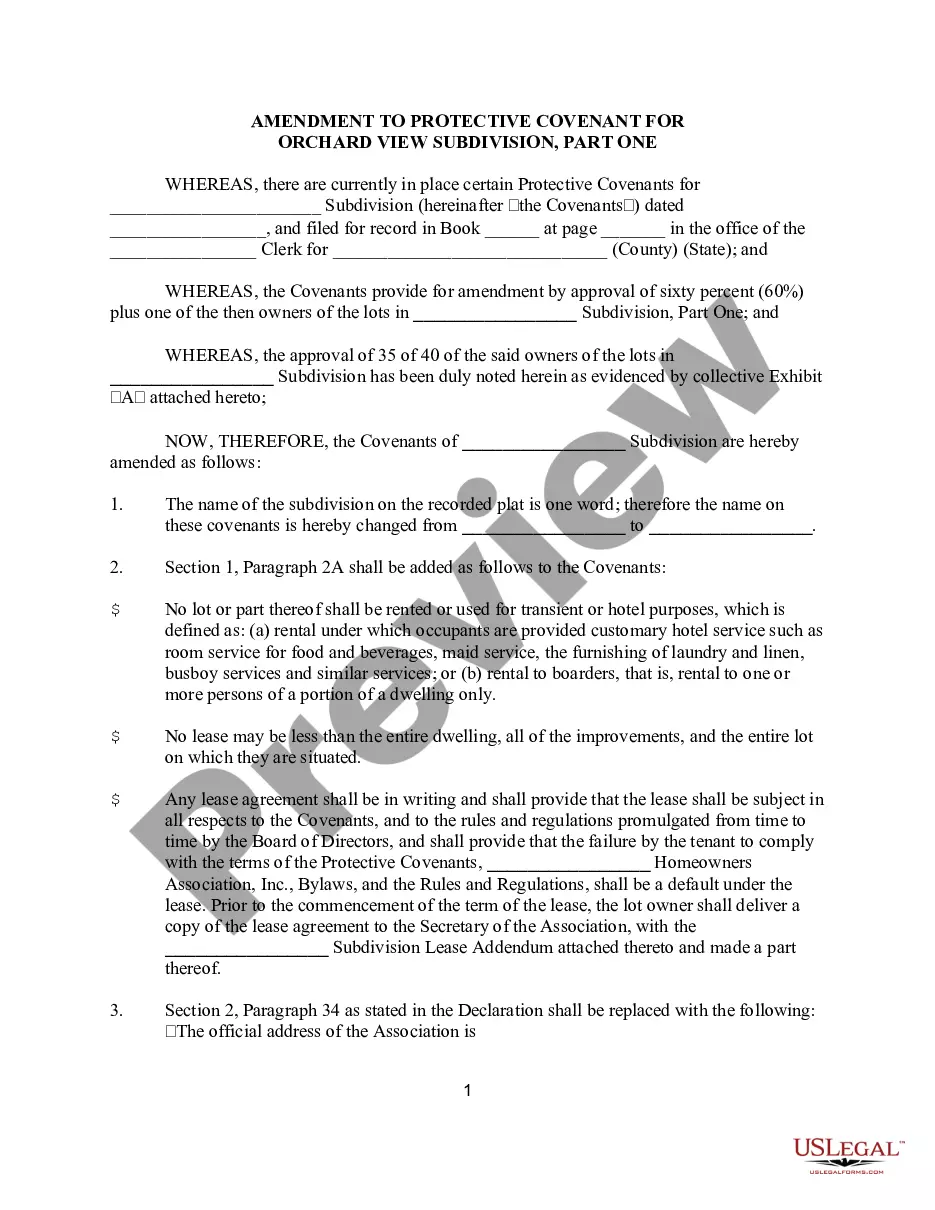
A Protective Covenant For Property In Michigan
Description
Get your form ready online
Our built-in tools help you complete, sign, share, and store your documents in one place.
Make edits, fill in missing information, and update formatting in US Legal Forms—just like you would in MS Word.
Download a copy, print it, send it by email, or mail it via USPS—whatever works best for your next step.
Sign and collect signatures with our SignNow integration. Send to multiple recipients, set reminders, and more. Go Premium to unlock E-Sign.
If this form requires notarization, complete it online through a secure video call—no need to meet a notary in person or wait for an appointment.
We protect your documents and personal data by following strict security and privacy standards.

Make edits, fill in missing information, and update formatting in US Legal Forms—just like you would in MS Word.

Download a copy, print it, send it by email, or mail it via USPS—whatever works best for your next step.

Sign and collect signatures with our SignNow integration. Send to multiple recipients, set reminders, and more. Go Premium to unlock E-Sign.

If this form requires notarization, complete it online through a secure video call—no need to meet a notary in person or wait for an appointment.

We protect your documents and personal data by following strict security and privacy standards.
Looking for another form?

Form popularity
FAQ
The board of directors of a Michigan homeowners association has a duty to enforce the various regulations contained in the restrictive covenants, declaration or deed restrictions as written, subject to limited exceptions.
(1) A property owner may record in the records of the register of deeds for the county where the property is located a discharge form to remove any prohibited restriction. (2) A discharge form recorded under this section may be executed solely by the property owner. History: 2022, Act 234, Imd.
Covenant Deed Covenant deeds provide a limited warranty of title. These types of deeds only convey a warranty for the time that the grantor actually owned the property. Under a covenant deed, the grantor's sole warranty is that they did not cause any title issues during their ownership of the property.
Typically, beneficiaries include successors in title, neighbouring landowners and entities who are specifically named in the covenant documentation. To enforce a restrictive covenant, the individual or entity must have a direct interest in the property that is subject to the covenant's restriction.
You'll need to get consent, either from the governing body that set them — your city or HOA, for example — or from the other parties involved in the restriction, like neighbors. Removing them may involve filing paperwork with the county clerk or even presenting it to a judge.
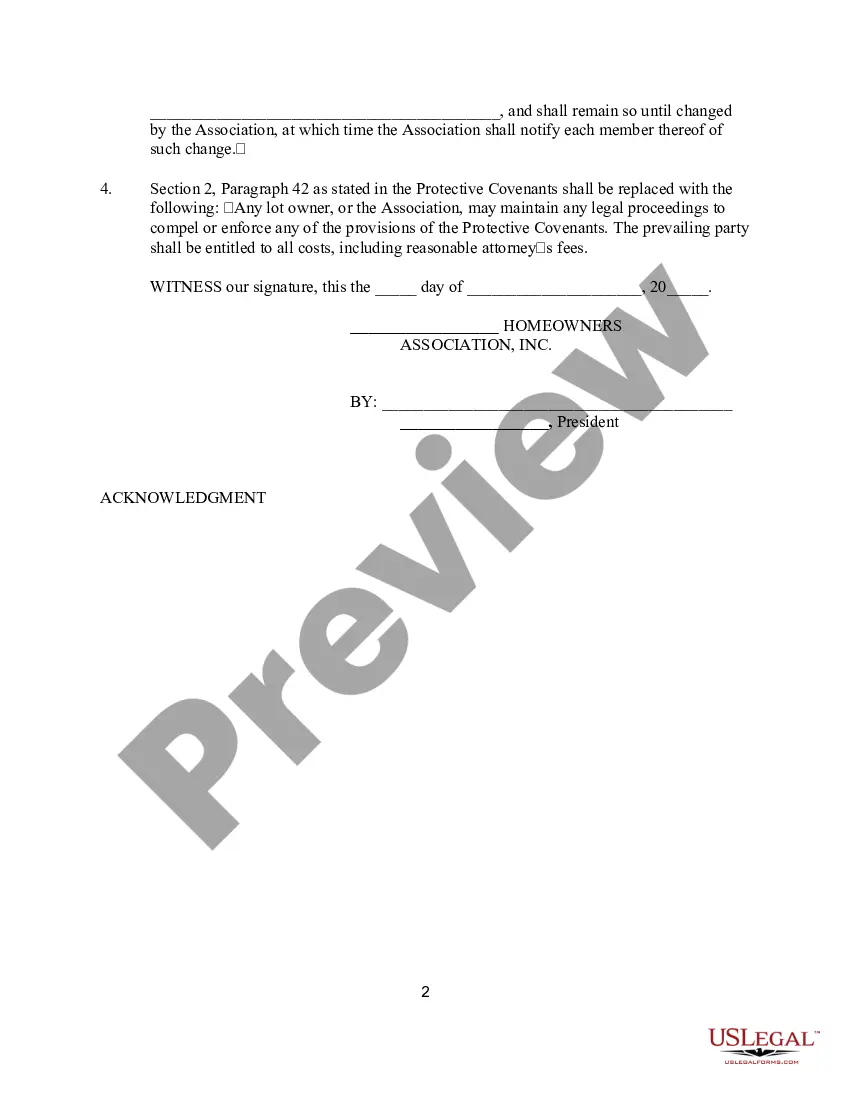
Although they are generally referred to collectively as restrictive, or restrictive and protective, covenants, there are two types of such covenants: (i) restrictions on the use of the property, and (ii) affirmative obligations imposed on the owner of the properties.
And in Michigan, such covenants will generally be enforceable, provided that they are reasonable. Restrictive covenants are typically analyzed under the Michigan Antitrust Reform Act (“MARA”).
Protective covenants, also known as restrictive covenants, are legal obligations embedded in the deed of a property. These covenants are agreements between property owners that impose certain restrictions or requirements on the use of the land.
A Deed of Covenant is quite simply a form of legal agreement between two parties. it can take various forms, but in conveyancing, it is usually used to lay out legal responsibilities and obligations between a property freeholder and their leaseholder.
