Contract Law For Paralegals In Orange
Description

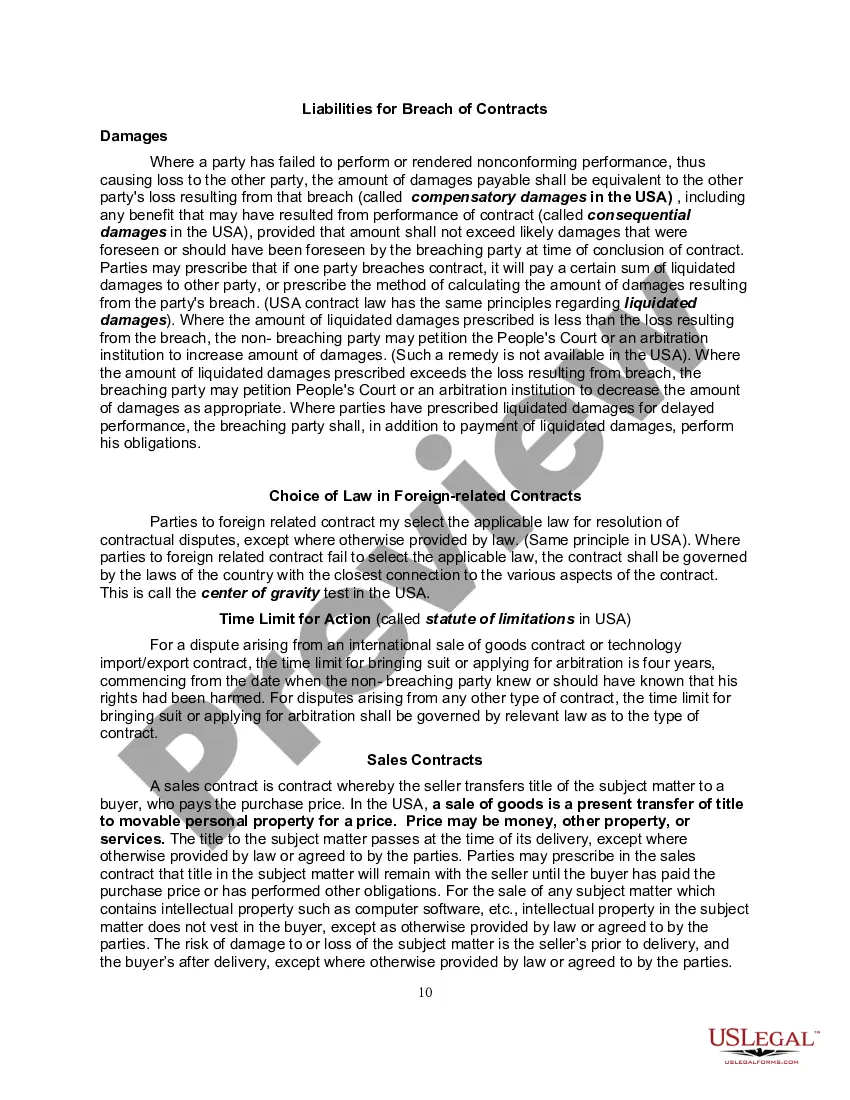


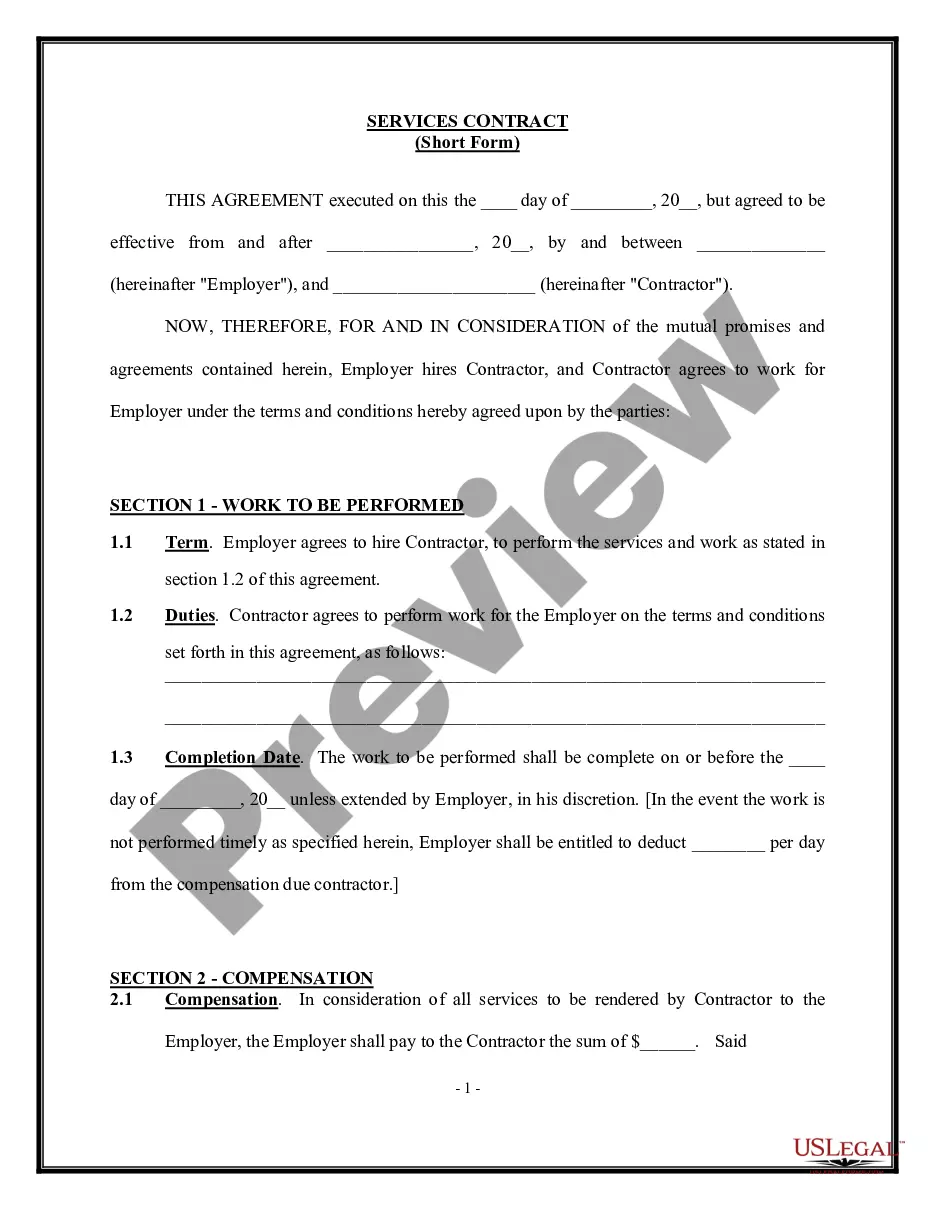
Get your form ready online
Our built-in tools help you complete, sign, share, and store your documents in one place.
Make edits, fill in missing information, and update formatting in US Legal Forms—just like you would in MS Word.
Download a copy, print it, send it by email, or mail it via USPS—whatever works best for your next step.
Sign and collect signatures with our SignNow integration. Send to multiple recipients, set reminders, and more. Go Premium to unlock E-Sign.
If this form requires notarization, complete it online through a secure video call—no need to meet a notary in person or wait for an appointment.
We protect your documents and personal data by following strict security and privacy standards.

Make edits, fill in missing information, and update formatting in US Legal Forms—just like you would in MS Word.

Download a copy, print it, send it by email, or mail it via USPS—whatever works best for your next step.

Sign and collect signatures with our SignNow integration. Send to multiple recipients, set reminders, and more. Go Premium to unlock E-Sign.

If this form requires notarization, complete it online through a secure video call—no need to meet a notary in person or wait for an appointment.

We protect your documents and personal data by following strict security and privacy standards.
Looking for another form?









Form popularity
FAQ
A contract paralegal cannot work directly with the public; under California law, paralegals must work under the direction and supervision of an active member of the State Bar of California, or an attorney practicing law in the federal courts of this state.
There are three essential components of any contract: the offer, the acceptance, and the consideration. If all three of these characteristics aren't present, a document is not considered a contract.
However, Paralegals also have a code of ethics to follow in order to perform their job. For example, The National Association of Legal Assistants (NALA) has canons of their code of ethics for their members to follow. Every Paralegal group has their own but similar ethics to follow.
Large businesses. Large companies often have their in-house legal team conduct contract reviews. If the contracts in question are basic, the paralegals, legal assistants, or junior lawyers will review the contracts to make sure they are lawful and enforceable.
A contract paralegal cannot work directly with the public; under California law, paralegals must work under the direction and supervision of an active member of the State Bar of California, or an attorney practicing law in the federal courts of this state.
Even though paralegals do a lot of the administrative work within a firm, know the law, and work with clients, they are not lawyers. Paralegals cannot give legal advice, make decisions on behalf of clients, or represent clients in court as they are not licensed attorneys.
Canon 1 – A paralegal must not: (a) engage in, encourage, or contribute to any act which could constitute the unauthorized practice of law; (b) establish attorney-client relationships, set fees, give legal opinions or advice, or represent a client before a court or agency unless so authorized by that court or agency; ...
The Value of the Contract: Consider whether the breach resulted in substantial financial or other losses. If the damages are minimal, the costs of litigation may outweigh the potential recovery. For example, suing over a minor inconvenience or slight delay may not be worth the effort.
Under California Business and Professions Code section 6450 (b) paralegals are not permitted to: Give legal advice. Represent a client in court. Select, explain, draft, or recommend the use of legal documents to or for any person other than the attorney who directs and supervises the paralegal.
Some examples of unethical attorney behavior include: Neglecting Scheduled Meeting Attendance. Inappropriate Language Usage in Legal Practice. Unilateral Decision-Making in Client Cases.
