A Protective Covenant For Property In Mecklenburg
Description

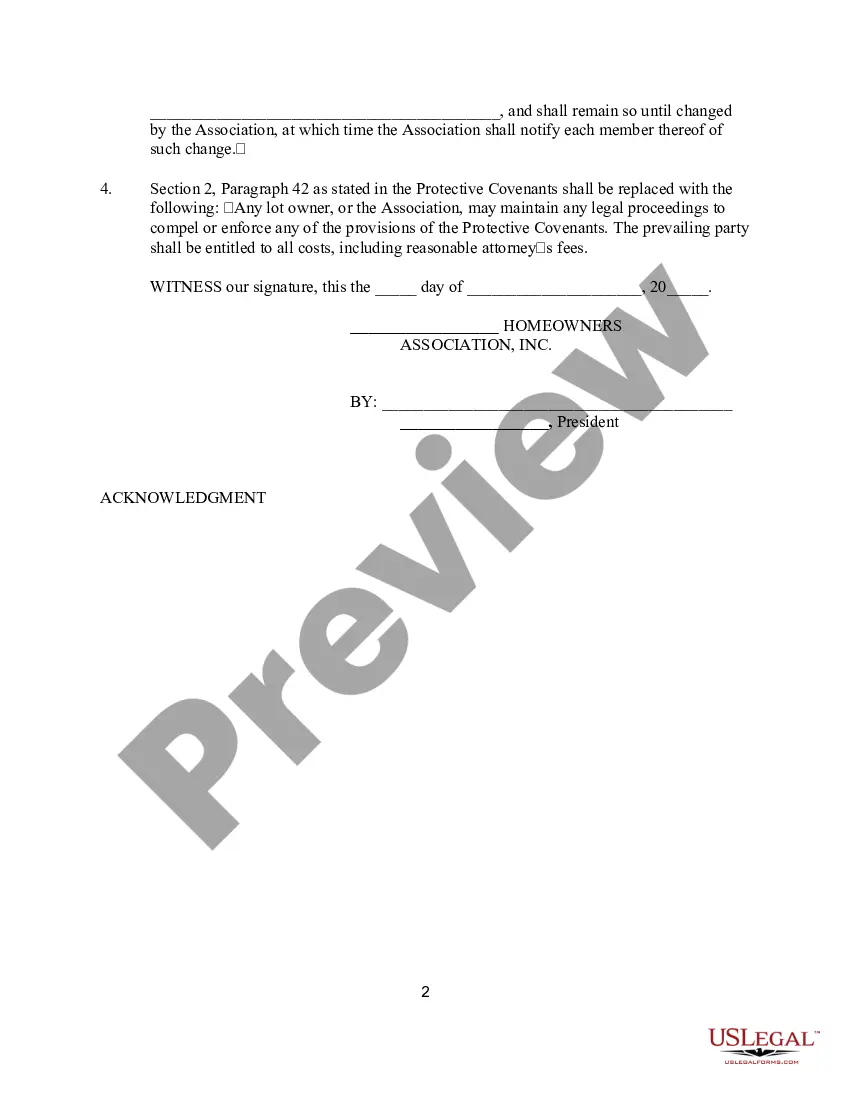
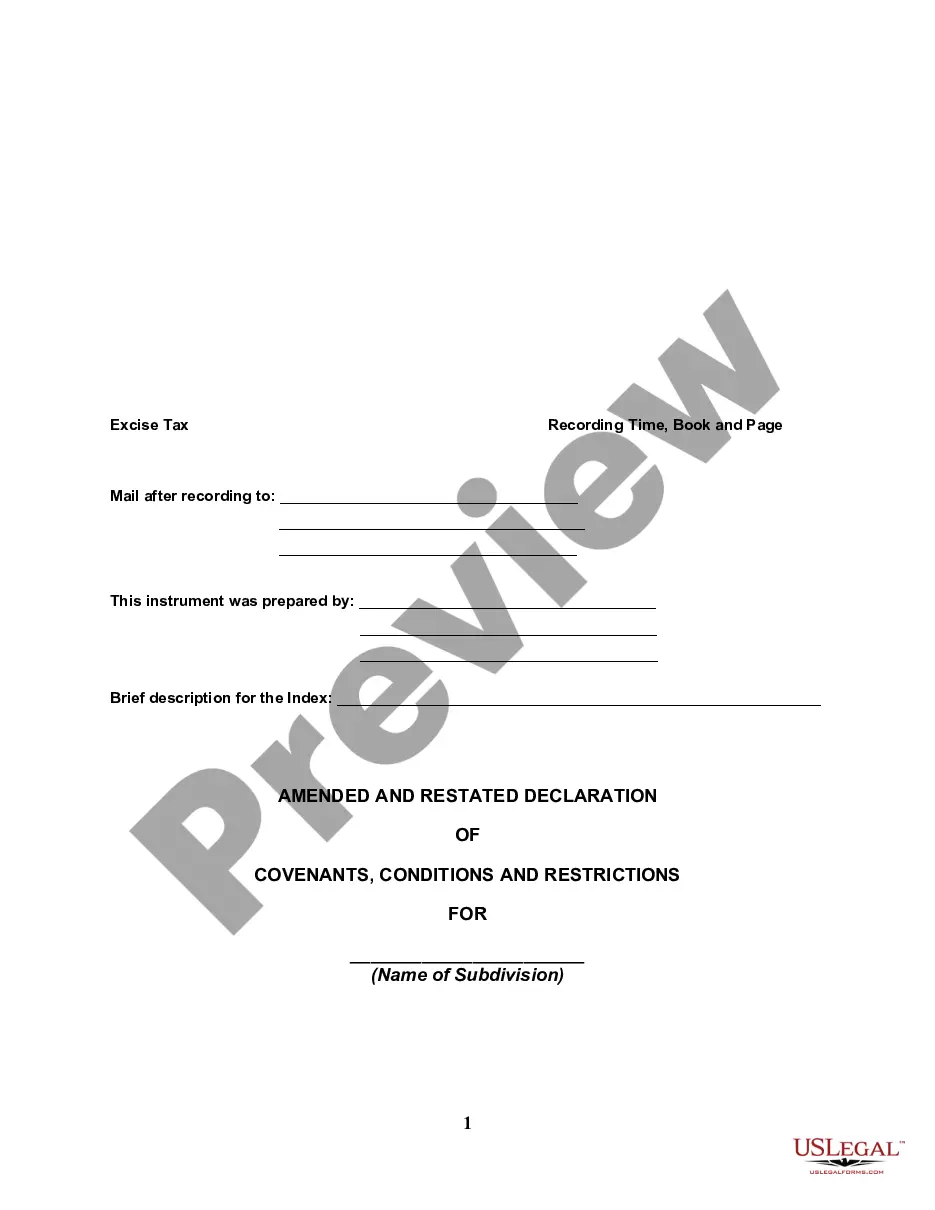
Get your form ready online
Our built-in tools help you complete, sign, share, and store your documents in one place.
Make edits, fill in missing information, and update formatting in US Legal Forms—just like you would in MS Word.
Download a copy, print it, send it by email, or mail it via USPS—whatever works best for your next step.
Sign and collect signatures with our SignNow integration. Send to multiple recipients, set reminders, and more. Go Premium to unlock E-Sign.
If this form requires notarization, complete it online through a secure video call—no need to meet a notary in person or wait for an appointment.
We protect your documents and personal data by following strict security and privacy standards.

Make edits, fill in missing information, and update formatting in US Legal Forms—just like you would in MS Word.

Download a copy, print it, send it by email, or mail it via USPS—whatever works best for your next step.

Sign and collect signatures with our SignNow integration. Send to multiple recipients, set reminders, and more. Go Premium to unlock E-Sign.

If this form requires notarization, complete it online through a secure video call—no need to meet a notary in person or wait for an appointment.

We protect your documents and personal data by following strict security and privacy standards.
Looking for another form?









Form popularity
FAQ
There are several covenants in the Bible, but five covenants are crucial for understanding the story of the Bible and God's redemptive plan: the Noahic Covenant, the Abrahamic Covenant, The Mosaic Covenant, the Davidic Covenant and the New Covenant.
A protective covenant can be used to protect rights while using residential property. The restriction might be put from conducting any business activity on the property like using it for running office or business from the residential property.
Positive covenants, also known as affirmative covenants, require a business to adhere to certain terms. They might require that the company maintains a certain type of insurance or delivers audited financial statements to the lending institution.
Protective Covenants: Safeguarding Your Secret Sauce In general, it is a legal provision in an agreement or legal instrument where one party promises to take or is restricted from taking certain actions or otherwise has certain obligations to protect an interest of another party.
They can include restrictions on architectural styles, colors, fence heights, types of landscaping, and prohibitions on commercial use in a residential area, among others. Violating these covenants can result in legal action or fines.
In North Carolina, there's a noteworthy aspect of restrictive covenants to consider; most covenants automatically expire after 30 years unless they are specifically for residential purposes only. This statutory limitation is a safeguard against outdated or unreasonable restrictions binding properties in perpetuity.
Protective covenants, also known as restrictive covenants, are legal obligations embedded in the deed of a property. These covenants are agreements between property owners that impose certain restrictions or requirements on the use of the land.
Which of the following are common protective covenants? the firm must pledge assets to other lenders. the firm cannot merge with any other firm. the firm must limit dividends to equity holders. the firm must maintain working capital at or above a specified level.
In December 1966, the UN General Assembly adopted two international treaties that would further shape international human rights: the International Covenant on Economic Social and Cultural Rights (ICESCR), and the International Covenant on Civil and Political Rights (ICCPR).
The two categories of covenants are a conditional covenant, in which each party promises to uphold certain terms lest the covenant is broken, and an unconditional covenant, in which the covenant cannot be broken.
