Restrictive Covenant For Contract Work In Sacramento
Description

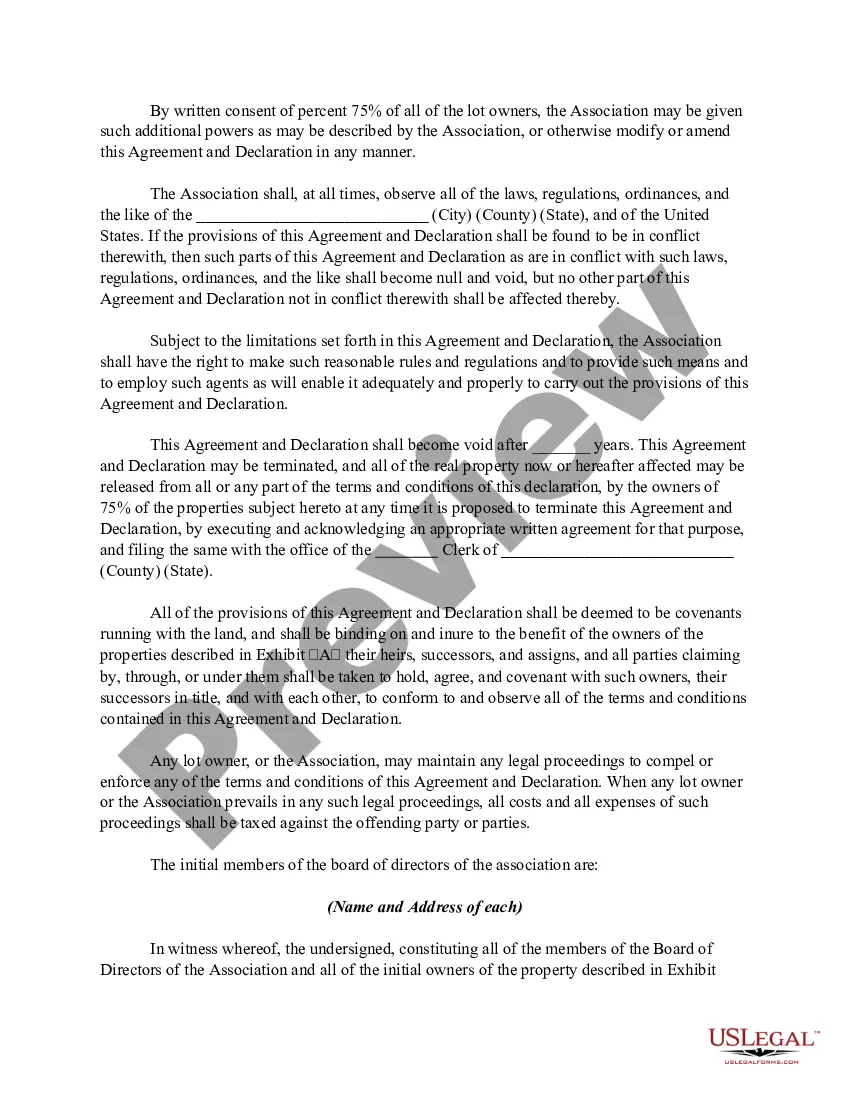
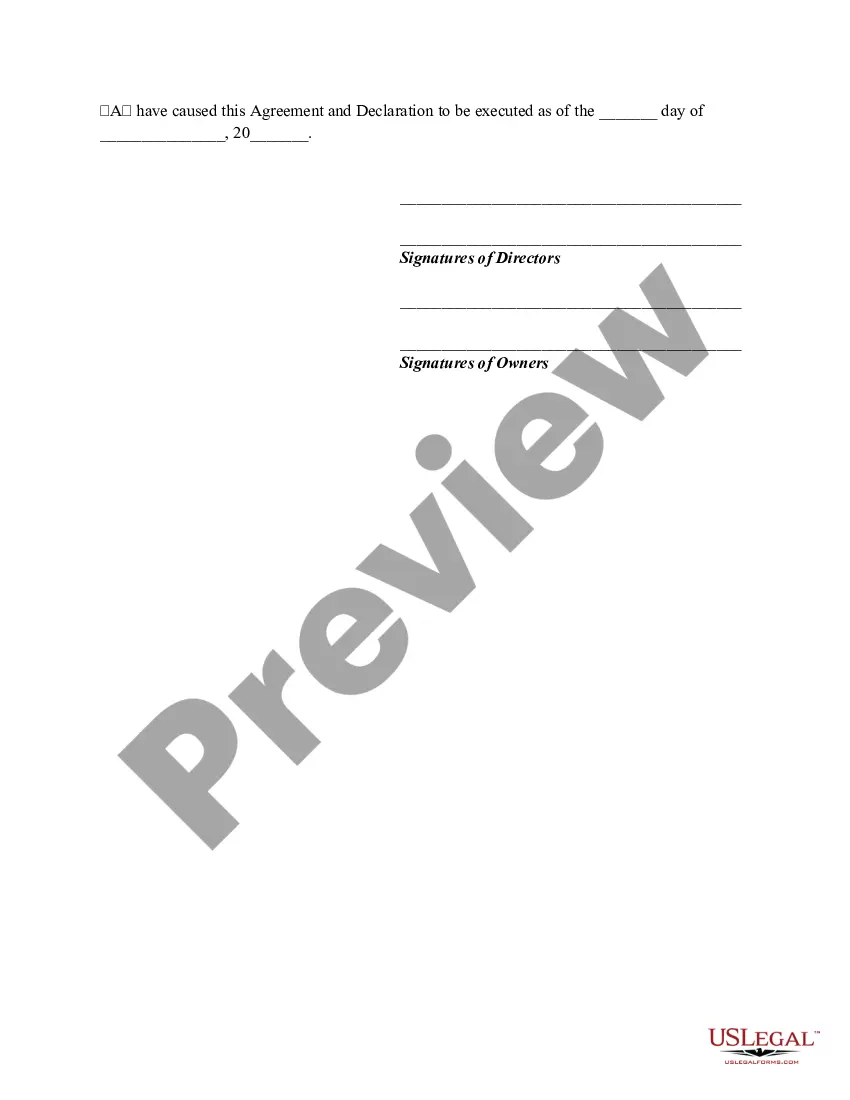
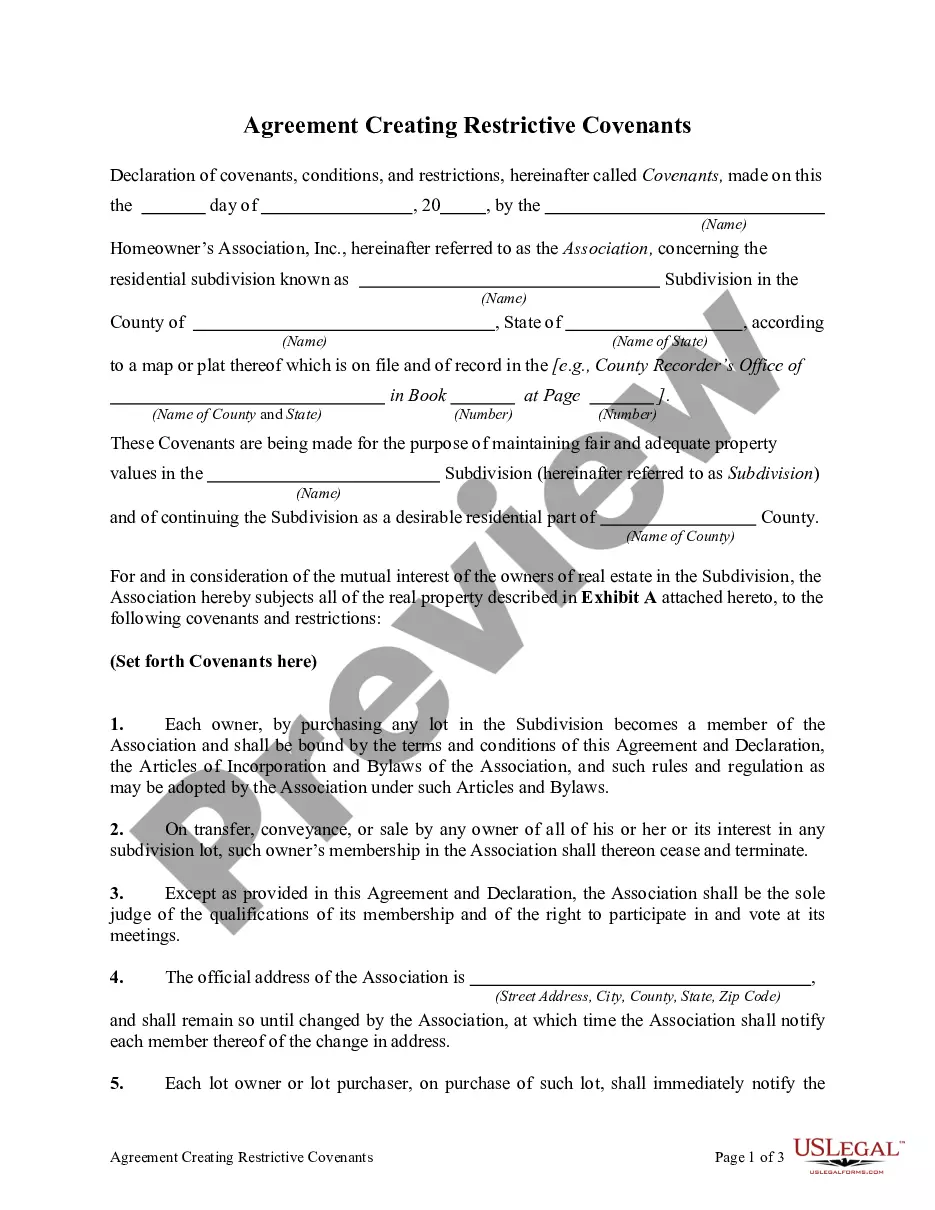
Get your form ready online
Our built-in tools help you complete, sign, share, and store your documents in one place.
Make edits, fill in missing information, and update formatting in US Legal Forms—just like you would in MS Word.
Download a copy, print it, send it by email, or mail it via USPS—whatever works best for your next step.
Sign and collect signatures with our SignNow integration. Send to multiple recipients, set reminders, and more. Go Premium to unlock E-Sign.
If this form requires notarization, complete it online through a secure video call—no need to meet a notary in person or wait for an appointment.
We protect your documents and personal data by following strict security and privacy standards.

Make edits, fill in missing information, and update formatting in US Legal Forms—just like you would in MS Word.

Download a copy, print it, send it by email, or mail it via USPS—whatever works best for your next step.

Sign and collect signatures with our SignNow integration. Send to multiple recipients, set reminders, and more. Go Premium to unlock E-Sign.

If this form requires notarization, complete it online through a secure video call—no need to meet a notary in person or wait for an appointment.

We protect your documents and personal data by following strict security and privacy standards.
Looking for another form?










Form popularity
FAQ
As with many things, however, California is different. California law explicitly voids all non-compete agreements for employees and independent contractors. These agreements are simply not enforceable, no matter how reasonable they may seem.
Globally, non-compete agreements vary significantly in terms of enforceability, scope, and legal framework. While they are a common practice in many countries, the extent to which they are recognized and enforced can differ.
SB 699 adds § 16600.5, which provides the following: The prohibition against noncompetes protects a California resident seeking to work in the state, even if the employer is located in another state where such agreements are permitted.
Recently, Governor Gavin Newsom signed two bills into law that amend the California Business and Professions Code to further strengthen California's laws against restrictive covenants. Effective January 1, 2024, the ban on virtually all non-compete clauses is now codified.
A noncompete agreement has the ability to threaten your future job prospects, prohibit you from using your hard earned skills and compromise your livelihood. Fortunately, it is unlawful for an employer to enforce non-compete agreements in California.
An employee can challenge a restrictive covenant if they believe it is unreasonable or prevents them from finding suitable employment. If the covenant is too broad or not essential to protecting the employer's business, it may be deemed unenforceable by the courts.
California generally bans non-compete agreements “regardless of where and when the contract was signed,” and “whether … the employment was maintained outside of California.” Practically speaking, California prohibits all employers from enforcing these agreements.
Code §§ 16600, 16601, and 16602.5). The only exceptions are non-compete or restrictive covenants that fall within one of the narrow exemptions authorized by statute, all of which relate to the sale of the goodwill of a business, or of a substantial ownership stake in the business.
An example of a contractual covenant is a non-compete agreement . Examples of common covenants in property law include agreements not to build a fence or agreements to maintain a shared driveway.
Related Content. An agreement or promise to do or provide something, or to refrain from doing or providing something, which is meant to be binding on the party giving the covenant (who may be referred to as the "covenantor").
