Restrictive Covenants In Commercial Contracts
Description

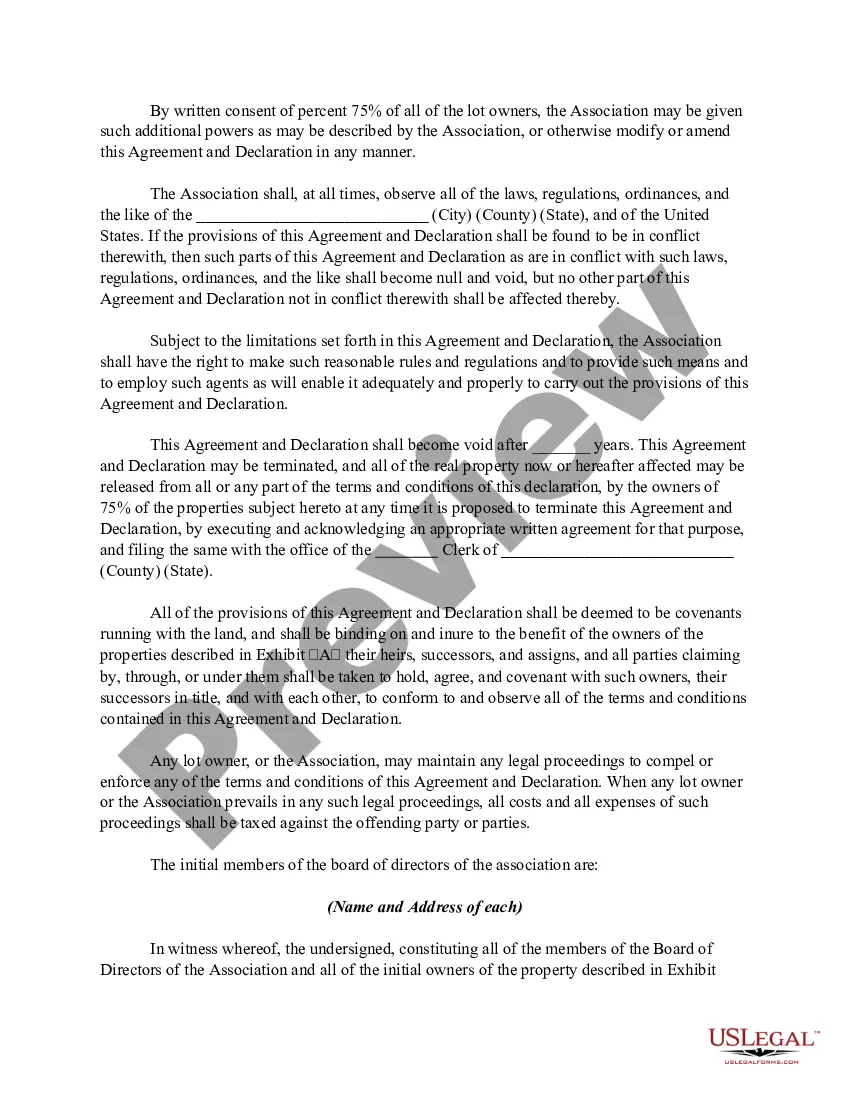
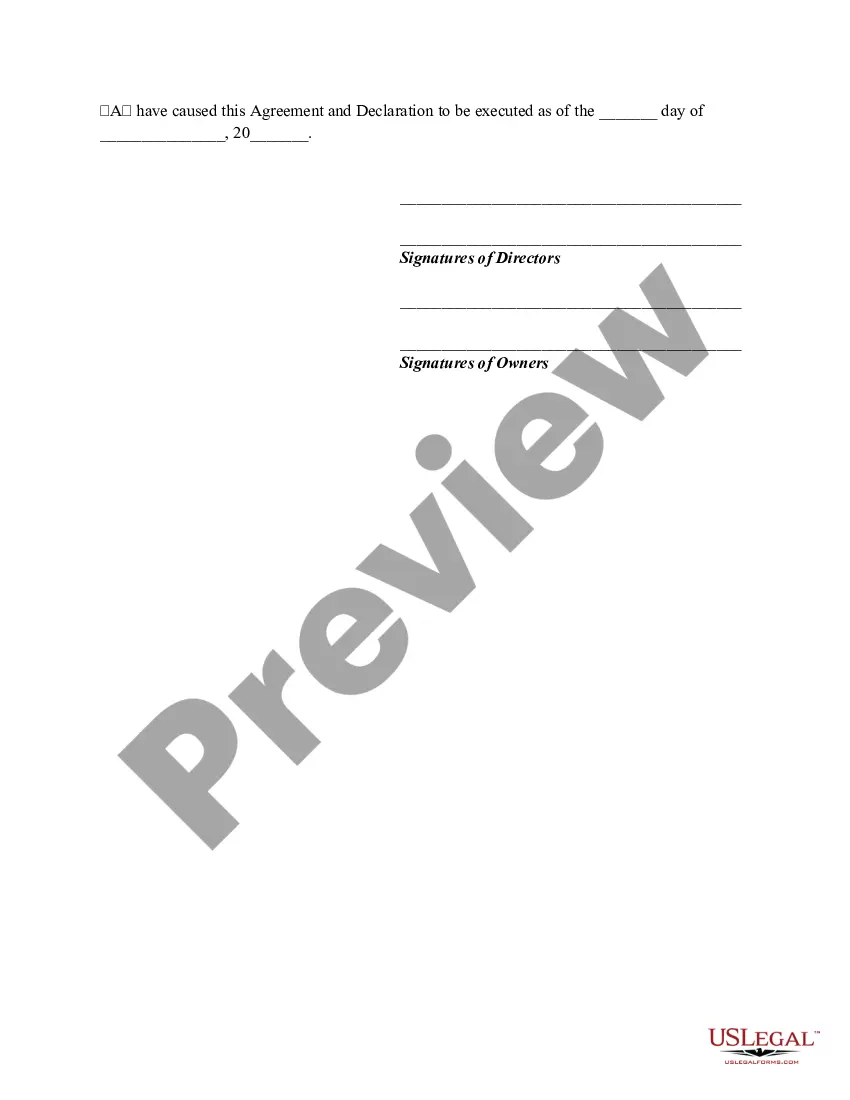
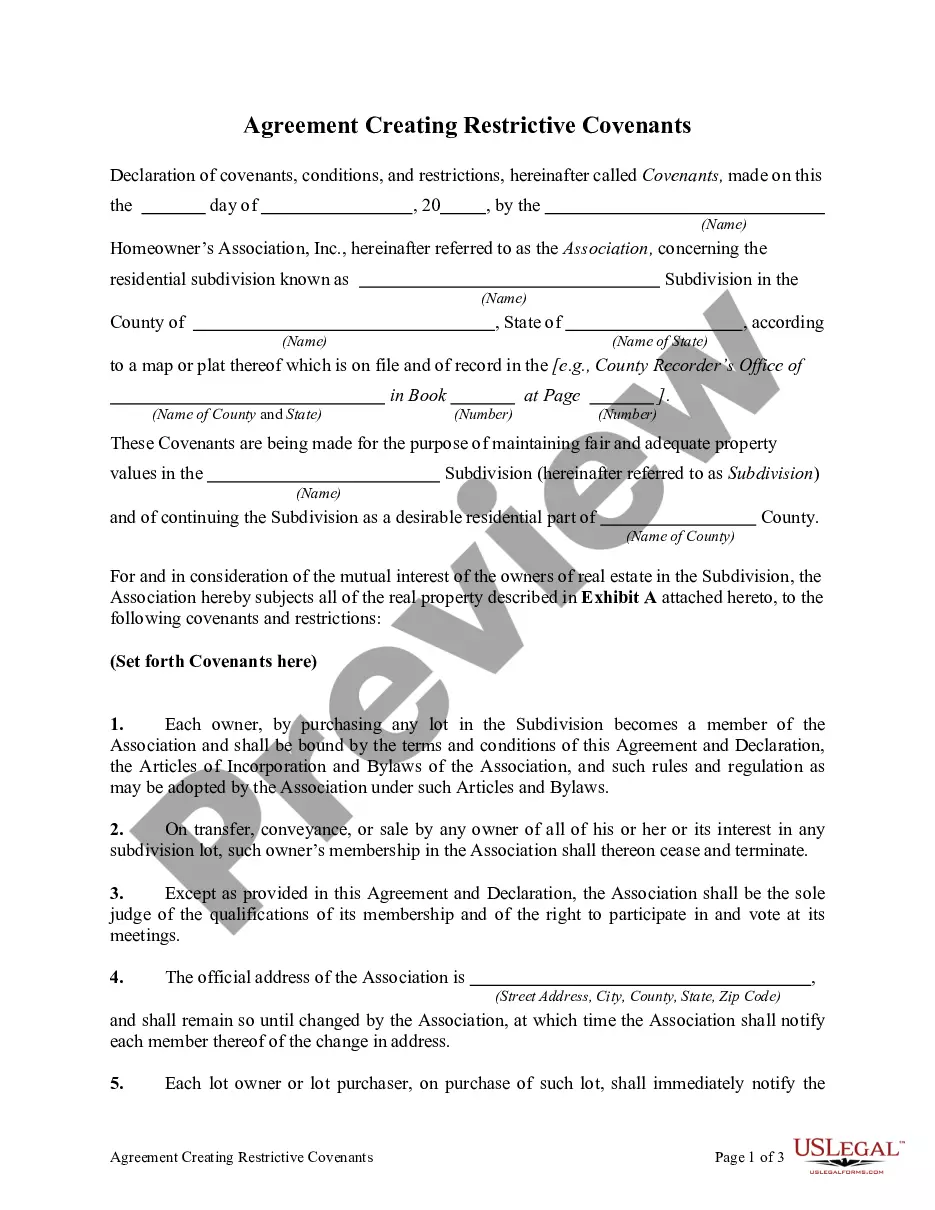
Get your form ready online
Our built-in tools help you complete, sign, share, and store your documents in one place.
Make edits, fill in missing information, and update formatting in US Legal Forms—just like you would in MS Word.
Download a copy, print it, send it by email, or mail it via USPS—whatever works best for your next step.
Sign and collect signatures with our SignNow integration. Send to multiple recipients, set reminders, and more. Go Premium to unlock E-Sign.
If this form requires notarization, complete it online through a secure video call—no need to meet a notary in person or wait for an appointment.
We protect your documents and personal data by following strict security and privacy standards.

Make edits, fill in missing information, and update formatting in US Legal Forms—just like you would in MS Word.

Download a copy, print it, send it by email, or mail it via USPS—whatever works best for your next step.

Sign and collect signatures with our SignNow integration. Send to multiple recipients, set reminders, and more. Go Premium to unlock E-Sign.

If this form requires notarization, complete it online through a secure video call—no need to meet a notary in person or wait for an appointment.

We protect your documents and personal data by following strict security and privacy standards.
Looking for another form?








How to fill out Agreement Creating Restrictive Covenants?
How to acquire professional legal documents that adhere to your state's regulations and create the Restrictive Covenants In Commercial Contracts without hiring an attorney.
Numerous online services provide templates to address various legal situations and formal requirements. However, it may require time to ascertain which of the accessible samples meet both your application needs and legal standards.
US Legal Forms is a trusted service that assists you in finding official documents crafted according to the latest updates in state law, helping you save on legal fees.
If you do not have an account with US Legal Forms, then follow the steps outlined below.
- US Legal Forms is not just an ordinary web directory.
- It is a compilation of over 85,000 validated templates for diverse business and personal scenarios.
- All documents are categorized by industry and state to streamline your search process.
- Moreover, it is equipped with advanced tools for PDF editing and electronic signatures, allowing users with a Premium subscription to effortlessly complete their documents online.
- Obtaining the necessary documents requires minimal effort and time.
- If you already possess an account, Log In and verify that your subscription is active.
- Download the Restrictive Covenants In Commercial Contracts using the related button adjacent to the file name.
Form popularity
FAQ
A restrictive covenant is a promise included in a contract or agreement that somehow restricts one of the parties from doing something. In business, restrictive covenants often apply to employee contracts. They can help protect business operations after an employee leaves the company.
Restrictive covenants may contain 4 different types of promises: (1) a promise not to compete with one's former employer; (2) a promise not to solicit or accept business from customers of the former employer; (3) a promise not to recruit or hire away employees of the former employer; and (4) the promise not to use or
Restrictive covenants may contain 4 different types of promises: (1) a promise not to compete with one's former employer; (2) a promise not to solicit or accept business from customers of the former employer; (3) a promise not to recruit or hire away employees of the former employer; and (4) the promise not to use or
A restrictive covenant is a clause in an employment contract or services agreement that works to prohibit an individual from (among other things) competing with his or her ex-employer for a certain period after he or she has left the business.
A restrictive covenant may include things that you can't do with your property, like raise livestock. A restrictive covenant will also include things that you must do, like mow your lawn regularly. The specific restrictive covenants you need to follow will vary depending on where you live.