Agreement Vs Covenant In North Carolina
Description

Get your form ready online
Our built-in tools help you complete, sign, share, and store your documents in one place.
Make edits, fill in missing information, and update formatting in US Legal Forms—just like you would in MS Word.
Download a copy, print it, send it by email, or mail it via USPS—whatever works best for your next step.
Sign and collect signatures with our SignNow integration. Send to multiple recipients, set reminders, and more. Go Premium to unlock E-Sign.
If this form requires notarization, complete it online through a secure video call—no need to meet a notary in person or wait for an appointment.
We protect your documents and personal data by following strict security and privacy standards.

Make edits, fill in missing information, and update formatting in US Legal Forms—just like you would in MS Word.

Download a copy, print it, send it by email, or mail it via USPS—whatever works best for your next step.

Sign and collect signatures with our SignNow integration. Send to multiple recipients, set reminders, and more. Go Premium to unlock E-Sign.

If this form requires notarization, complete it online through a secure video call—no need to meet a notary in person or wait for an appointment.

We protect your documents and personal data by following strict security and privacy standards.
Looking for another form?







Form popularity
FAQ
In North Carolina, the legal implications of NDAs and non-compete agreements differ significantly. Non-disclosure agreements are generally more widely accepted and enforceable compared to non-compete agreements due to their narrower scope and focus on protecting specific confidential information.
In order to have a valid contract in North Carolina, there must be an offer, an acceptance, along with consideration. The parties must also have the capacity to enter into the contract.
The covenant agreement is recorded at the county Register of Deeds and runs in perpetuity with the deed to the property, thus protecting the historic resource for future generations.
Non-compete agreements are not viewed favorably under North Carolina law. To be valid, they must be designed to protect a legitimate business interest of the employer. If it is too broad to be considered a reasonable protection of the employer's business, it will not be enforced.
NDAs are enforceable and can be held up in court if they are clear, specific, and signed by the relevant parties. Non-disclosure agreements that don't meet these criteria may be challenged in court. NDAs that go against public interest and cover up criminal activity are not enforceable.
States marked by have no laws governing NDAs in the workplace Alabama Alaska Arizona. Arkansas California. Colorado ... Indiana Iowa Kansas Kentucky Louisiana Maine. Nebraska Nevada. New Hampshire New Jersey. New Mexico. New York. Rhode Island South Carolina South Dakota Tennessee. Texas Utah
A verbal agreement can be legally binding in North Carolina if it meets the essential contract elements: offer, acceptance, and consideration. Certain contracts must be in writing under North Carolina's Statute of Frauds, including real estate transactions and contracts exceeding one year.
What happens if someone breaches a North Carolina non-disclosure agreement? If a party breaches the NDA without written approval, the other party can seek legal remedies, such as injunctive actions or damages as per North Carolina state laws.
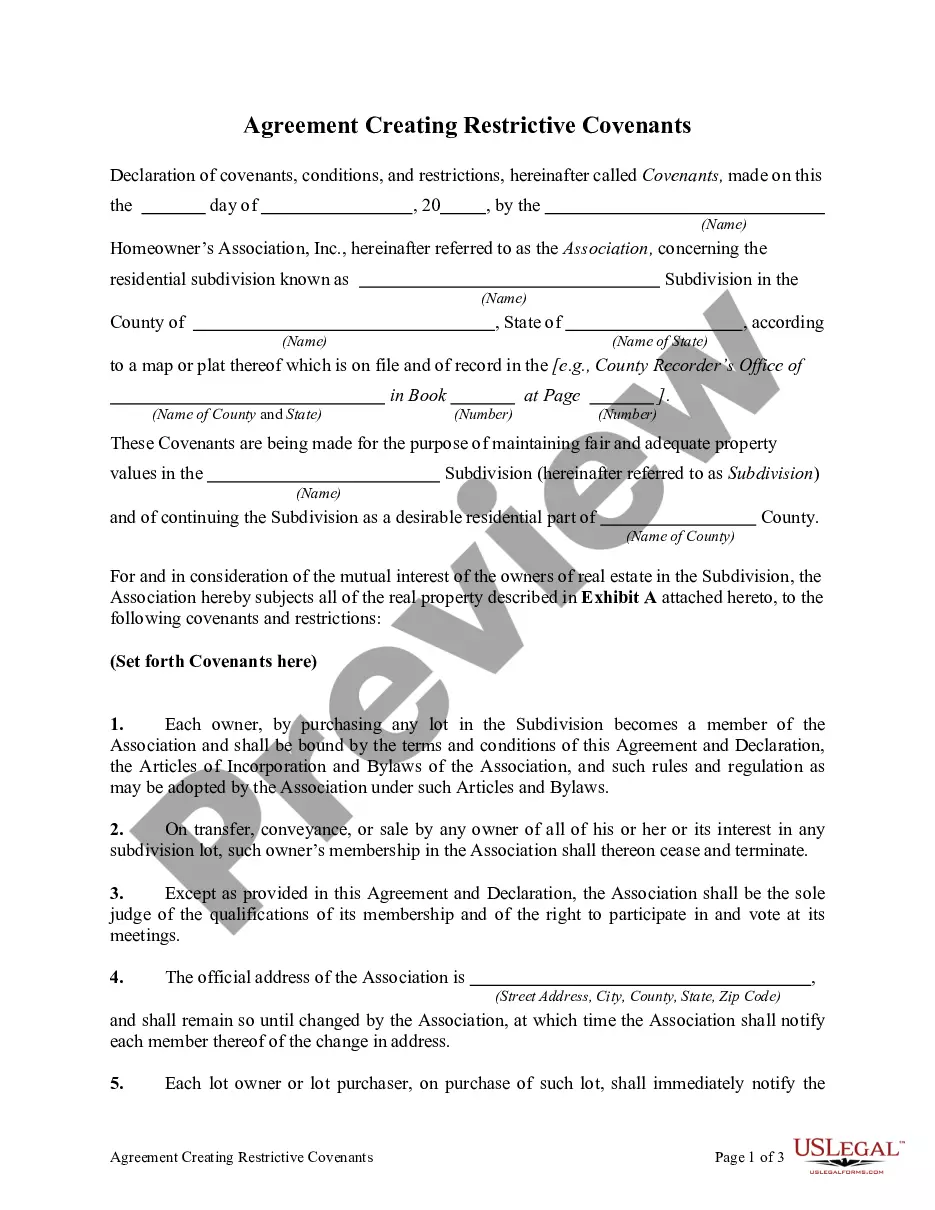
A contract is an agreement between parties while a covenant is a pledge. A contract is an agreement you can break while a covenant is a perpetual promise. You seal a covenant while you sign a contract. A contract is a mutually beneficial relationship while a covenant is something you fulfill.
The Court held that while non-compete agreements are not favored, they are enforceable when certain criteria are satisfied: in writing, a reasonable restriction on territory and time, valuable consideration is given and protects a legitimate business interest.
