Covenant Agreement Meaning In Minnesota
Description

Get your form ready online
Our built-in tools help you complete, sign, share, and store your documents in one place.
Make edits, fill in missing information, and update formatting in US Legal Forms—just like you would in MS Word.
Download a copy, print it, send it by email, or mail it via USPS—whatever works best for your next step.
Sign and collect signatures with our SignNow integration. Send to multiple recipients, set reminders, and more. Go Premium to unlock E-Sign.
If this form requires notarization, complete it online through a secure video call—no need to meet a notary in person or wait for an appointment.
We protect your documents and personal data by following strict security and privacy standards.

Make edits, fill in missing information, and update formatting in US Legal Forms—just like you would in MS Word.

Download a copy, print it, send it by email, or mail it via USPS—whatever works best for your next step.

Sign and collect signatures with our SignNow integration. Send to multiple recipients, set reminders, and more. Go Premium to unlock E-Sign.

If this form requires notarization, complete it online through a secure video call—no need to meet a notary in person or wait for an appointment.

We protect your documents and personal data by following strict security and privacy standards.
Looking for another form?









Form popularity
FAQ
It is possible to apply to the Lands Chamber of the Upper Tribunal to have a restrictive covenant “discharged or modified”, as the statute puts it, in order to get the covenant removed or changed so that development can take place or the use of the land can be changed.
Minneapolis real estate developers began writing racial covenants—race-based property ownership restrictions—into property deeds in 1910. They were banned by the Minnesota state legislature in 1953, but their use in the early twentieth century laid the foundation for contemporary racial disparities in Minnesota.
The present covenants are: Covenant of Seisin. Guarantees the grantor has legal possession of the property. Covenant of Right To Convey. Guarantees that the grantor has the right to sell the property. Covenant Against Encumbrances.
Minnesota Statute § 181.9881 — Restrictive Employment Covenants; Void in Service Contracts — prohibits on a go-forward basis service providers from restricting “in any way a customer from directly or indirectly soliciting or hiring an employee of a service provider.”
A contract is an agreement between parties while a covenant is a pledge. A contract is an agreement you can break while a covenant is a perpetual promise. You seal a covenant while you sign a contract. A contract is a mutually beneficial relationship while a covenant is something you fulfill.
Some of the most common restrictive covenants include: Alterations and extensions to the building. Changes to the use of a property, for example, converting a building into flats or turning a house into business premises. Rent and lease restrictions. Limitations on pets. Limitations on home colour.
Although restrictive covenants have been prohibited in Minnesota since 1953, they still appear in real estate records across the country. In 2019, the Minnesota Legislature passed a law allowing people to renounce these covenants by filing a document with Minnesota counties.
Minnesota Statute § 181.9881 — Restrictive Employment Covenants; Void in Service Contracts — prohibits on a go-forward basis service providers from restricting “in any way a customer from directly or indirectly soliciting or hiring an employee of a service provider.” The law is not limited to just employees, but also ...
: a written agreement or promise usually under seal between two or more parties especially for the performance of some action.
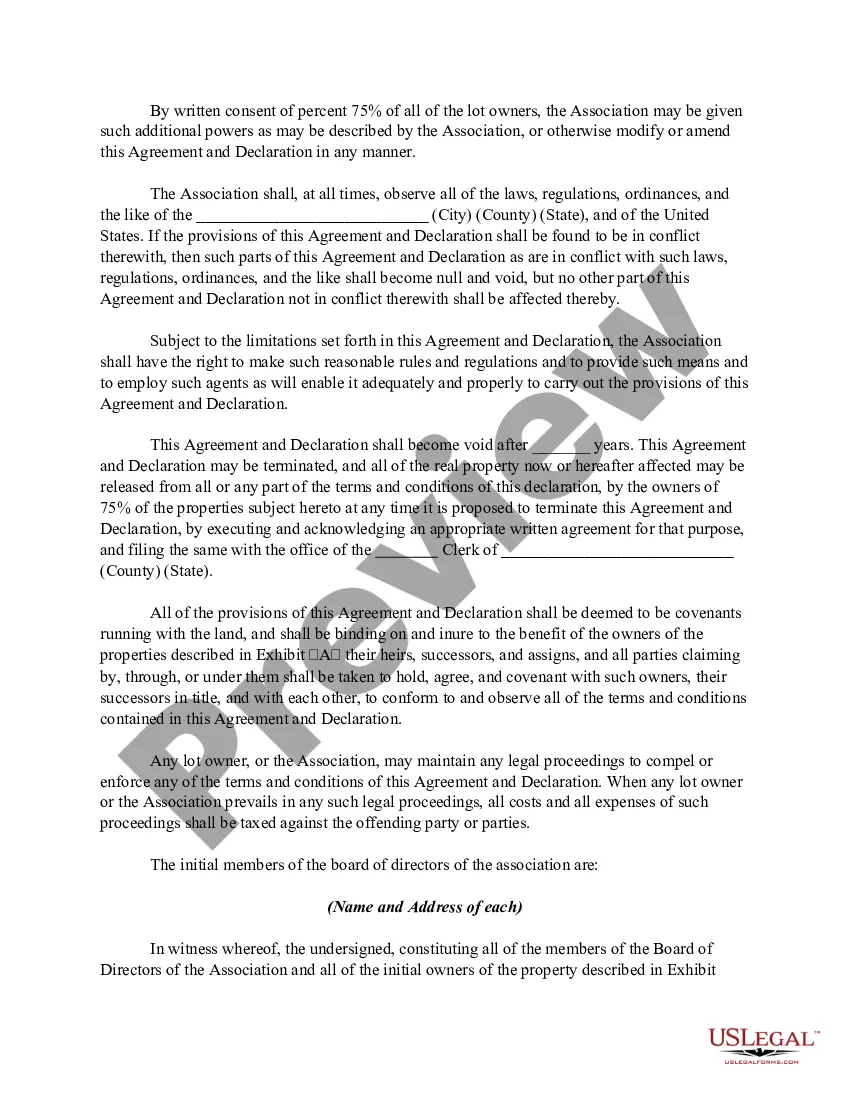
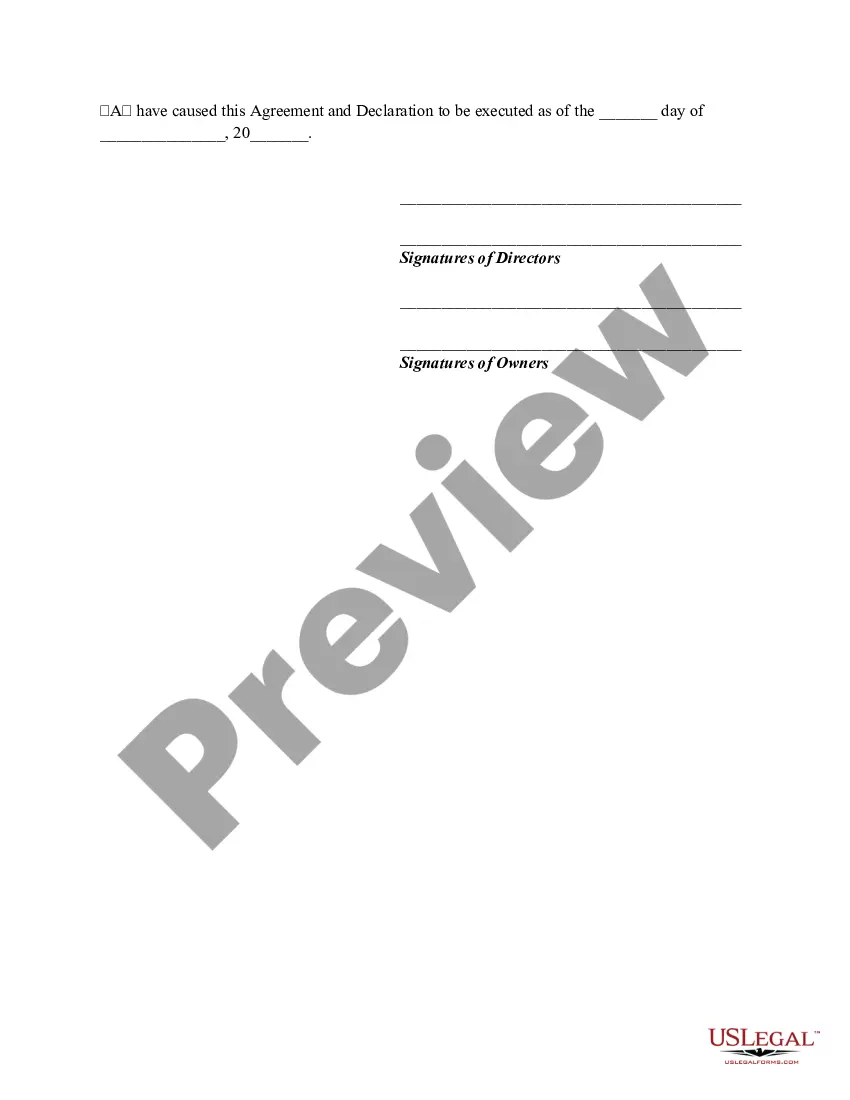
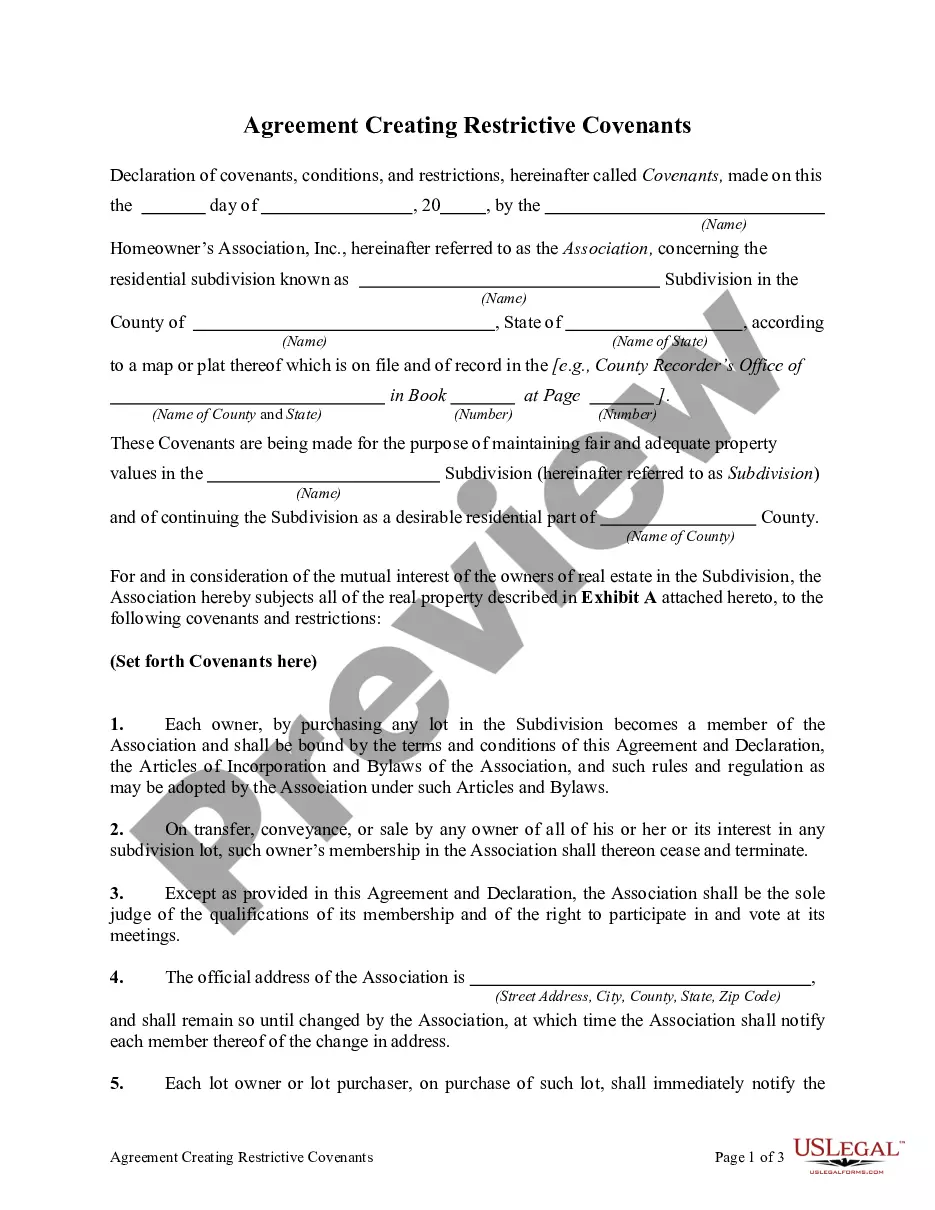
A covenant agreement is akin to a contractual agreement between parties. It often outlines terms and conditions where a party will perform a certain action or refrain from performing a certain action. Covenants are legally binding and enforceable.
