Agreements For Restrictive Covenant In Florida
Description

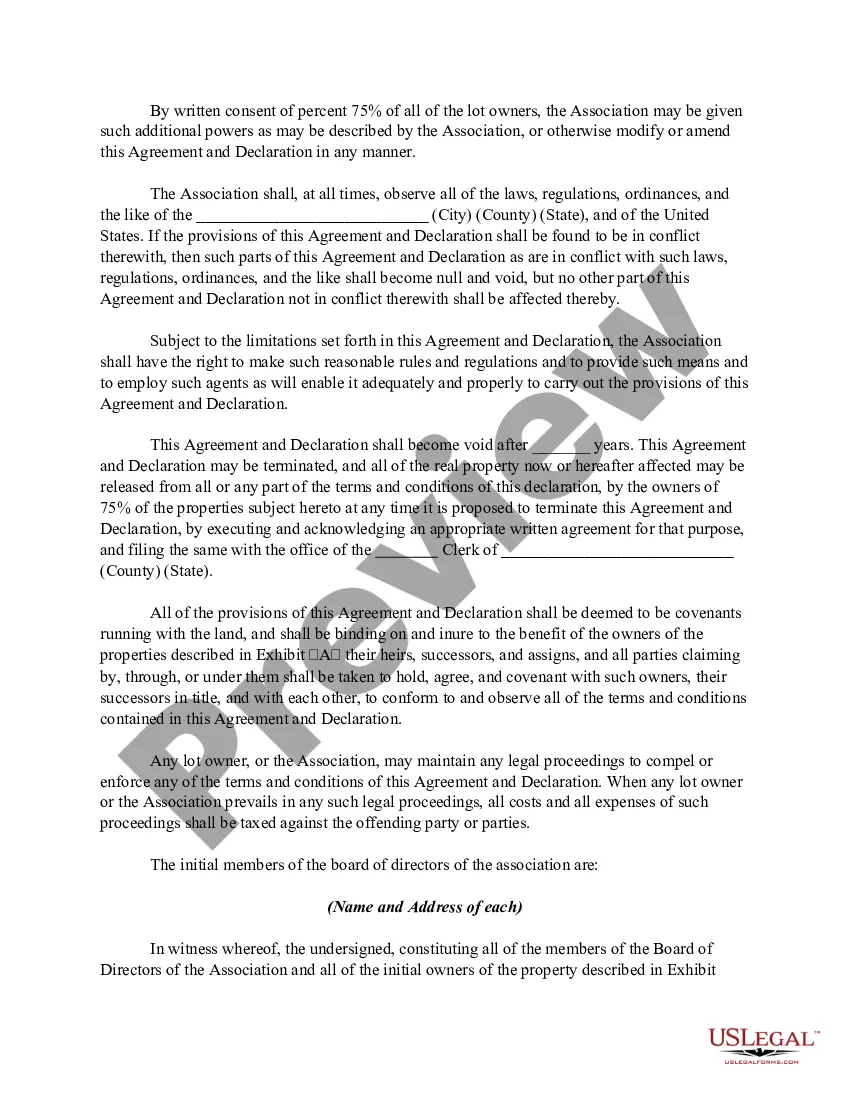
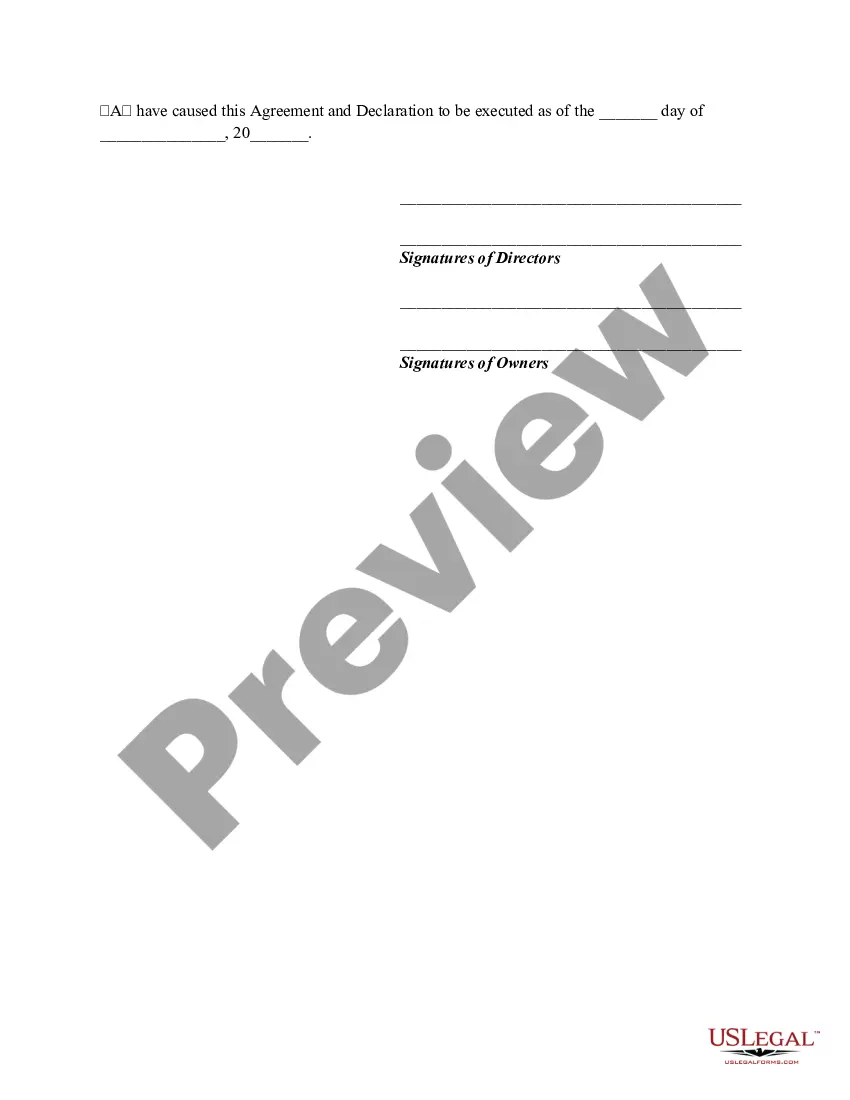
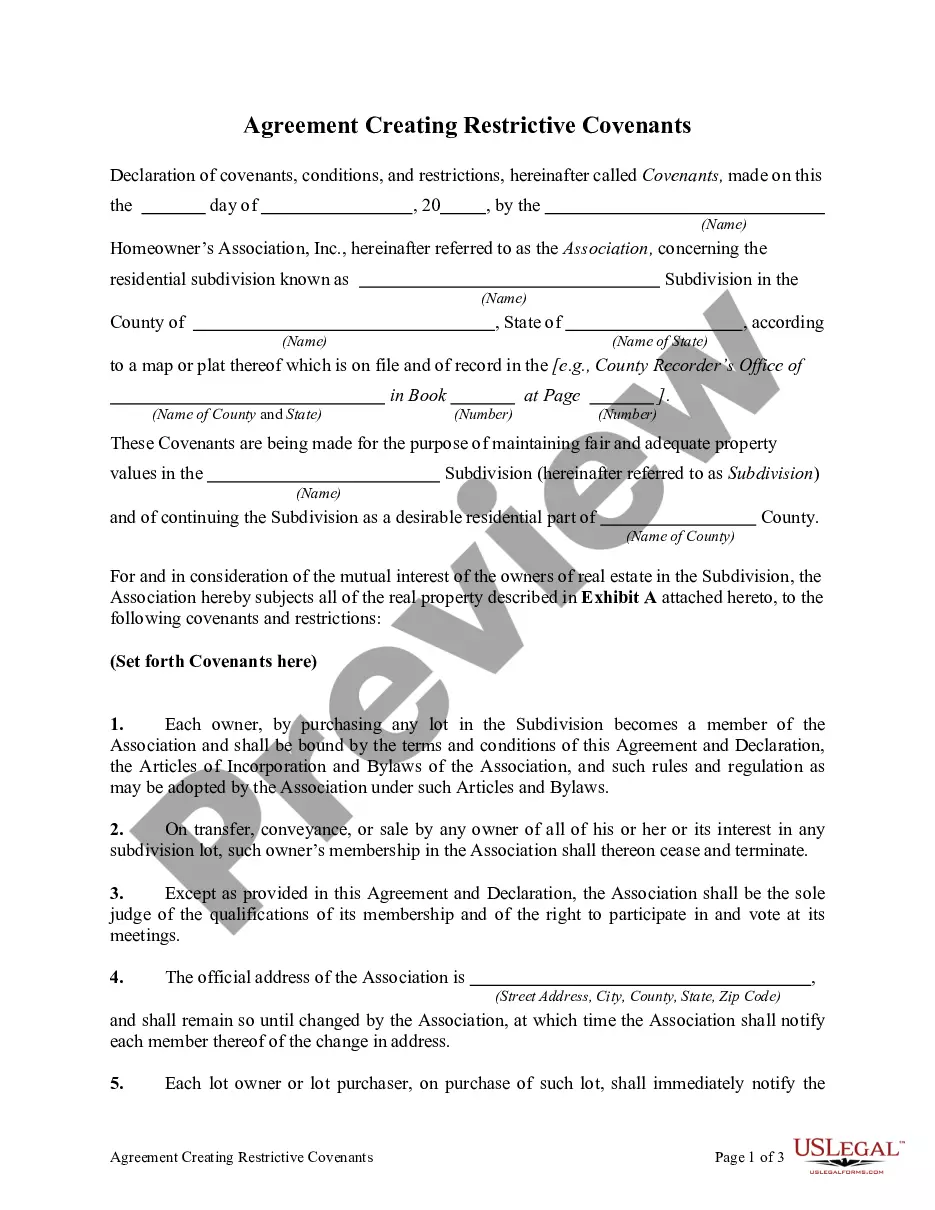
Get your form ready online
Our built-in tools help you complete, sign, share, and store your documents in one place.
Make edits, fill in missing information, and update formatting in US Legal Forms—just like you would in MS Word.
Download a copy, print it, send it by email, or mail it via USPS—whatever works best for your next step.
Sign and collect signatures with our SignNow integration. Send to multiple recipients, set reminders, and more. Go Premium to unlock E-Sign.
If this form requires notarization, complete it online through a secure video call—no need to meet a notary in person or wait for an appointment.
We protect your documents and personal data by following strict security and privacy standards.

Make edits, fill in missing information, and update formatting in US Legal Forms—just like you would in MS Word.

Download a copy, print it, send it by email, or mail it via USPS—whatever works best for your next step.

Sign and collect signatures with our SignNow integration. Send to multiple recipients, set reminders, and more. Go Premium to unlock E-Sign.

If this form requires notarization, complete it online through a secure video call—no need to meet a notary in person or wait for an appointment.

We protect your documents and personal data by following strict security and privacy standards.
Looking for another form?


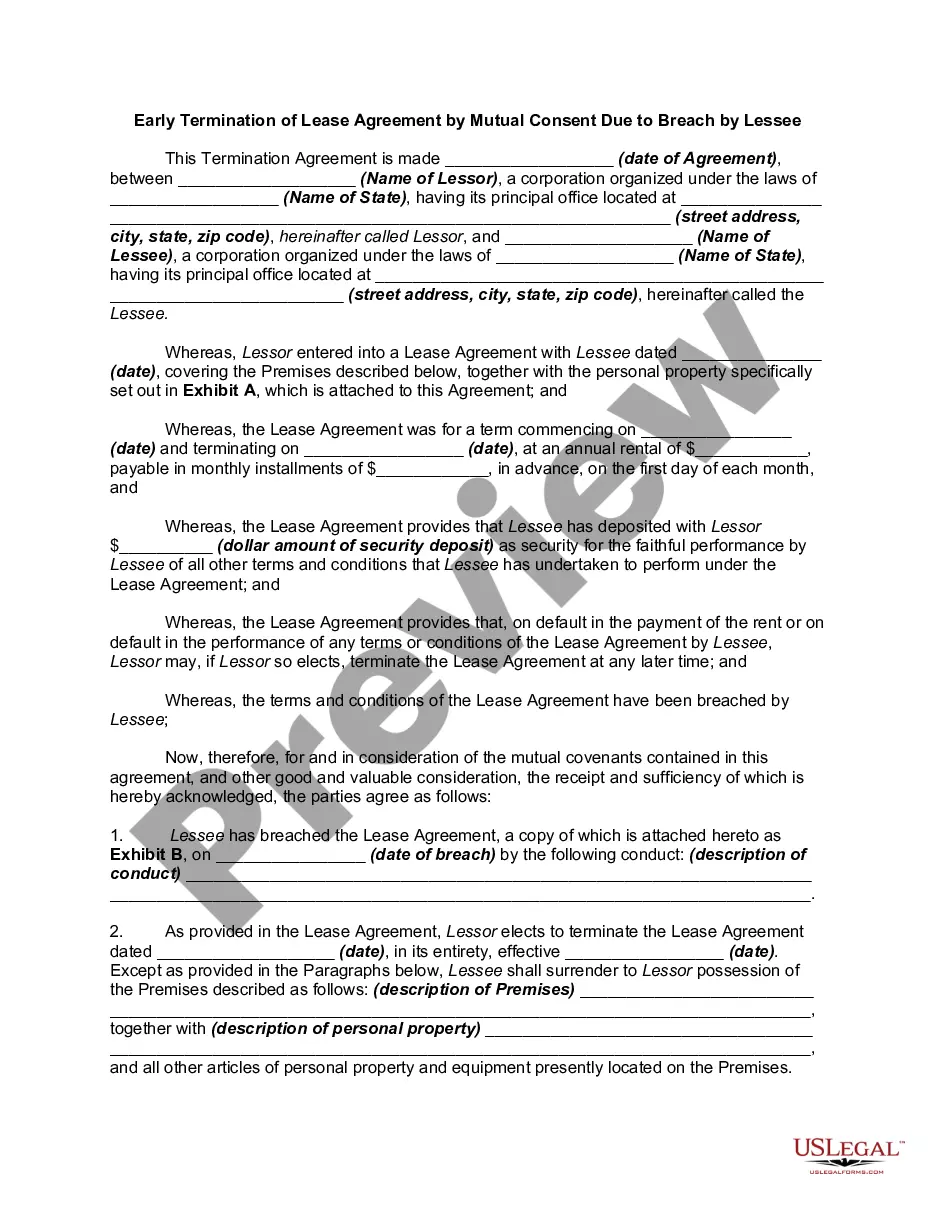



Form popularity
FAQ
The primary remedy for breach of a Restrictive Covenant is a permanent injunction to restrain the breach. However, the courts have jurisdiction to award damages instead of an injunction.
Florida's non-compete statute specifically states that a non-compete “not supported by a legitimate business interest is unlawful and is void and unenforceable.” The meaning of what is a “legitimate business interest” has been the source of a great deal of litigation.
How to Get Out of a Non-Compete Agreement in Florida Seek legal advice from an attorney. Review the agreement carefully. Evaluate the legitimacy of employer interests. Assess the reasonableness of the agreement. Negotiate with the employer. Challenge the enforceability in court.
The short answer is yes. Broadly speaking, a non-compete agreement is fully enforceable in the state of Florida as long as it contains the following elements: The Business Interest: Non-competes are only valid if they contain a description of the legitimate business interest they are protecting.
MRTA also provides a specific process for HOAs to renew and preserve their covenants and restrictions to keep them in place after the 30-year term. property is located prior to the expiration of the 30-year period, Sect. 712.05, Fla. Stat.
Florida Courts Generally Enforce Non-Compete Agreements This is true even when the only alternative to signing the agreement is to decline employment. However, the courts will not enforce non-compete agreements that are unreasonable in their terms or execution.
What voids a non-compete agreement in Florida? A non-compete agreement in Florida is voidable if it is unreasonable in geographic scope, length of time, or type of business it restricts.
The 2024 Florida Statutes. (1) Notwithstanding s. 542.18 and subsection (2), enforcement of contracts that restrict or prohibit competition during or after the term of restrictive covenants, so long as such contracts are reasonable in time, area, and line of business, is not prohibited.
Are Non-Compete Agreements Enforceable in Florida? At the time of drafting this article, non-compete agreements are enforceable in Florida. The Federal Trade Commission (“FTC”) issued a rule in April 2024 providing that beginning on September 4, 2024, non-compete agreements would be unenforceable.