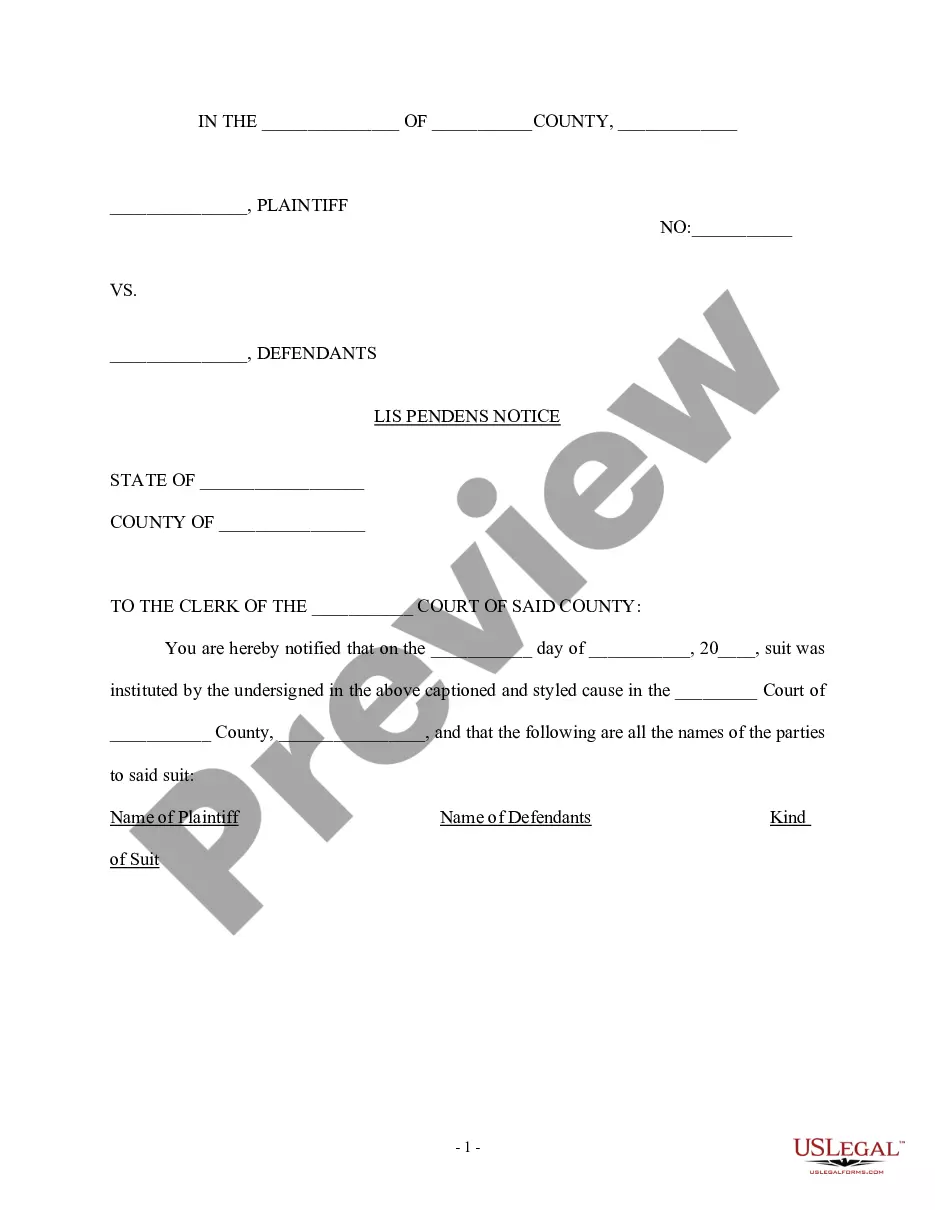
Registering A Lis Pendens In The Registry Of Deeds In Ohio
Description

Get your form ready online
Our built-in tools help you complete, sign, share, and store your documents in one place.
Make edits, fill in missing information, and update formatting in US Legal Forms—just like you would in MS Word.
Download a copy, print it, send it by email, or mail it via USPS—whatever works best for your next step.
Sign and collect signatures with our SignNow integration. Send to multiple recipients, set reminders, and more. Go Premium to unlock E-Sign.
If this form requires notarization, complete it online through a secure video call—no need to meet a notary in person or wait for an appointment.
We protect your documents and personal data by following strict security and privacy standards.

Make edits, fill in missing information, and update formatting in US Legal Forms—just like you would in MS Word.

Download a copy, print it, send it by email, or mail it via USPS—whatever works best for your next step.

Sign and collect signatures with our SignNow integration. Send to multiple recipients, set reminders, and more. Go Premium to unlock E-Sign.

If this form requires notarization, complete it online through a secure video call—no need to meet a notary in person or wait for an appointment.

We protect your documents and personal data by following strict security and privacy standards.
Looking for another form?





Form popularity
FAQ
The filing and releasing of a Notice of Lis Pendens (certified copy) should be filed with the Recorder's Office of the county where the property resides. 1. Real estate must be located within this judicial district unless the Court otherwise orders.
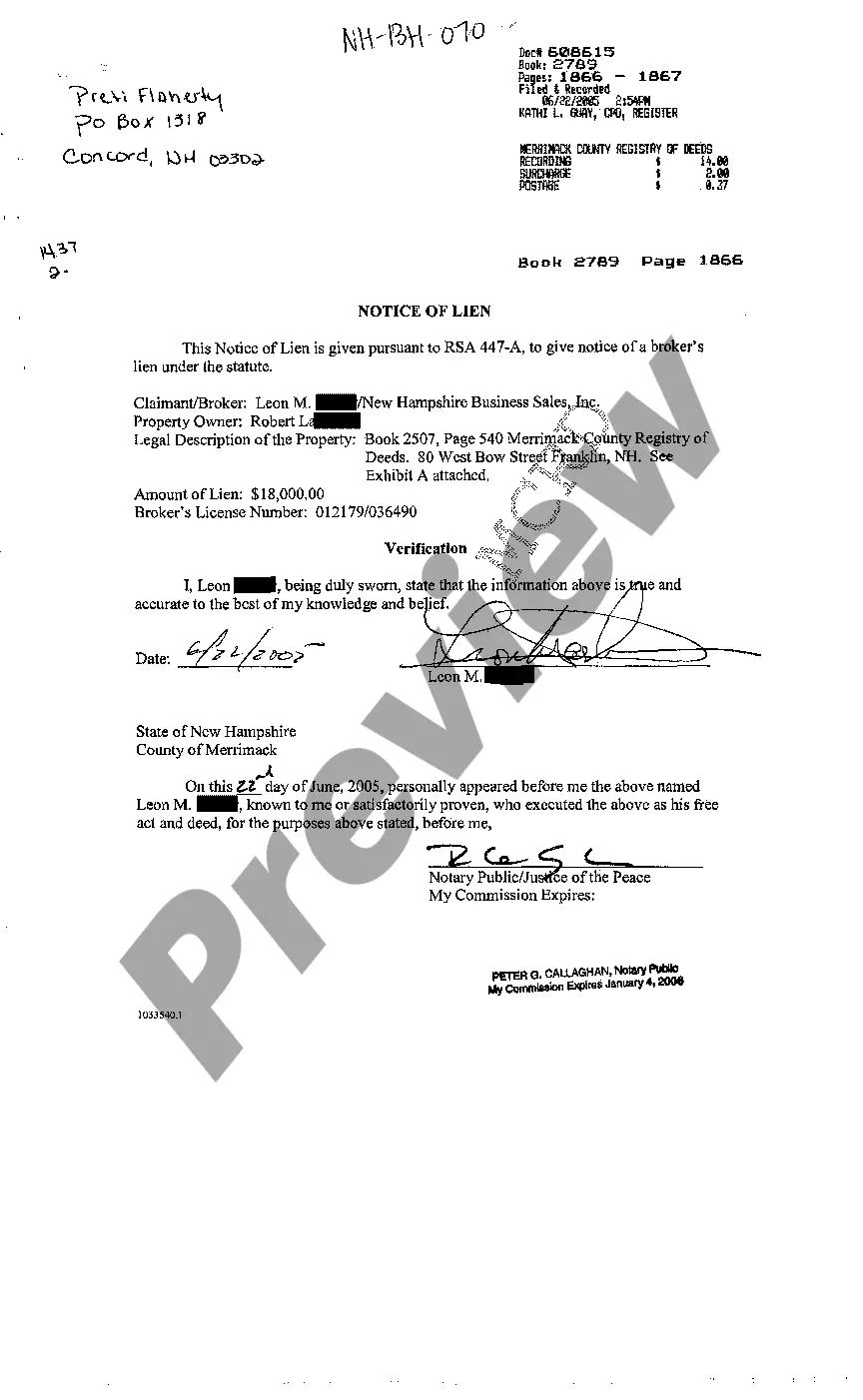
Other than resolution of the pending lawsuit, the only way to remove a lis pendens is by expungement, which requires a court order from a circuit judge. If you refuse service or the action is otherwise delayed, the lis pendens remains intact, making it difficult to sell or otherwise transfer a property.
In Ohio, there are several requirements to validly transfer ownership of real property. Deeds must be properly signed by the grantor and acknowledged by a notary. Then, deeds are recorded in the county recorder's office where the real property is located.
A deed must be recorded in person, UNLESS the deed already reflects ALL of the necessary auditor and engineer stamps and approvals. The deed must be legibly prepared, signed, and notarized BEFORE presented for recording.
Deed not recognized in Ohio: Ohio does not recognize joint tenancy with right of survivorship—a common-law form of joint ownership under which a surviving co-owner automatically receives a deceased co-owner's interest.
An attorney licensed to practice law in Ohio must prepare deeds, powers of attorney, and other instruments that are to be recorded. One exception is that a party to the transaction may prepare an instrument in which they are a party.
The signing shall be acknowledged by the grantor, mortgagor, vendor, or lessor, or by the trustee, before a judge or clerk of a court of record in this state, or a county auditor, county engineer, notary public, or mayor, who shall certify the acknowledgement and subscribe the official's name to the certificate of the ...
Section 2907.231 | Engaging in prostitution. (B) No person shall recklessly induce, entice, or procure another to engage in sexual activity for hire in exchange for the person giving anything of value to the other person.

