Lis Pendens Requirements In North Carolina
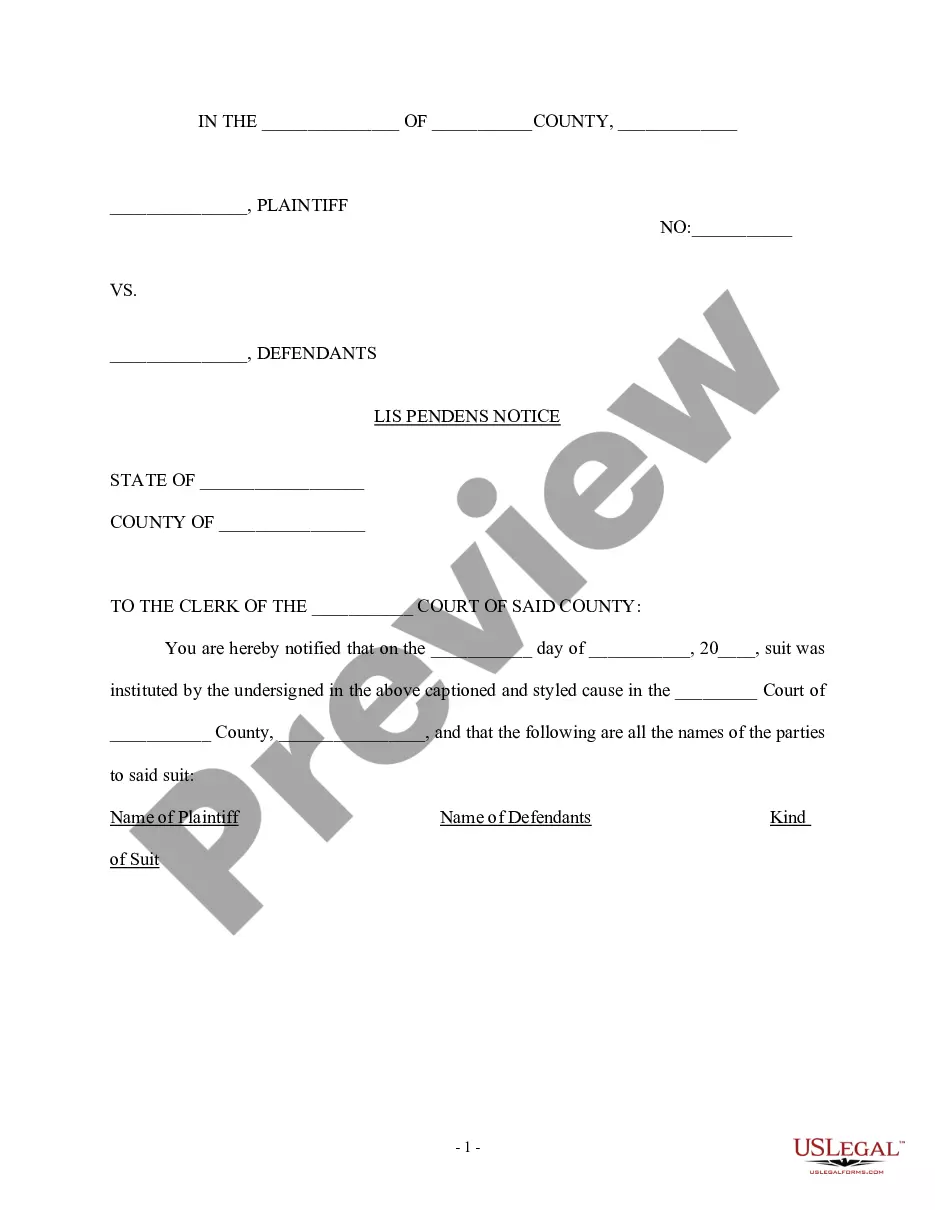
Description

Get your form ready online
Our built-in tools help you complete, sign, share, and store your documents in one place.
Make edits, fill in missing information, and update formatting in US Legal Forms—just like you would in MS Word.
Download a copy, print it, send it by email, or mail it via USPS—whatever works best for your next step.
Sign and collect signatures with our SignNow integration. Send to multiple recipients, set reminders, and more. Go Premium to unlock E-Sign.
If this form requires notarization, complete it online through a secure video call—no need to meet a notary in person or wait for an appointment.
We protect your documents and personal data by following strict security and privacy standards.

Make edits, fill in missing information, and update formatting in US Legal Forms—just like you would in MS Word.

Download a copy, print it, send it by email, or mail it via USPS—whatever works best for your next step.

Sign and collect signatures with our SignNow integration. Send to multiple recipients, set reminders, and more. Go Premium to unlock E-Sign.

If this form requires notarization, complete it online through a secure video call—no need to meet a notary in person or wait for an appointment.

We protect your documents and personal data by following strict security and privacy standards.
Looking for another form?









Form popularity
FAQ
– All claims of lien on real property must be filed in the office of the clerk of superior court in each county where the real property subject to the claim of lien on real property is located.
In North Carolina, a lien is not valid until it is filed with the clerk and served on all the required parties. All these steps must be completed before the deadline, which is 120 days from the last day the person making the claim worked on the project or supplied materials.
Upon the issuance of a complaint and notice of hearing or order pursuant thereto, a notice of lis pendens, with a copy of the complaint and notice of hearing or order attached thereto, may be filed by the inspector in the office of the clerk of superior court for the county, as provided in G.S. 1-120.2.
Lis pendens means “pending lawsuit.” Under common law, filing a complaint “concerning real property” was constructive notice to buyers that they would take subject to the suit. Oregon now requires plaintiffs to record a separate Notice of Lis Pendens to secure their interest in the property.
The deadlines for serving and filing the notice (120 days from the date of last furnishing) and filing the lawsuit to enforce the lien (180 days from the date of last furnishing) are unyielding and inflexible, and important rights can be inadvertently lost if these deadlines are missed.
In North Carolina, a lien claimant has 120 days from the date of last furnishing to complete these 3 steps: Fill out a mechanics lien form that meets NC requirements. File the lien with the county recorder's office. Serve a copy of the lien on the property owner.
Lis pendens means suit pending in Latin. In the foreclosure process, a lis pendens is a public document that's filed with the county clerk at the same time that your lender files your public foreclosure complaint.
Lis pendens is a formal notice that there is a pending action, or lawsuit, that could affect the title of the property. However, it serves an even bigger purpose. When a lis pendens is filed, any future transfers of the property are affected by the pending action if it were to be awarded.
How to File a Property Lien in North Carolina. The North Carolina county where the judgment is entered automatically establishes a lien on the debtor's property within that county. If the debtor owns property outside the county, the creditor must file it with the county clerk where the property is situated.

