Commercial Lease With Personal Guarantee In Phoenix
Description

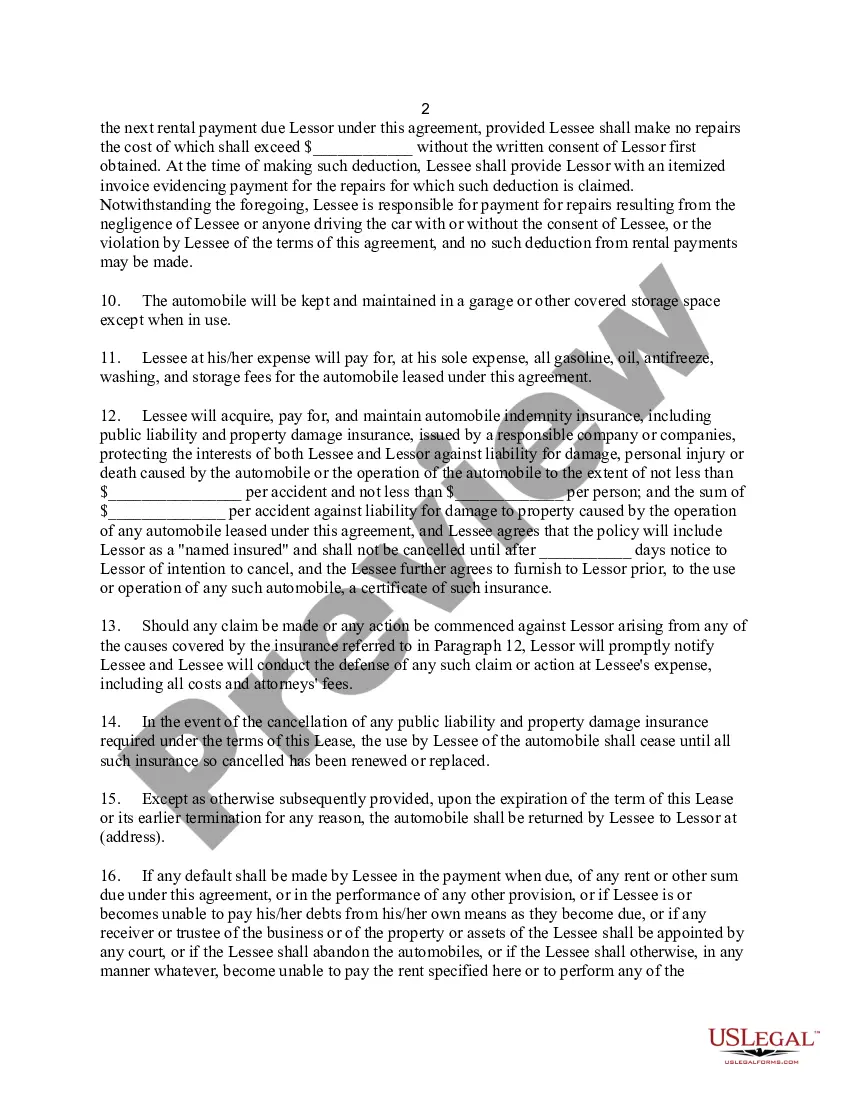
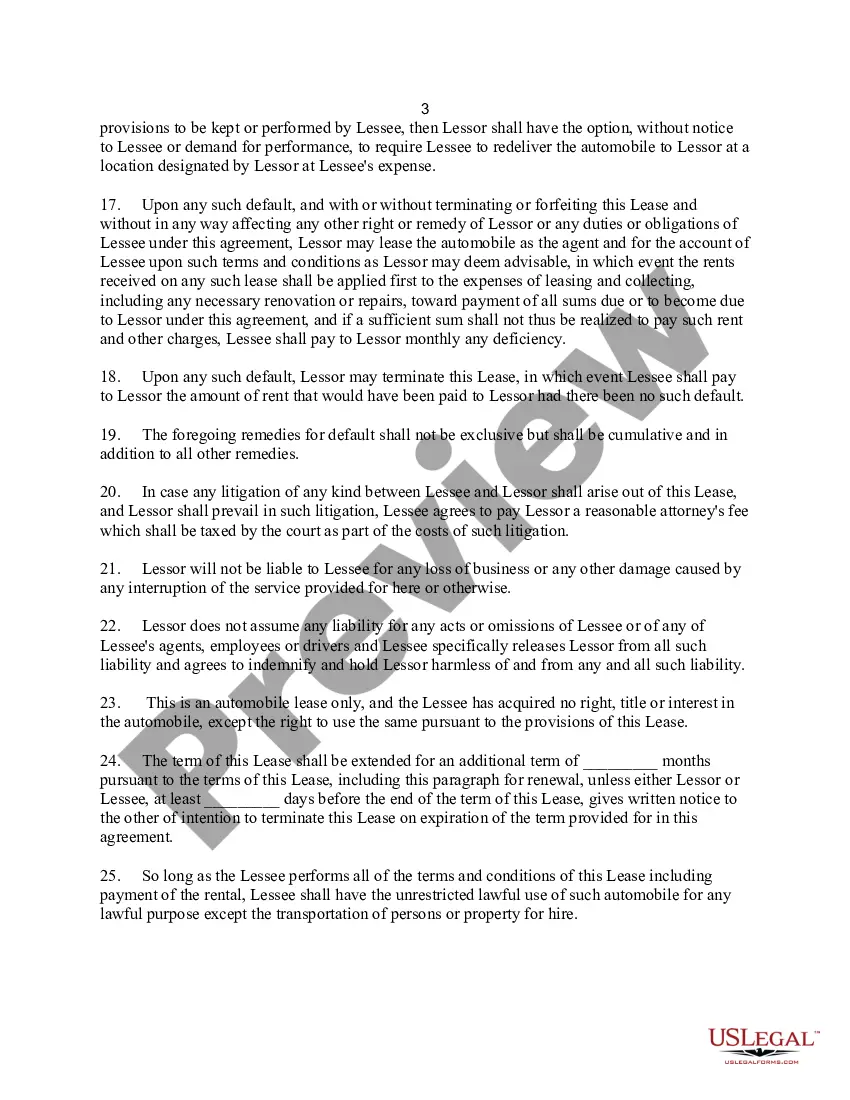
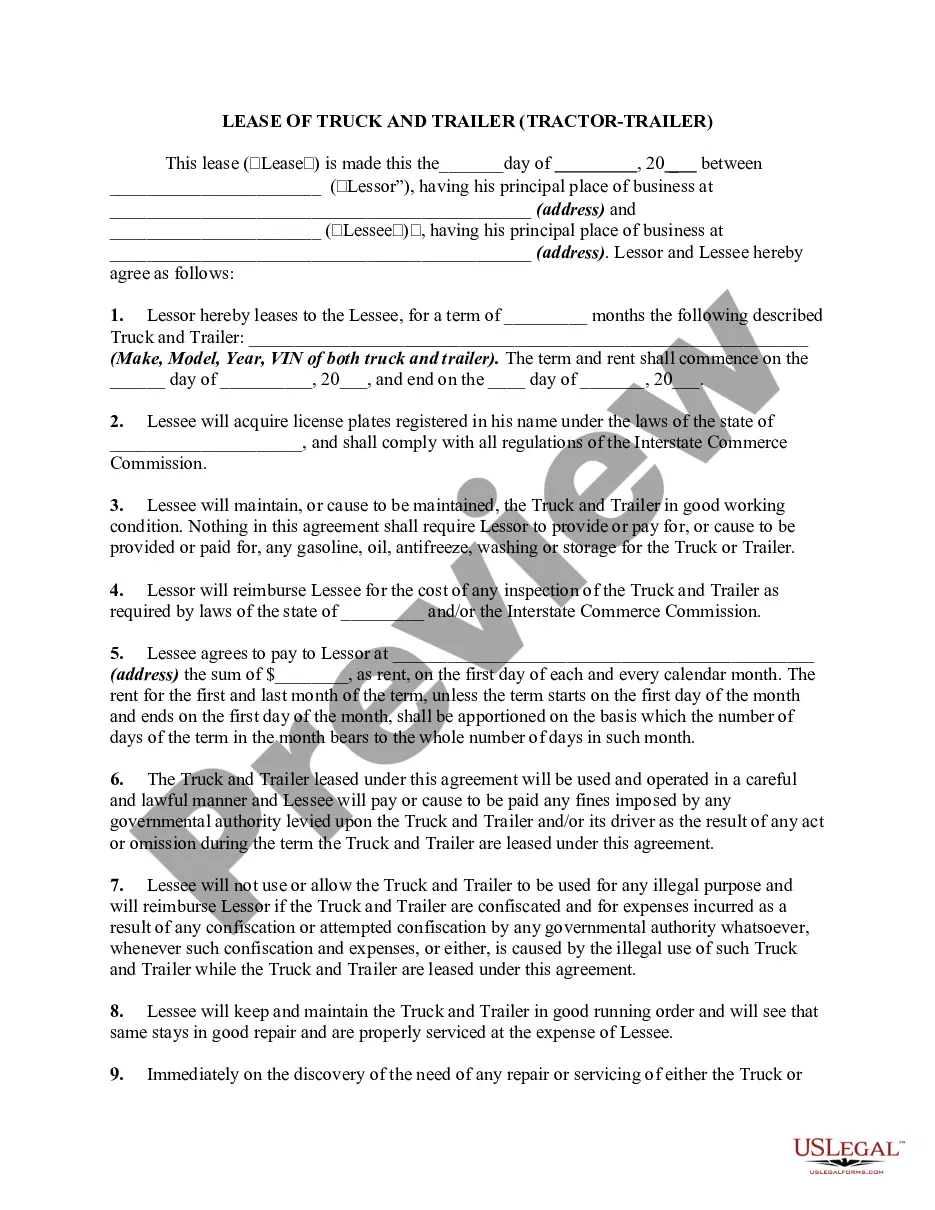
Get your form ready online
Our built-in tools help you complete, sign, share, and store your documents in one place.
Make edits, fill in missing information, and update formatting in US Legal Forms—just like you would in MS Word.
Download a copy, print it, send it by email, or mail it via USPS—whatever works best for your next step.
Sign and collect signatures with our SignNow integration. Send to multiple recipients, set reminders, and more. Go Premium to unlock E-Sign.
If this form requires notarization, complete it online through a secure video call—no need to meet a notary in person or wait for an appointment.
We protect your documents and personal data by following strict security and privacy standards.

Make edits, fill in missing information, and update formatting in US Legal Forms—just like you would in MS Word.

Download a copy, print it, send it by email, or mail it via USPS—whatever works best for your next step.

Sign and collect signatures with our SignNow integration. Send to multiple recipients, set reminders, and more. Go Premium to unlock E-Sign.

If this form requires notarization, complete it online through a secure video call—no need to meet a notary in person or wait for an appointment.

We protect your documents and personal data by following strict security and privacy standards.
Looking for another form?








Form popularity
FAQ
Review the Lease Agreement. The assignor (current tenant) should review the existing lease agreement to understand the terms and conditions associated with the lease assignment. Obtain Landlord's Consent. Negotiate Terms. Deed of Assignment. Land Registry Notification. Completion and Handover.
There are two types of guarantee, which are generally referred to as see-to-it guarantees or pure guarantees and conditional payment guarantees.
The difference between corporate and personal guarantees is quite simple. A personal guarantee is when an individual agrees to take on the obligations of a debt for a debtor, whereas a corporate guarantee is when a guarantor is a corporation that takes on payment responsibilities.
A comprehensive commercial lease proposal should include sections on lease terms or types, rent obligations, security deposits, permitted or exclusive use clauses, maintenance and utilities, personal guarantees, amendments and termination clauses, and sublease provisions.
You may be able to negotiate your own exit terms by offering the landlord a deal. There is no guarantee that it will be accepted, however, and it might be a costly process. This involves finding a new tenant to take over your lease. The landlord will want to impose restrictions and make sure of their suitability.
This is a generic form of guarantee for use when a company (typically, the corporate parent) is asked to support the obligations of a party (obligor) under a commercial agreement. This Standard Document has integrated notes with important explanations and drafting and negotiating tips.
Types of leasehold estates The first type is most common: Estate for years: An agreement that permits occupancy between two specified dates, at the end of which the property must be vacated. Estate from period to period: A monthly tenancy that has no specified end date.
1. Gross Lease. Gross leases are most common for commercial properties such as offices and retail space. The tenant pays a single, flat amount that includes rent, taxes, utilities, and insurance.
Can a Commercial Lease Be Terminated Early? Your business is expanding and needs more space. You need less space due to downsizing. The landlord is failing to meet expectations. You're consolidating your portfolio through a merger or acquisition.
It is important to limit the amount of time that the personal guarantee is effective. This will inform you of a definite date where you will no longer be personally liable for the obligations of the company. For example, if the lease is for a five-year period, try to limit the personal guarantee to the first two years.
