Trademark Law In The Philippines In Wake
Description

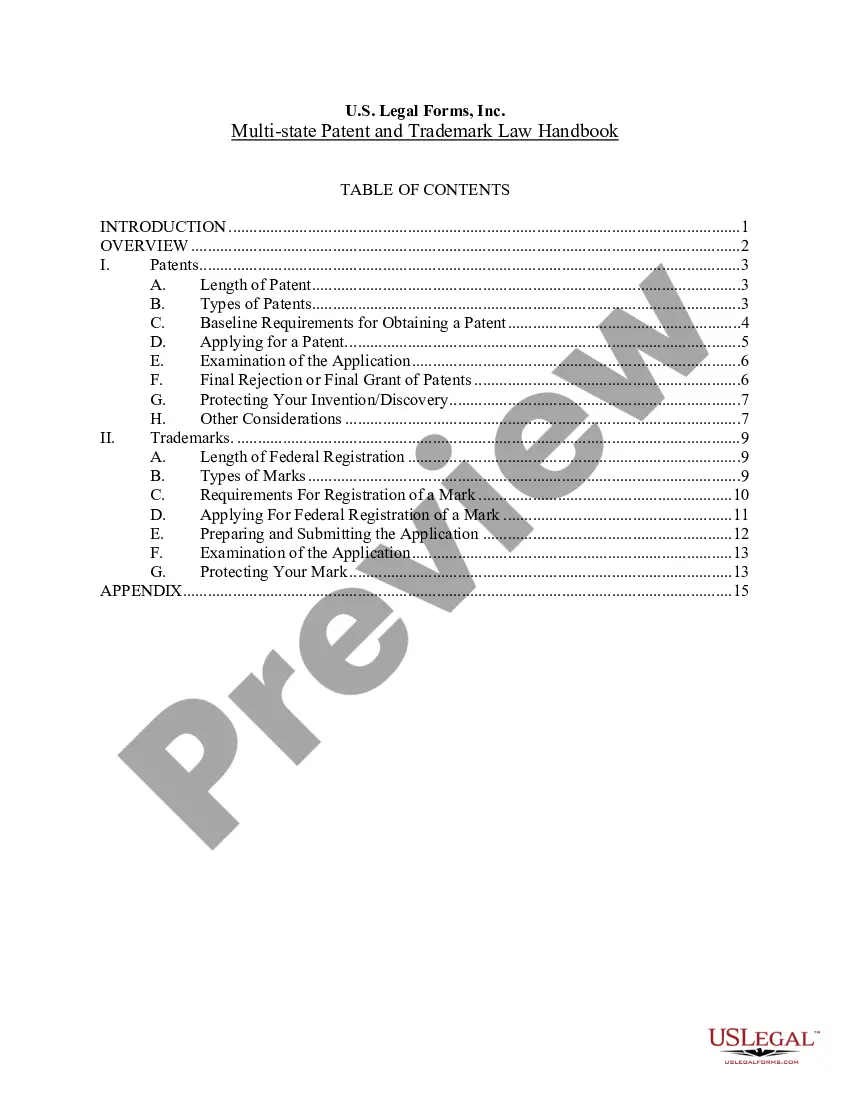
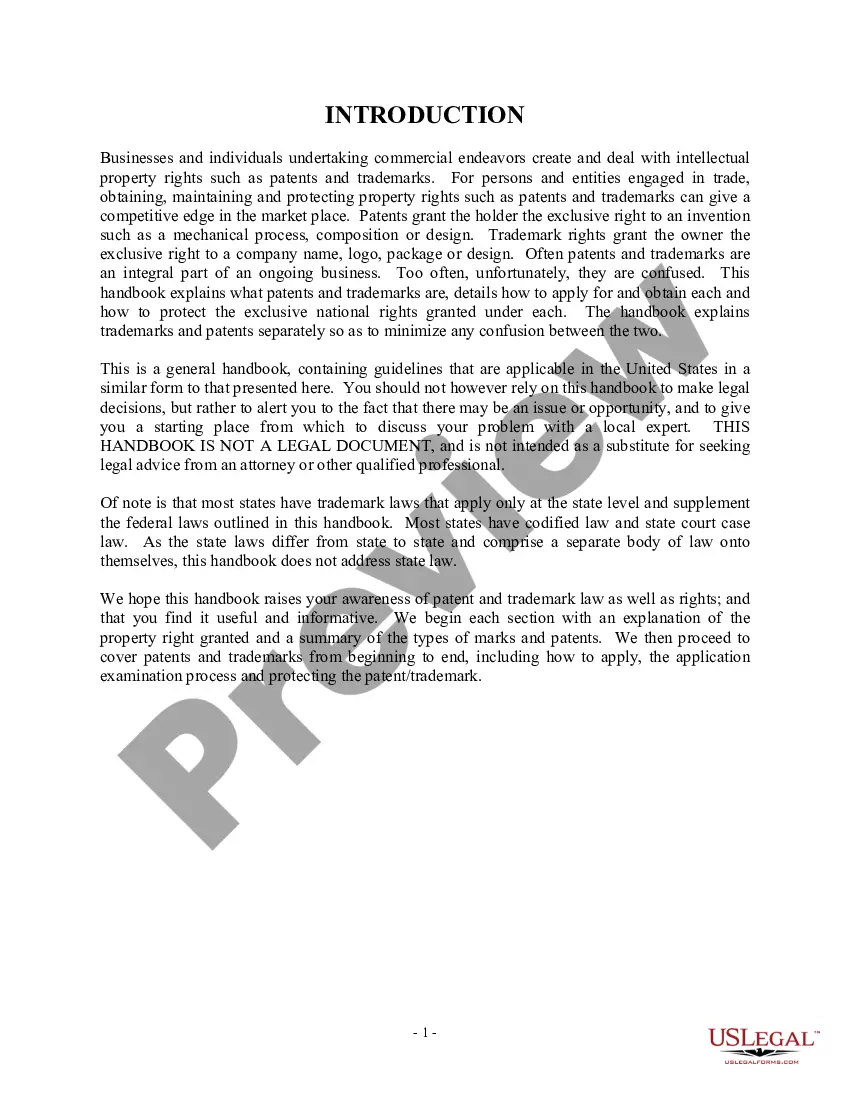
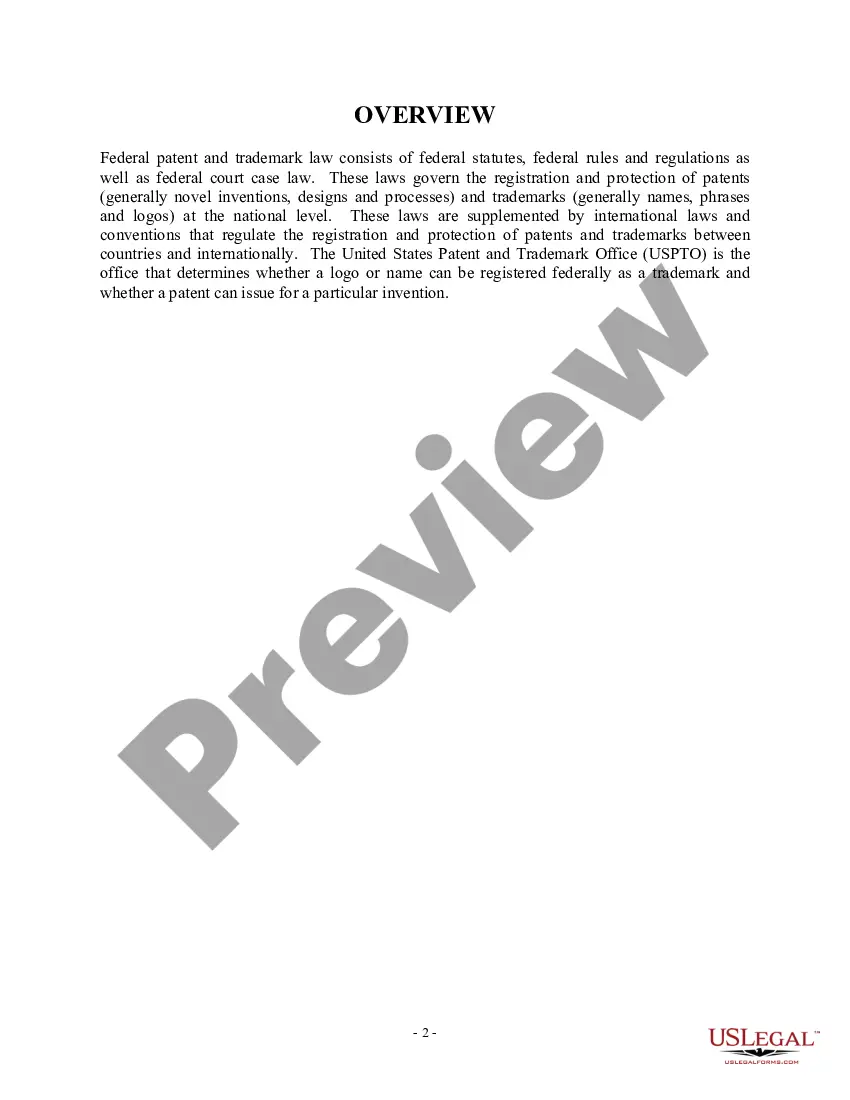
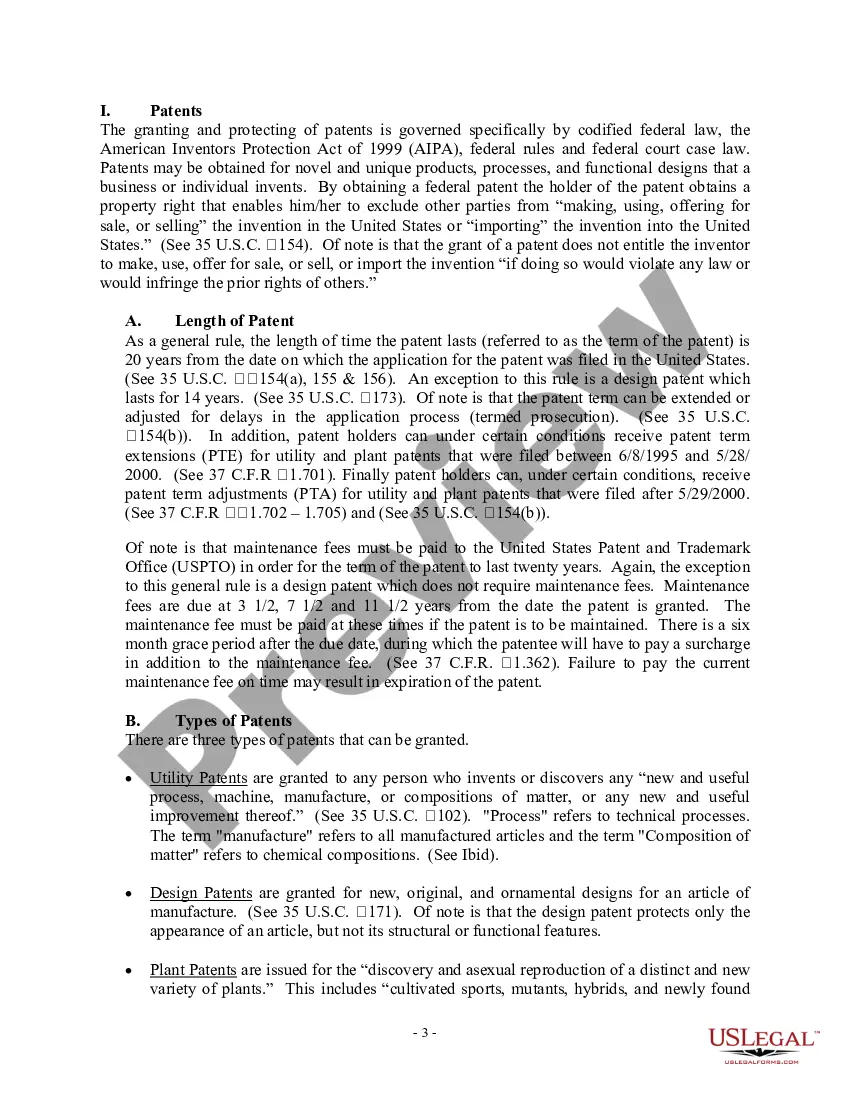


Get your form ready online
Our built-in tools help you complete, sign, share, and store your documents in one place.
Make edits, fill in missing information, and update formatting in US Legal Forms—just like you would in MS Word.
Download a copy, print it, send it by email, or mail it via USPS—whatever works best for your next step.
Sign and collect signatures with our SignNow integration. Send to multiple recipients, set reminders, and more. Go Premium to unlock E-Sign.
If this form requires notarization, complete it online through a secure video call—no need to meet a notary in person or wait for an appointment.
We protect your documents and personal data by following strict security and privacy standards.

Make edits, fill in missing information, and update formatting in US Legal Forms—just like you would in MS Word.

Download a copy, print it, send it by email, or mail it via USPS—whatever works best for your next step.

Sign and collect signatures with our SignNow integration. Send to multiple recipients, set reminders, and more. Go Premium to unlock E-Sign.

If this form requires notarization, complete it online through a secure video call—no need to meet a notary in person or wait for an appointment.

We protect your documents and personal data by following strict security and privacy standards.
Looking for another form?
Form popularity
FAQ
In the Philippines, copyright protection for artistic, literary and derivative works lasts during the lifetime of the author plus 50 years after the author's death. This term of protection also applies to posthumous works.
After your trademark is approved, you must file documents with the IPOPHL to prove that you have a real product or service that supports your trademark filing. This filing is called the Declaration of Actual Use (DAU).
A trade mark registration provides 10 years' protection from the filing date. Once registered, it's your responsibility to manage and maintain your trade mark. There may be costs associated with this.
A trademark can be protected in perpetuity if regularly monitored and properly maintained. The period of protection is ten (10) years from the date of registration and is renewable for a period of ten (10) years at a time.
A federal trademark lasts 10 years from the date of registration, with a potentially unlimited number of 10-year renewal terms. So, every 10 years, the owner of a federal trademark registration must renew it with the U.S. Patent and Trademark Office (USPTO).
Trademarks do not have expiration dates. A federal trademark lasts 10 years from the date of registration, with a potentially unlimited number of 10-year renewal terms. So, every 10 years, the owner of a federal trademark registration must renew it with the U.S. Patent and Trademark Office (USPTO).
8293, also known as the Intellectual Property Code of the Philippines, underscores the importance of the first-to-file rule in the country's trademark registration process. This rule prioritizes the date of filing over the date of first use, making timely registration crucial for securing trademark rights.
Ing to the first-to-file principle, the owner of the mark who first files their application with the IP office has priority over anyone using the same/confusingly similar mark on the same market.
No, trademark registration is not required in the Philippines. In the Philippines, trade names and business names are protected without the need for prior registration.
