Trademark Law In Myanmar In Wake
Description

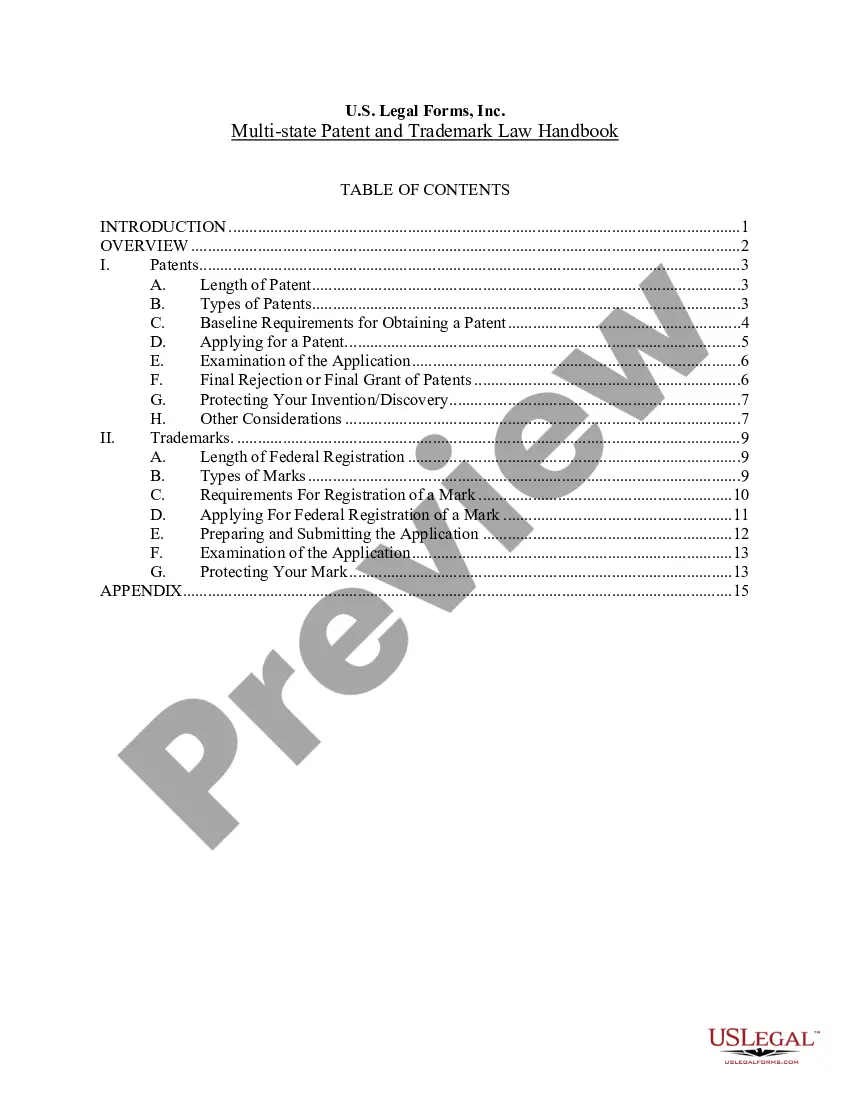
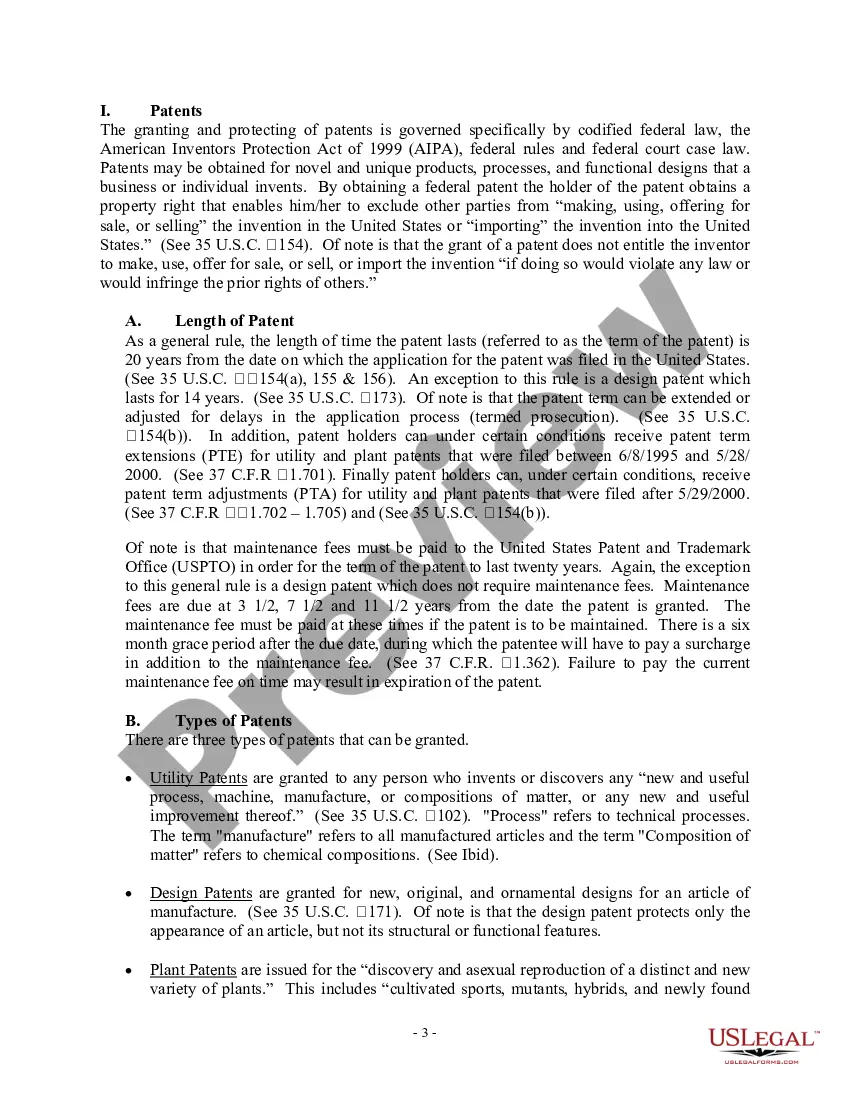



Get your form ready online
Our built-in tools help you complete, sign, share, and store your documents in one place.
Make edits, fill in missing information, and update formatting in US Legal Forms—just like you would in MS Word.
Download a copy, print it, send it by email, or mail it via USPS—whatever works best for your next step.
Sign and collect signatures with our SignNow integration. Send to multiple recipients, set reminders, and more. Go Premium to unlock E-Sign.
If this form requires notarization, complete it online through a secure video call—no need to meet a notary in person or wait for an appointment.
We protect your documents and personal data by following strict security and privacy standards.

Make edits, fill in missing information, and update formatting in US Legal Forms—just like you would in MS Word.

Download a copy, print it, send it by email, or mail it via USPS—whatever works best for your next step.

Sign and collect signatures with our SignNow integration. Send to multiple recipients, set reminders, and more. Go Premium to unlock E-Sign.

If this form requires notarization, complete it online through a secure video call—no need to meet a notary in person or wait for an appointment.

We protect your documents and personal data by following strict security and privacy standards.
Looking for another form?










Form popularity
FAQ
Injunction: The trademark owner can seek an injunction from the court to prevent the infringing party from using the trademark in question. An injunction can be temporary or permanent, depending on the circumstances of the case.
Available remedies for trademark infringement in India are cease and desist orders to prevent any further use, actions for damages or an account of profits for losses incurred, and confiscation or destruction of the infringing goods.
The most common remedy for trademark infringement is injunctive relief. Injunctions are court orders commanding that the infringer immediately cease its unlawful activities. Injunctions address future conduct rather than past actions.
Before escalating a dispute, sending a cease-and-desist letter can be an effective way to communicate concerns and potentially resolve the matter. The letter outlines the alleged infringement, demands the other party to cease using the disputed mark, and may include proposed solutions to avoid litigation.
Federal registration may be obtained by contacting the United States Patent and Trademark Office at 800-786-9199.
The new trademark law introduces a first-to-file system; the trademarks registered under the new trademark law will be valid for 10 years from the filing date and renewable every 10 years.
Step-by-Step Process of Trademark Registration in Myanmar Application Form: Completed with the applicant's information and trademark details. Power of Attorney: Required if the application is filed through an IP agent. Trademark Specimen: A sample of the trademark to be registered.
The new Copyright Law gives copyright protection for eligible literary and artistic works and for the related rights of performers, phonogram producers, and broadcasting organizations. The law also enables the use of technological protection measures to protect copyright in literary or artistic works or related rights.
known mark has been registered in Myanmar; the use of a third party's mark would indicate a connection between the goods and/or services for which the mark is used and the owner of the wellknown mark; and. such use will likely damage the interests of the wellknown mark owner.
