Patent Trademark Law For Dummies
Description

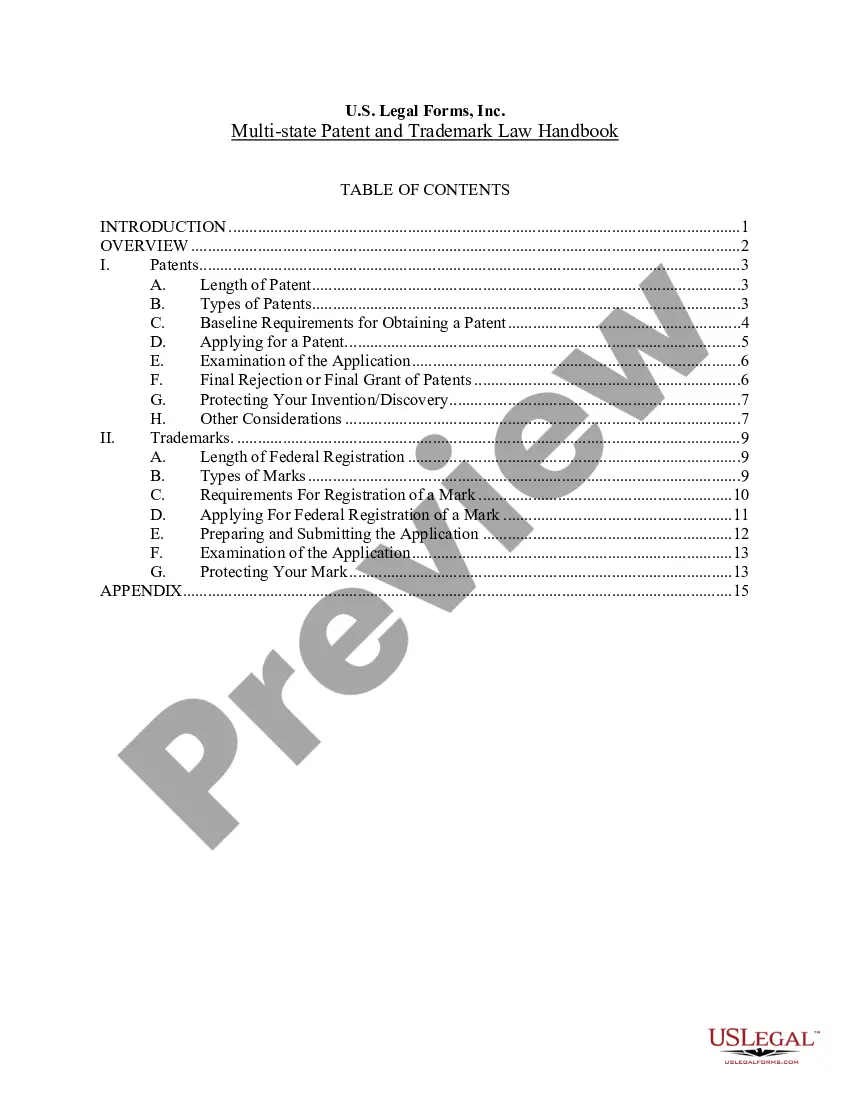
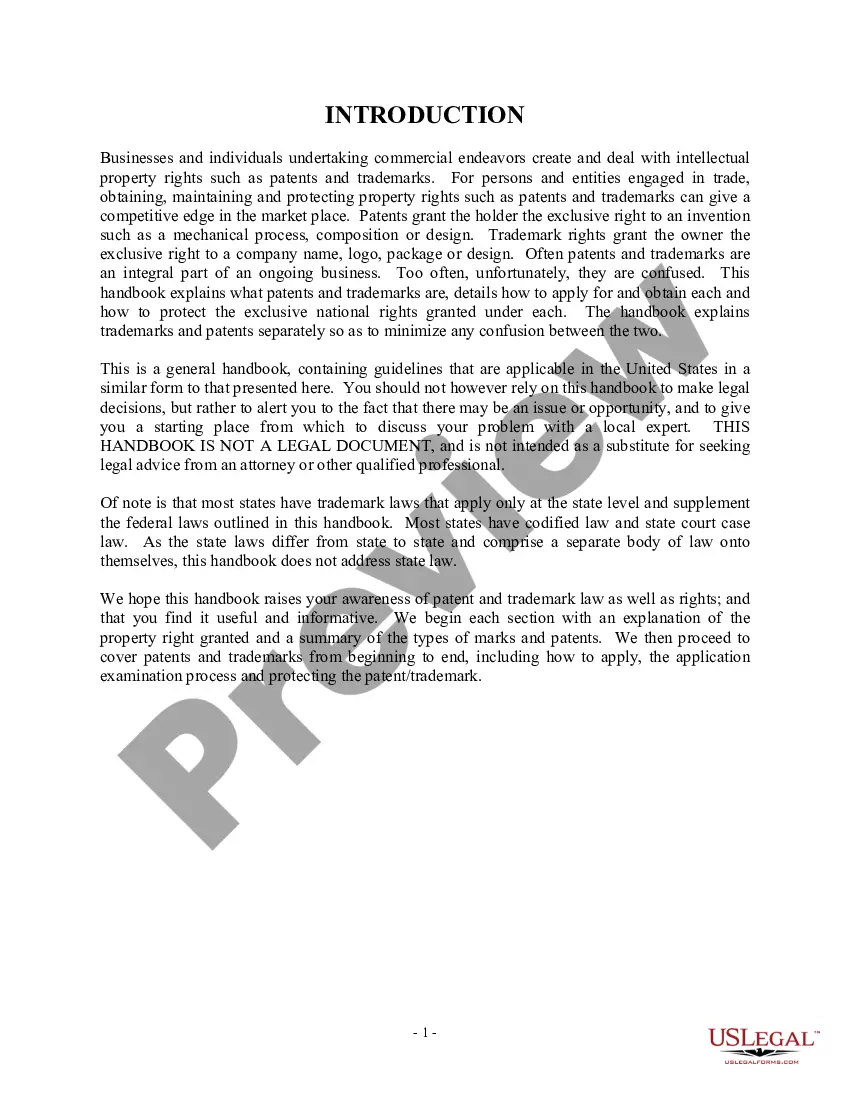
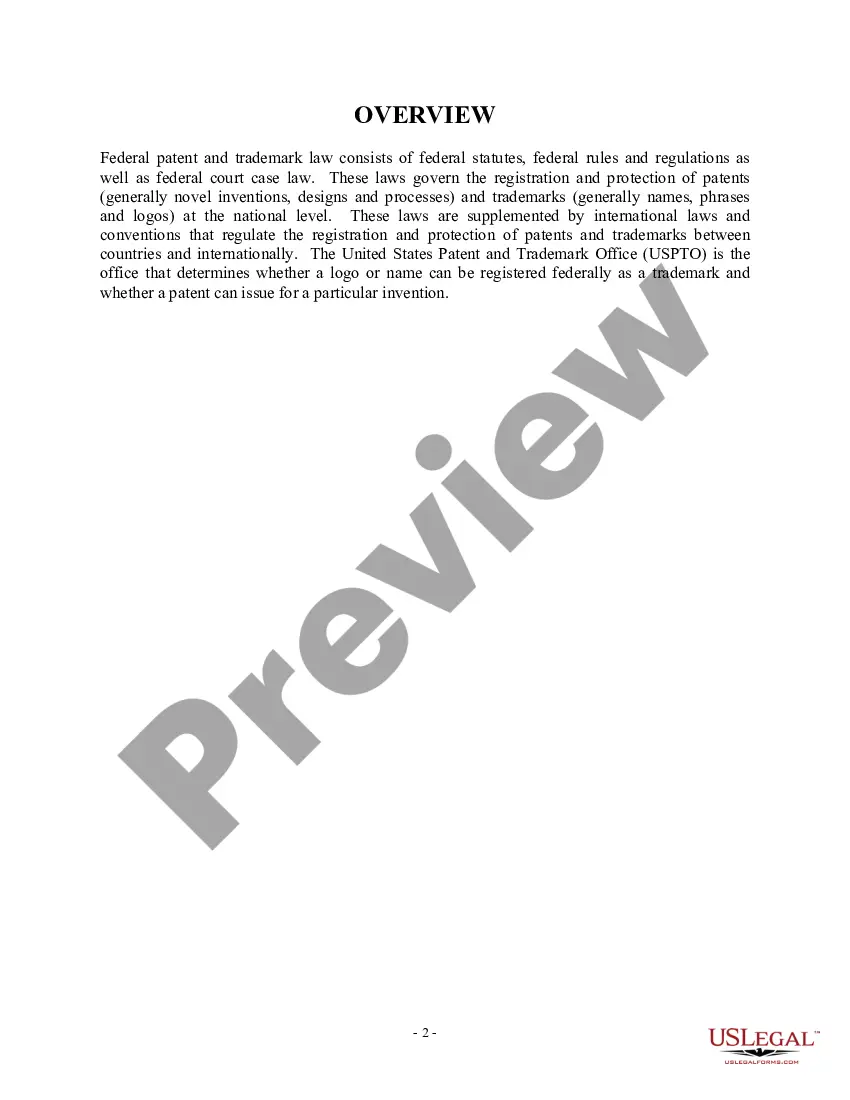
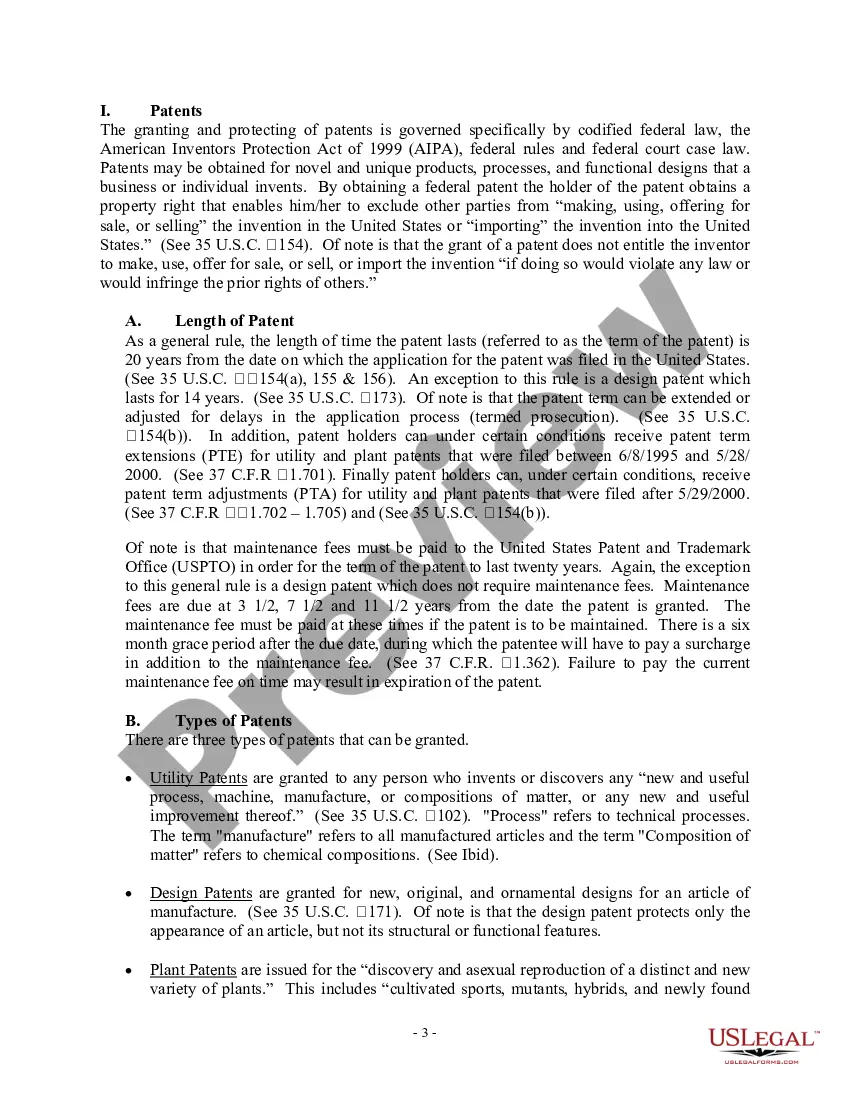
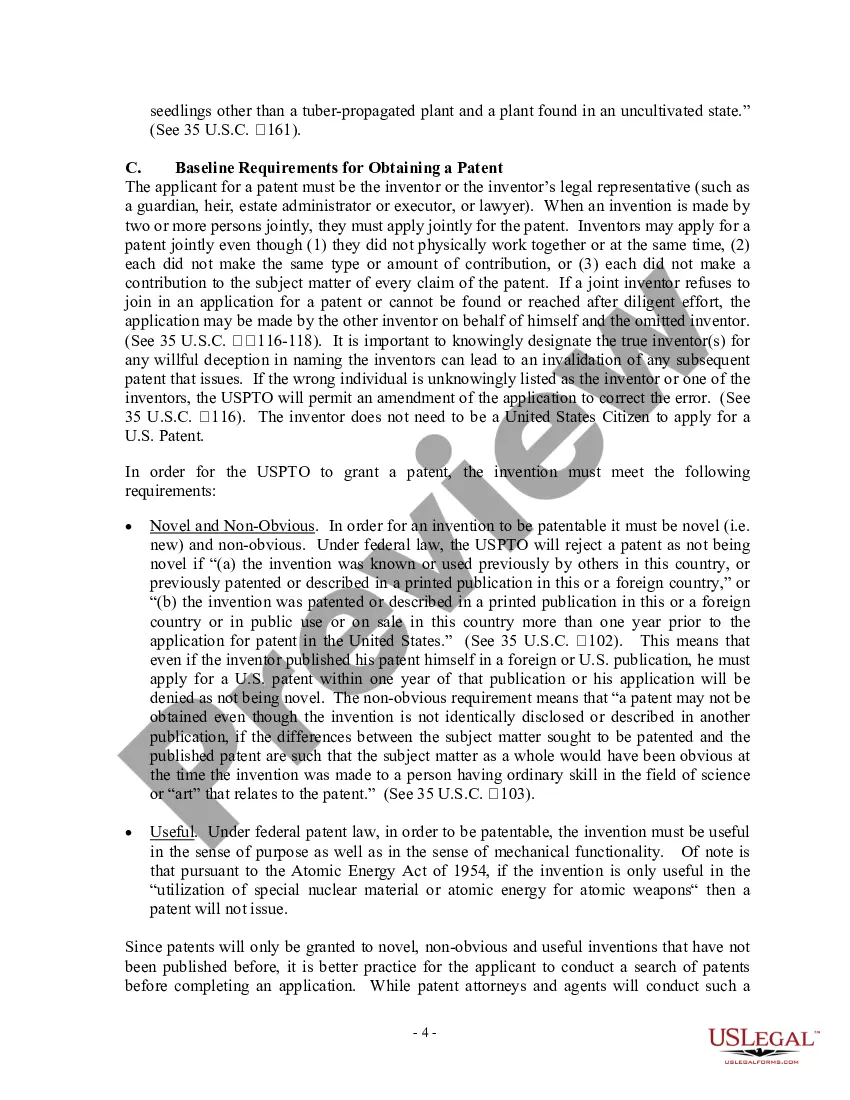
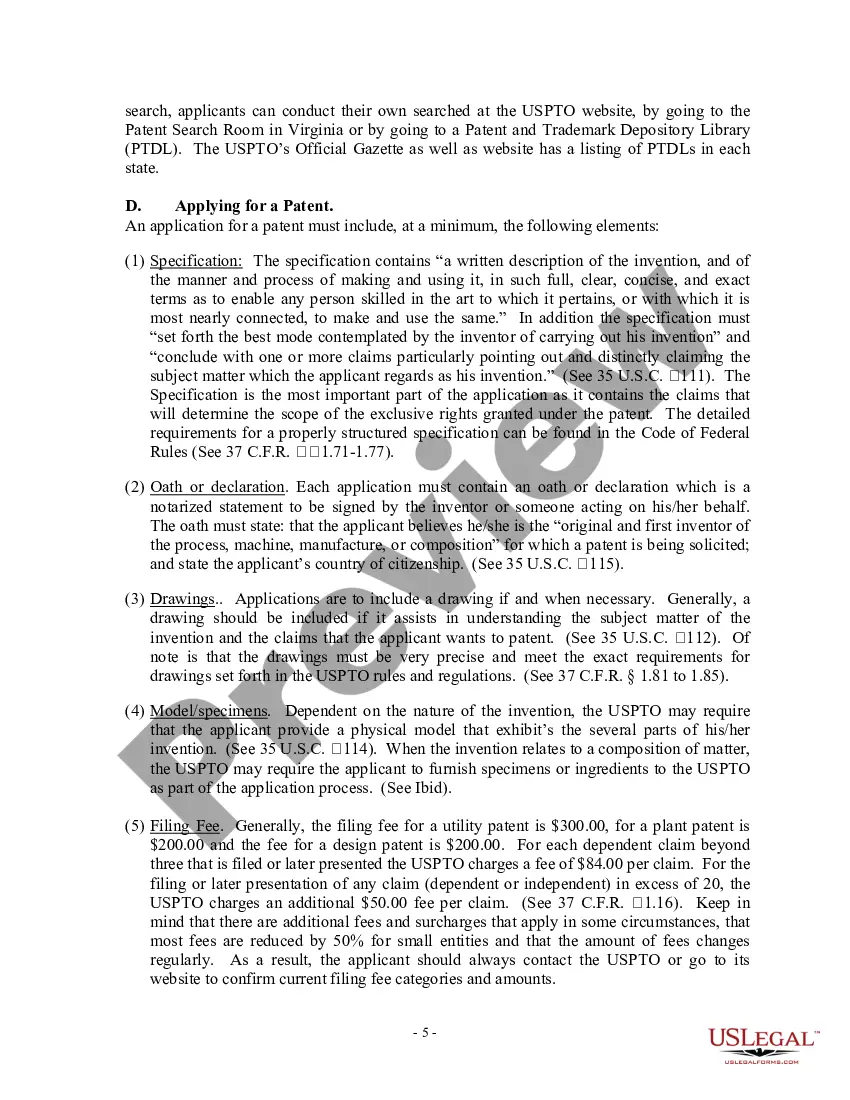
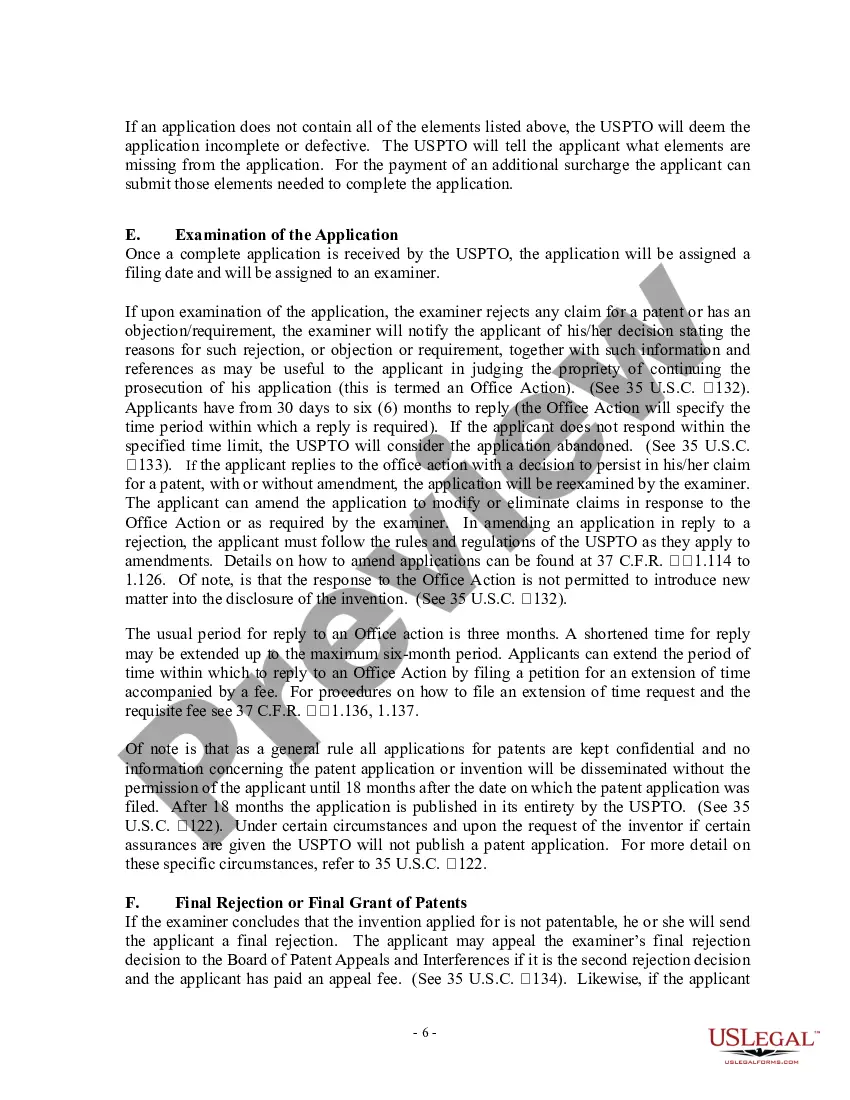
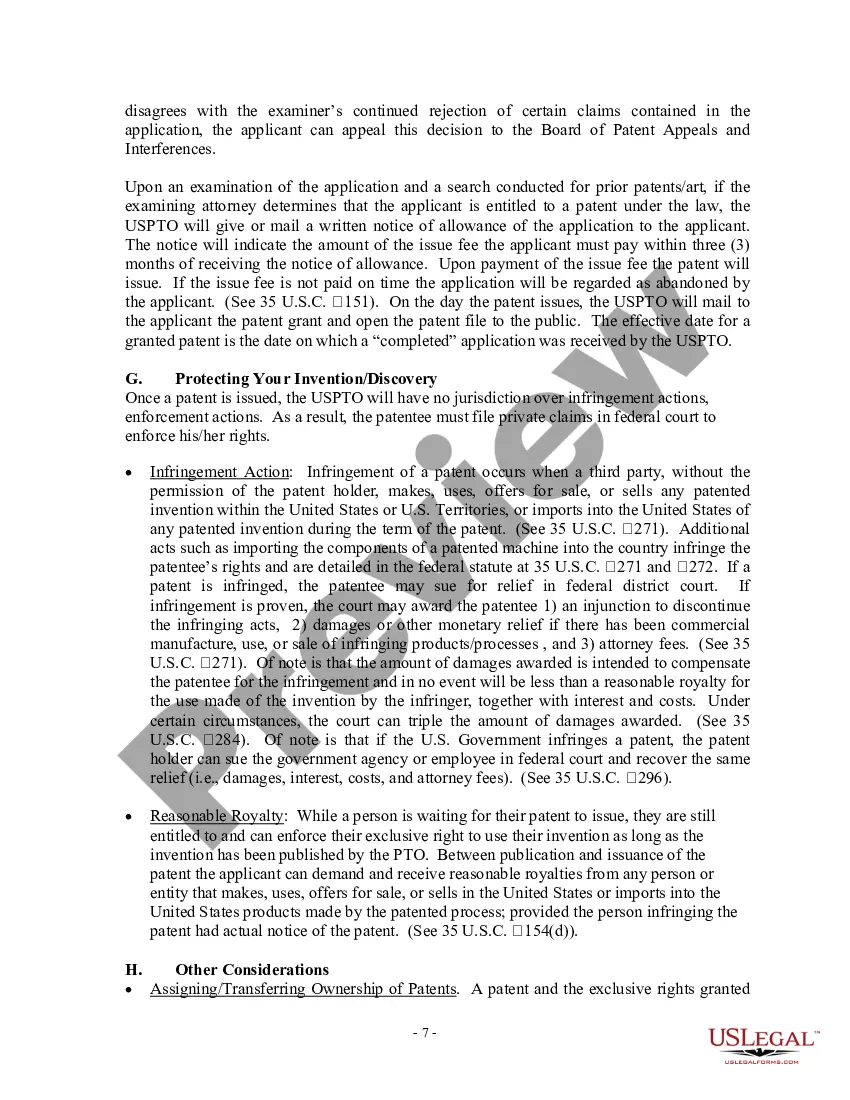







How to fill out USLF Multistate Patent And Trademark Law Handbook - Guide?
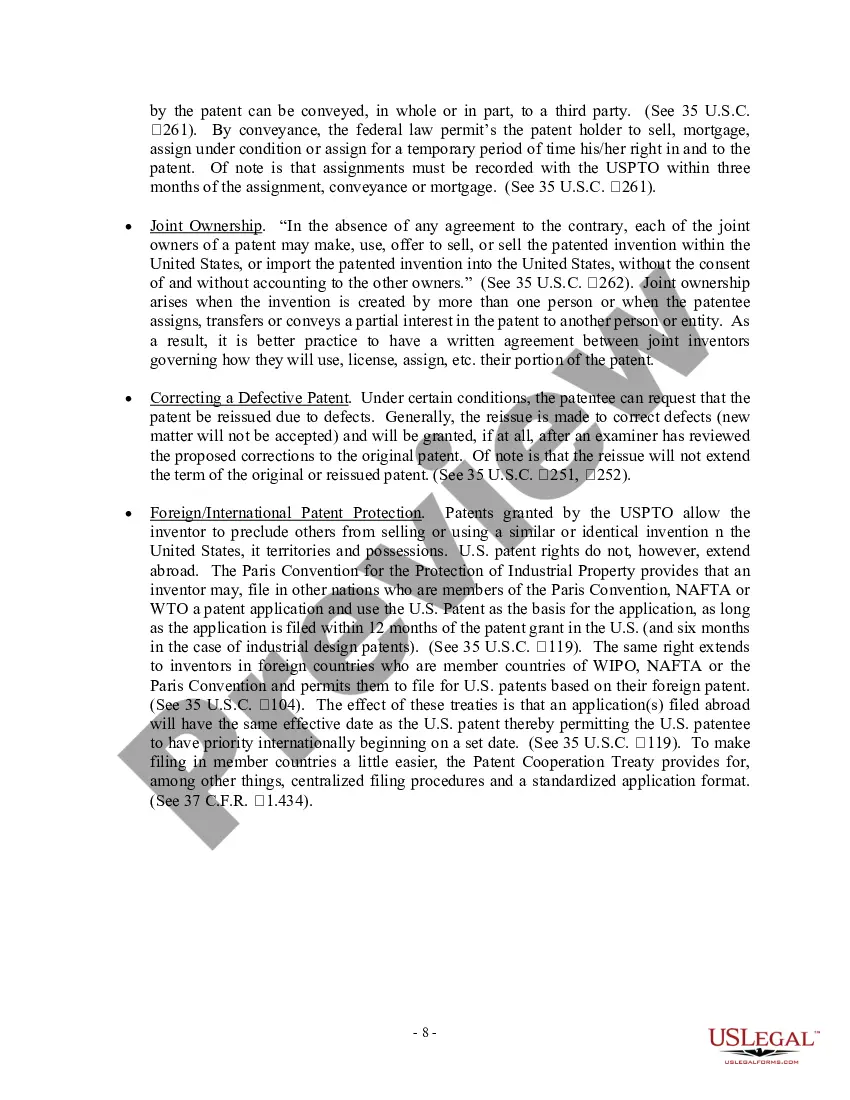
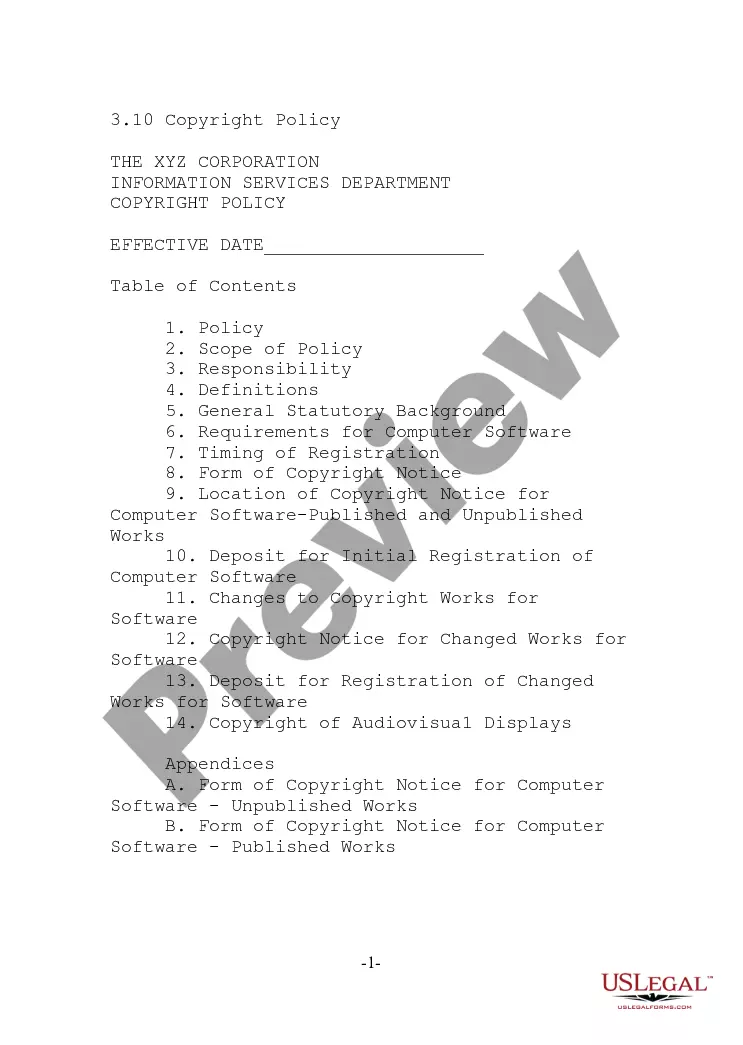
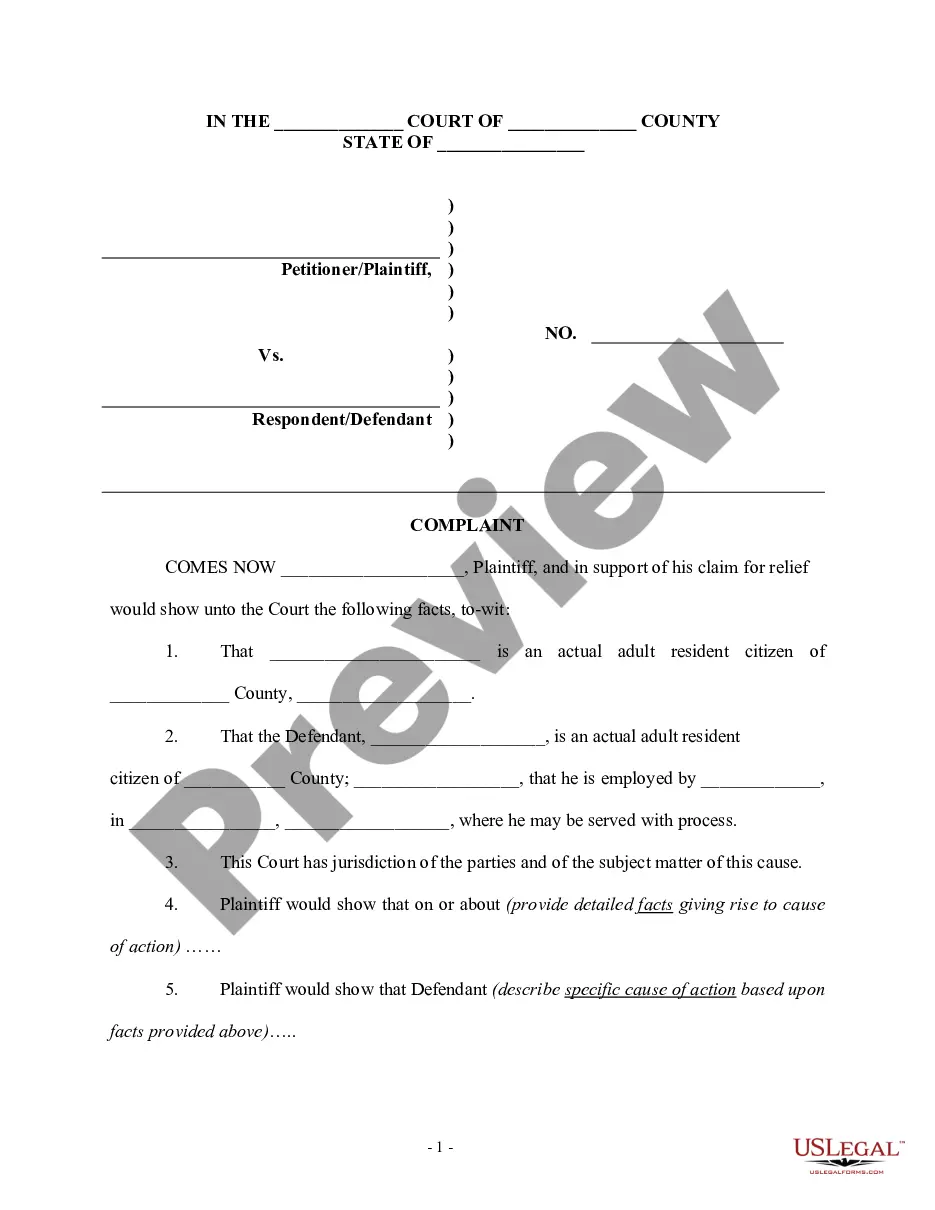
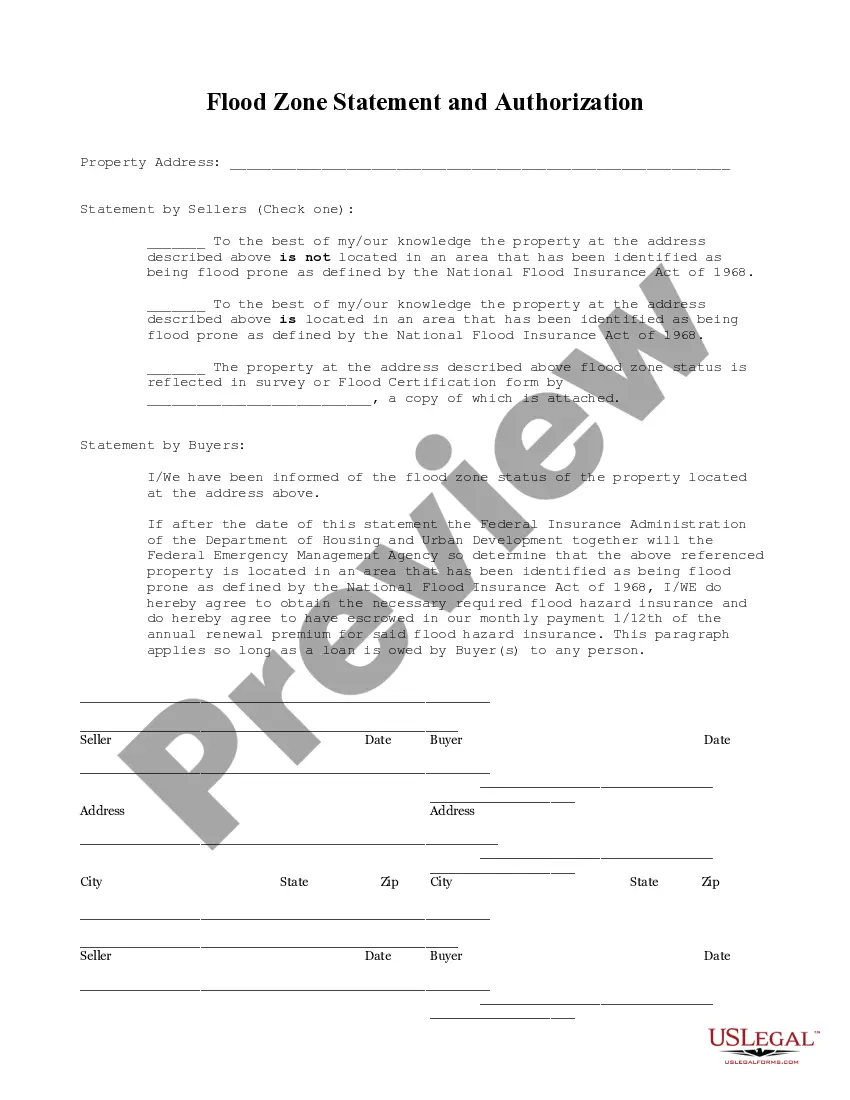
The Patent Trademark Law For Dummies that you see on this page is a versatile official template created by expert attorneys in accordance with federal and state laws.
For over 25 years, US Legal Forms has delivered individuals, companies, and lawyers with over 85,000 authenticated, state-specific documents for every business and personal situation. It’s the fastest, simplest, and most dependable method to acquire the paperwork you require, as the service assures bank-grade data security and anti-malware safeguards.
Choose the format you desire for your Patent Trademark Law For Dummies (PDF, DOCX, RTF) and store the sample on your device.
- Search for the document you require and review it.
- Browse through the sample you searched and preview it or read the form description to ensure it meets your requirements. If it doesn't, use the search feature to locate the correct one. Click Buy Now when you have found the template you need.
- Register and Log In.
- Select the pricing plan that fits you and create an account. Use PayPal or a credit card for a quick payment. If you already have an account, Log In and check your subscription to proceed.
- Acquire the editable template.
Form popularity
FAQ
Here are the steps required to apply for a patent: Step 01: Invention disclosure. ... Step 02: Patentability search. ... Step 03: Decision to file an application for patent. ... Step 04: Patent drafting. ... Step 05: Filing the patent application. ... Step 06: Request for examination. ... Step 07: Responding to objections (if any)
A patent protects new inventions, processes, or scientific creations, a trademark protects brands, logos, and slogans, and a copyright protects original works of authorship.
Copyright law gives creators of original material the exclusive right to further use and duplicate that material for a given amount of time. Once a copyright expires, the copyrighted item becomes public domain.
Under the Copyright Act, a copyright owner has the exclusive right to reproduce, adapt, distribute, publicly perform, and publicly display the work (or to authorize others to do so). In the case of sound recordings, the copyright owner has the right to perform the work publicly by means of a digital audio transmission.
The five primary requirements for patentability are: (1) patentable subject matter, (2) utility, (3) novelty, (4) nonobviousness, and (5) enablement.