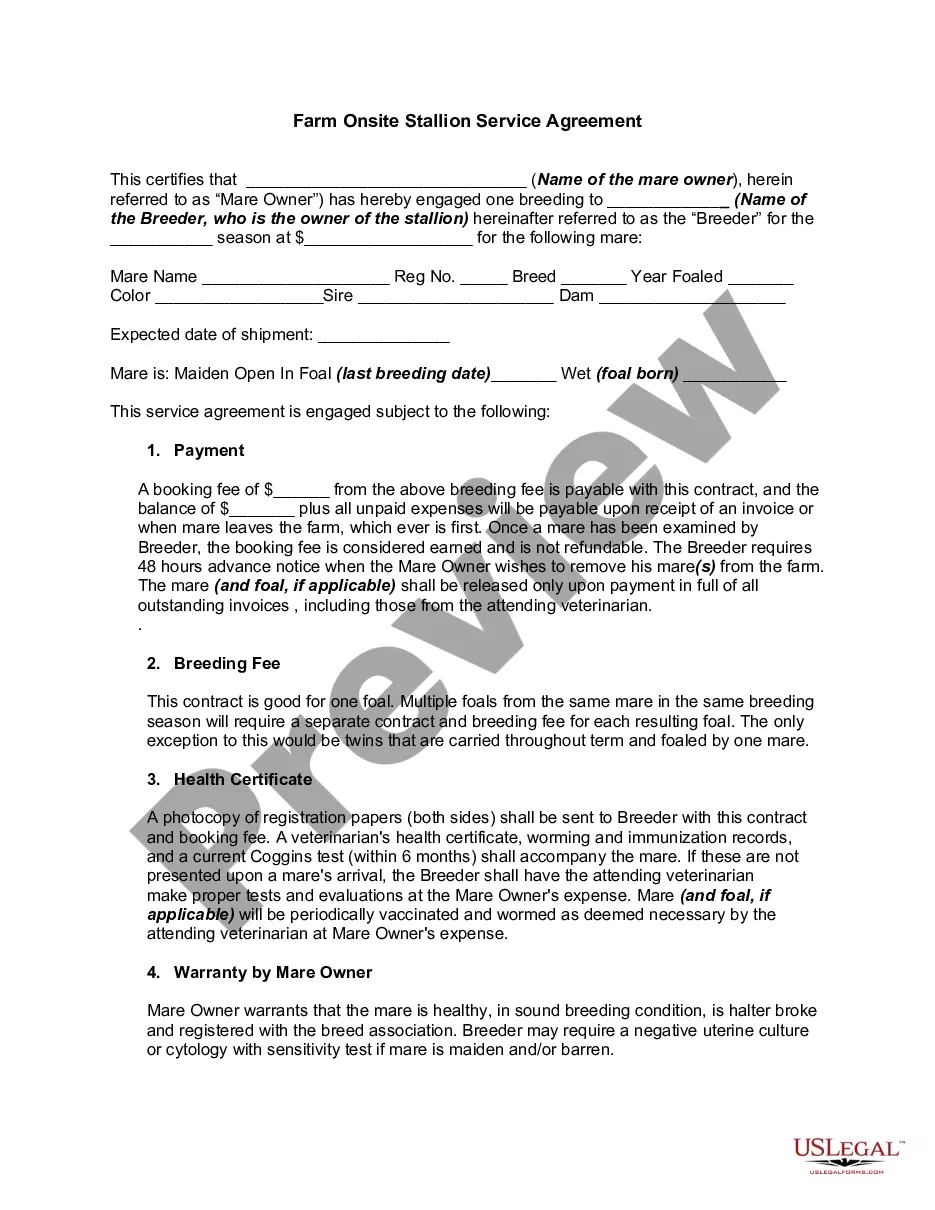
Patent Trademark File Format In Hillsborough
Description

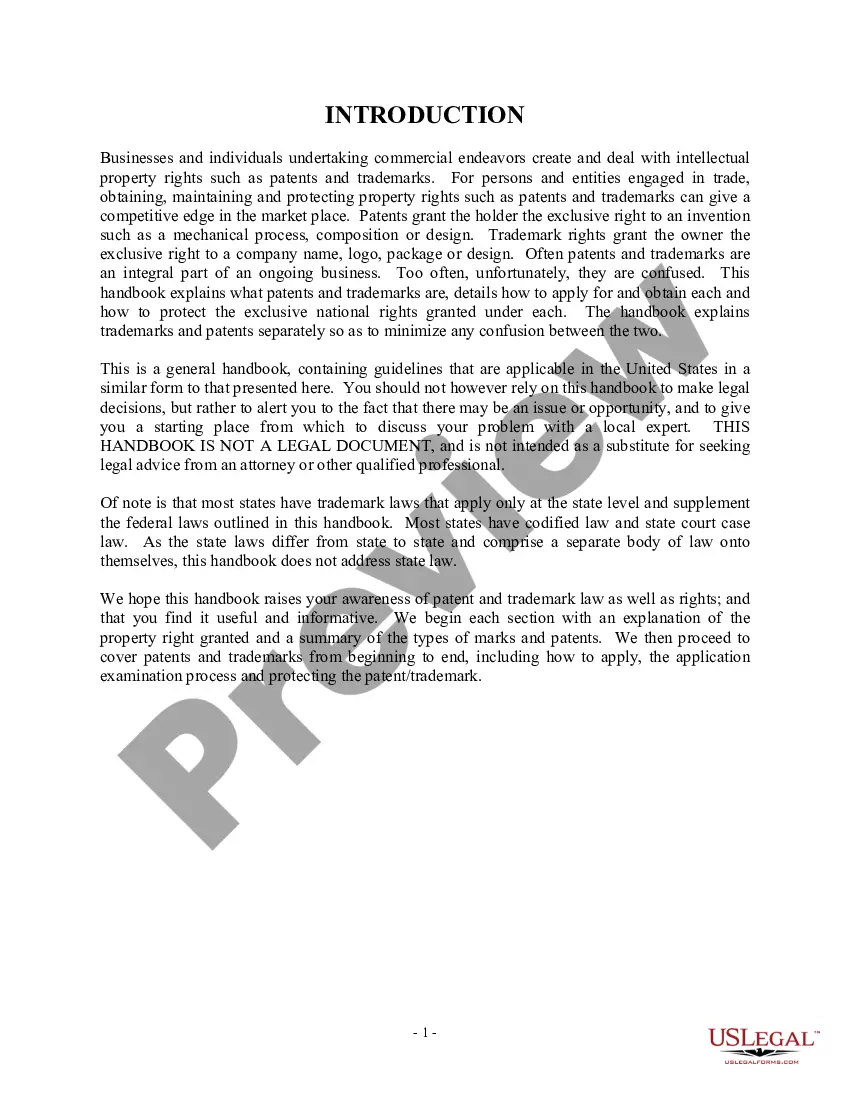


Get your form ready online
Our built-in tools help you complete, sign, share, and store your documents in one place.
Make edits, fill in missing information, and update formatting in US Legal Forms—just like you would in MS Word.
Download a copy, print it, send it by email, or mail it via USPS—whatever works best for your next step.
Sign and collect signatures with our SignNow integration. Send to multiple recipients, set reminders, and more. Go Premium to unlock E-Sign.
If this form requires notarization, complete it online through a secure video call—no need to meet a notary in person or wait for an appointment.
We protect your documents and personal data by following strict security and privacy standards.

Make edits, fill in missing information, and update formatting in US Legal Forms—just like you would in MS Word.

Download a copy, print it, send it by email, or mail it via USPS—whatever works best for your next step.

Sign and collect signatures with our SignNow integration. Send to multiple recipients, set reminders, and more. Go Premium to unlock E-Sign.

If this form requires notarization, complete it online through a secure video call—no need to meet a notary in person or wait for an appointment.

We protect your documents and personal data by following strict security and privacy standards.
Looking for another form?








Form popularity
FAQ
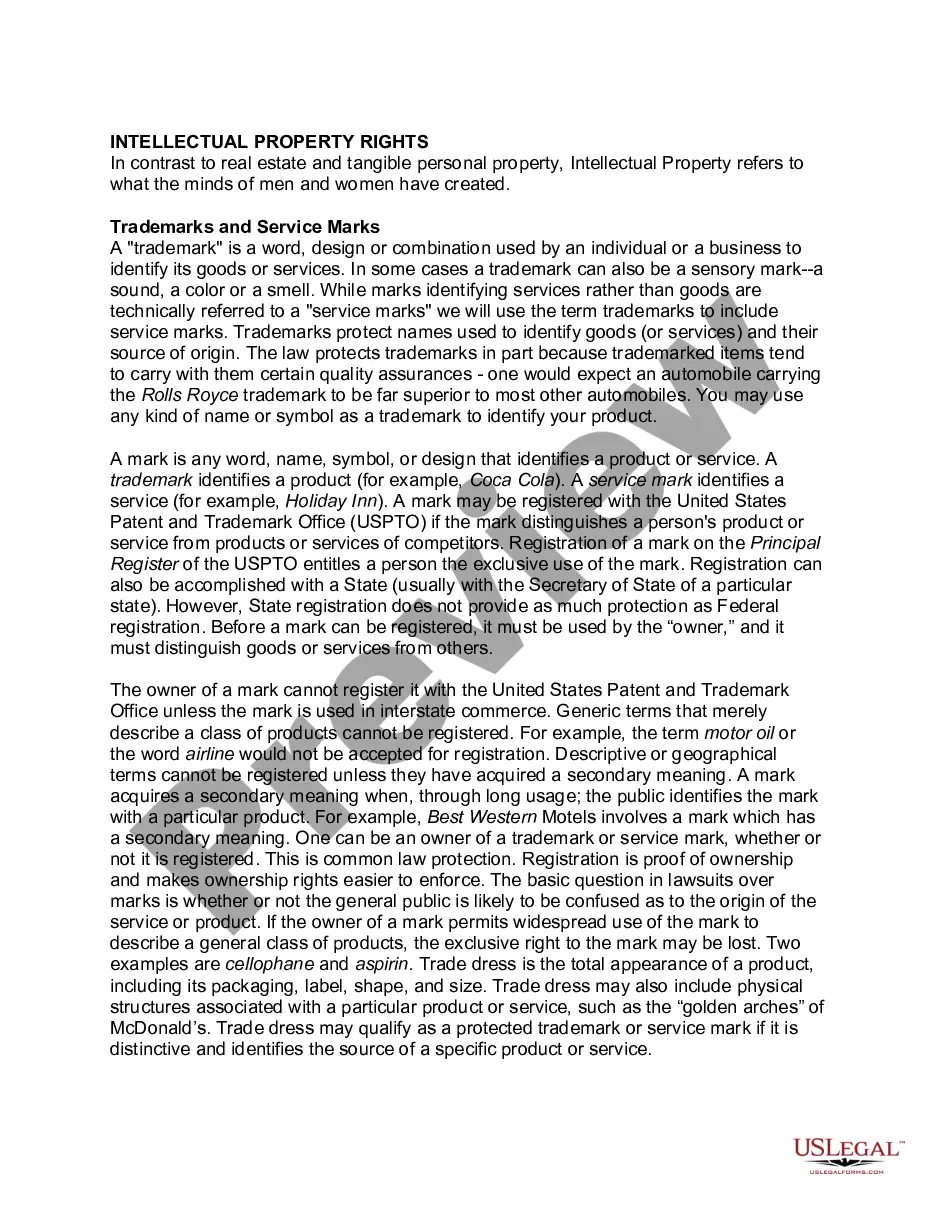
The main purpose of a trademark is to identify the source of a product, and to distinguish that product from products that come from other sources. For example, a trademark will help you choose between a COKE® and a PEPSI®.
No, It Isn't Possible to Patent a Name Patents are only issued for inventions, ornamental designs of goods, or plants, not names.
The trademark guarantees the identity of the origin of the trademarked services or goods to the consumer or end-user. It enables the consumer to distinguish the trademarked goods or services from others that have another origin without any confusion.
A registered trademark safeguards your brand, giving you the rights to take legal action if someone uses your brand without permission and allow you to sell or license your brand to third parties if necessary.
The main purpose of a trademark is to identify the source of a product, and to distinguish that product from products that come from other sources. For example, a trademark will help you choose between a COKE® and a PEPSI®. As noted above, marks can also be used to identify and distinguish a service.
Likelihood of confusion is a common reason for refusal of a trademark application. The USPTO will review your application and compare your mark to any existing trademark applications or registered trademarks.
In the United States, rights to a mark are established by actual use of the designation rather than registration. Therefore, the rule is that ownership of a mark is given to the first-to-use, not the first-to-file.
Trademark owners use the ™ symbol after a text, logo, design or picture, which they claim as their own but have not been legally registered with a regulatory authority. Usually, businesses will use the TM symbol to indicate their first usage or that they have applied for its registration.
A Copy of the Logo or Trademark (optional): The logo should be in JPEG or PNG format and can be either colorful or black and white with a size dimension of 8X8 cm. If the logo is not provided, the word mark can be used instead for the application.
The symbol lets consumers and competitors know you're claiming the trademark as yours. You can use “TM” for goods or “SM” for services even if you haven't filed an application to register your trademark.