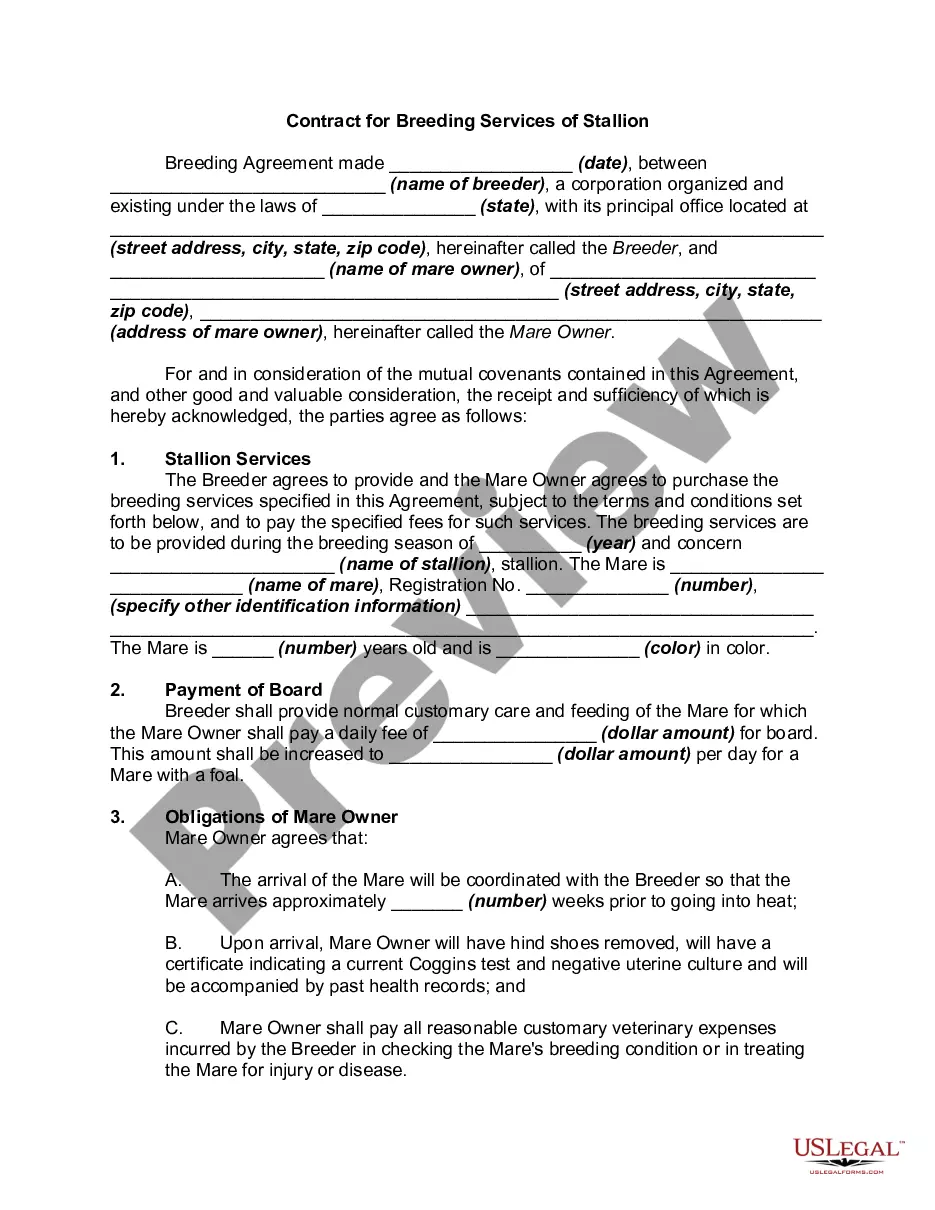
Stallion Breeding Contract Forms In Alameda
Description
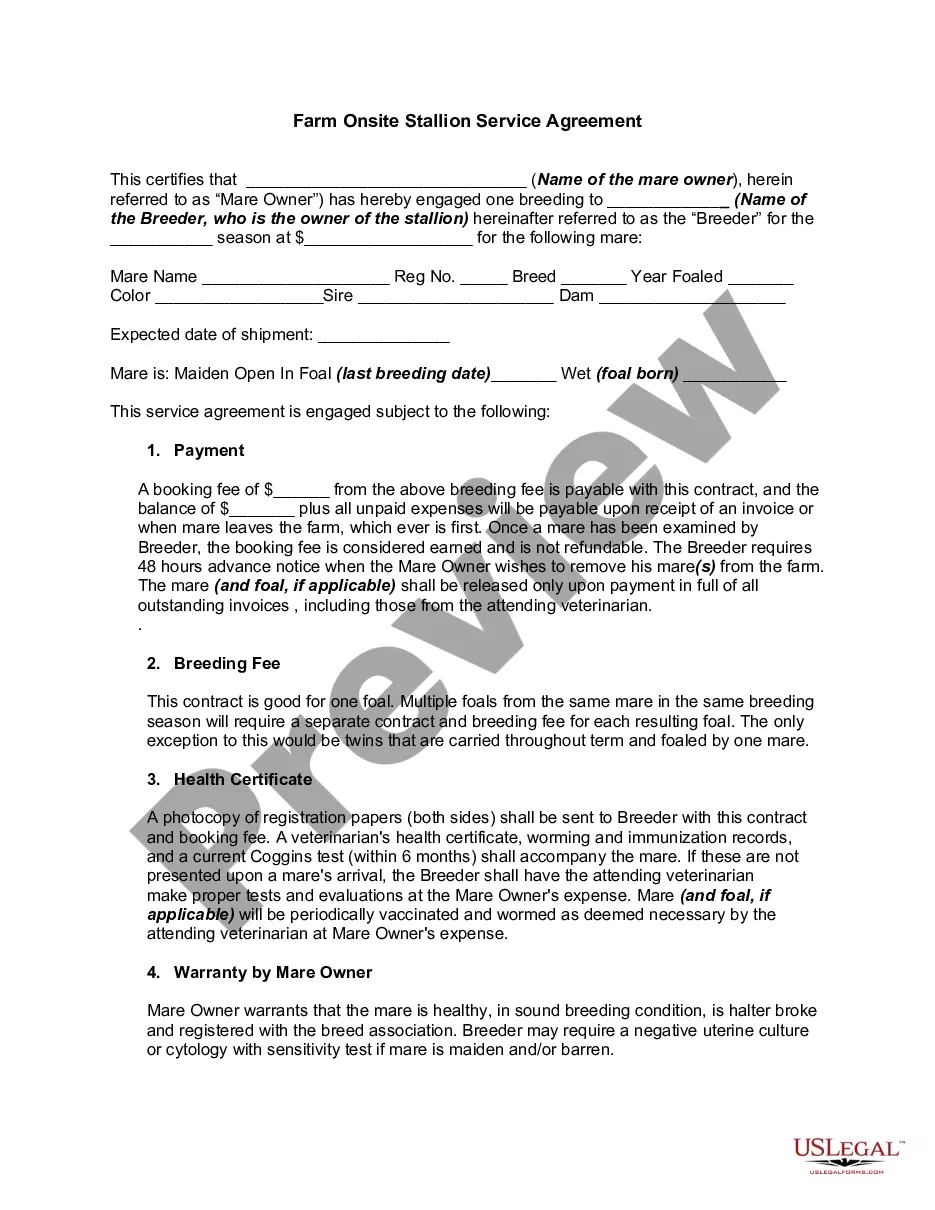
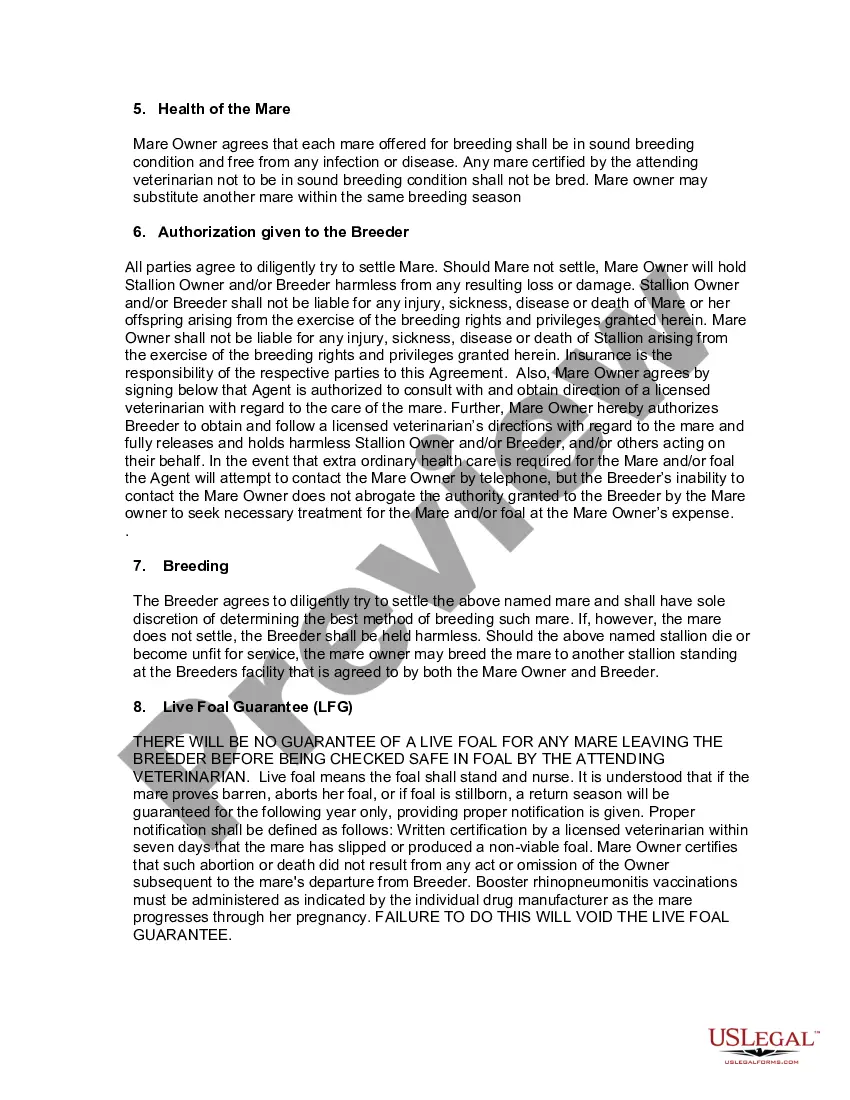
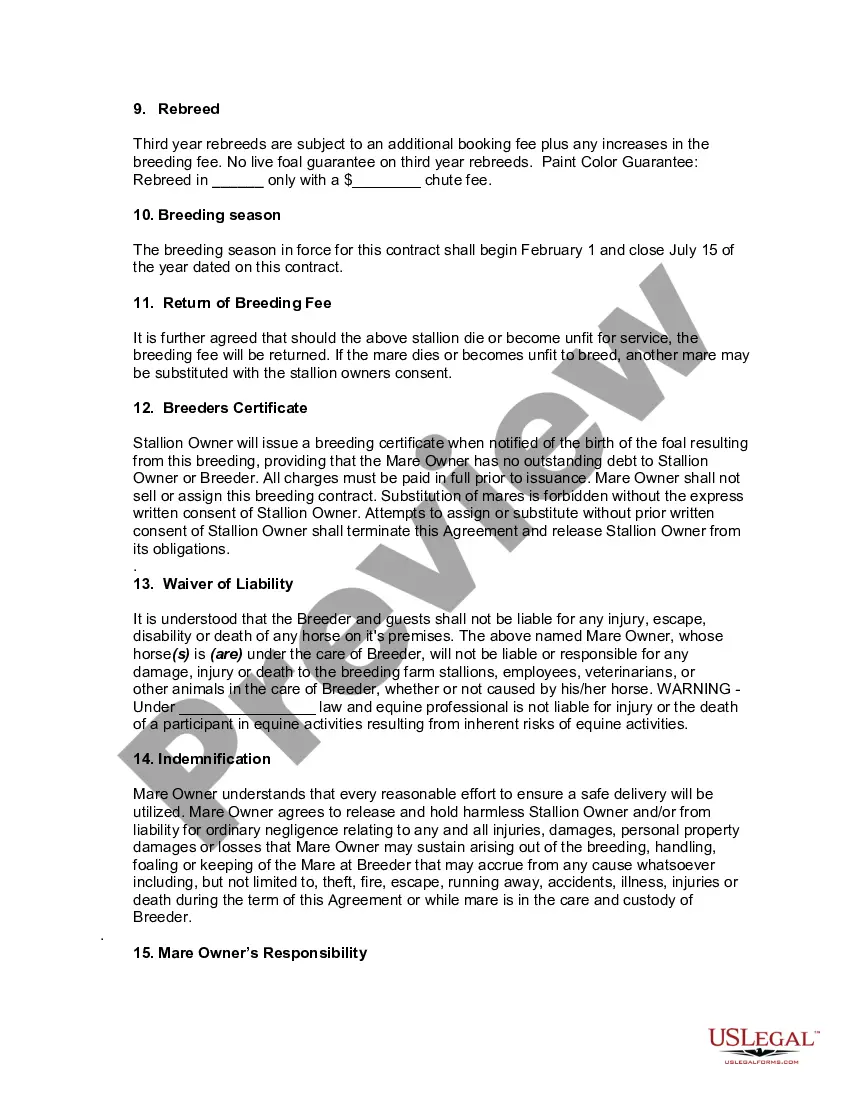
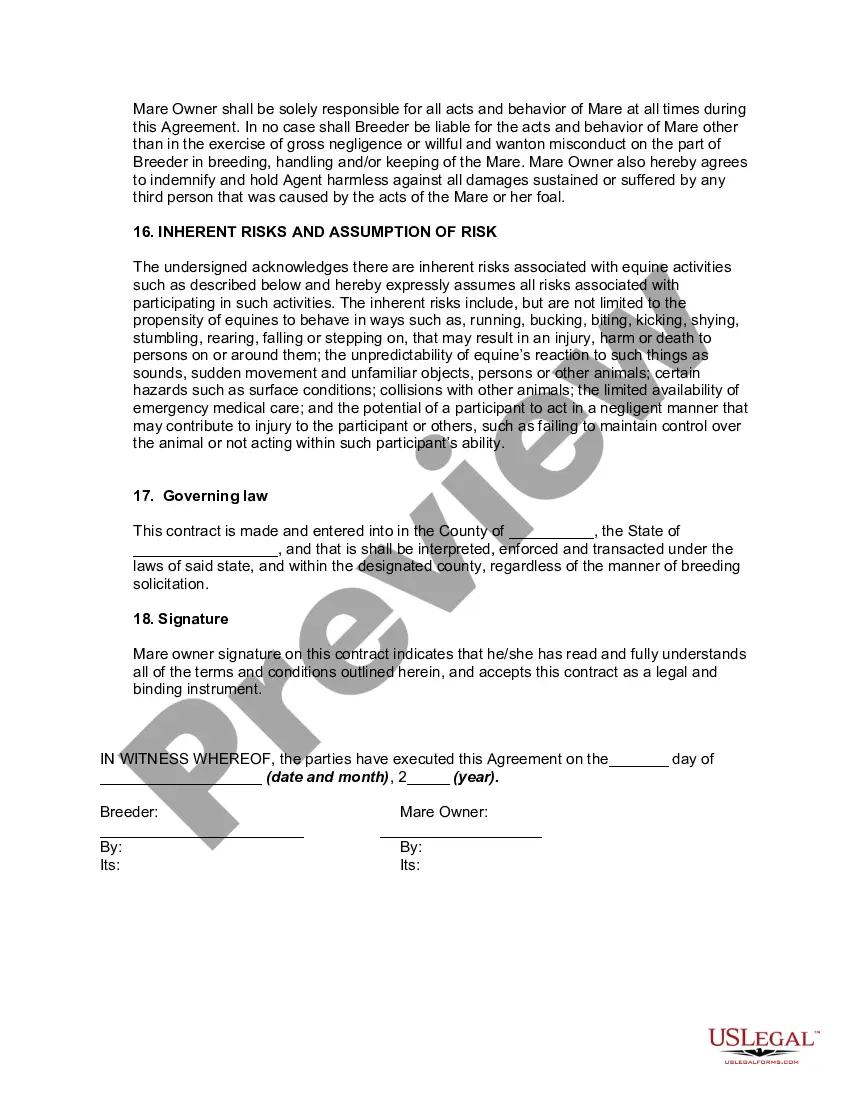
Get your form ready online
Our built-in tools help you complete, sign, share, and store your documents in one place.
Make edits, fill in missing information, and update formatting in US Legal Forms—just like you would in MS Word.
Download a copy, print it, send it by email, or mail it via USPS—whatever works best for your next step.
Sign and collect signatures with our SignNow integration. Send to multiple recipients, set reminders, and more. Go Premium to unlock E-Sign.
If this form requires notarization, complete it online through a secure video call—no need to meet a notary in person or wait for an appointment.
We protect your documents and personal data by following strict security and privacy standards.

Make edits, fill in missing information, and update formatting in US Legal Forms—just like you would in MS Word.

Download a copy, print it, send it by email, or mail it via USPS—whatever works best for your next step.

Sign and collect signatures with our SignNow integration. Send to multiple recipients, set reminders, and more. Go Premium to unlock E-Sign.

If this form requires notarization, complete it online through a secure video call—no need to meet a notary in person or wait for an appointment.

We protect your documents and personal data by following strict security and privacy standards.
Looking for another form?

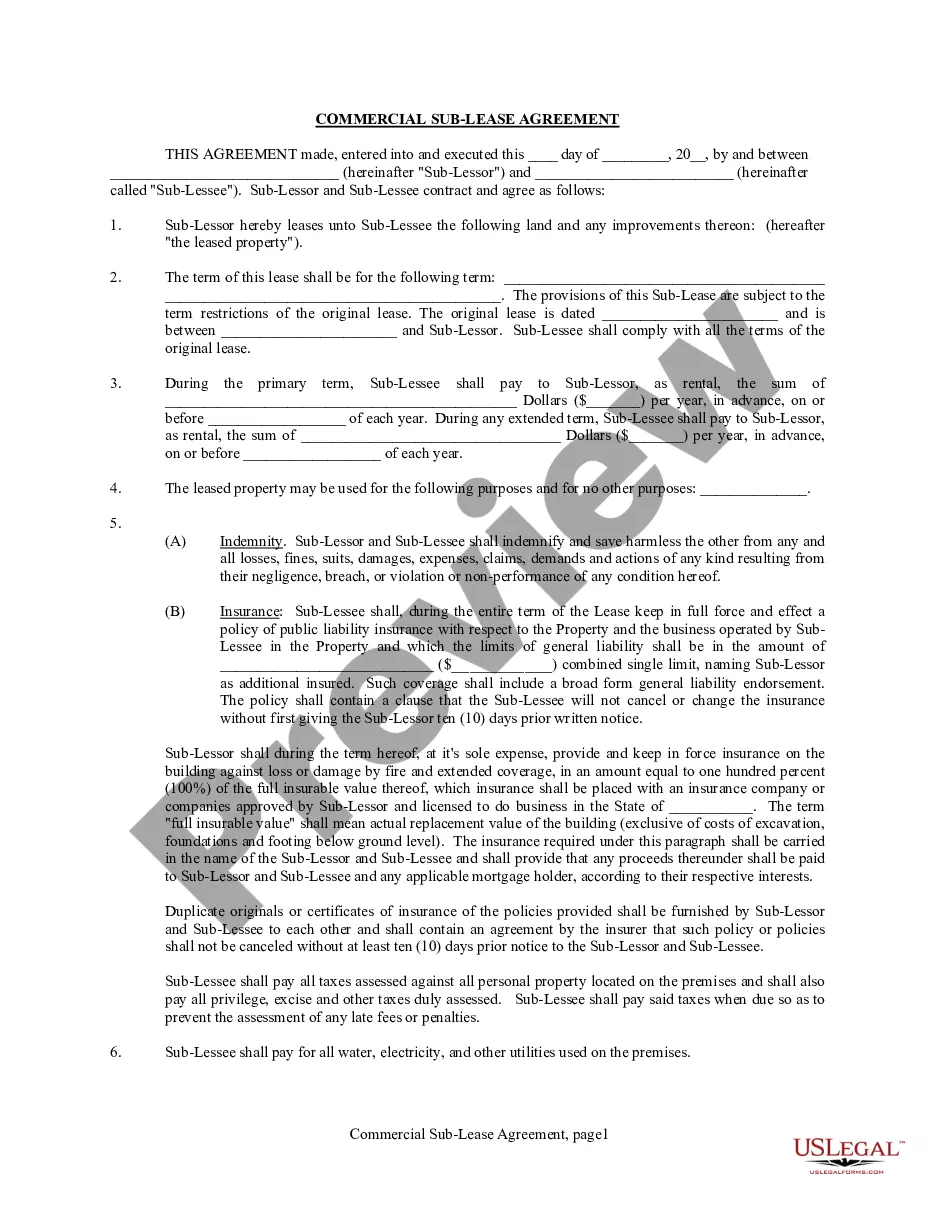





Form popularity
FAQ
Horses can be capable of breeding from 18 months old, but domesticated horses are usually allowed to mature to at least three years old before breeding.
Stallions may always be “on,” but that doesn't mean they can constantly breed. After all, they do need time to eat, sleep, exercise, and socialize. What is this? A stallion can typically cover one to three mares a day and about 30 to 40 mares in one year.
Close breeding such as a mating between sire and daughter will test the good and the bad genes in that family. Such matings are used on an experimental basis to discover if there are any undesirable recessives in the family (such as red coat colour in Friesians).
From ages 4 to 15, mares are in their reproductive prime. But from 15 to 20, their fertility declines, says McCue. Reproductive problems only continue to intensify in mares older than 20. Of course, each mare is an individual with her own health history and genetic tendencies.
A. Most yearlings and two-year-olds can and will breed under good circumstances.
Colts -occasionally- can be fertile enough to get a mare pregnant at 6 months old. However, the majority will certainly be able to get a mare pregnant from 10-14 months of age. However, there are never any hard and fast rules in equine repro...
Stud farm. A stud farm or stud in animal husbandry is an establishment for selective breeding of livestock. The word "stud" comes from the Old English stod meaning "herd of horses, place where horses are kept for breeding".
Some stallions are used for both equestrian uses and for breeding at the same general time of year.
It is always important to keep in mind that stallions are originally breed for reproduction and that they are aware of this. It is therefore natural for them to be on the alert when a mare approaches.
If the young horse has done well on the racetrack during his 2- and 3-year-old years, for instance, he may begin breeding mares as a 4-year-old. Before entering the breeding shed, he needs some re-training, a fertility evaluation, and some time to refocus on his new job and prepare for his first breeding season.
