Trademark Law In Myanmar In Harris
Description

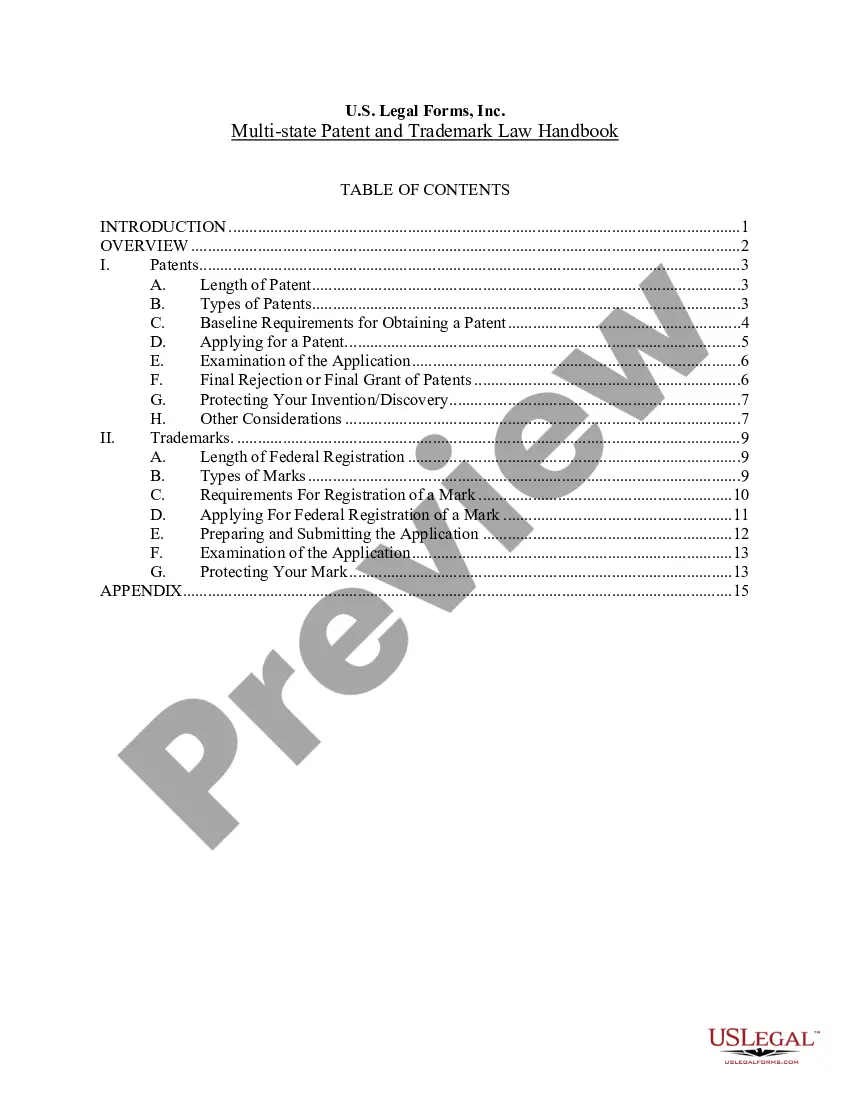
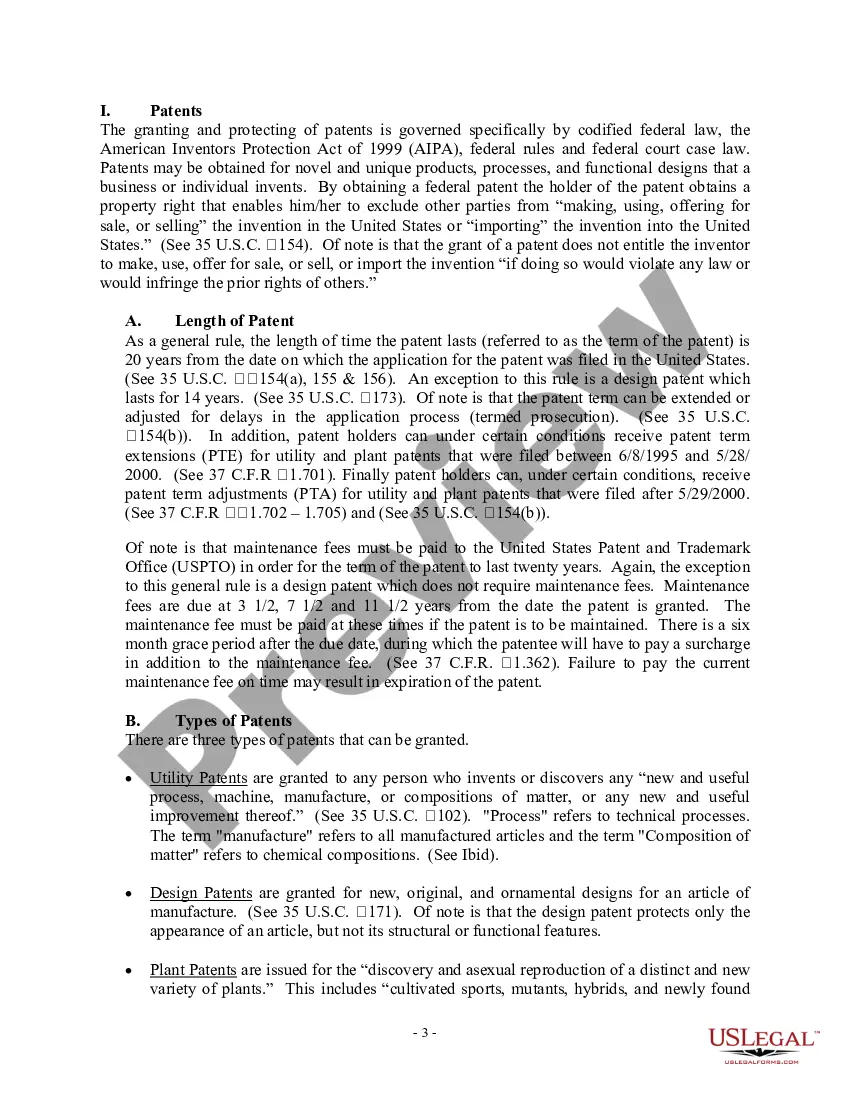


Get your form ready online
Our built-in tools help you complete, sign, share, and store your documents in one place.
Make edits, fill in missing information, and update formatting in US Legal Forms—just like you would in MS Word.
Download a copy, print it, send it by email, or mail it via USPS—whatever works best for your next step.
Sign and collect signatures with our SignNow integration. Send to multiple recipients, set reminders, and more. Go Premium to unlock E-Sign.
If this form requires notarization, complete it online through a secure video call—no need to meet a notary in person or wait for an appointment.
We protect your documents and personal data by following strict security and privacy standards.

Make edits, fill in missing information, and update formatting in US Legal Forms—just like you would in MS Word.

Download a copy, print it, send it by email, or mail it via USPS—whatever works best for your next step.

Sign and collect signatures with our SignNow integration. Send to multiple recipients, set reminders, and more. Go Premium to unlock E-Sign.

If this form requires notarization, complete it online through a secure video call—no need to meet a notary in person or wait for an appointment.

We protect your documents and personal data by following strict security and privacy standards.
Looking for another form?








Form popularity
FAQ
A trade mark owner can launch a civil suit against an infringer in Myanmar for trade mark infringement (under Section 54 of the Specific Relief Act) to obtain a permanent injunction. In addition, the owner may claim damages caused by such infringement.
There are currently no patent rights in Myanmar. As a result, products (for commercial uses and trade) are possible without permission from the people/companies which may hold patent rights outside Myanmar.
Myanmar's Trademark Law provides a solid legal framework for trademark registration, granting an initial term of 10 years from the submission date of the registration application. Upon the expiry of this term, trademark owners have the opportunity to renew their registration for subsequent 10-year periods.
The new Copyright Law gives copyright protection for eligible literary and artistic works and for the related rights of performers, phonogram producers, and broadcasting organizations. The law also enables the use of technological protection measures to protect copyright in literary or artistic works or related rights.
When should you renew your international trademark registration? You can renew your international trademark registration at the earliest six months before the ten-year term of protection expires, or within the six-month grace period following its expiry. Important! Surcharges apply if you renew during the grace period.
The new trademark law introduces a first-to-file system; the trademarks registered under the new trademark law will be valid for 10 years from the filing date and renewable every 10 years.
The initial and subsequent term of registration would be 10 years from the date of application. The renewal request can be filed six (06) months before the expiry of the trademark.
