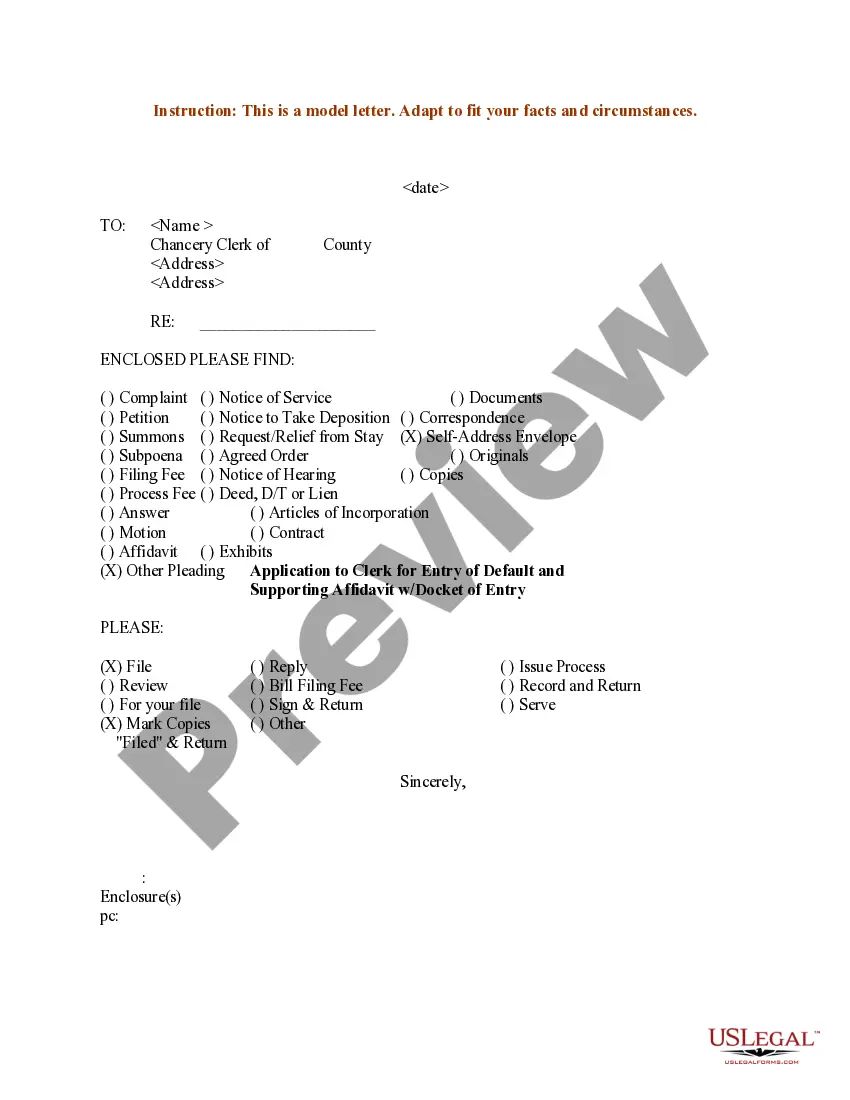
Filing Pleadings With The Court In Phoenix
Description
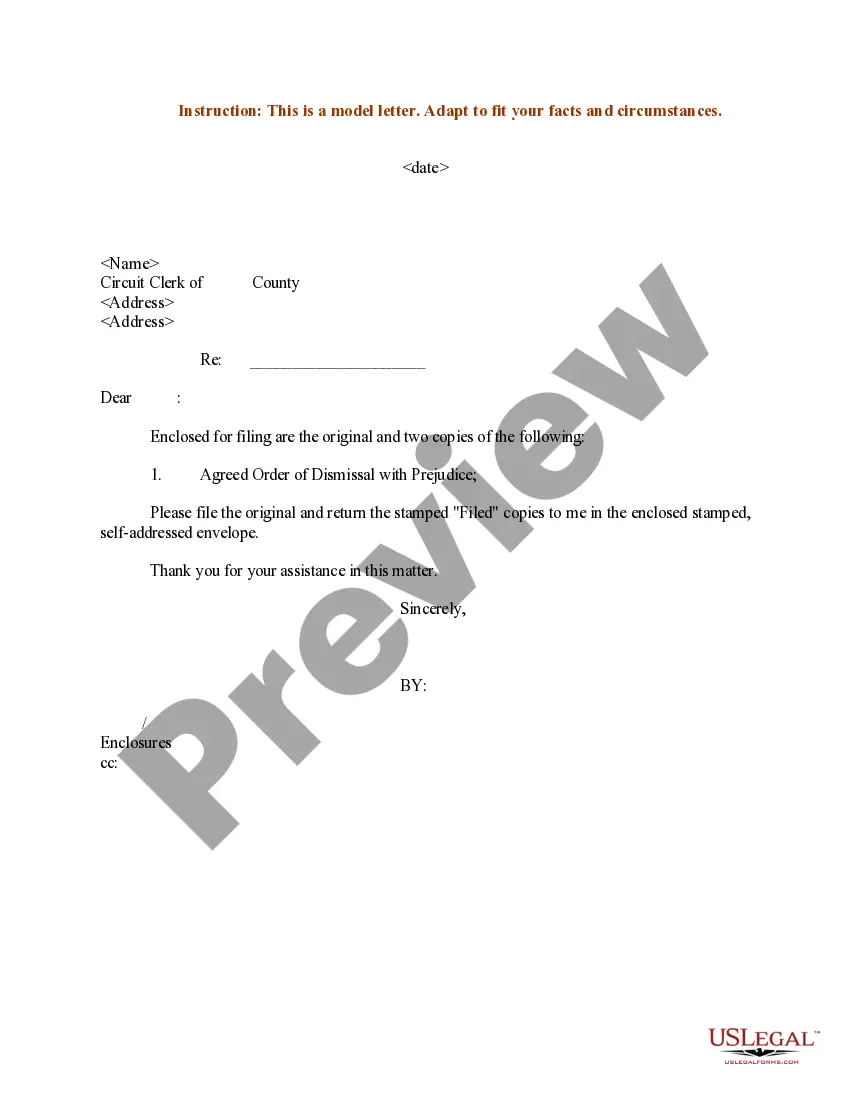
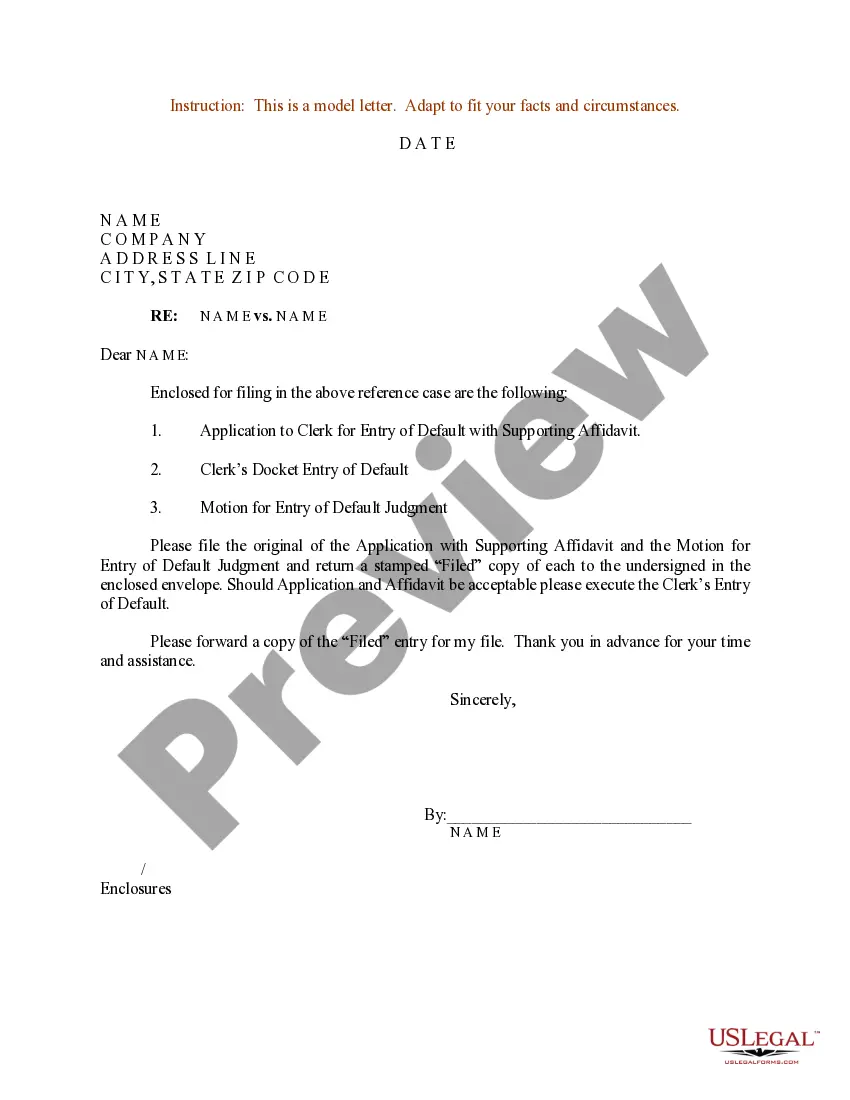
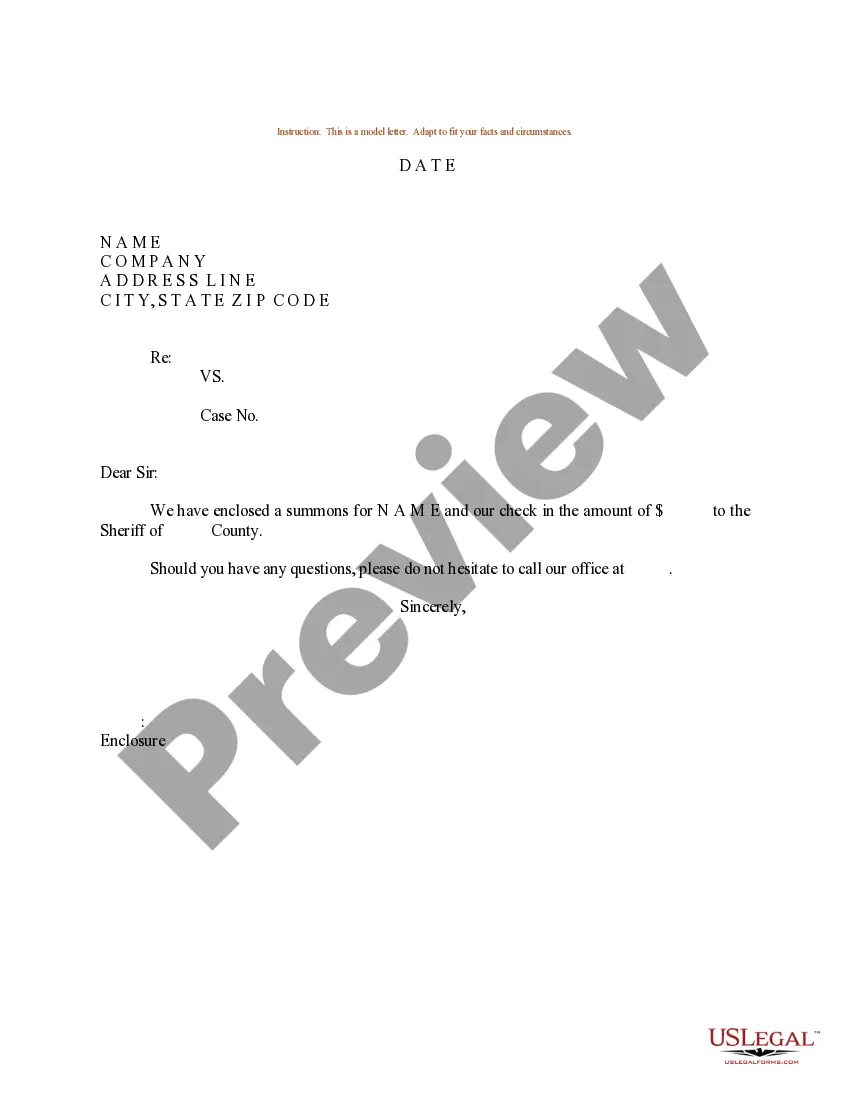
Get your form ready online
Our built-in tools help you complete, sign, share, and store your documents in one place.
Make edits, fill in missing information, and update formatting in US Legal Forms—just like you would in MS Word.
Download a copy, print it, send it by email, or mail it via USPS—whatever works best for your next step.
Sign and collect signatures with our SignNow integration. Send to multiple recipients, set reminders, and more. Go Premium to unlock E-Sign.
If this form requires notarization, complete it online through a secure video call—no need to meet a notary in person or wait for an appointment.
We protect your documents and personal data by following strict security and privacy standards.

Make edits, fill in missing information, and update formatting in US Legal Forms—just like you would in MS Word.

Download a copy, print it, send it by email, or mail it via USPS—whatever works best for your next step.

Sign and collect signatures with our SignNow integration. Send to multiple recipients, set reminders, and more. Go Premium to unlock E-Sign.

If this form requires notarization, complete it online through a secure video call—no need to meet a notary in person or wait for an appointment.

We protect your documents and personal data by following strict security and privacy standards.
Looking for another form?

Form popularity
FAQ
A civil action filed in a limited jurisdiction court is a claim against another party for damages of an amount up to $10,000.00. These lawsuits are designed to resolve civil disputes before a justice of the peace. Parties in a civil lawsuit may be represented by attorneys and appeal their case to a higher court.
The plaintiff files a document (complaint) with the clerk of the court stating the reasons why the plaintiff is suing the defendant, and what action the plaintiff wants the court to take. A copy of the complaint and a summons are delivered to (served on) the defendant.
Step 1 Make three (3) copies of your Motion. Step 2 File the original motion with the Clerk of Superior Court and ask to have the 3 copies stamped. These are called “conformed copies” and serve as proof the original was filed.
Resolving civil disputes if damages are less than $3,500. Parties in a small claims action may be represented by an attorney only if both parties agree to the use of attorneys. Filers of small claims actions do not have the right to appeal or the right to a jury trial.
The statute of limitations in Arizona is set at two years for all personal injury claims. It is one year for libel or slander claims, which are a subset of personal injury law. Some exceptions may apply when it takes longer than a year for a person to reasonably realize an injury has occurred.
When a date is set for an evidentiary hearing or trial, the Clerk of the Superior Court will send litigants an email with links to register for Case Center and upload case exhibits including documents, images, videos, and audio files. Lawyers and non-lawyer representatives must use Case Center.
In addition, Arizona is a notice pleading jurisdiction, and so perfection in pleading is not required.
The defendant has 20 calendar days from service of process to file an answer (Form No. AOCLJCV4F) to the lawsuit. An answer is your written response that you file with the court admitting or denying the creditor's claims and the reasons why. The answer should respond to each element of the complaint.
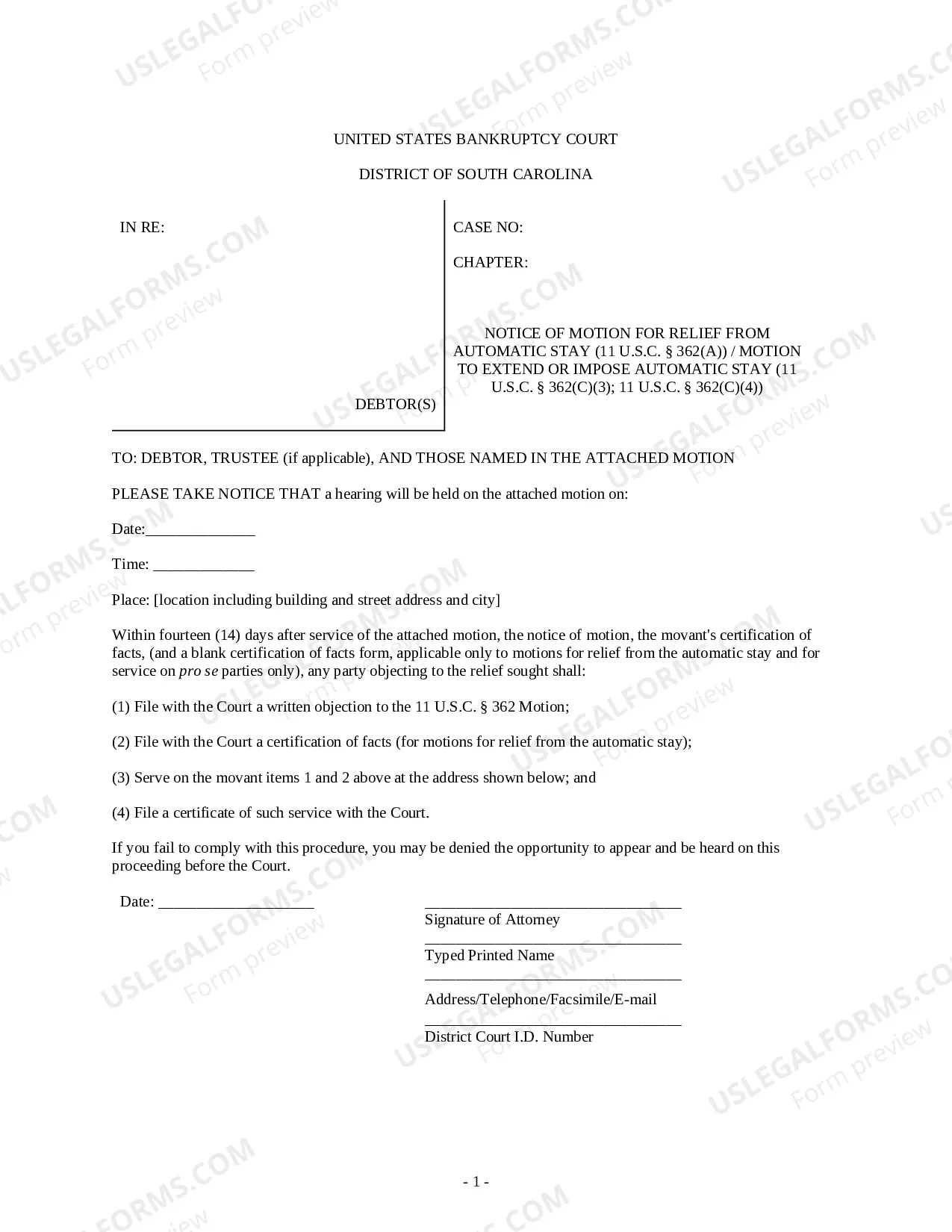
An application to the court for an order must be by motion which, unless made during a hearing or trial, must be in writing, state with particularity the grounds for granting the motion, and set forth the relief or order sought.