Resolution Format For Trust In Washington
Description



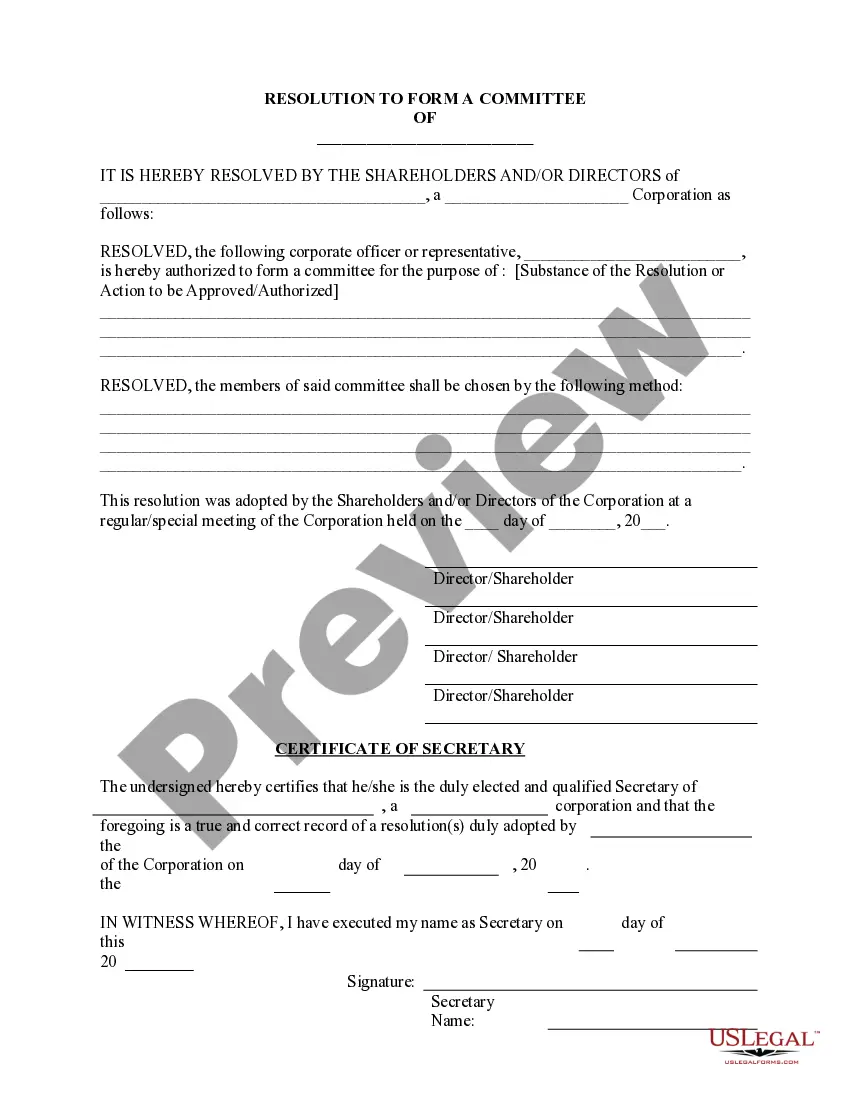
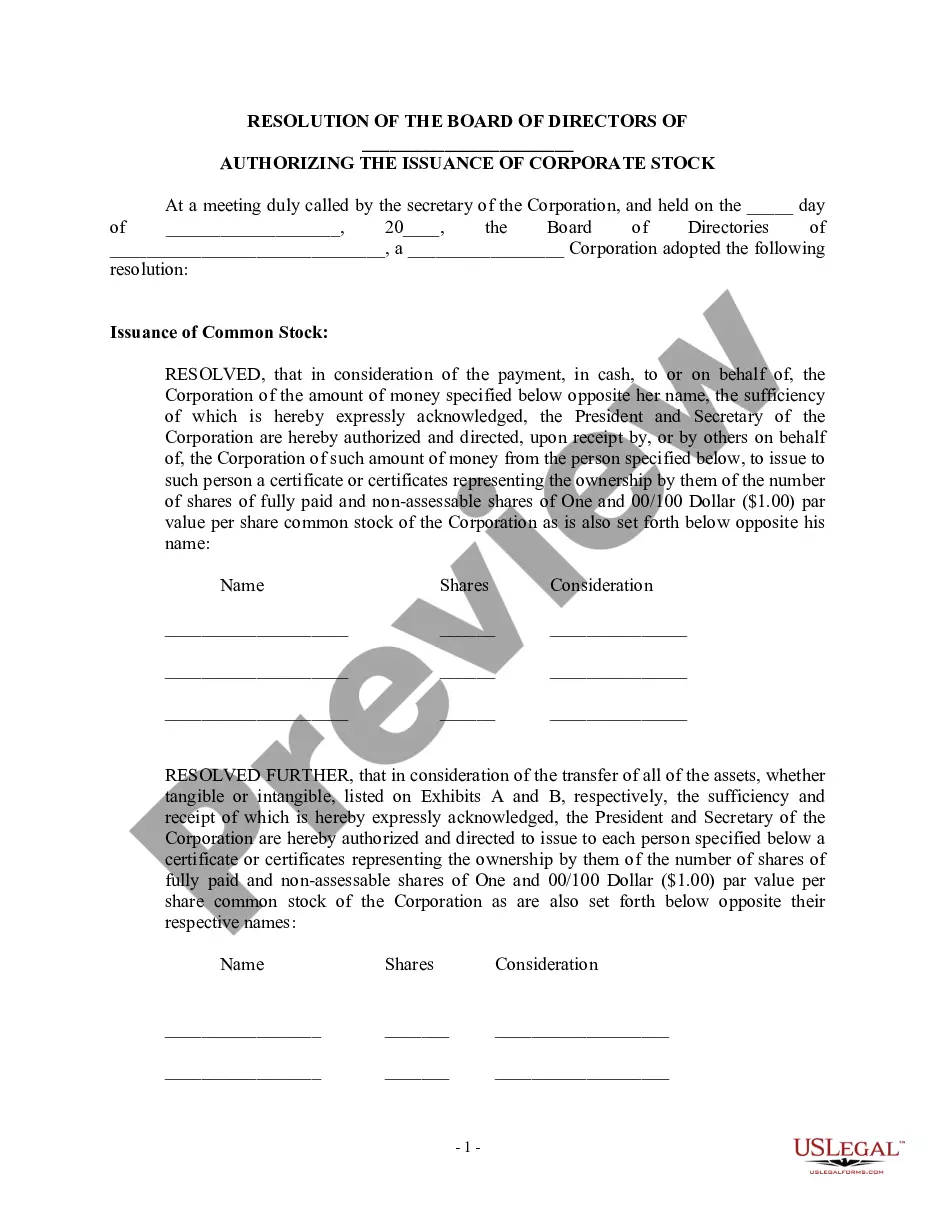
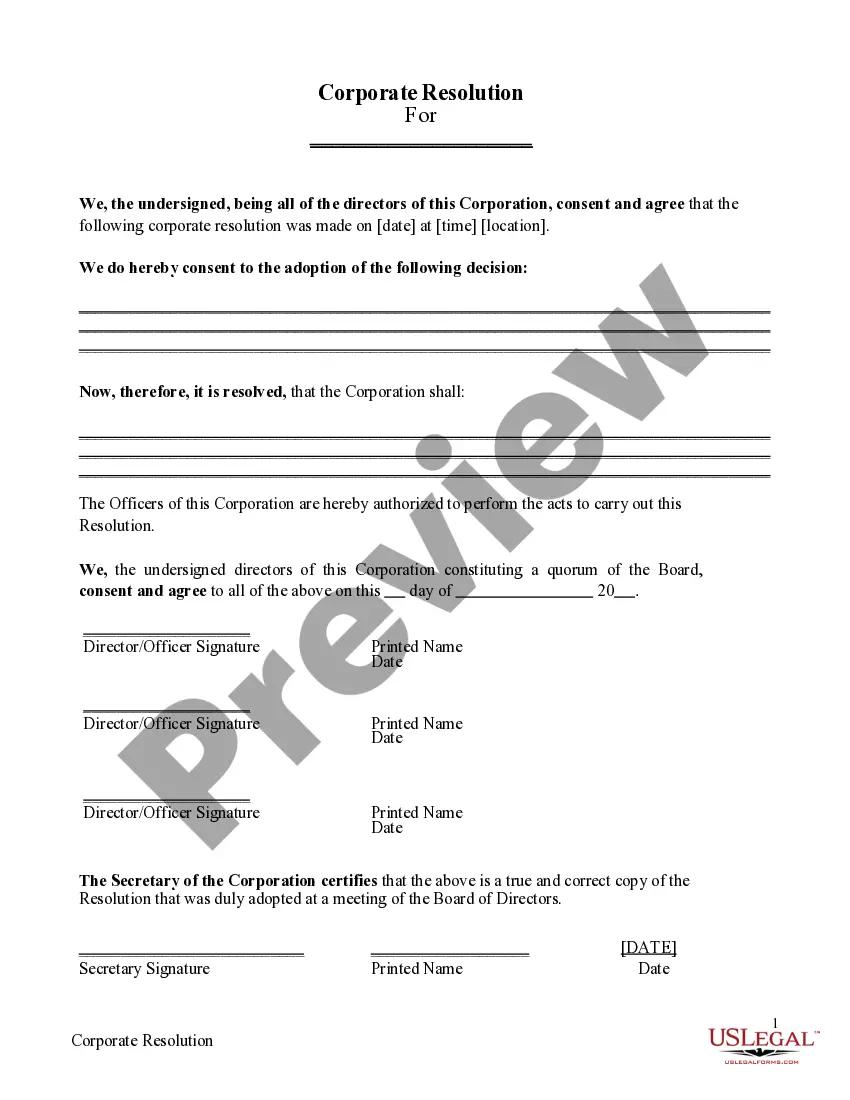
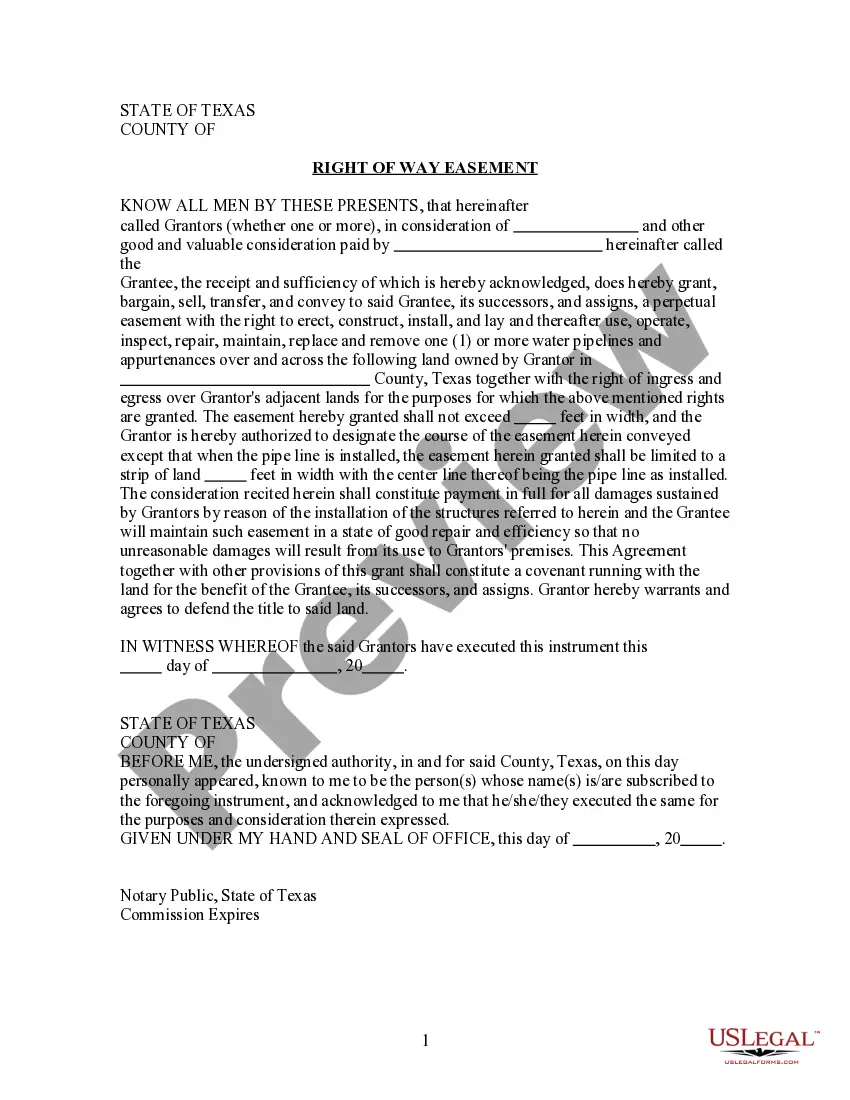
Get your form ready online
Our built-in tools help you complete, sign, share, and store your documents in one place.
Make edits, fill in missing information, and update formatting in US Legal Forms—just like you would in MS Word.
Download a copy, print it, send it by email, or mail it via USPS—whatever works best for your next step.
Sign and collect signatures with our SignNow integration. Send to multiple recipients, set reminders, and more. Go Premium to unlock E-Sign.
If this form requires notarization, complete it online through a secure video call—no need to meet a notary in person or wait for an appointment.
We protect your documents and personal data by following strict security and privacy standards.

Make edits, fill in missing information, and update formatting in US Legal Forms—just like you would in MS Word.

Download a copy, print it, send it by email, or mail it via USPS—whatever works best for your next step.

Sign and collect signatures with our SignNow integration. Send to multiple recipients, set reminders, and more. Go Premium to unlock E-Sign.

If this form requires notarization, complete it online through a secure video call—no need to meet a notary in person or wait for an appointment.

We protect your documents and personal data by following strict security and privacy standards.
Looking for another form?








Form popularity
FAQ
“You'll need to file a quit claim deed and a change of ownership form that transfers title from your name to the trust," said Banuelos. “If you own several commercial investment properties, you might own each of the properties through an individual LLC to limit your liability.
Transferring Personal Property to a Trust Create a Transfer Document. If you've created a Trust with one or more beneficiaries, to transfer your Personal Property to those Trustees you'll need to first create a Transfer Document. Make a List of Personal Items. Name Beneficiaries of Your Personal Property. Sign the Document.
To create a living trust in Washington, prepare a written trust document and sign it before a notary public. To finalize the trust and make it effective, you must transfer ownership of your assets into it. A living trust is an effective tool that can provide you with the flexibility and privacy you seek.
Certain elements are necessary to create a legal trust. The basic elements include a trustor, a trustee, one or more beneficiaries, trust property, and generally a written trust agreement. The person who creates a trust is called a trustor. This person may also be referred to as the “grantor” or “settlor”.
Washington adopted the Trust and Estate Dispute Resolution Act (TEDRA) in 2000 to provide more expedient nonjudicial options for resolving trust and estate issues. These alternate methods include mediation, arbitration, and agreements created by the parties.
Disadvantages of Putting Your House in a Trust Loss of Direct Ownership. Potential Complexity and Administrative Burden. Potential for Increased Costs. No Asset Protection Benefits. Limited Tax Advantages. No Protection Against Creditors.
Additionally, in Washington, you can transfer real estate using a transfer-on-death deed; this can keep your home out of probate without using a living trust. But if you have other significant assets you'd like to keep out of probate, a living trust can be a good solution. (Wash.
